Overland Flores Journeys
Overland journeys in Flores, Indonesia, offer an unparalleled way to experience the authentic essence of traditional village life amidst stunning landscapes. This archipelago, part of the Lesser Sunda Islands, is known for its vibrant culture, unique traditions, and breathtaking natural scenery. As travelers embark on this distinct adventure, they will be drawn into the heart of Flores, where every turn unveils a new story, a rich heritage, and a diverse range of experiences awaiting those who are culturally curious.
Exploring the traditional villages in Flores is not merely a sightseeing excursion; it is an immersive encounter with the local way of life. Each village encapsulates age-old customs passed down through generations, offering visitors a glimpse into the everyday lives of the inhabitants. Engaging with local artisans, participating in traditional ceremonies, and savoring indigenous cuisines provide a deeper understanding of the cultural fabric of this region.
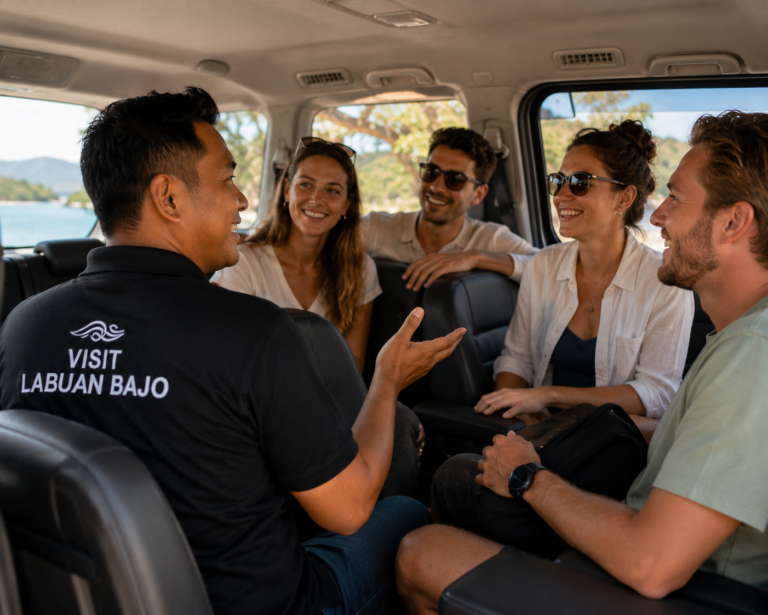
From the cool highlands of Manggarai to the cultural heart of Ngada, traditional villages reveal a different side of Flores. Along the way, travelers can meet local residents, learn about traditional houses, observe daily activities, and experience communities that continue to preserve customs passed down through generations.
The landscape of Flores is equally remarkable, characterized by volcanic mountains, lush green rice fields, and picturesque beaches. This geographical diversity contributes to the region’s charm, making every stop along the journey a visual feast. Travelers can enjoy hikes to hidden waterfalls, explore stunning coastal areas, and witness the dawn breaking over the horizon from various vantage points.
Moreover, the significance of overland travel in Flores highlights the commitment to sustainable tourism, allowing visitors to contribute positively to local economies while preserving cultural and natural heritage. The intimate connection formed through overland journeys fosters respect and understanding between travelers and locals, making each interaction a memorable one. With a rich tapestry of culture, history, and natural beauty waiting to be discovered, an overland journey through Flores remains an essential adventure for those eager to explore the charm of traditional villages.


The Cultural Heritage of Traditional Villages
The traditional villages of Flores are not merely settlements; they are vibrant repositories of rich cultural identities that have evolved over centuries. Each village boasts distinct traditions, social structures, and ceremonial practices that reflect the collective history and values of their inhabitants. The cultural heritage embedded within these communities plays a critical role in shaping their daily lives and social interactions.
Customs and rituals are central to the life of these villages, with ceremonies often tied to agricultural cycles, religious beliefs, and community gatherings. For instance, village festivals may celebrate harvests, honor ancestral spirits, or mark significant life events such as births and marriages. During these occasions, villagers don traditional attire, showcasing elaborate textiles and intricate handicrafts that represent local artistry. The weaving of ikat fabric, characteristic of Flores, combines practical utility with aesthetic beauty, serving as a symbol of cultural identity.
Moreover, these villages often maintain unique social structures that govern community life. Elders typically hold a revered position, guiding younger generations and preserving storytelling traditions that pass down knowledge and values. This mentorship fosters a strong sense of community, ensuring that essential cultural practices are transmitted and adapted to contemporary contexts.
As modern influences encroach upon these traditional lifestyles, the importance of preserving cultural heritage becomes ever more apparent. Sustaining local customs, arts, and traditional crafts not only protects the identity of these villages but also enriches the broader cultural landscape. Efforts to promote local craftsmanship and cultural tourism can help maintain these practices while allowing visitors to celebrate and appreciate the richness of Flores’ cultural heritage. Preservation initiatives, community engagement, and education play pivotal roles in safeguarding these elements for future generations, balancing tradition with the inevitable changes of modern life.
Must-Visit Traditional Villages Along the Route
The journey through Flores lends itself to the discovery of remarkable traditional villages, each offering a unique glimpse into the island’s rich cultural heritage. One of the first villages travelers should seek out is Wae Rebo. Nestled amidst lush hills, Wae Rebo is famous for its distinctive traditional houses called mongkon, which are built in a circular shape with conical roofs. Visitors can engage with the local community, experience their warm hospitality, and even participate in traditional rituals. The culinary offerings here include tumpeng, a local dish of rice accompanied by various side dishes, making it a gastronomic delight not to be missed.
Continuing on the journey, another essential stop is Ruteng. This village is noted for its stunning rice fields and scenic landscapes. The Caci dance, a local traditional performance involving whip fighting, is held regularly, providing an immersive experience into the local culture. In Ruteng, travelers are encouraged to savor local delicacies such as bubur injin, a sweet black rice porridge that captures the essence of the region’s culinary diversity.
Lastly, Ngada reflects an authentic ambiance of Flores culture. Known for its numerous megalithic sites, Ngada attracts visitors seeking to learn about the ancient traditions still practiced today. Festivals featuring vibrant traditional attire and ceremonial dances showcase the community’s rich heritage. Special events such as the Pasola festival, which celebrates the planting season, provide a vibrant opportunity to witness age-old customs and engage with local festivities. Moreover, the local cuisine, with dishes like ikan bakar (grilled fish) and freshly harvested vegetables, highlights the agricultural roots of the region.
Tips for Traveling Through Flores’ Villages
Traveling through the scenic and culturally rich villages of Flores can be a rewarding experience if approached with respect and awareness. Here are several tips to ensure a fulfilling journey.
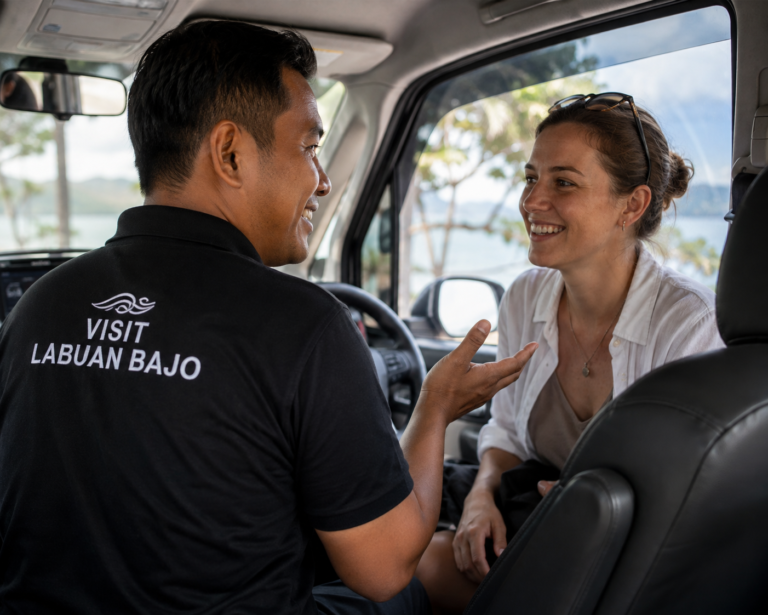
Firstly, engaging with the local communities is vital. Show genuine interest in their ways of life, traditions, and cultural practices. Learning a few basic phrases in the local languages, such as Bahasa Indonesia or the regional dialects, can greatly enhance your interactions. It demonstrates respect and often invites warmth and hospitality from the residents. Always ask for permission before taking photographs of people or their homes, as some may view it as intrusive.
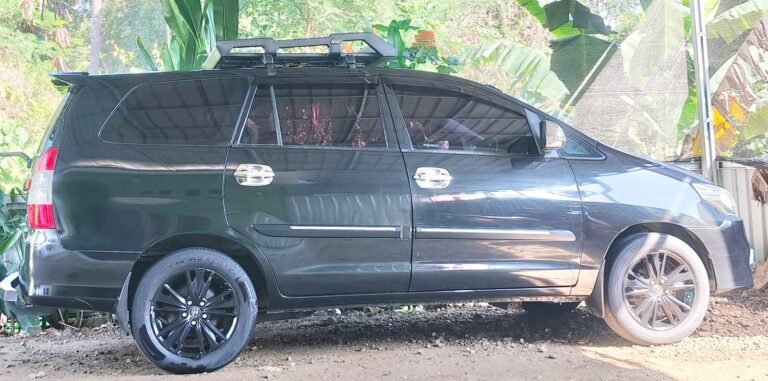
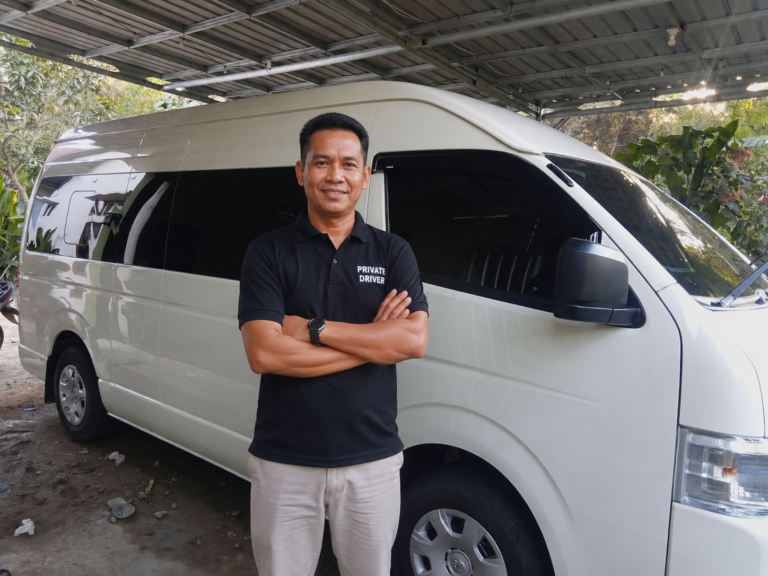
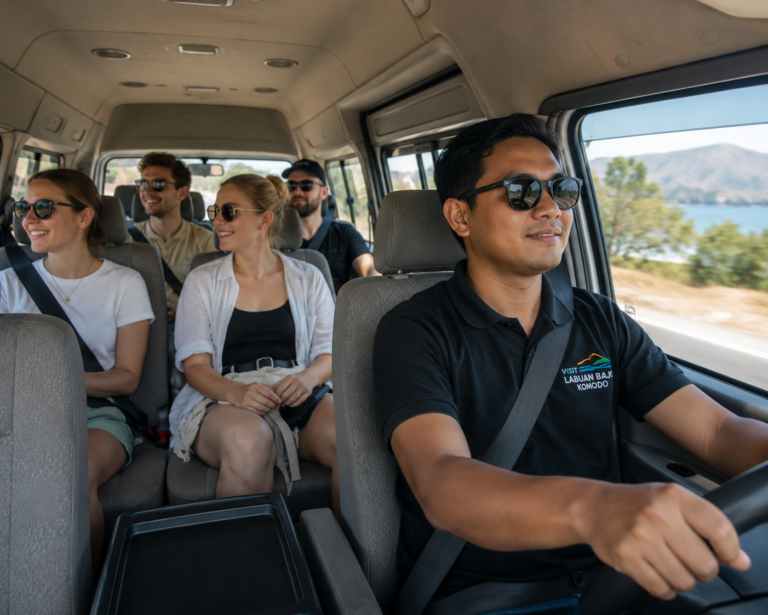
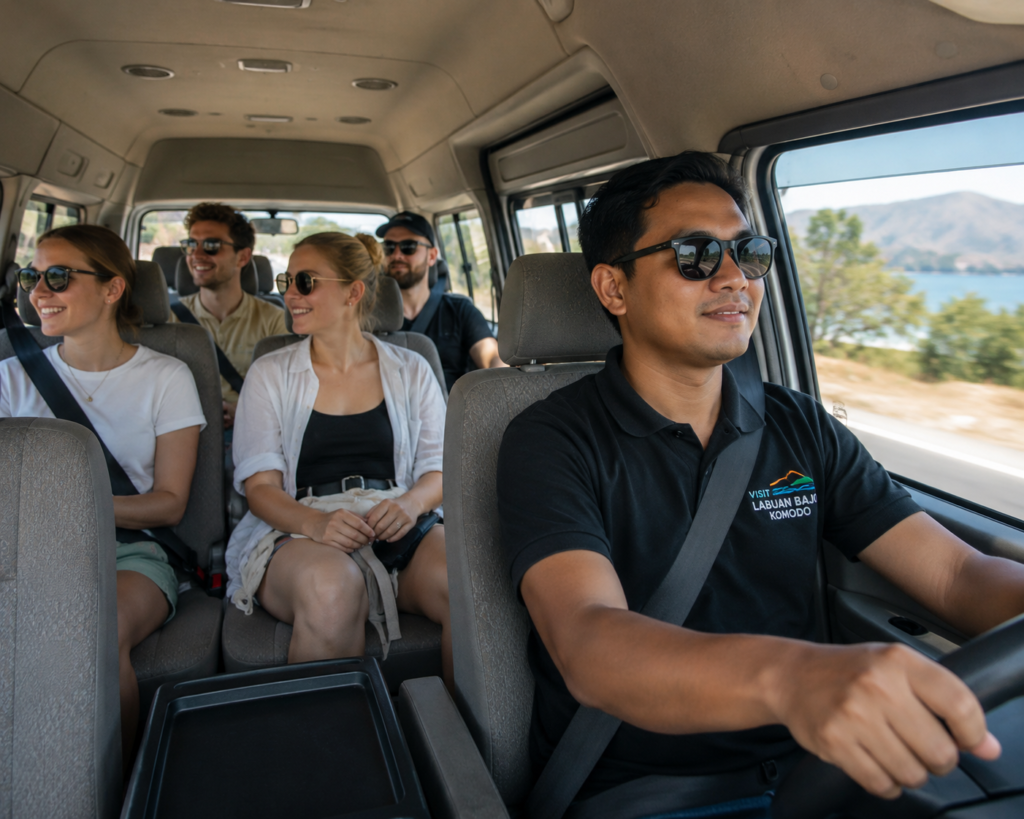
Navigating the terrain of Flores requires preparation. The region is known for its rugged landscapes and often narrow roads, so it is advisable to rent a 4WD vehicle or join a guided tour. Pack suitable footwear and clothing, especially if planning to hike or explore off the beaten path. Always carry sufficient water and snacks, as amenities can be limited in remote areas. It is also wise to have a detailed map or a reliable GPS system, as not all parts of Flores are well-marked.
Cultural considerations play a crucial role in ensuring a respectful experience. Familiarize yourself with local customs, such as dress codes, especially when visiting religious sites. When attending community events or ceremonies, be mindful of the expected behavior and dress appropriately.
The best times to visit Flores for comfortable weather and vibrant cultural experiences are during the dry season, which generally runs from April to October. However, each village has its unique festivals, so research beforehand to coincide your visit with local events. Safety is paramount; stay informed about any travel advisories and avoid venturing out alone at night or to isolated areas. Being aware of your surroundings and respecting the local environment will contribute to a memorable and secure journey.