Introduction to Wae Rebo Village
Situated in the highlands of the Flores region in Indonesia, Wae Rebo Village is a remarkable destination that captivates visitors with its profound cultural heritage and breathtaking natural surroundings. This traditional village is nestled amidst lush mountains, approximately 1,200 meters above sea level, offering stunning panoramic views of both the countryside and the majestic peaks that define its backdrop.
Wae Rebo is renowned for its unique architectural style, characterized by traditional cone-shaped houses known locally as Mbaru Niang. These distinctive structures, crafted from natural materials such as bamboo and thatch, are designed to blend harmoniously with the environment. Each house serves as a communal living space, highlighting the strong sense of community that persists among the residents. The arrangement and construction of these houses also reflect the cultural significance of the local Manggarai tribe, emphasizing their connection to ancestors and their traditions.
The village is not merely a showcase of traditional living; it has become an attractive destination for tourists who are eager to immerse themselves in authentic local culture. Visitors can engage with the friendly inhabitants, participate in traditional ceremonies, and witness age-old customs that have been preserved through generations. Moreover, the trek to Wae Rebo offers a wonderful opportunity to experience the enchanting landscape of Flores, with its verdant hills, tea plantations, and rich biodiversity.
Because of its cultural richness and natural beauty, Wae Rebo Village attracts those seeking to experience the essence of traditional Indonesian life while enjoying the splendor of nature. This blend of cultural immersion, environmental awareness, and community interaction makes Wae Rebo a destination that leaves a lasting impression on all who visit.
Getting to Wae Rebo Village
Wae Rebo Village, known for its captivating cultural heritage and stunning scenery, is nestled in the mountains of Flores, Indonesia. The journey to this unique destination presents both adventure and beauty, commencing typically from the nearest significant airport, which is Komodo International Airport in Labuan Bajo. This airport serves as the main gateway for international and domestic travelers heading to Flores.
Upon arrival at Komodo International Airport, visitors have several options for transportation to reach the village. The first recommendation is to rent a car or hire a private transfer service, which provides the most flexibility in this remote area. Traveling by car takes approximately four to five hours, with a route that offers breathtaking views of the surrounding landscape.
For those preferring public transport, there are buses available from Labuan Bajo to Ruteng, a central town on Flores, where visitors can catch a connecting bus to the village of Dintor. The bus journey, though more economical, takes considerably longer and may not offer the same level of comfort. It’s advisable for travelers to carry snacks and supplies, as the journey may involve prolonged wait times at bus stations.
Upon reaching Dintor, visitors will need to embark on a three to four-hour trek to finally reach Wae Rebo Village. This trek, while physically demanding, is a notable highlight of the entire journey, offering a chance to experience the rich flora and fauna of Flores. A local guide is recommended to navigate the trails effectively and to enhance the trekking experience through their insights about the local environment.
When planning the journey, consider stopping at key attractions such as the scenic fields of Manggarai or the picturesque town of Ruteng, both famous for their traditional culture and welcoming hospitality. These stops can enrich the travel experience en route to Wae Rebo, ensuring that the journey is as memorable as the destination itself.
Accommodation Options in Wae Rebo
Wae Rebo Village, nestled in the lush mountains of Flores, Indonesia, offers a range of accommodation options that cater to various preferences and budgets. The village is renowned for its traditional Mbaru Niang houses, which provide visitors with a unique and authentic experience. Staying in these traditional huts allows guests not only to enjoy the stunning views of the surrounding landscape but also to immerse themselves in the rich cultural heritage of the Manggarai people.
The Mbaru Niang huts are designed traditionally, characterized by their conical roofs and communal living spaces. Inside, visitors will find basic amenities, such as bedding and shared washrooms. Prices for staying in these traditional huts typically range from $10 to $30 per night, depending on the season and availability. This experience enables guests to witness the daily life of the villagers and partake in local customs, such as communal meals prepared from fresh, local ingredients.
For those seeking more modern comforts, several guesthouses have been established in and around Wae Rebo Village. These accommodations usually offer improved amenities, including private bathrooms and hot water. Prices for these guesthouses generally range from $30 to $60 per night. These establishments often provide additional services, such as guided tours and transportation to and from nearby attractions.
Choosing to stay overnight in Wae Rebo Village offers a distinct advantage over a day trip. Visitors have the opportunity to experience the quietude of the village after the sun sets, engage with the locals, and appreciate the natural beauty in a more intimate setting. The mornings reveal breathtaking views of the fog-laden mountains, enhancing the overall experience. In contrast, a day trip limits visitors to the daytime hours, missing the deeper cultural immersion that an overnight stay provides.
Cultural Experiences in Wae Rebo
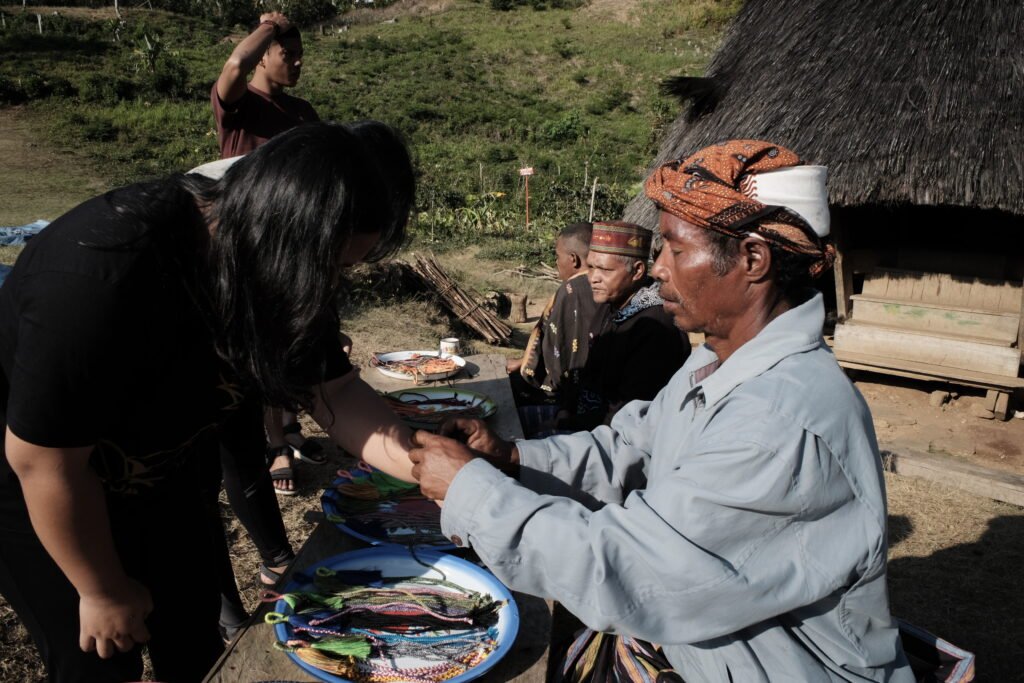
Wae Rebo, a traditional village situated in the mountainous region of Flores, Indonesia, offers a rich tapestry of cultural experiences that are deeply woven into the fabric of daily life. Visitors to this enchanting village can immerse themselves in the local customs and traditions that have been preserved for generations. One of the most striking aspects of Wae Rebo’s culture is the opportunity to witness traditional ceremonies, which often include rituals that celebrate the village’s agricultural cycles and significant life events.
As visitors explore Wae Rebo, they will encounter the warm hospitality of the villagers, who are eager to share insights into their way of life. Engaging with the local community provides a unique chance to learn about the significance of communal activities, storytelling, and the moral values that underpin the social structure in the village. Villagers may invite visitors to partake in traditional ceremonies, allowing for a firsthand understanding of the spiritual and cultural beliefs that resonate throughout the community.
Moreover, Wae Rebo is renowned for its artistic expressions, particularly in crafts, music, and dance. Visitors can participate in workshops that showcase the intricate weaving techniques used to create traditional textiles, which are often adorned with vibrant patterns and symbols representative of the local heritage. Not only do these activities foster a connection between tourists and the villagers, but they also highlight the importance of preserving indigenous craft methods.
Music and dance play an integral role in Wae Rebo’s culture, and tourists can join in community gatherings where locals perform traditional songs and dances. It is common for visitors to engage with villagers in these joyful occasions, enhancing their experience and understanding of Wae Rebo’s cultural significance. The blend of traditional practices and the opportunity for cultural exchanges makes Wae Rebo not just a destination, but a living, breathing testament to the richness of Indonesian heritage.
Nature and Hiking Adventures
Wae Rebo, surrounded by the breathtaking landscapes of the Flores region in Indonesia, offers a range of hiking trails and nature walks that cater to varying levels of trekking experience. Adventurers can explore these paths while immersing themselves in the stunning scenery and rich biodiversity of this region.
One of the most popular trails is the route from the base village to Wae Rebo itself. This trek, stretching approximately 8 kilometers, usually takes around two to three hours, depending on one’s pace. The path is classified as moderate in difficulty, featuring well-marked trails that weave through lush forests and steep inclines. As hikers ascend, they are rewarded with views of cascading waterfalls and vibrant green hills dotted with endemic flora.
For those seeking a more challenging experience, the trek towards the surrounding hills offers steep climbs and rocky terrain, providing a perfect opportunity to encounter the region’s unique wildlife. Keep an eye out for the rare Flores giant rat and various bird species, such as the black-naped oriole and the hawk-eagle, which may be spotted amongst the trees. The diverse ecosystems that hikers traverse are home to many types of local plants and flowers, including a variety of orchids, which bloom spectacularly during certain seasons.
Another notable trail is the walk toward the neighboring villages. This route showcases the local culture and agriculture, allowing trekkers to engage with community members and learn about their traditions. The estimated duration of this hike is around four hours, emphasizing not just the physical effort but also the cultural enrichment gained along the way.
Whether you are an enthusiastic hiker or a casual nature lover, the trekking options around Wae Rebo provide an unforgettable experience. The serene landscapes, combined with the flora and fauna unique to this area, create a compelling reason to explore the natural beauty that flourishes here.
Local Cuisine and Dining
Wae Rebo Village, nestled in the mountains of Flores, Indonesia, offers visitors a rich culinary experience that embodies the local culture and traditions. The village is known for its unique traditional dishes that are primarily made from locally sourced ingredients, reflecting the natural bounty of the region. A visit to Wae Rebo would be incomplete without indulging in some of the authentic cuisine that the village offers.
One of the traditional dishes you must try is ‘Lontong,’ a rice cake served with a variety of side dishes like vegetables, coconut milk, and sometimes meat or fish. This dish is often prepared during celebrations or shared during communal meals. Another local specialty is ‘Sate Kompa,’ which consists of skewered and grilled meat marinated in a mixture of spices, a culinary integration of local flavors that are sure to excite your palate. Moreover, the indigenous residents often utilize a range of spices and herbs in their cooking, resulting in meals that are both flavorful and nutritious.
Dining options in Wae Rebo are typically rustic and marked by communal experiences. Travelers often find themselves dining in the homes of local families, where traditional meals are prepared and served. This not only provides a taste of authentic cuisine but also offers a glimpse into the daily lives and customs of the villagers.
In addition to meals with local families, there are also small eateries available for visitors. These establishments often serve the village’s unique dishes, accompanied by locally produced beverages such as coffee grown in the surrounding hills. Sharing a meal in Wae Rebo is more than just satisfying hunger; it is an opportunity to engage with the culture and create memorable connections with the locals in this enchanting setting.
Tips for Visiting Wae Rebo Village
Embarking on a journey to Wae Rebo Village requires thoughtful preparation to ensure a fulfilling experience in this picturesque cultural haven. First and foremost, comfortable clothing and sturdy footwear are essential. The village is nestled in highland terrain, necessitating a considerable trek from the nearest access point. Visitors should also bring a lightweight rain jacket, as the weather can be unpredictable, with sudden showers common in the region.
Timing is crucial when planning your visit. The best months to explore Wae Rebo Village are typically from April to September, which mark the dry season. This period offers more favorable conditions for trekking and outdoor activities, enhancing your overall experience. However, one must also consider local festivals or cultural events occurring during this time, as these can provide an enriching glimpse into the traditional life of the Manggarai people.
Cultural etiquette is a vital aspect to keep in mind. Wae Rebo is home to a community that values respect and tradition. Visitors are encouraged to seek permission before taking photographs of residents or their homes. Additionally, it is advisable to dress modestly and discreetly, as this reflects respect for local customs. Engaging with the local community through simple greetings in the local language can also foster goodwill and appreciation.
Another critical piece of advice is to prepare for minimal amenities. Wae Rebo Village is primarily eco-friendly, focusing on sustainability, so visitors should pack snacks, water, and necessary supplies. Furthermore, ensure that your health insurance covers any travel-related emergencies, and carry a basic first-aid kit. Finally, while the residents are hospitable, it is wise to remain vigilant and mindful of your surroundings.
These practical tips, when adhered to, can significantly enhance your visit to Wae Rebo Village, allowing you to immerse yourself fully in its captivating beauty and rich cultural heritage.
Sustainable Tourism in Wae Rebo
Sustainable tourism is an essential aspect of preserving the unique cultural and ecological integrity of Wae Rebo Village. Nestled in the lush mountains of the Flores region, Wae Rebo is not only a picturesque destination but also a community that thrives on maintaining its traditions and natural resources. The increasing influx of tourists has significant impacts on the village, prompting a necessary focus on practices that prioritize sustainability.
Tourism in Wae Rebo provides invaluable economic benefits to the local community, empowering families through income generated from homestays, guided tours, and the sale of traditional crafts. However, with these opportunities come challenges. The delicate environment and distinct cultural practices can be threatened by unregulated tourist activities. Hence, sustainable tourism initiatives are critical to ensuring that the village can adapt to the demands of visitors while safeguarding its heritage.
Visitors can play a pivotal role in promoting sustainable tourism during their stay in Wae Rebo. By opting for locally-operated homestays, travelers support the local economy directly and ensure the benefits are felt within the community. Engaging with local guides not only enhances the visitor’s experience through authentic insights but also reinforces the value of local expertise and traditions.
Moreover, tourists should be conscious of their environmental footprint. Simple actions like minimizing waste, respecting wildlife, and following trail markers can significantly reduce the impact on the local ecology. Additionally, understanding and respecting the local customs and traditions is paramount. Tourists are encouraged to seek permission before photographing individuals and participate in rituals and activities with genuine respect and openness.
In essence, sustainable tourism in Wae Rebo is a shared responsibility. By practicing environmentally friendly behaviors and respecting local customs, visitors can contribute to the longevity and richness of this unique cultural landscape, ensuring that Wae Rebo continues to thrive for generations to come.
In summary, the Wae Rebo village tour offers an unparalleled blend of cultural immersion and breathtaking scenery, making it an essential stop for travelers exploring Indonesia. Nestled in the rugged hills of Flores, Wae Rebo stands out not only for its unique traditional architecture but also for its warm and welcoming community. Visitors are encouraged to fully engage with the local customs, providing an invaluable opportunity to learn about the rich heritage of the Manggarai people.
The trek to Wae Rebo, although challenging, rewards explorers with stunning views and the chance to witness the beauty of nature at its finest. The authentic experience of staying in a traditional Mbaru Niang house allows travelers to step back in time and appreciate the simplicity and harmony of village life. This connection with both the environment and the local inhabitants fosters a memorable journey unlike any other.
For those considering a trip to Indonesia, Wae Rebo is undoubtedly a must-visit destination. It embodies the essence of Indonesia’s diverse cultural landscape and showcases the breathtaking beauty inherent in the region. By planning your visit to this remote gem, you not only broaden your travel horizons but also contribute to the sustainability of the local community. Travelers should aim to fully immerse themselves in the village’s culture, ensuring that their experience in Wae Rebo is not only enjoyable but also enriching.
Ultimately, a visit to Wae Rebo can be transformative, offering insights into traditional living practices and the natural environment. It encourages a deeper appreciation of Indonesia’s cultural diversity and the beauty of its landscapes, thus leaving a lasting impression on all who journey there.