When to See Manta Rays in Komodo: A Seasonal Guide
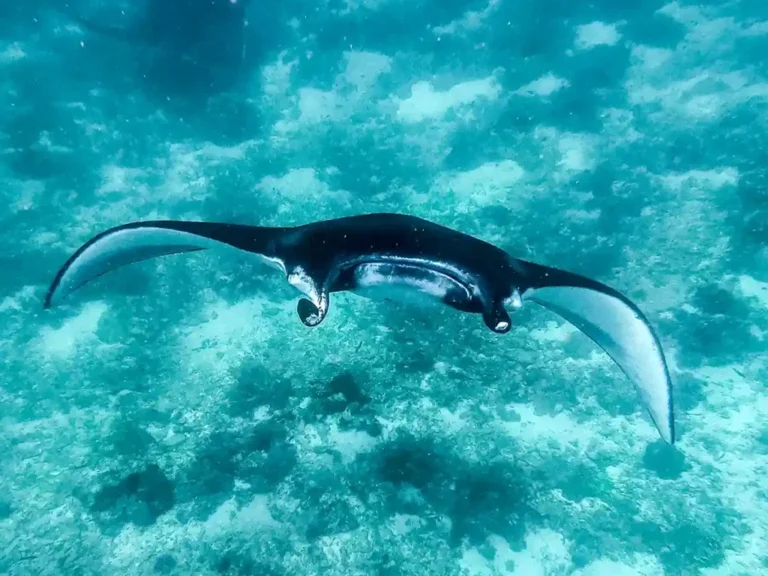
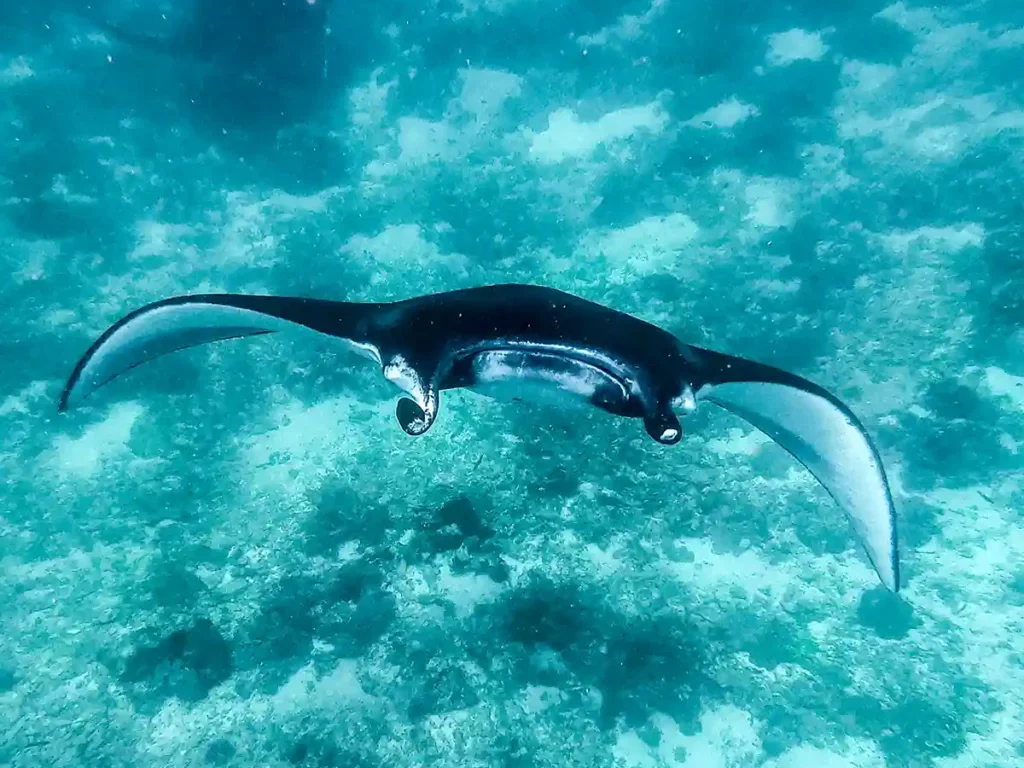
Komodo National Park is known for encounters with manta rays, especially reef mantas (Mobula alfredi), which are often seen around cleaning stations and feeding areas. These mantas generally remain associated with coastal reefs and nearby islands, though individuals can travel between sites. Oceanic mantas (Mobula birostris), a larger and more widely ranging species, may also pass through the park, but sightings are less predictable. In the water, identifying the species can be difficult, so visitors should follow guides’ observations rather than assume every manta belongs to one type.
Mantas can be encountered in Komodo throughout the year, but their numbers and locations may change with local conditions. Currents carry plankton, the rays’ main food, through channels and across reefs; when plankton is concentrated, feeding mantas may gather in particular places. Water temperature, tidal movement, and seasonal shifts in wind and ocean circulation can also influence where rays are found and how accessible a site is. As a result, a location that offers frequent encounters during one period may be quieter at another, while activity can vary from day to day.
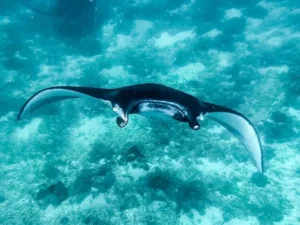
Travel advice often describes certain months as the “best season” for seeing manta rays. This usually means that conditions or past sighting patterns may make an encounter more likely, not that rays appear on a dependable schedule. Their movements respond to changing food supplies and currents, and no operator can guarantee a wildlife sighting. Even during a commonly recommended period, visitors may see several mantas, one passing ray, or none at all. A flexible itinerary and guidance from local crews can help identify promising sites, while patience and realistic expectations make for a more responsible wildlife experience.
Komodo’s manta season does not follow a strict calendar, but many visitors and dive operators report productive encounters during the wetter months, roughly November through April. During this period, rainfall, currents, and changing ocean conditions can bring nutrient-rich water into the region. Plankton may gather where currents converge, creating feeding opportunities that attract manta rays to familiar sites. For travelers hoping to watch mantas feeding near the surface, these months can offer promising possibilities, although no particular week or trip can guarantee a sighting.
Where Can You See Mantas in Komodo?
If you’re wondering, “Where can I see manta rays in Komodo?” the answer is: there are several great spots. Komodo National Park offers a few favorite locations often visited by divers and tourists eager to meet these magnificent sea creatures. The most popular spot is Manta Point, known as the manta rays’ favorite hangout. Here, you have a great chance to see groups of manta rays swimming and dancing in the strong ocean currents.
Besides Manta Point, Mawan Island is another place where manta rays gather frequently. This island is a great alternative for snorkeling and diving, offering a different but equally exciting experience. There are also other dive spots like Batu Bolong and Castle Rock where manta rays often appear, giving divers more variety in their adventures.
Each location has its own unique charm. At Manta Point, you can see manta rays actively cleaning themselves at underwater cleaning stations. At Mawan Island, manta rays tend to be more relaxed and sometimes appear in shallower waters, letting you swim closer to them. So, Komodo National Park truly is a paradise for sea lovers wanting to watch and swim with manta rays in their natural home.
So, when is the right time to see manta rays in Komodo? You can spot manta rays almost all year round in Komodo’s waters, but there are certain times when they are more active and more abundant. Their activity depends heavily on ocean currents and the season, which affect the availability of their main food—plankton.
When the currents are strong, especially during certain seasons, plankton flourishes. That’s when manta rays come to their favorite spots like Manta Point to feed and interact. The best time during the day to see manta rays is usually in the morning, when the water is calm and underwater visibility is clear.
While manta rays can be found year-round, their peak activity is usually during the dry season—from April to May and August to September. During these months, the weather and sea conditions are more stable, increasing your chances of encountering groups of friendly and graceful manta rays swimming around Komodo’s waters.
The drier season, approximately May through October, can also bring manta encounters. Rays are present in Komodo’s waters throughout the year, and divers may see them at cleaning stations, along reef edges, or while moving between sites. However, sightings during these months can feel less predictable, and the number of mantas at any one location may vary. A quieter period at a well-known site does not necessarily mean the animals have left the region; they may simply be elsewhere or behaving differently.
Seasonal timing is only one factor when planning a trip. Local currents, water temperature, plankton availability, and conditions on the day can all influence where mantas gather. These factors shift from year to year, so reported patterns are best treated as broad guidance rather than a fixed forecast. Ask local guides or operators about recent sightings and the conditions they expect, while keeping plans flexible enough to visit different sites. Travelers may also want to weigh the likelihood of encounters against practical considerations: the drier months can offer favorable travel and diving conditions, while wetter months may bring more variable weather. Choosing a season can improve the odds of a memorable encounter, but patience and realistic expectations remain important in any month.
Komodo’s manta encounters are associated with several sites, but sightings are never guaranteed and conditions can change from day to day. Manta Point, also known as Karang Makassar, is a well-known area where mantas may gather to feed or visit cleaning stations. Other sites around the park, including reefs and channels near islands such as Siaba and Mawan, can also offer encounters depending on currents, plankton, season, and recent manta movement. A knowledgeable local guide can select a location based on current conditions rather than relying on a fixed schedule.
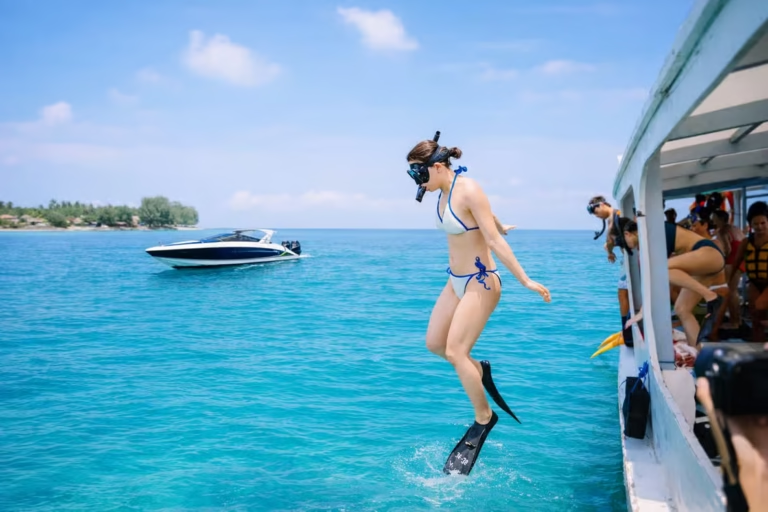
Snorkelling is often a good option for visitors who want to observe mantas near the surface. It typically requires less equipment and training than scuba diving, although participants should be comfortable in open water and able to follow instructions. Currents at some sites can be strong, and swimmers may need to remain close to the guide or use a flotation aid. Visibility varies, while mantas may pass beneath snorkellers or remain near the surface as they feed.
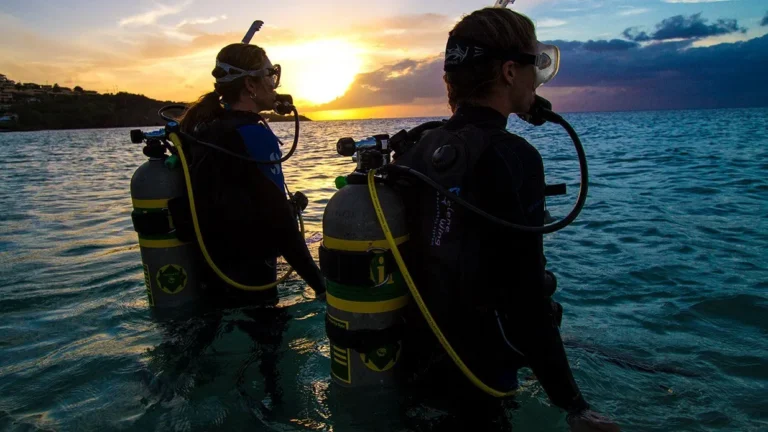
Scuba diving can provide a view of underwater terrain and cleaning stations from below, but it requires appropriate certification, experience, and buoyancy control. Depths, currents, and visibility differ between sites, and a dive may not be suitable for every diver. Choose an operator and activity that match your ability, and be candid about your experience. Neither snorkelling nor diving guarantees a close encounter; the animals’ welfare and safety should guide every decision.
During an encounter, follow the guide’s directions and keep a respectful distance. Do not touch, chase, or attempt to ride a manta, and never position yourself in its path or block its route. Avoid crowding animals, making sudden movements, or interfering with a cleaning station where mantas pause while small fish remove parasites. Give them space to approach or leave freely. These practices reduce disturbance and help preserve the natural behaviour that makes observing manta rays in Komodo meaningful.
Choosing travel dates for a manta-focused visit means weighing more than the chance of seeing rays. Seasonal patterns can improve sighting prospects, but they do not guarantee encounters, and the periods with favorable wildlife activity may also bring rougher seas, rainfall, or reduced underwater visibility. Consider how conditions could affect your comfort and plans beyond the water, including boat transfers, hikes, beach time, and visits to other islands. If snorkeling or diving is your priority, decide which trade-offs you are comfortable making rather than relying on a single ideal month.
Before booking, ask reputable Komodo operators for recent local reports on manta activity, sea state, visibility, and the routes they expect to use. Conditions vary between sites and can change quickly, so current information is more useful than a general seasonal forecast alone. When your schedule allows, reserve more than one day on the water. Multiple outings give you additional opportunities if weather or currents make a particular trip unsuitable, while leaving room to adapt the itinerary. Keep some flexibility in your travel plans, especially if boat excursions are a central reason for visiting.
Choose experienced guides who understand local currents and can explain how encounters will be managed safely and responsibly. Before snorkeling or diving, confirm that the operator has appropriate safety equipment, provides a clear briefing, and has checked current conditions. Bring sun protection, drinking water, and a light layer for windy boat rides; motion-sickness remedies may also help if you are prone to discomfort at sea. Ask in advance what gear is supplied and what you should bring yourself. A well-prepared, flexible itinerary balances manta opportunities with practical comfort, allowing you to enjoy Komodo even if weather, visibility, or wildlife activity differs from expectations.
What Is the Best Time to Visit Manta Point?
If you want to plan a trip specifically to see manta rays, it’s important to know the best time to visit Manta Point. Generally, the best months are from April to September, which is the dry season. During this period, the weather is usually clear and the sea is calmer, offering excellent visibility for snorkeling and diving.
During these months, the number of manta rays at Manta Point reaches its peak. The clear waters and comfortable sea temperatures make swimming or diving with manta rays a safe and enjoyable experience. Don’t forget to keep an eye on weather factors like wind and rain, as they can greatly affect your experience at sea. Choosing days with the best weather will maximize your chances of seeing manta rays clearly.
Ethics of Swimming with Manta Rays
When swimming or snorkeling with manta rays, it’s very important to follow proper etiquette to avoid disturbing or harming them. First, never touch or try to hold a manta ray, as this can stress them out and damage the protective layer on their skin. Always keep a safe distance of about 3 to 4 meters so they feel comfortable and can move naturally.
Avoid chasing or blocking their path, as this can cause them to change direction or swim away from the area. Never swim directly above manta rays or stand on the coral to take photos, since this can harm their natural habitat. Always listen carefully to your professional tour guide’s instructions, and avoid using flash photography underwater to prevent disturbing the manta rays. By respecting these guidelines, you not only protect the manta rays but also help preserve the Komodo marine ecosystem for future generations.
Tips for Seeing Manta Rays in Komodo
To make your manta ray watching experience in Komodo even better, here are some important tips you should keep in mind:
- Best Time of Day
Mornings are usually the best time for snorkeling or diving since the sea is calmer and the water is clearer. Calm seas make it easier to spot manta rays swimming freely. - Essential Gear
Bring complete snorkeling or diving equipment, including a well-fitting mask, snorkel, and flotation device if needed. Wear comfortable swimwear and environmentally friendly sunscreen to avoid harming the coral reefs. - Choose a Trusted Tour Operator
Use a tour operator with experience and a strong commitment to protecting the marine environment. Komodo Luxury is one of the top operators offering safe and exclusive experiences with professional guides who understand manta ray habitats. - Respect the Environment
Never touch or disturb manta rays. Keep a safe distance to avoid stressing them. Avoid using chemical sunscreens that can damage coral reefs and marine life. - Physical and Mental Preparation
Make sure you are physically fit and comfortable with swimming or snorkeling. Stay calm and enjoy your encounter with manta rays without panicking, so you don’t disturb them.
Enjoy the Manta Ray Season with Komodo Luxury
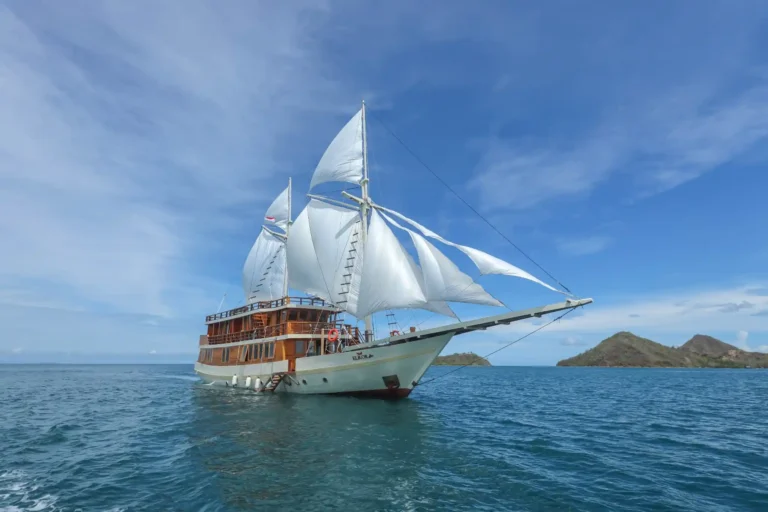
Now that you know when and where the best time to enjoy the manta ray season in Komodo is, as well as important tips for a safe and fun snorkeling or diving experience, why not make your trip even more special by choosing Visit labuan baj0 as your tour partner?
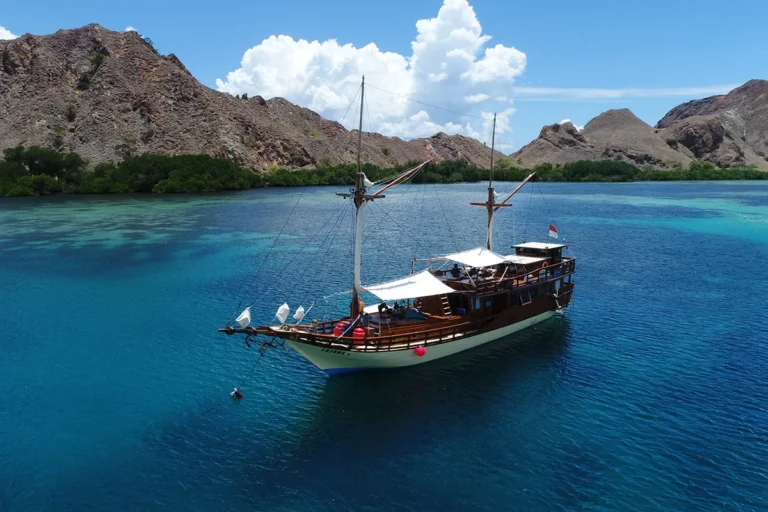
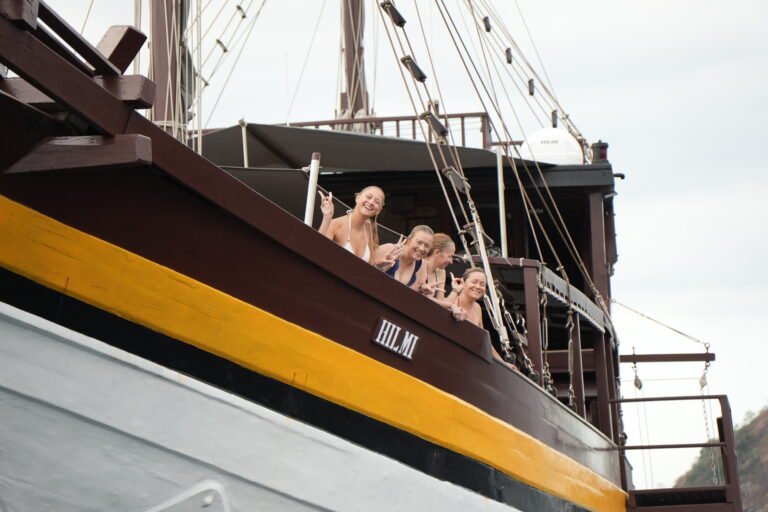
Komodo Luxury offers exclusive tour packages to various favorite manta ray spots, including Manta Point and Mawan Island, with professional guides and top-notch facilities. You can enjoy your underwater adventure in comfort and safety, while also learning more about Komodo’s unique marine ecosystem.