Overview of Komodo Island
Komodo Island, located within Indonesia’s Lesser Sunda Islands, is a remarkable destination known for its stunning landscapes and unparalleled biodiversity. This island is a part of the Komodo National Park, which is recognized as a UNESCO World Heritage Site due to its unique ecosystems and conservation efforts. The geographical coordinates of Komodo Island place it between Sumbawa and Flores, spanning approximately 390 square kilometers.
The island is most famous for being the natural habitat of the Komodo dragon (Varanus komodoensis), the largest extant lizard in the world. These iconic reptiles can grow up to 10 feet in length and weigh over 150 pounds. Visitors to Komodo Island often embark on guided treks to observe these fascinating creatures in their natural environment, enhancing their travel experience with a touch of adventure. Beyond the dragons, the island is also home to a diverse array of wildlife, including various bird species, mammals, and reptiles, making it an appealing destination for nature enthusiasts.
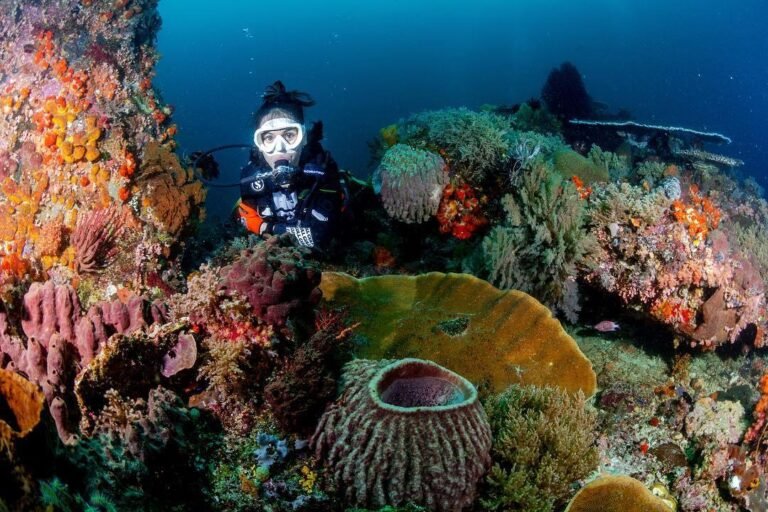
In addition to the terrestrial wonders, Komodo Island boasts captivating marine biodiversity. The surrounding waters are renowned for their rich coral reefs, which provide a vibrant habitat for an array of marine life, including turtles, manta rays, and various fish species. Snorkeling and diving are popular activities, allowing visitors to explore the underwater world that complements the island’s terrestrial offerings.
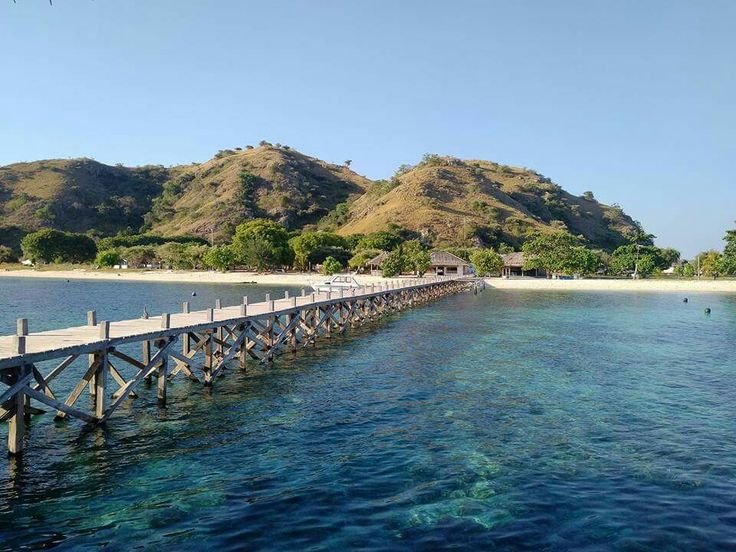
The island’s landscapes are equally breathtaking, featuring rugged hills, pristine beaches, and dramatic cliffs that provide panoramic views of the Indian Ocean. This combination of rich biodiversity and stunning natural beauty solidifies Komodo Island’s status as a must-visit destination for travelers seeking unique experiences in a remarkable setting.
Getting to Komodo Island
Reaching Komodo Island, renowned for its stunning landscapes and biodiversity, typically begins at the nearest significant transportation hub, Labuan Bajo, on the island of Flores. This small town serves as the primary gateway to Komodo National Park and offers a range of travel options to facilitate onward journeys to the island.
The most common method of reaching Komodo Island is by taking a direct flight from major Indonesian cities, including Jakarta and Bali, to Labuan Bajo Airport (also known as Komodo Airport). Numerous airlines operate regular flights, making it relatively straightforward for travelers. Upon arrival at the airport, visitors may need to obtain their permits for entry into Komodo National Park, which can typically be arranged at the airport or in town.
Once in Labuan Bajo, travelers have several options for reaching Komodo Island. Ferry services are available, with frequent departures heading to the park. These ferries can take approximately 1.5 to 2 hours, depending on sea conditions. Various companies offer daily ferry services, ensuring access for those planning day trips or longer stays. Alternatively, chartering a private boat provides a more personalized experience, allowing travelers to explore the surrounding islands at their leisure. Many local tour operators provide these services, enhancing the travel experience with the option to include guided excursions and diving trips.
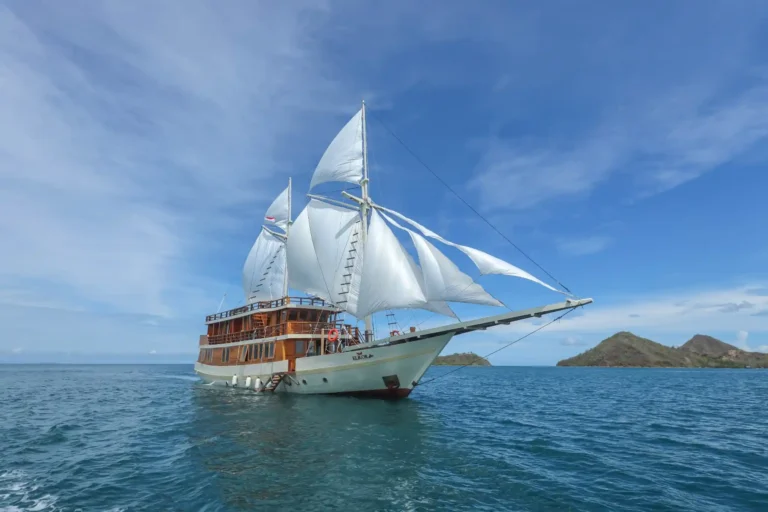
For those opting for a more adventurous route, liveaboard trips are another appealing option. These cruises allow travelers to stay overnight on a boat, offering an extensive exploration of the national park’s offerings, including diving and trekking experiences. Regardless of the chosen method of transport, planning ahead is advisable, particularly during peak tourism seasons when availability may be limited. Thus, thorough research and early booking can significantly enhance your journey to Komodo Island.
Activities and Attractions on Komodo Island
Komodo Island is renowned for its breathtaking landscape and diverse wildlife, making it a top destination for adventurers and nature enthusiasts alike. One of the most iconic activities available is trekking through Komodo National Park. This unique experience allows travelers to encounter the famed Komodo dragons in their natural habitat. Guided tours are available, providing fascinating insights into the behaviors and ecology of these remarkable reptiles while ensuring the safety of both the visitors and the dragons.
Besides dragon encounters, the island boasts some of the world’s most extraordinary diving and snorkeling spots. The surrounding waters are rich in marine biodiversity, exhibiting vibrant coral reefs and various fish species. Dive operators offer a range of excursions suitable for all skill levels, ensuring that both beginners and experienced divers can explore the underwater wonders. Popular dive sites such as Batu Bolong, Castle Rock, and Manta Point are often highlighted for their spectacular marine life and clear visibility.
read more: Best Coral Reefs to Explore in Labuan Bajo
For those who prefer hiking, Komodo Island offers a variety of scenic trails, providing opportunities to discover stunning vistas and unique flora. Trekking to the summit of Padar Island is a particularly breathtaking experience, where panoramic views reveal the beauty of the archipelago. The trek is moderately challenging but rewards hikers with remarkable sights, especially at sunrise or sunset, when the landscape is bathed in golden light.
In addition to these activities, visitors can engage in cultural experiences, interacting with the local communities and learning about their traditions and way of life. This provides a well-rounded experience, blending adventure with cultural enrichment. Overall, the plethora of activities and attractions on Komodo Island guarantees unforgettable memories and enriching discoveries for every traveler.
Travel Tips and Recommendations
Komodo Island, renowned for its stunning landscapes and the majestic Komodo dragons, offers travelers a unique blend of adventure and cultural experiences. To ensure a fulfilling visit, it is essential to consider several travel tips and recommendations.
The best time to visit Komodo Island is during the dry season, which typically spans from April to December. This period not only boasts pleasant weather but also optimal conditions for outdoor activities such as trekking, diving, and snorkeling in the crystal-clear waters surrounding the island.
When it comes to accommodation, options range from luxurious resorts to budget-friendly lodges. Popular areas to stay include Labuan Bajo, the gateway to Komodo Island, where travelers can find various hotels and guesthouses catering to different budgets. It is advisable to book accommodations in advance, particularly during peak tourist seasons, to secure the best rates and availability.
Health and safety should be a top priority while traveling to such a remote location. It is wise to consult with a healthcare provider to discuss necessary vaccinations and medications, especially for tropical conditions. Additionally, carrying a basic first-aid kit is advisable, along with sufficient water and snacks during excursions, as resources may be limited on the island.
Cultural etiquette is also essential for fostering respectful interactions with the local communities. Visitors should be aware that traditional ceremonies and daily life practices might differ greatly from their own. Dressing modestly, asking for permission before taking photos of people, and participating in local customs can enhance interactions and leave a positive impression.
Ultimately, these tips serve to empower travelers, equipping them with the knowledge necessary for a safe, enjoyable, and respectful experience on Komodo Island, all while preserving its unique environment and cultural richness.