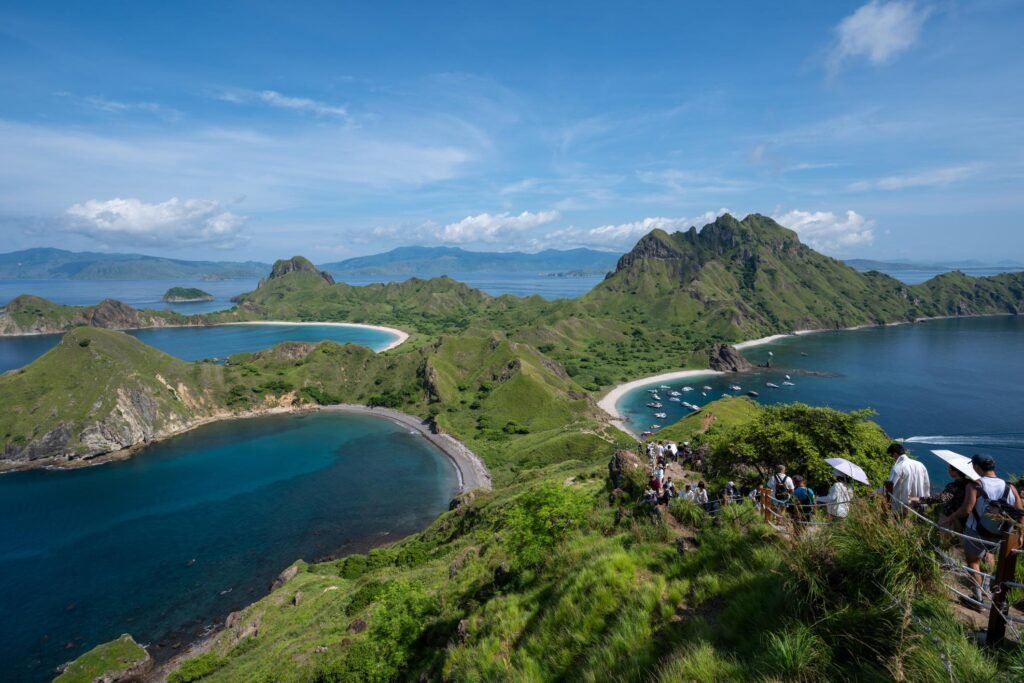
The Hidden Side of Labuan Bajo: Discovering the Untold Treasures
Labuan Bajo is a picturesque fishing town located on the western tip of Flores, one of the islands in Indonesia’s East Nusa Tenggara province. This strategic geographical location, positioned along the route to the renowned Komodo National Park, has propelled Labuan Bajo into the spotlight as a prime tourist destination. The town serves as a gateway for travelers hoping to experience the park’s stunning biodiversity and the famous Komodo dragons, which has led to significant tourism growth over recent years.
Visitors are often captivated by Labuan Bajo’s breathtaking landscapes, which include pristine beaches, clear turquoise waters, and rich marine life. Its surroundings of rugged hills and lush greenery offer breathtaking views and opportunities for outdoor activities such as hiking and diving. The vibrant local culture, characterized by the traditions and customs of the Manggarai people, adds to the town’s allure, attracting a diverse range of tourists.
Despite its rising popularity, perceptions of Labuan Bajo can vary significantly among travelers. Some view it primarily as a transitional point for reaching more remote islands, perhaps not giving it the recognition it deserves for its unique charm and local experiences. Others find themselves enchanted with the vibrant nightlife, local markets, and culinary offerings that reflect both traditional Indonesian dishes and contemporary influences. This juxtaposition of perceptions—viewing Labuan Bajo strictly as a gateway versus embracing it as a destination in its own right—offers a multifaceted aspect of this captivating town that merits exploration.
The Cultural Heritage of Labuan Bajo
Labuan Bajo, a picturesque town located in the eastern part of Indonesia, serves not only as a gateway to the stunning Komodo National Park but also as a repository of rich and diverse cultural heritages. While many visitors flock to admire the natural beauty and unique wildlife, it is essential to explore the indigenous traditions and customs that form the cornerstone of local identity.
The primary ethnic group in Labuan Bajo is the Manggarai people, who possess a rich tapestry of folklore and traditional rituals deeply intertwined with their daily lives. Their customs are often reflected in traditional ceremonies, particularly those related to harvest and marriage, which showcase intricate dances, music, and traditional attire. The vibrant community has managed to preserve these practices despite the encroaching influence of modernization.
One of the most notable cultural practices is the Pasola festival, which signifies the start of the farming season. This ceremony involves horseback riders throwing spears at each other in a celebratory and exhilarating ritual that emphasizes the importance of agriculture and community collaboration. Engaging with such local traditions allows visitors to understand the resilience and harmony of the culture in face of contemporary challenges.
In addition to festivals, Labuan Bajo is home to multiple traditional crafts that highlight the artistic skills of its local artists. The weaving of traditional ikat textiles is particularly prominent, with intricate patterns representing the stories and experiences of the people. Tourists are encouraged to visit local markets to appreciate these handmade products, contributing to the preservation of such cultural expressions.
Moreover, local communities often engage in storytelling, passed down through generations. Oral traditions provide insight into the history, values, and wisdom of the Manggarai, showcasing a culture where storytelling remains a pivotal aspect of communal life. By delving into the cultural heritage of Labuan Bajo, visitors can gain a deeper understanding of this enchanting destination, enriching their travel experience beyond its natural allure.
Nature Beyond Komodo National Park
While Komodo National Park garners significant attention for its iconic Komodo dragons and stunning marine biodiversity, the natural beauty surrounding Labuan Bajo extends well beyond its boundaries. The region is home to numerous islands and hidden beaches that are often overlooked, yet they offer breathtaking landscapes and unique ecosystems worth exploring.
One such gem is the island of Rinca. Although Rinca is part of the Komodo National Park, its lesser-known trails and vistas present a different perspective on the area’s wildlife and scenery. Here, visitors can encounter not only the famed Komodo dragons but also a diverse array of flora and fauna amidst dramatic landscapes. The hillsides are often carpeted with lush vegetation, and the panoramic views from the peak are truly mesmerizing.
Moving beyond the park, the island of Kanawa is a picturesque destination renowned for its pristine beaches and clear turquoise waters, making it a perfect spot for snorkeling and relaxation. Its coral reefs are teeming with vibrant marine life, attracting divers and beachgoers alike. The tranquility of Kanawa offers an idyllic escape from the busier tourist hotspots.
Other secluded islands, such as Kelor and Seraya, boast stunning beaches and unique ecosystems, often with fewer crowds. These islands provide opportunities for visitors to engage with the local environment more intimately, discover hidden coves, and enjoy uninterrupted moments of nature’s beauty. Unique wildlife such as various species of birds, reptiles, and marine life can be observed in their natural habitats, emphasizing the rich biodiversity that exists outside the boundaries of the national park.
In conclusion, the landscapes surrounding Labuan Bajo present a treasure trove of natural wonders, inviting adventurers and nature enthusiasts to explore its hidden treasures beyond the famed Komodo National Park. Each island brings its own unique charm, showcasing the untapped beauty of the region’s ecosystems and wildlife.
Local Cuisine and Culinary Experiences
Labuan Bajo, a town situated on the western tip of Flores Island, is not only famous for its stunning landscapes and incredible marine biodiversity but also for its vibrant culinary scene. The local cuisine reflects a rich tapestry of cultural influences, primarily incorporating seafood due to the town’s coastal location. Traditional dishes are often prepared using age-old techniques that highlight the flavors of locally sourced ingredients, making dining in Labuan Bajo a unique experience.
One of the most notable delicacies here is ikan bakar, or grilled fish, which is typically seasoned with a blend of rich spices native to the area. Visitors can explore various markets where fresh fish is sold and then grilled right in front of them, allowing for an immersive culinary experience. Another staple is bebek betutu, a traditional Balinese dish made from duck marinated in a mixture of spices and then wrapped in banana leaves for slow cooking. This not only infuses the meat with flavor but also keeps it tender and juicy.
The use of spices in Labuan Bajo’s cuisine can also be seen in dishes like sate lilit, where minced fish is combined with coconut and aromatic herbs and grilled on bamboo sticks. This pastry-like creation is often served with sambal, a spicy condiment that enhances its flavor profile. Vegetarians need not worry as Labuan Bajo also offers various plant-based dishes made from fresh vegetables and grains, representing the agricultural practices of the local farmers.
Tourists looking to deepen their culinary understanding can participate in cooking classes, where they learn traditional recipes and cooking techniques from local experts. These classes often highlight the importance of fresh produce and sustainable practices in today’s culinary landscape. Overall, indulging in the local cuisine of Labuan Bajo presents a perfect opportunity to connect with the community through their food and gain insight into the culture within this stunning region.
Engagement with Local Communities
Engaging with local communities is an integral aspect of sustainable tourism, particularly in destinations such as Labuan Bajo. Tourists visiting the region are provided with numerous opportunities to connect with local residents, enhancing their travel experience while also contributing positively to the local economy.
One of the most rewarding ways to engage is through cultural exchanges. Tourists can participate in workshops led by local artisans, where they can learn about traditional crafts such as weaving or pottery. These experiences not only foster a greater appreciation for local culture but also provide direct economic support to artisans and their families. By engaging in these practices, visitors can gain a more profound understanding of the heritage and traditions that shape Labuan Bajo’s identity.
Additionally, travelers can immerse themselves in the local gastronomy by taking cooking classes or dining at community-run eateries. These activities promote the preservation of regional culinary traditions and allow visitors to taste authentic flavors while supporting local farmers and suppliers. Such connections are vital for enhancing food security and generating income for families within the community.
Moreover, organized tours led by local guides provide insights into the rich biodiversity of Labuan Bajo and surrounding areas. Engaging with local guides allows tourists to learn about sustainable practices that are crucial for conserving the environment. By employing local guides, tourists not only gain valuable knowledge but also help create job opportunities within the community, ensuring that economic benefits are widely distributed.
Through these forms of interaction, tourists contribute to cultural preservation and sustainable development, ultimately fostering a harmonious relationship between visitors and local communities. As tourism in Labuan Bajo continues to grow, it is essential to prioritize and promote these engagement opportunities for a mutually beneficial experience.
Traditional Arts and Crafts
Labuan Bajo, a picturesque harbor town situated in the eastern part of Indonesia, is not only known for its breathtaking landscapes but also for its rich cultural heritage encapsulated in its traditional arts and crafts. The local artisans, skilled in various craft forms, play a vital role in preserving the artistic legacy of the region. Their creations tell stories and reflect the unique identity of the Labuan Bajo people, showcasing a vibrant blend of creativity and tradition.
Among the notable traditional art forms found in Labuan Bajo are intricate textile crafts, particularly woven fabrics called “tenun.” These textiles often incorporate vivid colors and distinctive patterns that are emblematic of the local culture. The process of weaving is a time-honored tradition passed down through generations, with each piece carrying unique cultural narratives. Artisans use traditional looms and techniques that have remained unchanged for centuries, ensuring each item is not only functional but also a work of art.
In addition to textiles, Labuan Bajo is also renowned for its woodcraft, where artisans skillfully transform local woods into detailed sculptures and decorative items. The craftsmanship observed in these pieces is a testament to the artisans’ deep understanding of their materials and the natural environment. Moreover, the local communities often incorporate natural dyes from indigenous plants to enhance the aesthetic appeal of their handicrafts, promoting the use of sustainable practices in their art forms.
Visitors to Labuan Bajo have the opportunity to interact with these talented artisans and even participate in workshops, allowing them to appreciate the effort that goes into creating each piece. Through these engagements, travelers can gain a deeper understanding of the cultural significance behind the artwork, as well as support the local economy. Traditional arts and crafts in Labuan Bajo are not merely items to be bought; they are an integral part of the community’s identity and heritage.
Sustainable Tourism Practices
Labuan Bajo, a stunning harbor town in Indonesia, is rapidly gaining recognition as a prime destination for travelers seeking both adventure and tranquility. Its breathtaking landscapes, vibrant marine life, and rich cultural heritage create a unique travel experience. However, with the influx of tourists, there is an increasing responsibility to implement sustainable tourism practices to preserve this idyllic location for future generations.
Travelers play a crucial role in minimizing their impact on the local environment. One of the foremost practices visitors should adopt is to respect local ecosystems. This can be achieved by refraining from contributing to pollution, such as littering and using single-use plastics. Instead, tourists are encouraged to utilize reusable bags, water bottles, and containers while exploring the pristine beaches and forests surrounding Labuan Bajo.
Moreover, supporting local businesses not only enriches a traveler’s experience but also benefits the community economically. Choosing locally-owned accommodation, dining at local restaurants, and participating in cultural excursions helps generate income for residents and ensures that the profits remain within the community. Travelers can also engage in eco-friendly tours, which emphasize conservation and educate participants about responsible practices, such as coral reef protection and wildlife conservation.
Another effective way to engage in sustainable tourism is through responsible wildlife interactions. Labuan Bajo is famous for diving and snorkeling in the Komodo National Park, home to diverse marine species. Visitors should follow guidelines to avoid disturbing wildlife and ensure the delicate marine habitats are preserved. Exercises such as not stepping on coral or feeding aquatic animals can significantly impact the health of these ecosystems.
Through conscious choices and actions, travelers can enjoy the mesmerizing beauty of Labuan Bajo while actively participating in sustainable tourism practices. This commitment not only enhances their travel experience but also aids in safeguarding the pristine environment that makes Labuan Bajo a treasured destination.
Adventure Activities Beyond the Norm
Labuan Bajo, renowned for its stunning landscapes and vibrant marine biodiversity, offers a plethora of adventure activities that extend beyond typical tourist attractions. For those seeking to immerse themselves in nature, hiking in the surrounding hills and parks is a must. Trails leading to hidden viewpoints provide breathtaking panoramas of the Komodo National Park and surrounding islands, delivering an outdoor experience that is rewarding both physically and visually.
Moreover, kayaking in the pristine waters of Labuan Bajo is another exhilarating way to explore its uncharted territories. Armed with a kayak, individuals can navigate through secluded coves and lagoons, discovering hidden beaches that are often overlooked by the average visitor. Gliding silently over calm waters not only allows for a unique perspective of the islands but also provides opportunities to encounter local wildlife, including dolphins and various bird species.
Snorkeling in less-traveled spots around the region reveals an underwater world teeming with life. Unlike the popular coral gardens near popular dive sites, secret locations boast untouched reefs, offering a captivating marine experience without the hustle and bustle of tourist crowds. The vibrant coral reefs and diverse aquatic life below the surface present an opportunity for both novice snorkelers and seasoned divers to appreciate the wonders of the ocean ecosystem in relative peace.
Additionally, there are opportunities for rock climbing, with cliffs dotting the various islands, presenting challenges that thrill adventure enthusiasts. Engaging in these activities not only enriches one’s travel experience but also fosters a deeper connection with Labuan Bajo’s natural beauty. By exploring these diverse adventure activities, visitors discover the hidden treasures that make Labuan Bajo a remarkable destination for outdoor exploration.
Embracing the Lesser-Known Aspects of Labuan Bajo
As travelers increasingly seek unique experiences, understanding the lesser-known aspects of Labuan Bajo becomes paramount. Although this Indonesian gem is renowned for its breathtaking landscapes and vibrant marine life, it is the hidden treasures that truly define its character. Exploring beyond the popular attractions not only enriches one’s travel experience but also offers an authentic glimpse into the local culture, traditions, and everyday life of the residents.
Labuan Bajo is not just a gateway to Komodo National Park; it is a place where one can find charming local markets, serene beaches untouched by mass tourism, and community events that showcase the island’s rich heritage. Engaging with the locals, savoring traditional cuisine, and participating in local festivities allow travelers to connect on a deeper level. This engagement with the culture leads to rewarding experiences that are often missed by those who stick to mainstream attractions.
Furthermore, embracing the lesser-known sides of Labuan Bajo fosters sustainable tourism practices. Visitors who prioritize the lesser-explored facets contribute to the local economy and encourage the preservation of cultural traditions. By venturing off the beaten path, travelers can support small businesses and initiatives that prioritize environmental conservation and community welfare.
Ultimately, Labuan Bajo offers an abundance of opportunities for those willing to delve into its hidden aspects. By exploring its lesser-known treasures, travelers can create memorable journeys that transcend ordinary tourism. Hence, it is encouraged to approach this destination with an open mind and a spirit of adventure, leading to a more fulfilling, genuine travel experience.
Frequently Asked Questions About Labuan Bajo
1. Where is Labuan Bajo located?
Labuan Bajo is located on the western tip of Flores Island in East Nusa Tenggara, Indonesia. It serves as the main gateway to Komodo National Park.
2. What is Labuan Bajo famous for?
Labuan Bajo is famous for Komodo National Park, Komodo dragons, Padar Island, Pink Beach, world-class diving, snorkeling, luxury Phinisi cruises, and breathtaking island landscapes.
3. When is the best time to visit Labuan Bajo?
The best time to visit Labuan Bajo is during the dry season, from April to October, when the weather is ideal for island hopping, diving, hiking, and wildlife encounters.
4. How many days should I spend in Labuan Bajo?
Most travelers spend 3 to 5 days in Labuan Bajo to explore Komodo National Park, enjoy island-hopping tours, dive or snorkel, and experience the local culture.
5. What are the top attractions in Labuan Bajo?
Popular attractions include Komodo Island, Padar Island, Pink Beach, Manta Point, Taka Makassar, Kanawa Island, Rangko Cave, Cunca Wulang Waterfall, and Batu Cermin Cave.
6. Is Labuan Bajo worth visiting?
Yes. Labuan Bajo is one of Indonesia’s top travel destinations, offering spectacular scenery, diverse marine life, unique wildlife, authentic culture, and unforgettable outdoor adventures.
7. Can you visit Komodo National Park from Labuan Bajo?
Yes. Labuan Bajo is the primary departure point for day trips, liveaboard cruises, private speedboat tours, and luxury Phinisi cruises to Komodo National Park.
8. Is Labuan Bajo good for diving and snorkeling?
Absolutely. Labuan Bajo offers access to some of the world’s best dive sites, including Batu Bolong, Castle Rock, Crystal Rock, Manta Point, and vibrant coral reefs filled with marine life.
9. What local foods should I try in Labuan Bajo?
Visitors should try fresh seafood, grilled fish, ikan kuah asam, seafood satay, local coffee, and traditional Manggarai dishes prepared with regional spices and ingredients.
10. Is Labuan Bajo suitable for families and couples?
Yes. Labuan Bajo is an excellent destination for families, honeymooners, and adventure seekers, offering luxury cruises, private island tours, beach relaxation, cultural experiences, and family-friendly activities.