welcome to Komodo Island
Komodo Island, situated within Indonesia’s Lesser Sunda Islands, is a remarkable destination renowned for its breathtaking landscapes and unique wildlife. This picturesque island is part of the Komodo National Park, established to protect the native Komodo dragons, which are the world’s largest lizards. Accessible via boat from nearby islands such as Flores, Komodo Island offers a glimpse into an ecosystem that is both diverse and fragile.
This island holds significant ecological value, being home to a variety of plant and animal species, many of which are endemic to the region. The Komodo dragon, a true highlight of the island, can grow up to 10 feet in length and weigh over 150 pounds. Visitors to the island often come to witness these majestic creatures in their natural habitat, where they roam freely and contribute to the delicate balance of the island’s ecosystem.

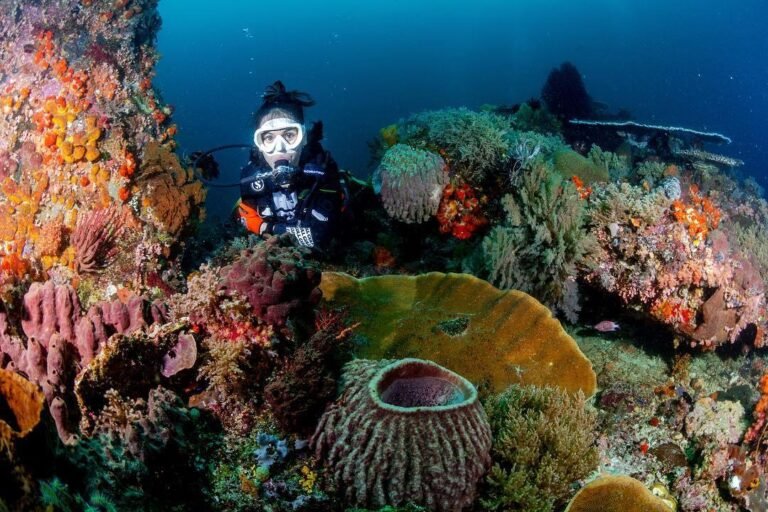
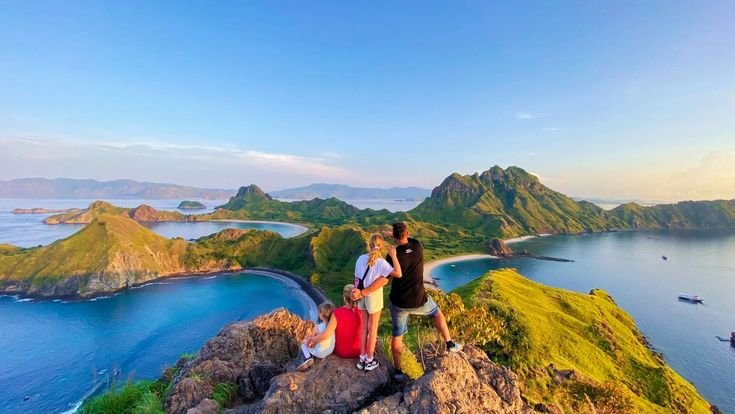
In addition to the Komodo dragons, the island boasts spectacular geological features, including hills covered in savannah and rugged cliffs overlooking pristine beaches. The regions surrounding Komodo Island are also celebrated for their vibrant coral reefs, providing ample opportunities for diving and snorkeling enthusiasts. Here, one can explore underwater landscapes teeming with diverse marine life, making it an excellent spot for eco-tourism and adventure seekers alike.
Furthermore, the cultural significance of the island should not be overlooked; the local communities, including the indigenous Komodo people, contribute to the rich tapestry of traditions and customs that visitors can engage with. From the stunning scenery to the unique wildlife, Komodo Island is an essential stop for travelers looking to experience Indonesia’s extraordinary natural heritage and culture.
Best Time to Visit Komodo Island
When considering a trip to Komodo Island, it is essential to identify the optimal time to visit in order to make the most of your experience. The island’s climate is influenced by the monsoon season, offering distinct variations between the dry and wet months. Generally, the dry season, which lasts from April to December, is regarded as the ideal period to visit. During these months, visitors can enjoy pleasant weather, clearer skies, and reduced chances of rain, making it perfect for exploration.
read more:Articles – Visit Labuan Bajo Komodo
The best months for diving, one of the most sought-after activities on the island, typically fall between April and June, and also from September to November. These times present the clearest visibility and the richest marine life, making diving an extraordinary experience. Moreover, it is during these months that divers can witness vibrant coral reefs and a plethora of marine species, including the elusive manta rays and the majestic Komodo dragons.
Trekking on Komodo Island is also highly enjoyable during the dry season; pathways are less slippery and more navigable. The peak tourist season generally occurs from June to September, attracting travelers from around the globe. While this period offers a lively atmosphere and many opportunities to meet fellow adventurers, be prepared for larger crowds at popular spots.
If you prefer a quieter experience and wish to avoid the tourist rush, planning your trip at the beginning or end of the dry season is advisable. This timing offers all the allure of Komodo Island—its stunning landscapes and diverse wildlife—while still remaining manageable in terms of tourist traffic. Ultimately, choosing the best time to visit Komodo Island enhances your experience, allowing you to immerse yourself in the island’s natural beauty and culture.
How to Get to Komodo Island
Reaching Komodo Island requires planning and consideration as it is situated in a remote part of Indonesia, primarily accessible by air and sea. Visitors typically begin their journey from Bali or Flores, the nearest major islands. To start your adventure, flying into Labuan Bajo, the town on Flores Island, is the most recommended option. Numerous airlines provide regular flights from Bali to Labuan Bajo, with a flight time of approximately one hour. Prices for these flights can vary based on the season, so early booking is advisable to secure the best rates.

Upon arriving in Labuan Bajo, travelers can choose to reach Komodo Island via ferries or speedboats. The public ferries run daily, and though they are the most economical option, they can take up to six hours. Alternatively, speedboats are available for hire, significantly reducing travel time to around 30 to 90 minutes, depending on the service. Traveling by speedboat might be costly, yet it offers a more direct and faster way to reach the island. It is important to confirm schedules and availability ahead of time, as they may fluctuate due to weather conditions or demand.
An increasing number of tour operators in Labuan Bajo offer organized tours to Komodo Island, which often include transportation, meals, and guided activities, helping to simplify the logistics. Choose a tour package based on your preferences and budget, ensuring that you consider the itinerary and what’s included. Moreover, keep in mind that entry to Komodo National Park requires a separate entrance fee, which contributes to conservation efforts in the area. Whichever travel choice you select, detailed research and planning will ensure a seamless trip to Komodo Island.
Accommodation Options on Komodo Island
When planning your trip to Komodo Island, selecting the right accommodation is vital for a fulfilling experience. The island offers a diverse range of options that cater to different preferences and budgets. From luxurious resorts to more modest hostels, travelers can find suitable settings for their stay.
For those seeking a higher-end experience, luxury resorts like the Komodo Resort and the Ayana Komodo Resort are excellent choices. These establishments typically offer stunning ocean views, exceptional service, and top-notch amenities such as infinity pools, fine dining, and spa services. Booking a stay at one of these resorts not only guarantees comfort but also provides easy access to various tours and activities around the island.
If you are on a tighter budget, consider staying at guesthouses or budget hostels. Many of these accommodations are located in the main town of Labuan Bajo, which serves as the primary gateway to Komodo Island. Options such as the Bajo Komodo Eco Lodge and La Cabana provide both economical rates and a friendly atmosphere, allowing you to immerse yourself in the local culture while saving money.
When booking your accommodation, it is advisable to consider the location. Staying near the harbor can offer the convenience of easy access to day tours and boat trips to explore the famous Komodo National Park. Additionally, ensure that the accommodation you choose has essential amenities such as Wi-Fi, air conditioning, and complimentary breakfasts, especially if you plan to stay for several days. Reading reviews prior to booking can also provide valuable insights into the quality of service and facilities.
visit package :Visit Komodo – Visit Labuan Bajo Komodo
In conclusion, the variety of accommodation options on Komodo Island ensures that all travelers can find a place that suits their needs. Whether you prefer the luxury of a resort or the charm of a budget hostel, planning ahead will help you secure ideal lodging for your adventure on this stunning island.
Essential Activities and Attractions
When embarking on a journey to Komodo Island, visitors are greeted with a plethora of activities and attractions that promise a unique and memorable experience. One of the primary highlights is trekking to see the famed Komodo dragons. As the largest living lizard species, these prehistoric creatures can only be found in the wild on a few islands in Indonesia, including Komodo. Guided tours allow adventurers to observe these fascinating reptiles in their natural habitat, providing insights into their behavior and the conservation efforts in place to protect them. Trekking offers not just the thrill of encountering the dragons but also an opportunity to immerse oneself in the stunning natural landscapes of the island.
In addition to trekking, the surrounding waters of Komodo Island are renowned for their exceptional snorkeling and diving experiences. The underwater biodiversity here is unparalleled, featuring vibrant coral reefs teeming with marine life. Divers can encounter manta rays, turtles, and a myriad of colorful fish while exploring sites like Manta Point and Batu Bolong. Snorkeling options are also accessible for those who prefer a more relaxed approach. These aquatic adventures provide a look into the rich ecosystem that exists beneath the ocean’s surface.
For those who enjoy land exploration, hiking scenic trails offers breathtaking views of the rugged terrain. Certain trails lead to panoramic viewpoints that showcase the stunning landscapes of the island and its surrounding islets. Sunrise and sunset hikes are particularly popular, allowing participants to witness the beauty of the skies transforming over the horizon. Each of these activities on Komodo Island is distinctive and contributes to the allure of visiting this remarkable destination.
Cultural Insights and Local Practices
Komodo Island is not only famous for its unique wildlife but also for its rich cultural tapestry woven by the local communities. The indigenous people of Komodo Island, primarily the Bajo and Komodo tribes, have a deep-rooted connection with their surroundings, which reflects in their traditions and daily practices.
One hallmark of Komodo culture is its traditional cuisine, which prominently features fresh seafood due to the island’s fishing heritage. Dishes often include grilled fish, a variety of shellfish, and local vegetables, all seasoned with aromatic spices. Visitors to the island should consider sampling these culinary delights; however, it is respectful to ask locals for recommendations, as food is a significant aspect of their hospitality.
Festivals are pivotal in the cultural calendar of Komodo Island, offering insights into local customs and traditions. The annual festival commemorating the local fishermen showcases vibrant traditional dances and music, creating an engaging atmosphere for both locals and tourists. Participation or observation of these events can offer valuable interaction with the community, fostering mutual respect and understanding.
Furthermore, visitors are encouraged to engage with local traditions respectfully. A simple greeting in the local language, such as ‘Selamat Siang’ for good afternoon, can create an immediate connection. It is essential to dress modestly when visiting local villages and to adhere to community customs, particularly during ceremonial occasions.
Understanding and respecting the cultural nuances of Komodo Island not only enriches the travel experience but also promotes sustainable interactions between tourists and locals. Encounters with the islanders can lead to a deeper appreciation of their way of life, encouraging responsible tourism as a means to support the preservation of their rich cultural heritage.
Safety Tips for Visiting Komodo Island
When planning a visit to Komodo Island, ensuring your safety and well-being should be a priority. This stunning destination, renowned for its breathtaking landscapes and unique wildlife, also requires visitors to be vigilant. Here are some essential safety tips to consider.
First and foremost, health precautions are crucial. The tropical climate can make visitors susceptible to various health issues. Vaccinations for diseases such as hepatitis A and typhoid fever are recommended. Additionally, consider bringing a travel health kit that includes basic medical supplies, insect repellent to ward off mosquitoes, and sunscreen to protect against UV rays.
Wildlife safety is paramount, especially when encountering the Komodo dragon, the island’s most famous inhabitant. Despite their fearsome reputation, these large reptiles are generally not aggressive unless provoked. Thus, it is imperative to adhere closely to the guidelines set by park rangers when observing these creatures. Always maintain a safe distance, ideally at least seven meters away, and never approach their nests, which can be easily misidentified as regular areas of the park.
In addition to adhering to wildlife safety protocols, general safety during hikes and marine activities is also essential. Ensure you follow marked trails to avoid getting lost. Always hike with a guide, as they can provide insights and enhance your safety. For those engaging in marine activities such as snorkeling or diving, ensure you are experienced or accompanied by a certified guide. Use proper equipment and take note of weather conditions, as they can change rapidly in tropical areas.
By taking these precautions and respecting the natural environment, your visit to Komodo Island can be a safe and memorable experience. Keep these safety tips in mind to protect yourself and enjoy all the wonders this unique destination has to offer.
Environmental Considerations and Conservation Efforts
Komodo Island is part of the UNESCO World Heritage-listed Komodo National Park, which is renowned for its exceptional biodiversity and unique ecosystems. The island is home to the famous Komodo dragon, as well as a rich variety of flora and fauna, both terrestrial and marine. The park’s diverse habitats, ranging from mangroves to coral reefs, create an essential environment for a range of species, many of which are endemic. Thus, the ecological significance of Komodo Island cannot be overstated, as these ecosystems provide crucial environmental functions, including tourism and natural resource support.
In light of the ecological importance of Komodo Island, numerous conservation efforts have been established to protect both the wildlife and habitats within the national park. Local authorities, non-profit organizations, and international partners work collaboratively on initiatives that aim to preserve the area’s biodiversity. These initiatives include habitat restoration projects, anti-poaching surveillance, and community-based conservation programs designed to involve local residents in protecting their natural surroundings.
Tourism plays a significant role in supporting these conservation efforts. Visitors to Komodo Island can contribute to environmental preservation by adhering to responsible tourism practices. This includes following park regulations, minimizing waste, and refraining from disturbing wildlife. Choosing to engage in eco-friendly activities—such as guided nature walks, sustainable diving experiences, and educational tours—further promotes awareness and aids in the protection of the island’s delicate ecosystems.
Ultimately, ensuring the sustainability of Komodo Island’s natural treasures requires ongoing commitment from all stakeholders, including tourists. By understanding the environmental considerations and the conservation activities in place, visitors can play a crucial part in helping to safeguard the ecological integrity of this magnificent region.

As we conclude this comprehensive guide on visiting Komodo Island, it is essential to reflect on the key considerations outlined throughout the article. This Indonesian paradise is renowned for its breathtaking landscapes, unique wildlife, and rich cultural experiences. Each aspect of the journey from planning to execution plays a crucial role in ensuring a memorable trip. Planning ahead cannot be overstated. Travelers should invest time in researching the best seasons to visit, necessary permits for national parks, and suitable tour operators. Understanding the geography and climate will enhance your experience and help you pack appropriately, ensuring comfort during your stay. Additionally, familiarizing yourself with local customs and practices is paramount to fully immersing yourself in the culture while showing respect to the indigenous communities. Choosing the right activities is another vital component of your itinerary. Whether you are interested in hiking to see the Komodo dragons, snorkeling in pristine waters, or exploring local villages, having a well-rounded plan will maximize your experience. Make sure to engage in eco-friendly practices during your visit to preserve the delicate balance of this unique ecosystem. For those eager to witness the stunning natural wonders of Komodo Island and its surrounding areas, taking part in guided tours led by knowledgeable locals can provide invaluable insights and ensure a responsible approach to this beautiful setting. In summary, by effectively planning your trip and acting in a responsible manner, you will not only enjoy the myriad delights Komodo Island has to offer but also contribute to the sustainability of its wondrous environment. We hope this guide equips you with the essential information needed for your journey. Embrace the adventure and make lasting memories on Komodo Island and beyond.