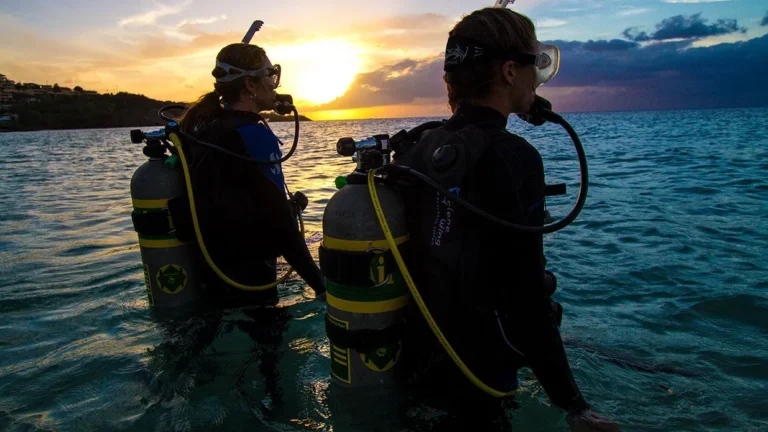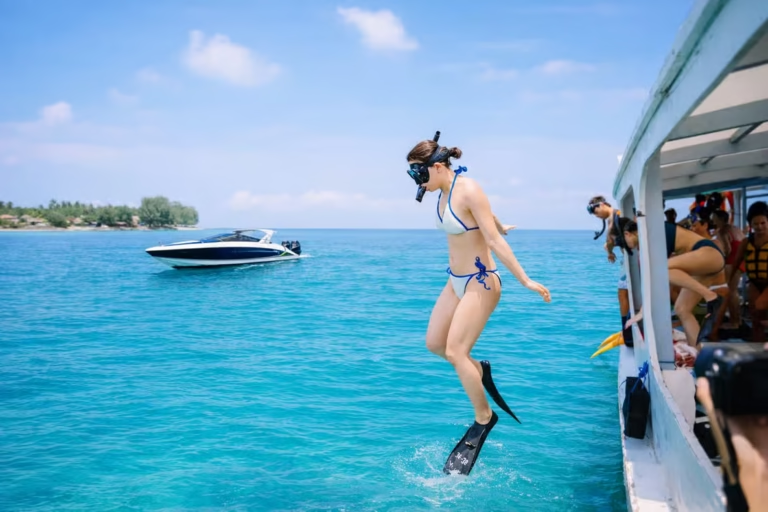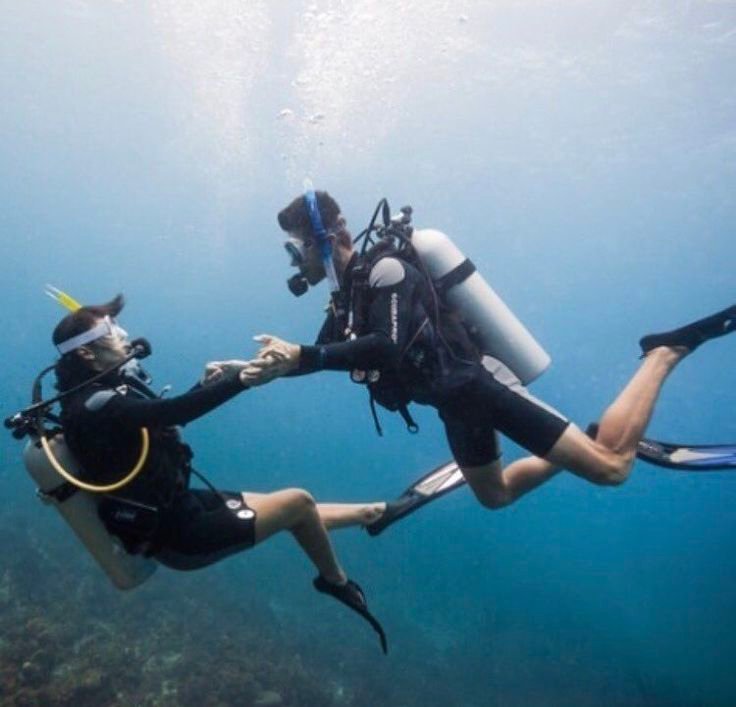
Exploring the Underwater Labuan Bajo’s Marine Biodiversity
Labuan Bajo, a small fishing town located in the western part of Flores, Indonesia, serves as a vital gateway to the renowned Komodo National Park. This region is characterized by its unique geographical location, positioned in the heart of the Coral Triangle, which is recognized as one of the most biodiverse marine areas in the world. The mix of warm tropical waters and intricate underwater topography creates an ideal environment for a vast array of marine species, making Labuan Bajo a haven for divers and marine enthusiasts alike.
The vibrant marine life around Labuan Bajo is a true testament to its rich ecosystems. Coral reefs flourish in these waters, providing habitat for a multitude of species, from colorful reef fish to larger pelagic creatures. These coral environments are supported by various ecological structures, including mangroves and sea grass beds, which further enhance the biodiversity of the area. Such ecosystems not only serve as a breeding ground for young marine life but also act as crucial carbon sinks, highlighting their importance in managing climate change impacts.

The lush underwater landscapes of Labuan Bajo are home to numerous fascinating creatures. Divers exploring these depths may encounter majestic manta rays, playful dolphin pods, and the enchanting sea turtles that frequent the waters. Each dive unveils stunning scenes of life, with coral gardens teeming with countless species that coexist within this intricate network of marine biodiversity. Consequently, Labuan Bajo has gained recognition as a prime diving destination, attracting both novices and seasoned divers eager to experience its underwater spectacle. The importance of conservation in this region cannot be overstated, as it ensures that this remarkable biodiversity can be preserved for future generations to explore and enjoy.
The Enigmatic Coral Reefs of Labuan Bajo
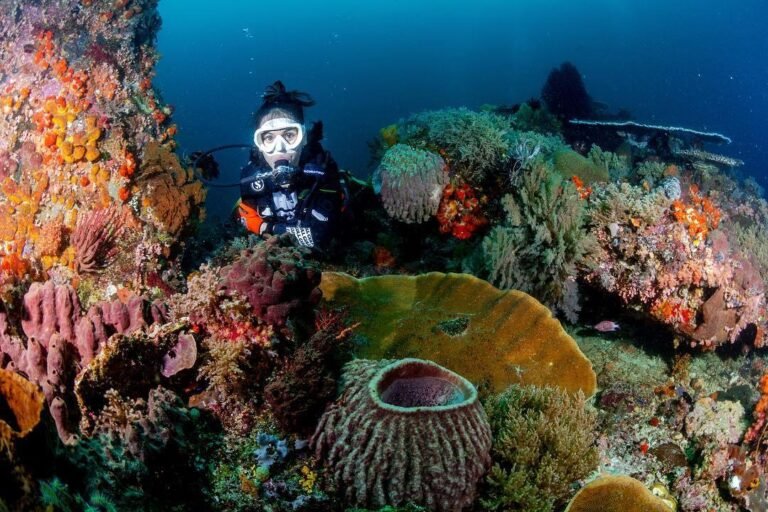
Labuan Bajo, located on the western tip of Flores Island in Indonesia, is renowned for its stunning coral reefs that contribute significantly to the region’s marine biodiversity. These coral reefs are not only aesthetically pleasing but also serve as vital ecosystems that support a wide variety of marine life. The reefs of Labuan Bajo are primarily composed of hard and soft corals belonging to various species, including Acropora, Pocillopora, and Gorgonia. The intricate structures created by these corals provide essential habitats for countless species of fish, mollusks, and other aquatic organisms.
The ecological significance of coral reefs in Labuan Bajo cannot be overstated. They act as nurseries for young fish, offering shelter and food as they grow. Additionally, coral reefs play a crucial role in maintaining the health of marine ecosystems by contributing to nutrient cycling and serving as a buffer against coastal erosion. The vibrant colors and diverse shapes of the corals contribute to the mesmerizing underwater scenery, attracting divers and snorkelers from all over the world, eager to explore this underwater paradise.
read more:Premium Diving Experiences in Komodo National Park
Despite their ecological importance, the coral reefs of Labuan Bajo face numerous threats. Climate change, resulting in rising sea temperatures and ocean acidification, poses a significant risk to the health of these reefs. Additionally, local activities such as overfishing, pollution, and unsustainable tourism practices further exacerbate the challenges facing these delicate ecosystems. In response to these threats, various conservation efforts have been initiated to protect and restore the coral reefs of Labuan Bajo. Local and international organizations are working together to promote sustainable fishing practices, establish marine protected areas, and increase community awareness regarding the importance of preserving coral reef ecosystems.
Unique Marine Species Encountered Under the Waves
Labuan Bajo, located on the western tip of Flores, Indonesia, serves as a gateway to some of the most majestic underwater experiences in the world. The warm, crystal-clear waters surrounding this area are teeming with unique marine life that divers and snorkelers can observe in their natural habitats. Among these marine species, manta rays are particularly iconic. Known for their impressive wingspan, mantas glide gracefully through the water, often allowing divers to swim alongside them. They are typically spotted during the months of April to November, especially around the sites of Manta Point and Komodo National Park.
Another remarkable species often encountered in these waters is the green sea turtle. These gentle reptiles may be seen foraging on seagrass beds or resting on coral reefs. With their distinctive, heart-shaped shell and a penchant for travel, green sea turtles offer an unforgettable sight to those exploring the underwater landscape. The best time to see them is from May to September, particularly around the islands of Padar and Rinca.
The vibrant aquatic life extends beyond these larger species, with a plethora of fish varieties enriching the local biodiversity. Colorful clownfish, angelfish, and parrotfish inhabit the coral reefs, exhibiting striking colors and behaviors that delight snorkelers and divers alike. Peak visibility for observing these fish occurs in the dry season months, from April to December, as the reefs become bustling hubs of activity.
In addition, renowned dive spots such as the Batu Bolong and Castle Rock continue to draw enthusiasts eager to experience the diverse marine ecosystem. Each dive location provides different encounters with various species, contributing to Labuan Bajo’s reputation as a prime destination for underwater wildlife exploration.
Guided Tours and Sustainable Practices in Marine Exploration
Labuan Bajo, a gateway to the pristine waters of Komodo National Park, presents a unique opportunity for marine exploration while emphasizing the importance of sustainability. As interest in underwater wildlife increases, it is essential for travelers to engage in activities that not only enhance their experience but also preserve the delicate marine ecosystems. Guided tours that highlight responsible practices play a crucial role in ensuring that marine tourism remains sustainable.
When choosing a tour operator, it is advisable to select those who are certified by local authorities and adhere to the best practices in terms of environmental conservation. Eco-friendly tour operators are committed to minimizing their impact on marine biodiversity, providing education about local ecosystems, and respecting wildlife. These operators often limit group sizes, which reduces the strain on marine environments and allows for a more intimate and respectful interaction with the underwater wildlife.
Travelers should also be aware of local regulations aimed at protecting marine habitats. Regulations may include designated snorkeling and diving zones to preserve coral reefs and restrictions on fishing practices in protected areas. Understanding and complying with these guidelines not only aids in conservation efforts but also enriches one’s experience by fostering a deeper connection with the marine landscapes.
Additionally, there are several actions that travelers can take to minimize their ecological footprint while exploring Labuan Bajo’s underwater marvels. Using reef-safe sunscreen, refraining from touching marine life, and avoiding single-use plastics are simple yet effective ways to contribute positively. By supporting sustainable marine tourism practices, visitors can ensure that future generations will also have the opportunity to witness the vibrant underwater wildlife of Labuan Bajo.