A Guide to Visiting Labuan Bajo
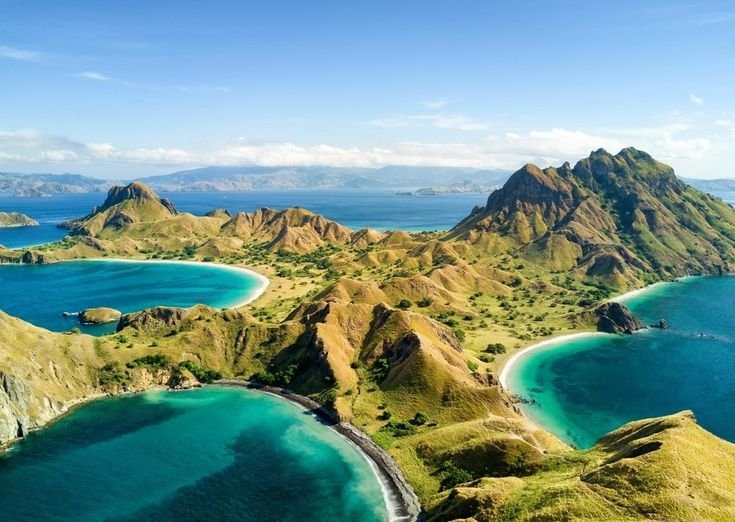
Komodo National Park, located in Indonesia, encompasses the stunning islands of Komodo, Rinca, and Padar, along with numerous smaller isles. Established in 1980 as a conservation area for the famed Komodo dragon, the park extends over 1,733 square kilometers, comprising both terrestrial and marine environments that are rich in unique biodiversity. Due to its significant ecological value, UNESCO designated it as a World Heritage Site in 1991.
The park not only takes pride in hosting the world’s largest lizard but also features a remarkable array of flora and fauna that thrives in its diverse habitats. Visitors can witness the ancient Komodo dragons roaming their natural habitats, which have earned this region global recognition. These reptiles can grow up to three meters in length and are essential to the park’s ecological balance.

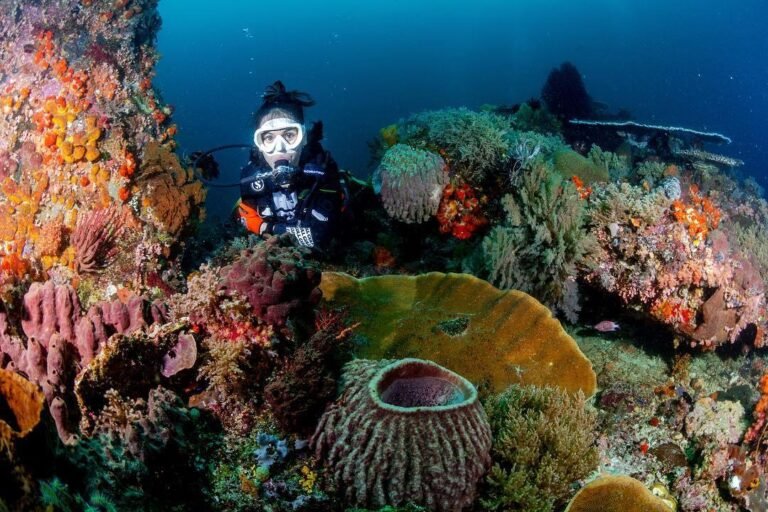
In addition to the Komodo dragons, the park is celebrated for its dramatic landscapes, characterized by rugged hills, pristine beaches, and crystal-clear waters. The vibrant marine life surrounding the islands draws divers and snorkelers from around the globe who come to explore the world-renowned coral reefs of Komodo National Park. The rich underwater ecosystems boast over 1,000 species of fish, 260 species of coral, and various sharks and manta rays, making it one of the most biodiverse seas in the world.
Moreover, the area is not just an ecological wonder; it is steeped in cultural significance as well. The local communities, primarily the Bajo people, maintain a harmonious relationship with the land and its wildlife, adhering to traditions that have been passed down through generations. This blend of natural beauty, unique wildlife, and cultural heritage makes Komodo National Park a must-visit destination for nature enthusiasts and adventurers alike.
Getting to Labuan Bajo
Labuan Bajo serves as the primary gateway to the stunning Komodo National Park, attracting visitors from around the globe. Traveling to this picturesque town can be accomplished through multiple transportation options, making the journey relatively accessible. The most efficient method is via air travel. The town is serviced by Komodo Airport, which connects to several major cities in Indonesia, including Bali and Jakarta. Flights are typically brief, taking approximately one to two hours, depending on the departure city.
Upon landing at Komodo Airport, travelers will find themselves just a short distance from Labuan Bajo. Taxi services and hotel shuttles are readily available to transport visitors to their accommodations. It is advisable to arrange for transport in advance or confirm hotel pickup to ensure a smooth arrival.
read more:https:The Ultimate Guide to Hiking Padar Island
For those preferring a scenic approach, ferries operate from nearby islands such as Flores or Bali, providing travelers with opportunities to appreciate the beautiful landscapes of Indonesia. While ferry rides take longer, they can be a charming way to experience the region. Depending on the departure point, ferry journeys can vary in duration, ranging from a few hours to up to a day.

Another alternative is to charter a private boat, which adds an element of luxury and adventure to the trip. Many travelers opt for this service, allowing them to explore hidden coves and beaches en route to Labuan Bajo. Whether choosing a traditional wooden vessel or a modern yacht, private charters offer flexibility and unique vistas not typically enjoyed during standard transport.
Once in Labuan Bajo, visitors can expect a vibrant atmosphere filled with local markets, restaurants, and hospitality resources. It is recommended to prepare for the climate, which can be warm and humid, and to consider booking accommodations well in advance, especially during peak travel seasons.
Activities and Attractions in Komodo National Park
Komodo National Park is a treasure trove of activities and attractions that cater to various interests, making it a unique destination for adventurous travelers. One of the park’s biggest draws is the chance to see the famed Komodo dragons in their natural habitat. Guided tours are available and provide an excellent opportunity for visitors to observe these majestic reptiles up close, while learning about their role in the ecosystem and conservation efforts aimed at preserving their population.
For those drawn to the underwater world, snorkeling and diving activities abound in the crystal-clear waters surrounding the park. The vibrant coral reefs teeming with marine life present an unparalleled experience for divers and snorkelers alike. Sites such as Manta Point and Pink Beach are renowned for their abundant marine biodiversity, showcasing colorful fish, mesmerizing corals, and even the majestic manta rays. Both activities can be arranged through local operators who possess ample knowledge of the best spots.

Adventure seekers can also explore the park’s rugged terrain through trekking expeditions. A range of trails offers varying levels of difficulty, and popular choices include treks on Komodo and Rinca Islands where stunning vistas await. The best viewpoints provide remarkable opportunities for scenic photography, with panoramic views that captivate visitors and provide the perfect backdrop for capturing lasting memories.
Additionally, cultural experiences await those interested in local traditions. Visitors can venture into nearby villages, where they can engage with local communities, learn about their customs, and understand how residents live harmoniously with the natural environment of the park. These interactions enrich the experience of visiting Komodo National Park, leaving travelers with a deeper appreciation for both its natural beauty and the cultural heritage intertwined with it.
Practical Tips for Visiting Komodo National Park
When planning a trip to Komodo National Park, timing your visit is crucial for maximizing your experience. The best months to explore the park are typically from April to December, as this period offers pleasant weather and optimal conditions for outdoor activities, such as hiking and diving. Be mindful that the peak tourist season occurs during July and August, which may lead to higher accommodation costs and crowded attractions.
Essential gear is vital for a successful expedition. Travelers should pack sunscreen, a wide-brimmed hat, and lightweight clothing suitable for the tropical climate. Sturdy hiking shoes are necessary for treks through rugged terrain, while snorkeling gear is recommended for those interested in exploring the vibrant underwater world. It is advisable to bring reusable water bottles to stay hydrated; thoroughly checking the water quality is also advised when refilling.
Wildlife interactions are an exciting aspect of visiting Komodo National Park; however, adhering to safety guidelines is paramount. It is crucial to remain at a safe distance from Komodo dragons and not to provoke or feed them. Joining guided tours led by trained rangers enhances safety while providing valuable insights into the park’s flora and fauna.
Travelers can contribute to conservation efforts by supporting eco-friendly lodges and restaurants in Labuan Bajo, which prioritize sustainable practices. Accommodation options are diverse, ranging from budget hostels to luxury resorts, ensuring suitable choices for all types of travelers. Dining experiences in Labuan Bajo can also be memorable; fresh seafood and traditional Indonesian dishes abound, often enjoyed with stunning views of the harbor.