visi labuan bajo – Flores: The Hidden Gem of Indonesia
Located in the eastern region of Indonesia, Flores is a remarkable island that captivates travelers with its breathtaking natural beauty and rich cultural heritage. It is a popular destination for those who seek adventure and wish to immerse themselves in diverse landscapes that range from lush green hills to stunning beaches and volcanic mountains.
Flores, which translates to ‘flowers’ in Portuguese, is often described as a hidden gem, beckoning those who crave an authentic travel experience. The island is home to an array of attractions that showcase its unique geography and cultural tapestry. The striking volcanic landscape includes the famous Kelimutu National Park, renowned for its tri-colored lakes and spectacular sunrise views. This particular site draws visitors from all over the world, eager to witness the lakes’ ever-changing hues, which are influenced by the volcanic activity beneath.
In addition to its geological wonders, Flores is dotted with charming villages where age-old traditions are preserved. The local population, primarily composed of various ethnic groups, is known for its warm hospitality and vibrant customs. Travelers can participate in traditional ceremonies, explore intricate weaving techniques, and experience the daily life of the locals. These cultural encounters provide a deeper understanding of the island’s history and its people.

Moreover, the pristine waterfalls, such as Lahewa and Cunca Wulang, offer an enchanting escape into nature’s tranquility. These natural marvels not only serve as wonderful spots for relaxation but also for recreational activities like swimming and trekking. Each waterfall has its unique charm, attracting photographers and nature enthusiasts alike.
In summary, Flores stands out as a must-visit destination in Indonesia. Its combination of magnificent volcanic landscapes, vibrant local culture, and stunning waterfalls creates an inviting atmosphere for adventurers and travelers yearning for authentic experiences. A journey through Flores promises unforgettable memories and discoveries, truly making it a hidden treasure in Southeast Asia.
The Majestic Volcanoes of Flores
Flores, an island in Indonesia, is blessed with a stunning array of natural landscapes, prominently featuring its majestic volcanoes. The island is home to several notable volcanoes, particularly Kelimutu and Inerie, each offering unique geological significance and captivating vistas that are sure to enchant nature lovers and adventure seekers alike.
Kelimutu is perhaps the most famous volcano in Flores, known for its three crater lakes, which are renowned for their vivid colors that change over time. The intriguing phenomenon is attributed to varying mineral compositions in the water, and the lakes are named Tiwu Ata Mbupu, Tiwu Ko’o Fai Nuwa, and Tiwu Ata Polo, each associated with different local legends. Hiking to the summit of Kelimutu, which stands at 1,690 meters, provides not just a physical challenge but also rewards climbers with breathtaking sunrise views that have made it a popular spot for tourists and photographers. The path to the top offers panoramic sights of the surrounding landscape, enhanced by the lush greenery and rugged terrain.
Inerie, another prominent volcano, rises to 2,511 meters and is celebrated for its symmetrical cone shape. The mountain presents a different hiking experience, as the trails vary in difficulty, appealing to both novice trekkers and seasoned adventurers. Ascending Inerie grants hikers a stunning panoramic view, revealing the sprawling beauty of Flores and its neighboring islands. The summit rewards trekkers with an impressive view of the surrounding rice fields and traditional villages located at its base, providing a glimpse into the local way of life.
The volcanic landscapes of Flores are not merely geological features; they form an essential part of the island’s cultural heritage and ecological diversity. Beyond hiking, these volcanoes also serve as focal points for research and conservation efforts, highlighting the delicate balance between nature and human interaction. Each volcano presents a unique opportunity to explore the rich environmental tapestry of Flores, inviting travelers to embark on an unforgettable journey through its remarkable natural wonders.
Charming Villages: A Glimpse into Local Life
Flores, an island renowned for its striking landscapes and rich cultural heritage, is home to several traditional villages that encapsulate the essence of local life. Among these, the villages of Bena and Wae Rebo stand out, offering visitors an authentic glimpse into the traditions that have shaped the lives of the indigenous communities.
Located near the town of Bajawa, Bena is famous for its traditional Ngada houses, characterized by their unique architecture and vibrant cultural ceremonies. Each family in Bena typically has their own ceremonial house, which serves not only as their residence but also as a space for hosting important communal events. The villagers are known for their warm hospitality, eagerly welcoming visitors and sharing their customs, which often include traditional dance performances, rituals, and even storytelling sessions that reflect their ancestral heritage.
Further inland, nestled in the mountains, lies Wae Rebo, a village accessible through a scenic trek that introduces travelers to breathtaking views of the surrounding landscapes. The houses in Wae Rebo are distinctively circular and made from local materials, blending seamlessly into the natural environment. The community here is deeply rooted in its customs, and the preservation of their way of life is evident in the daily activities of the villagers, from weaving traditional cloth to farming using age-old techniques. Visitors to Wae Rebo often find themselves participating in local cooking, exploring the lush surroundings, and experiencing the strong sense of community and cooperation among the villagers.
These charming villages not only showcase the incredible cultural heritage of Flores but also emphasize the importance of sustainability and tradition in their daily lives. The people’s connection to their ancestors and the land remains a core aspect of their identity, and through their hospitality, both Bena and Wae Rebo invite travelers to immerse themselves in the rich tapestry of Flores. This mutual exchange of culture between locals and visitors is enriching, fostering a greater understanding and appreciation of the unique lifestyle that Flores has to offer.
Waterfalls of Flores: Nature’s Refreshing Wonders
Flores, an enchanting island in Indonesia, is renowned for its stunning landscapes, which include a variety of majestic waterfalls. Among these natural wonders, Cunca Wulang and Lima Wa stand out as two of the most breathtaking destinations, attracting both locals and tourists alike. Cunca Wulang, often referred to as the “Bali of Flores,” is a picturesque waterfall that cascades down rocky cliffs amidst lush greenery. The journey to this spectacular site involves a short hike through forested terrain, which enhances the adventure and immerses visitors in nature.
The Cunca Wulang waterfall is best visited during the dry season, typically from April to October, when the water flow is at its peak, and the surrounding area is easily accessible. Upon arrival, one can enjoy the sight of the turquoise waters pooling at the base of the falls, creating a perfect spot for swimming or simply relaxing. The unique geological formations and vibrant flora add to the serene ambiance, making it a popular spot for photography and reflection.
Similarly, Lima Wa is another gem located in the eastern part of Flores. It features a series of cascading waterfalls that create idyllic settings, ideal for those seeking tranquility. To reach Lima Wa, visitors also embark on a scenic journey through rural landscapes and traditional villages, experiencing the local culture along the way. The best time to visit Lima Wa aligns with the dry season, ensuring clearer paths and a more enjoyable experience. Not only does this waterfall provide a visual feast, but it also offers opportunities for activities such as trekking and picnicking, allowing guests to fully immerse themselves in the natural environment.
Witnessing the waterfalls of Flores is more than just an outing; it is an exploration of nature’s artistry. Each waterfall tells a story of the region’s geological history and natural beauty, making them essential destinations for anyone traversing the island of Flores.
Flora and Fauna: The Biodiversity of Flores
Flores, an island in Indonesia, boasts a rich tapestry of biodiversity that is vital to both its ecological balance and cultural identity. The island’s varied ecosystems range from lush rainforests to volcanic landscapes, accommodating a plethora of unique wildlife and plant species. These ecosystems are pivotal, not only for the preservation of biodiversity but also for supporting local communities that depend on natural resources.
The rainforests of Flores are teeming with life. This region is home to numerous endemic species, such as the Flores mini-mammal, which has captured the attention of researchers and nature enthusiasts alike. The island’s wildlife includes diverse bird species, reptiles, and mammals, some of which are threatened due to habitat loss. For instance, conservation efforts are crucial in safeguarding the habitat of the endangered Flores flying fox and the rare green tree python. Protecting these species ensures that the ecological integrity of Flores is maintained.
In addition to wildlife, the flora of Flores is equally impressive. The island is known for its diverse range of plant life, which includes many medicinal and endemic plants. The lush vegetation not only contributes to the island’s scenic beauty but also plays a critical role in the local ecosystem, providing food and shelter to various animal species. National parks such as Komodo National Park and the Taman Nasional Kelimutu serve as protected areas dedicated to the conservation of these unique ecosystems. These parks not only protect the island’s biodiversity but also promote sustainable tourism practices, allowing visitors to appreciate Flores’ natural beauty while ensuring its preservation.
Efforts to conserve Flores’ natural habitats are significant, as they highlight the necessity of sustaining biodiversity for future generations. By supporting conservation initiatives and responsible tourism, individuals can help protect the unique flora and fauna of Flores, ensuring that this exquisite landscape remains vibrant and intact for years to come.
Navigating Flores: Travel Tips and Transportation
Exploring Flores can be an enchanting experience, but proper navigation is essential to ensure a smooth journey. Visitors often have various transportation options at their disposal, which can cater to different budgets and preferences. One of the most popular ways to get around the island is by renting a motorbike. This option allows for greater flexibility; travelers can create their own itineraries and visit remote areas that may not be easily accessible by public transport.
Motorbike rentals are widely available in the larger towns such as Labuan Bajo and Ruteng. It is crucial for renters to hold a valid driver’s license and wear helmets provided by the rental companies. Riders should be cautious of local traffic conditions, which can sometimes be chaotic. In addition, having a basic understanding of the local traffic rules can enhance safety while on the roads.
For those less inclined to ride a motorcycle, public transportation can serve as a reliable alternative. Options include bemos (shared minibusses) and local buses, which connect major towns and attractions. Bemos typically operate on fixed routes but can be hailed along the way, and they offer an excellent opportunity to engage with locals. Travelers should confirm the schedules in advance, as they may vary depending on the season and demand.
When planning an itinerary for Flores, it is advisable to allocate ample time for travel between destinations. The roads connecting various parts of the island can be winding and may take longer than anticipated. It is also recommended to book accommodations in advance, especially during peak tourist seasons. Many lodgings exist, from budget hostels to luxurious hotels, providing travelers with choices that suit their needs.
To enrich the experience, visitors should consider joining guided tours that offer insights into the cultural heritage and natural beauty of Flores. Such tours often cover significant sites, including volcanic landscapes, traditional villages, and breathtaking waterfalls. Ultimately, understanding transportation options and planning accordingly will help ensure that the adventure through the captivating landscapes of Flores is enjoyable and memorable.
Culinary Delights: Tasting Flores
The island of Flores, renowned for its stunning landscapes, is equally celebrated for its vibrant culinary scene that reflects the rich cultural tapestry of its communities. The local cuisine is a delightful fusion of indigenous traditions and influences from neighboring regions, offering visitors a unique gastronomic experience. Fresh, locally sourced ingredients are predominant in many dishes, showcasing the flavors of the land and sea.
One of the must-try local dishes is ikan bakar, a grilled fish typically marinated in a blend of spices and herbs that enhances its natural flavors. Freshly caught from the surrounding waters, the fish is often enjoyed with a side of sambal, a spicy sauce that adds an extra kick. This dish not only satiates hunger but also epitomizes the connection between the inhabitants and their marine environment.
Another staple is nasi goreng, a flavorful fried rice dish that can be found in many local eateries, affectionately known as warung. These small restaurants serve a variety of traditional foods, creating a communal atmosphere where locals share meals and stories. The use of fresh vegetables and aromatic spices in nasi goreng reflects the agricultural bounty of the island, further emphasizing the role of food in cultural expression.
For dessert, pisang goreng or fried bananas are a popular choice, enjoyed by both locals and tourists. This sweet treat is often paired with a drizzle of chocolate or a sprinkle of coconut, showcasing the island’s creativity in using simple ingredients to create delectable dishes.
Visitors to Flores can embark on a culinary adventure by exploring local markets and tasting street food, where aromas and vibrant colors abound. Traditional cooking classes are also available, allowing travelers to learn the secrets behind these cherished recipes from local chefs. By immersing in the food culture of Flores, one gains a deeper understanding of the island’s history and the significance of community life, as meals often bring families and friends together.
Adventure Activities: Beyond Sightseeing
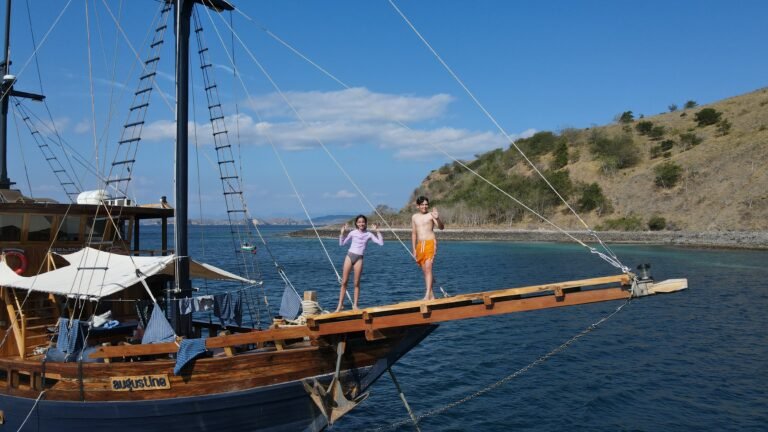
Flores is renowned not only for its stunning landscapes but also for a wide array of adventure activities that appeal to thrill-seekers and nature enthusiasts alike. This Indonesian island invites visitors to delve beyond mere sightseeing, offering unique experiences such as snorkeling, diving, and trekking, each providing a different take on its breathtaking environment.
Snorkeling in Flores is an incomparable experience, as the crystal-clear waters teem with vibrant marine life. Popular spots such as Komodo National Park allow snorkelers to encounter diverse coral reefs and fish species, making every dip into the water a captivating exploration. Likewise, diving enthusiasts can indulge in the undersea wonders of Flores, where the underwater topography varies dramatically, revealing hidden caves, steep walls, and sunken ships. The underwater biodiversity here is unparalleled, attracting divers from all over the world who seek adventure beneath the surface.
Trekking is yet another prime activity to savor the natural beauty of Flores. The island’s mountainous terrain provides an exceptional opportunity for hikers to explore lush jungles, encounter unique wildlife, and enjoy panoramic views from the peaks. Routes such as the trek to Mount Kelimutu, where three volcanic lakes display vibrant colors, offer both challenge and reward. The landscapes change dramatically throughout the journey, allowing trekkers to connect intimately with Flores’ varied ecosystems.
Moreover, visitors can venture into traditional villages, adding cultural depth to their adventures. Engaging with local communities provides insights into their customs and traditions, enriching the travel experience. Embracing the adventurous spirit of Flores fosters a deeper appreciation of this island’s unique offerings, prompting travelers to not just observe, but participate actively in the landscape and culture.
Conclusion: The Allure of Flores Adventure Awaits
As we conclude our exploration of Flores, it becomes evident that this island is a treasure trove of natural beauty and cultural richness. From the majestic volcanoes that dominate its landscape to the captivating villages embodying the island’s traditions, every corner of Flores offers a unique experience waiting to be discovered. The waterfalls, with their cascading waters and serene surroundings, beckon travelers to pause and immerse themselves in the tranquility that nature provides.
The adventure one can embark upon in Flores is not just physical; it is also a journey of the soul. The warmth of the local communities, the fragrant markets filled with vibrant produce, and the stories shared around bonfires create a connection that lasts well beyond the trip. Each village tells a story, and each waterfall holds an allure that captivates the hearts of visitors. The diverse landscapes, ranging from lush green rice fields to rugged mountain terrains, invite various activities, from trekking to cultural encounters, enriching the travel experience.
Moreover, the island’s rich biodiversity and endemic wildlife amplify its charm, providing opportunities for eco-tourism and adventure outings. Every sunrise offers a new perspective on the beauty that Flores has to offer, while the sunsets paint the sky with enchanting hues, reminding travelers of the magic woven into the fabric of this island.
In summary, Flores is not merely a destination; it is an invitation to explore and learn. The allure of adventure, the promise of unforgettable experiences, and the chance to connect with nature and local cultures await all who choose to visit this enchanting island. Embrace the spirit of inquiry, pack your bags, and set forth on a journey to Flores—an adventure that truly awaits!
Frequently Asked Questions About Exploring Flores
1. Is Flores worth visiting beyond Komodo National Park?
Absolutely. Flores offers much more than Komodo National Park, including volcanic landscapes, traditional villages, waterfalls, rice fields, cultural experiences, and mountain scenery. Destinations such as Kelimutu, Bajawa, Wae Rebo, and the waterfalls around West Flores make the island ideal for an extended adventure.
2. What are the best places to visit in Flores?
Some of the most popular highlights include Labuan Bajo, Wae Rebo Village, Bajawa and the Ngada traditional villages, Mount Inerie, Kelimutu National Park, Ende, and Maumere. Each destination offers a different combination of nature, culture, and adventure.
3. What volcanoes can travelers explore in Flores?
Flores is a volcanic island with several impressive mountains. Mount Kelimutu is particularly famous for its three crater lakes, while Mount Inerie near Bajawa is known for its distinctive cone-shaped profile and hiking opportunities.
4. What makes Kelimutu special?
Kelimutu is famous for its three volcanic crater lakes, which can display different colors. The lakes are located near Moni in central Flores and are one of the island’s most iconic natural attractions.
5. Which traditional villages should I visit in Flores?
Wae Rebo and the traditional villages around Bajawa are among the most memorable cultural stops. Bena, Luba, Gurusina, and other Ngada villages showcase traditional architecture, ceremonial spaces, ancestral traditions, and local craftsmanship.
6. What is special about Wae Rebo Village?
Wae Rebo is a remote traditional Manggarai village surrounded by mountainous scenery. Its distinctive cone-shaped traditional houses and remote location make visiting the village a memorable cultural and trekking experience.
7. Are there waterfalls to visit in Flores?
Yes. Flores has numerous waterfalls surrounded by forests, cliffs, and tropical landscapes. Cunca Wulang near Labuan Bajo is one of the better-known waterfall experiences in West Flores, while other waterfalls can be incorporated into longer overland journeys.
8. How many days do I need to explore Flores?
For a meaningful overland journey, around 5–7 days is a good starting point. Travelers with more time can spend 7–10 days or longer exploring destinations from Labuan Bajo through Ruteng and Bajawa to Kelimutu and Maumere.
9. Can I travel across Flores by car?
Yes. Overland travel is one of the best ways to experience Flores because the journey connects mountain landscapes, villages, plantations, waterfalls, viewpoints, and coastal areas. The Trans-Flores route stretches across much of the island and offers constantly changing scenery.
10. What is the best way to travel from Labuan Bajo to Kelimutu?
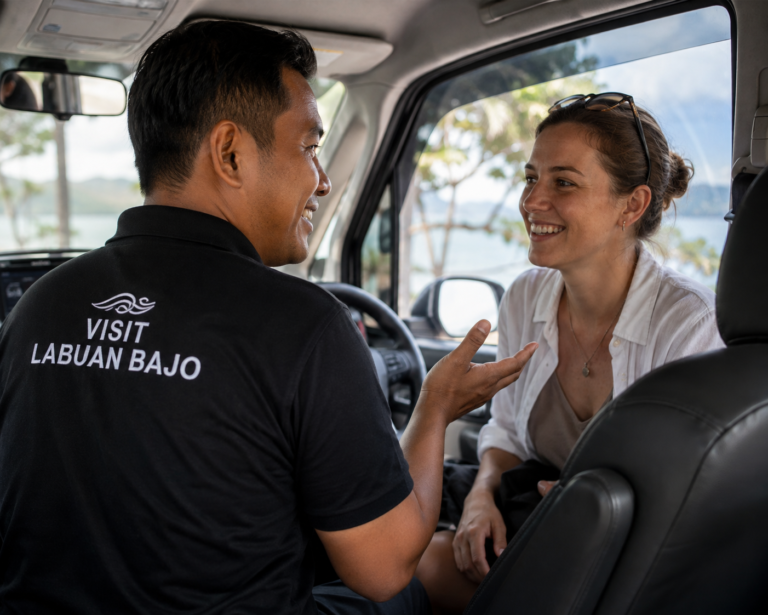
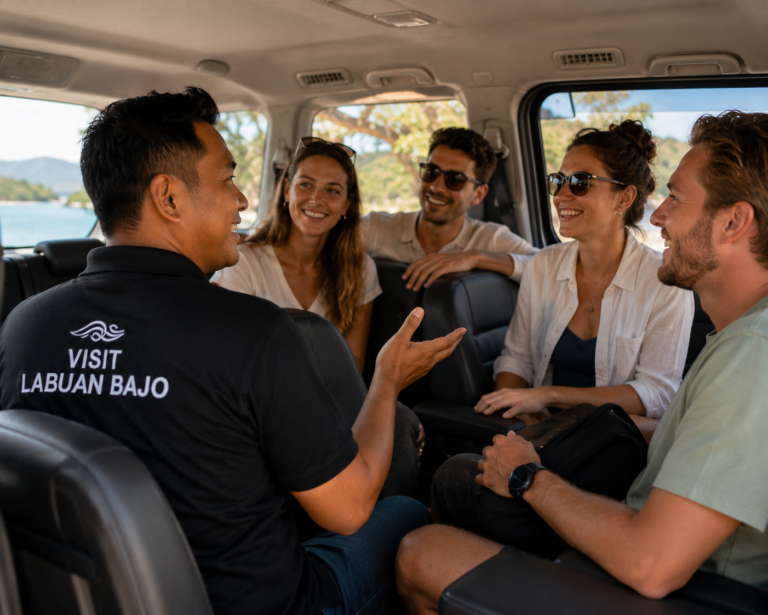
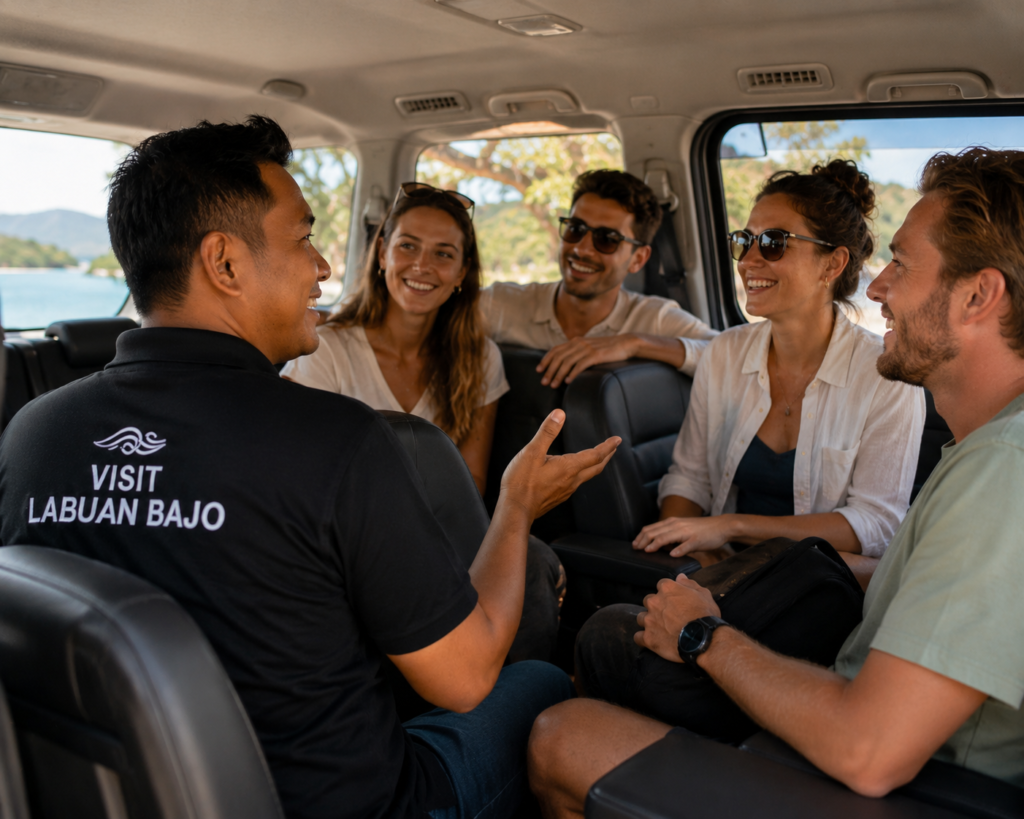
A private car with a local driver is one of the most convenient options for an overland Flores journey. The route can include stops in Ruteng, traditional villages around Bajawa, Ende, and Moni before visiting Kelimutu.
11. When is the best time to explore Flores?
The dry season is generally preferred for overland trips, trekking, village visits, and outdoor activities because road and trail conditions are usually more favorable. April to November is commonly recommended for exploring Flores, although conditions can vary by region.
12. Is Flores suitable for first-time visitors to Indonesia?
Yes. Flores is suitable for travelers looking for nature, culture, adventure, and authentic local experiences. However, journeys can involve long drives, mountain roads, trekking, and remote destinations, so travelers should be prepared for a slower and more adventurous style of travel.
13. Can I combine a Flores overland trip with a Komodo tour?
Yes. This is one of the best ways to experience the region. Travelers can begin in Labuan Bajo, explore Komodo National Park by boat, and then continue overland through Flores—or travel in the opposite direction from central or eastern Flores toward Labuan Bajo.
14. What should I pack for a Flores overland adventure?
Bring comfortable walking shoes, lightweight clothing, a light jacket for cooler highland areas, sun protection, insect repellent, swimwear, a reusable water bottle, and a small backpack for day trips. Trekking to places such as Wae Rebo requires appropriate footwear and basic hiking gear.
15. Why choose an overland Flores journey instead of only visiting Labuan Bajo?
An overland journey allows travelers to experience a different side of Flores beyond the Komodo islands. You can see volcanic mountains, traditional villages, waterfalls, agricultural landscapes, local markets, weaving communities, and highland scenery while meeting people along the route.
16. Can I visit Flores with a private driver and guide?
Yes. A private driver-guide can make an overland journey more flexible, particularly when visiting remote villages and natural attractions. It also allows travelers to adjust stops and travel times according to weather, road conditions, and personal interests.
17. Is Flores good for photographers?
Absolutely. Flores offers a wide range of photography opportunities, from volcanic crater lakes and mountain landscapes to traditional architecture, waterfalls, rice fields, coastal scenery, and cultural activities.
18. Is Flores suitable for adventure travelers?
Yes. Flores is particularly attractive to travelers interested in trekking, hiking, waterfalls, diving, snorkeling, road trips, cultural exploration, and mountain landscapes. The island combines outdoor adventure with cultural experiences in a relatively compact travel corridor.
19. Can I experience local culture during a Flores trip?
Yes. Visiting traditional villages, learning about local architecture, observing weaving traditions, and interacting respectfully with local communities can add significant cultural depth to an overland journey. Flores is known for its diverse traditional cultures and village communities.
20. How can I plan an unforgettable Flores journey?
Start by choosing your travel style and available time. A well-planned route can combine Labuan Bajo, traditional villages, volcanic landscapes, waterfalls, highland areas, and Kelimutu. For travelers arriving through Labuan Bajo, adding a Flores overland adventure after a Komodo trip is an excellent way to discover the island beyond its famous marine attractions.