Flores Island
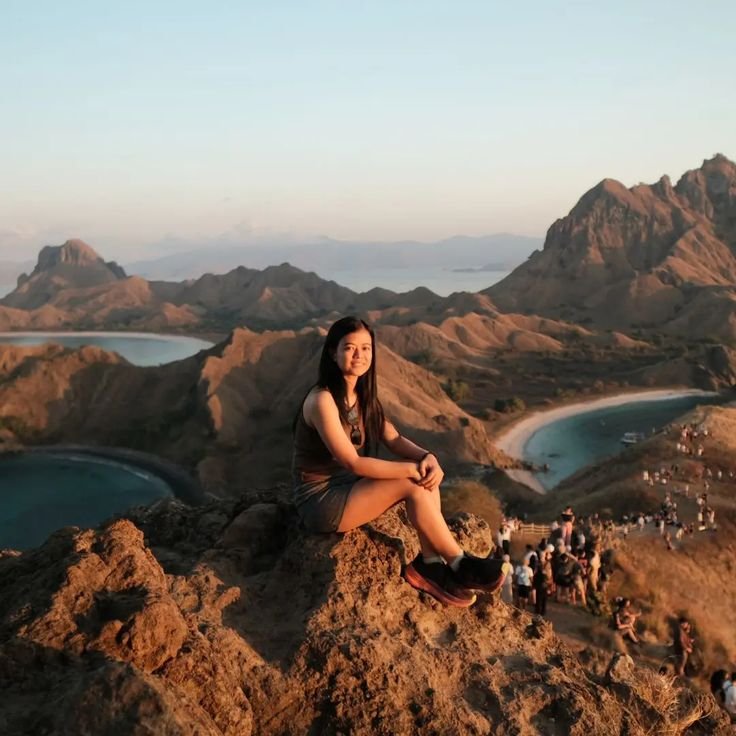
Flores, an island nestled within Indonesia’s stunning archipelago, stands out for its captivating landscapes, rich culture, and diverse biodiversity. Renowned for its scenic vistas, the island is home to striking volcanic formations, tranquil beaches, and lush rice terraces that enchant visitors from around the globe. With each corner of Flores showcasing its natural beauty, from the iconic pink beaches of Komodo National Park to the imposing mountains of the central region, it is undoubtedly a unique destination for adventurers and nature enthusiasts alike.
Beyond its picturesque scenery, Flores boasts a rich tapestry of culture that reflects the influences of various ethnic groups and traditions. The indigenous communities, each with their own customs and languages, contribute to the island’s vibrant cultural landscape. The lively local markets, traditional dances, and handcrafted artifacts reveal the intricate history and ongoing cultural evolution that Flores possesses. Engaging in local experiences, such as participating in traditional ceremonies or learning about weaving techniques, allows visitors to appreciate the authenticity of the island.
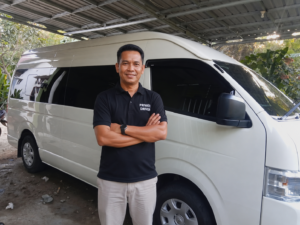
To fully immerse oneself in the essence of Flores, guided tours led by local experts play a vital role. These tours not only enhance the travel experience by providing invaluable insights into the island’s hidden gems but also facilitate respectful interactions with local communities. By connecting with knowledgeable guides, visitors can gain a deeper understanding of Flores’ diverse ecosystems, including its endemic species and conservation efforts. In essence, exploring Flores with local guides elevates the journey, transforming it into a richer and more meaningful adventure that celebrates the island’s true character.
The Local Guides: Who They Are
The local guides in Flores play a crucial role in providing travelers with enriching experiences that transcend the typical tourist itinerary. Most of these guides hail from families that have lived on the island for generations. They possess an intimate knowledge of the landscape, culture, and traditions of Flores, which greatly enhances the overall travel experience. Each guide’s background often includes a deep-rooted connection to the local communities they represent, leading to an authentic interaction between visitors and the cultural fabric of the region.
Many guides have formal training in tourism, while others rely on lifelong experiences and family teachings. Regardless of their educational backgrounds, they all share a passion for their homeland and are eager to showcase its unique charm to outsiders. This enthusiasm is particularly evident in the way they share personal stories, often detailing their journey growing up amidst the vibrant customs and traditions that characterize Flores. Such narratives not only entertain but also serve to educate travelers about the rich history and practices of the local communities.
Furthermore, the local guides’ understanding extends beyond simple facts and figures. They interpret the significance of various rituals, festivals, and daily practices, giving travelers a profound appreciation of the local culture. This cultural knowledge, combined with their firsthand experiences, allows them to facilitate genuine interactions between visitors and the island’s residents. As a result, travelers often leave Flores not only with memories of stunning scenery but also with insights into the lives and traditions of its people. By engaging with local guides, visitors can ensure a more meaningful and comprehensive journey through this beautiful part of Indonesia.
The Overland Journey: What to Expect
Embarking on an overland journey through Flores promises a unique and immersive experience, showcasing the island’s breathtaking landscapes and rich cultural tapestry. Travelers can expect a variety of transportation options during their adventure, primarily relying on 4WD vehicles that can navigate the challenging terrains characteristic of Flores. These vehicles are well-suited for traversing both rugged roads and scenic routes, enhancing the overall experience of the journey.
Typical itineraries for an overland journey may span several days, allowing travelers to explore distinct regions of Flores. A common route may commence from Labuan Bajo and include fascinating stops at places like Ruteng, Bajawa, and Ende. Each leg of the journey brings its own set of highlights. In addition to stunning coastal views along the northern coast, expect to encounter volcanic landscapes featuring lush hillsides and sprawling rice fields. The dynamic contrast of volcanic peaks and serene beaches illustrates the remarkable topography of the island.
One of the standout features of an overland expedition in Flores is the opportunity to engage with local communities. Travelers may find themselves participating in traditional ceremonies or savoring authentic local cuisine. Furthermore, the challenging terrains can sometimes lead to off-the-beaten-path adventures, revealing hidden gems that more conventional travel routes may overlook.
Scenic viewpoints, national parks, and historical sites are also integral to the experience. When climbing the hills around Ruteng or visiting the hot springs near Bajawa, the panoramic vistas serve as reminders of nature’s splendor. It’s imperative for travelers to prepare for varying weather conditions and adjust their plans accordingly. In conclusion, an overland journey through Flores is not just about the destination but also about the experiences and encounters that enrich an adventure through this remarkable island.
Cultural Immersion: Engaging with Local Communities
Cultural immersion is a fundamental aspect of an overland experience in Flores, providing travelers with unique opportunities to engage with local communities. Participants can visit traditional villages where they can explore the rich cultural heritage, including unique architectural styles, local customs, and traditional ceremonies. These visits allow travelers to witness firsthand the daily routines of local people and to understand their way of life, fostering a sense of connection and respect for the cultural diversity present in Flores.
Additionally, local markets serve as vibrant hubs of activity, showcasing indigenous crafts, local produce, and traditional cuisine. By engaging with local vendors, travelers not only support the local economy but also learn about the ingredients and techniques that define Flores’ culinary identity. The sensory experience of navigating the bustling markets, characterized by vivid colors and rich aromas, provides deeper insight into the everyday lives of the residents.
Participating in community activities further enhances this cultural immersion. Travelers might find themselves partaking in traditional dances, cooking workshops, or artisanal crafting, allowing for a hands-on experience that promotes skill sharing. Such interactions provide travelers with meaningful memories and foster friendships across cultural divides, enriching their journey and broadening their perspectives.
Moreover, these cultural exchanges can benefit local communities by empowering them through economic opportunities and raising awareness about their traditions. When travelers invest in community-driven initiatives, they sustain local customs and ensure that they are preserved for future generations. Thus, the engagement between travelers and locals during this overland adventure in Flores cultivates mutual understanding and respect, making the experience truly impactful for all parties involved.
Wildlife and Nature: Discovering Flores’ Biodiversity
The island of Flores, located in Indonesia, is renowned for its breathtaking biodiversity, offering a unique habitat for a variety of species. Among its most famous inhabitants are the iconic Komodo dragons, which roam freely in the Komodo National Park. This UNESCO World Heritage site provides a sanctuary for these remarkable reptiles, captivating many visitors who wish to witness their majesty in their natural environment. The Komodo dragons, being the largest lizards on the planet, highlight the ecological significance of the region.
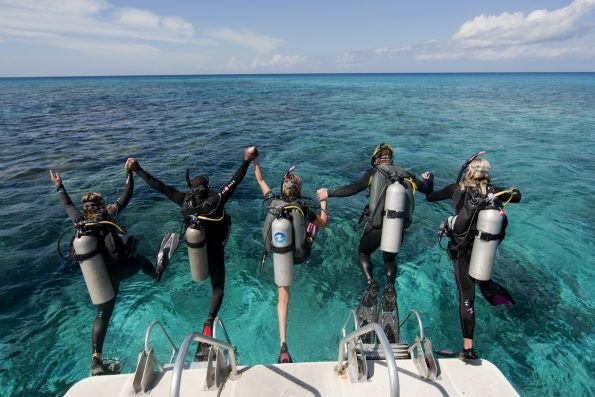
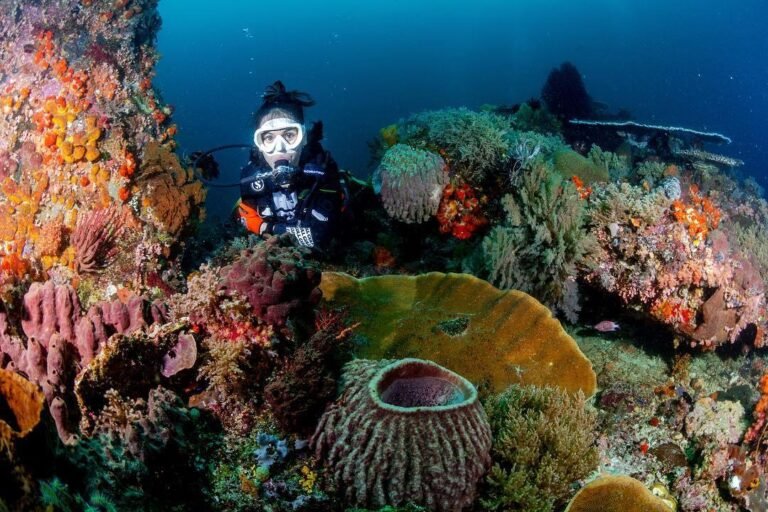
Moreover, Flores is not just about its terrestrial wildlife; it also boasts an impressive array of marine life. The waters surrounding Flores are rich with coral reefs teeming with vibrant fish species, sea turtles, and even manta rays. Local guide services often emphasize sustainable tourism practices, enriching the experience by educating travelers on the delicate balance of these ecosystems. They encourage visitors to respect the natural habitats and promote conservation efforts within the area.
In addition to fauna, Flores is also home to distinctive flora, with numerous endemic plant species that thrive in its varied landscapes. From lush rainforests to arid regions, the island displays a rich tapestry of plant life that supports its wildlife. Experienced local guides can facilitate eco-friendly tours in these natural environments, highlighting the importance of biodiversity in maintaining ecological stability. Through informative commentary and guided hikes, they enhance visitors’ appreciation for the island’s natural heritage.
By connecting travelers to the profound beauty and ecological complexities of Flores, local guides play a crucial role in fostering an understanding of conservation needs. They provide insight into sustainable practices that ensure the protection of Flores’ rich biodiversity, ultimately benefiting both the local communities and the environment. Through such eco-conscious initiatives, visitors can experience the wonder of Flores while contributing positively to its preservation.
Culinary Delights: Traditional Foods of Flores
The island of Flores, located in Indonesia’s Lesser Sunda Islands, is renowned for its rich culinary heritage that reflects a blend of indigenous flavors and cultural influences. Traditional foods of Flores are deeply rooted in local customs and often feature fresh, locally sourced ingredients. One of the hallmark dishes is ikan bakar, grilled fish marinated in a mixture of spices and served with a side of sambal, a spicy condiment that can vary greatly in heat, reflecting the local palette.
Rice is a staple in the Flores diet and is accompanied by an array of side dishes that are as colorful as they are flavorful. One significant local dish is se’i, smoked meat typically prepared using pork or beef, seasoned with herbs and spices, and cooked in a traditional manner. This dish highlights the importance of communal dining and sharing meals as part of Flores’ cultural traditions.
To truly appreciate Flores’ culinary offerings, engaging a local guide can significantly enhance the dining experience. These guides possess a wealth of knowledge about where to eat, often introducing visitors to hidden gems and local warungs (small family-owned eateries) that are not found in guidebooks. They can explain the origins of the dishes, making the meal not just an act of eating, but a cultural experience in itself. For example, many guides can take travelers to local markets, where one can see the vibrant ingredients used in traditional cooking and perhaps even participate in cooking classes that showcase these age-old practices.
For those keen to explore the traditional foods of Flores, heeding recommendations from local guides ensures a travel experience that celebrates authentic gastronomy. By embracing the island’s culinary diversity, travelers can gain insights into the rich culinary narrative of Flores, transforming each meal into a memorable journey of flavor and tradition.
Highlighting Responsible Travel Practices
Responsible travel is an essential aspect when exploring Flores, an island known for its stunning landscapes and rich cultural heritage. As travelers venture into these unspoiled regions, it becomes imperative to respect the environment, local customs, and communities. One foundational principle of responsible tourism involves minimizing the ecological footprint. Tourists are encouraged to adhere to leave-no-trace principles, ensuring that their presence does not disrupt nature. This practice includes avoiding littering, respecting wildlife habitats, and choosing environmentally-friendly transportation options.
Furthermore, supporting local businesses is another cornerstone of responsible travel. Engaging with local artisans, dining at family-run eateries, or staying in locally-owned accommodations not only enriches the travel experience but also directly contributes to the economic sustainability of the community. By financially supporting these enterprises, visitors help create jobs and preserve the traditional ways of life, fostering a deeper connection between travelers and the local people.
Cultural sensitivity is also paramount when exploring Flores. Understanding and respecting local customs, traditions, and beliefs is essential for creating positive interactions with the communities encountered. Travelers should take the time to learn about the cultural significance of various practices and partake in them with the utmost respect. Local guides play a vital role in this process, offering invaluable insights and facilitating a deeper understanding of the cultural dynamics at play. With their in-depth knowledge of the region, local guides can help tourists navigate potential cultural faux pas and encourage practices that promote mutual respect.
By prioritizing responsible travel practices, visitors to Flores can ensure that their adventures contribute positively to the environment and local communities, paving the way for sustainable tourism development in the region.
Planning Your Overland Adventure: Tips and Resources
Embarking on an overland adventure in Flores offers a unique opportunity to immerse oneself in the stunning natural beauty and rich culture of the region. To ensure a smooth and enjoyable experience, careful planning is essential. Here are some practical tips to help you make the most of your journey.
Firstly, consider the best times to visit Flores. The dry season, which typically runs from April to October, is ideal for outdoor activities, making it a preferred time for travelers. In contrast, the wet season, from November to March, may limit accessibility to certain areas due to heavy rainfall. Researching local weather patterns will allow you to select the most suitable timeframe for your adventure.
Packing wisely is another key aspect of preparing for your trip. Essential items include lightweight clothing suitable for the tropical climate, sturdy hiking boots for trekking through various terrains, a reusable water bottle to stay hydrated, and a basic first-aid kit. Additionally, don’t forget your camera to capture the breathtaking landscapes and vibrant culture that Flores has to offer.
Choosing the right local guide can greatly enhance your overland experience in Flores. Look for guides who possess in-depth knowledge of the region, including its geography, wildlife, and cultural heritage. Reading reviews from previous travelers can provide valuable insights. It is advisable to opt for guides who support sustainable practices and are familiar with eco-friendly tourism, ensuring that your adventure benefits the local community and environment.
For booking tours, various online platforms specialize in providing access to local guides and tour operators. Websites, such as Viator and GetYourGuide, allow you to compare options, read user reviews, and make reservations in advance. Additionally, local travel agencies can provide personalized itineraries tailored to your interests and needs. Utilizing these resources will help streamline your planning process and lead to an enriching experience in Flores.
Choosing to embark on an authentic overland experience with local guides in Flores offers a distinctive approach to travel that significantly enriches one’s understanding and appreciation of the region. Unlike traditional tourism, which often provides a superficial glimpse into a culture, authentic experiences allow travelers to engage deeply with the local community, gaining insights that are often missed when visiting merely as a spectator.
Local guides, with their intimate knowledge of the landscape, history, and cultural practices, usher travelers on a journey that is both educational and transformative. This connection to the region’s history and its people creates opportunities to understand the nuances of life in Flores, from its vibrant traditions to its breathtaking natural beauty. Engaging with local guides fosters genuine interactions, allowing for the construction of meaningful relationships and a greater appreciation of local customs and ways of life.
Moreover, the focus on sustainable travel practices associated with authentic experiences helps promote environmental responsibility, ensuring that tourism benefits both the community and the ecosystem of Flores. By supporting local economies and preserving cultural heritage, travelers contribute positively to the regions they visit. Ultimately, opting for authentic overland experiences is not merely a choice of adventure but a commitment to responsible and enriching travel.
As you plan your next journey, consider the profound advantages of choosing local guides for an overland exploration in Flores. This enriching travel option offers a deeper connection to the rich culture, stunning landscapes, and resilient people of this remarkable region, creating memories that will last a lifetime.