Everything You Need to Know About Dive Courses in Labuan Bajo
Labuan Bajo, a small fishing town located on the western tip of Flores Island in Indonesia, serves as the gateway to the renowned Komodo National Park. This destination is celebrated for its pristine waters, abundant marine flora and fauna, and breathtaking underwater landscapes, making it a prominent hub for diving enthusiasts around the globe. The region boasts a rich biodiversity that includes colorful coral reefs, an array of fish species, and the chance to encounter majestic creatures such as manta rays and the elusive Komodo dragon on nearby islands.
What sets Labuan Bajo apart as a diving destination is its unique geographical features, which provide divers with a variety of diving conditions. From calm lagoons ideal for beginners to swift currents and deep-diving sites suitable for advanced divers, Labuan Bajo offers experiences that cater to all skill levels. Sites like Batu Bolong and Manta Point are particularly attractive for their vibrant marine life and stunning underwater visibility, appealing not only to casual divers but also to seasoned professionals seeking adventure.
To participate in diving courses in Labuan Bajo, potential divers should meet several basic requirements. First and foremost, a commitment to safety and respect for marine life is essential. Most diving schools offer introductory courses, which typically require participants to be at least 10 years old, ensuring accessibility for younger enthusiasts. Participants should also be in reasonable health; a medical declaration may be required for individuals with pre-existing conditions affecting their ability to dive. Finally, it is advisable for divers to be equipped with appropriate diving gear or rent from certified local providers to ensure both comfort and safety during their diving experience. Labuan Bajo has transformed from a quiet fishing town into one of Southeast Asia’s most exciting diving destinations. Located on the western tip of Flores Island in Indonesia, this tropical gateway is famous for access to Komodo National Park, world-class coral reefs, manta rays, drift dives, and breathtaking island landscapes.
For many travelers, Labuan Bajo is not only a place to explore Komodo dragons or enjoy luxury island hopping trips. It is also one of the best locations in Indonesia to learn scuba diving and complete internationally recognized dive certifications.
Every year, thousands of travelers from Europe, Australia, America, and Asia come to Labuan Bajo to begin their underwater journey or improve their diving skills. Whether you are a complete beginner or an experienced diver looking for advanced training, the region offers a wide range of dive courses suitable for every level. In this complete guide, you will learn everything about dive courses in Labuan Bajo, including:
- Why Labuan Bajo is perfect for diving courses
- Types of scuba certifications available
- PADI vs SSI certifications
- Prices and course duration
- Best dive sites for training
- Safety tips for beginner divers
- What to expect during your course
- Marine life encounters
- Best seasons for diving
- Personal experiences from European travelers
- Luxury dive experiences in Komodo National Park
If you are dreaming about becoming a certified scuba diver in one of the most beautiful marine destinations in the world, this guide will help you prepare for the ultimate adventure.
Types of Diving Courses Available
Labuan Bajo, a renowned diving location, offers a variety of diving courses to cater to all skill levels, from beginners to advanced divers. The most recognized organizations providing certification courses in Labuan Bajo include PADI (Professional Association of Diving Instructors) and SSI (Scuba Schools International). These organizations have established standards for training and certification in the diving industry.
The basic course offered by both PADI and SSI is the Open Water Diver course. This entry-level certification typically lasts three to four days and includes both theory and practical sessions. Participants must be at least 10 years old, possess basic swimming skills, and complete a medical questionnaire to ensure fitness for diving.
For those who wish to build upon their fundamental skills, advanced courses are available. The Advanced Open Water Diver course, offered by both PADI and SSI, takes about two to three days to complete. It expands divers’ skills through specialized dives, including deep diving and navigation. The prerequisite for this course is a certification as an Open Water Diver.
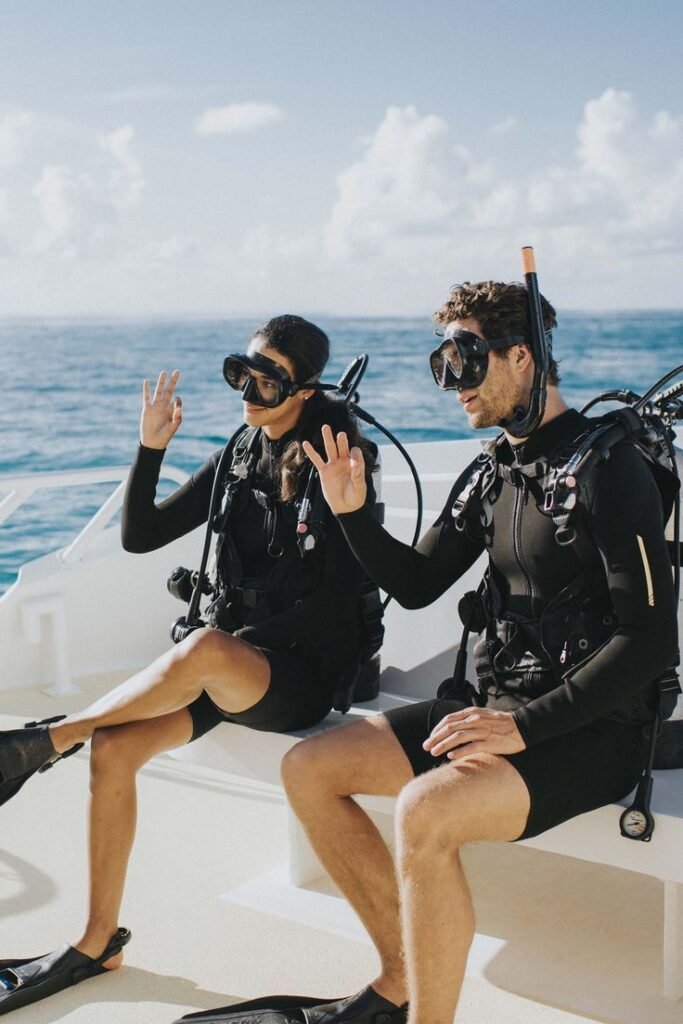
Beyond the advanced level, divers can undertake specialty courses focusing on specific interests such as wreck diving, underwater photography, or night diving. These specialties usually require one to three days to complete and provide a chance for divers to gain expertise in particular aspects of diving.
The certification levels achieved from these courses range from Open Water Diver to Advanced Open Water Diver, and specialty certifications. Completion of these courses not only enhances diving skills but also opens opportunities for exploration in the diverse marine environment that Labuan Bajo has to offer. Each of these courses emphasizes safety, knowledge, and adventure, ensuring that divers are well-prepared for the underwater world.
What to Expect During Your Dive Course
Embarking on a dive course in Labuan Bajo is an exciting opportunity to explore the underwater world. A typical dive course is structured to provide comprehensive training, blending classroom instruction, pool training, and open-water dives. Initially, participants will attend classroom sessions where they will learn about the science of diving, including physics, physiology, and environmental awareness. Knowledge of essential dive theory is crucial for understanding how to safely explore underwater environments.
Following the theoretical component, students will engage in pool training. This phase allows divers to practice essential skills in a controlled environment before venturing into open waters. Under the guidance of qualified instructors, participants will learn how to use diving equipment, such as masks, fins, tanks, and buoyancy control devices (BCD). Skills such as clearing a mask, equalization techniques, and emergency procedures will be practiced extensively, ensuring divers are well-prepared for real-life scenarios.
The culmination of the dive course involves open-water dives, where students can apply the skills they have learned in the pool. Labuan Bajo boasts pristine dive sites, rich in diverse marine life and stunning coral formations. During these dives, participants can expect to encounter unique aquatic environments. It is essential to note the water temperature in Labuan Bajo typically ranges from 27 to 30 degrees Celsius, making it relatively comfortable for divers. However, varying currents and visibility conditions can impact the diving experience, which is why understanding local environmental factors is critical.
Instructors leading dive courses in Labuan Bajo are often certified professionals with extensive experience in the field. They are equipped to provide personalized attention, enhancing both safety and skill acquisition. By the end of the course, students can look forward to obtaining their certifications, allowing them to explore the underwater wonders around Labuan Bajo and beyond with confidence.
Choosing the Right Dive School in Labuan Bajo
When planning to engage in diving courses in Labuan Bajo, selecting the right dive school is crucial for ensuring both safety and enjoyment. The first step in this decision-making process is to check the school’s accreditation. A reputable dive school should hold certifications from recognized diving organizations, such as PADI or SSI, which indicates adherence to international safety standards and quality training practices.
Reviews from past students are invaluable resources when evaluating a dive school. These reviews can typically be found on travel forums, social media, or dedicated review sites. Look for comments regarding instructors’ professionalism, the clarity of instructions, and the overall diving experience. Positive feedback regarding the dive school’s equipment and facilities should also be considered, as this can greatly impact your diving experience. Group sizes during training sessions can affect the quality of instruction. Smaller groups often mean more personalized attention from instructors, enhancing the learning experience. It is advisable to inquire about the instructor-to-student ratio, ensuring that you receive adequate supervision during your dive courses. The experience and qualifications of the instructors are another critical element. Instructors with extensive knowledge of the local diving conditions and environments can provide added insight, enhancing safety and enjoyment. Furthermore, assessing the safety protocols followed by the dive school is essential; they should conduct thorough safety briefings and provide well-maintained diving equipment to mitigate risks. Moreover, consider additional services that the dive school might offer, such as accommodation options or guided tours. Many schools have partnerships with local hotels, thereby simplifying travel arrangements. By carefully evaluating these factors, you can select a reputable dive school in Labuan Bajo, ensuring a memorable and safe diving experience.
Why Labuan Bajo Is One of the Best Places to Learn Diving
There are many diving destinations across Southeast Asia, but Labuan Bajo offers something truly unique.Unlike crowded tourist destinations, Labuan Bajo combines incredible marine biodiversity, professional dive schools, tropical scenery, and direct access to protected waters inside Komodo National Park.The underwater environment here is extraordinary. Divers can encounter manta rays, sea turtles, reef sharks, colorful coral gardens, giant trevallies, nudibranchs, octopus, and thousands of reef fish species.Another major advantage is the variety of dive conditions. Beginners can practice in calm shallow bays, while advanced divers can explore strong drift dives and deep walls.Many dive professionals consider Komodo National Park one of the best training environments because students quickly gain real-world diving experience.
Key Reasons Divers Choose Labuan Bajo
1. Incredible Marine Biodiversity
Komodo National Park is part of the Coral Triangle, known as the richest marine ecosystem on Earth.
2. International Dive Schools
Labuan Bajo has many professional dive centers offering:PADI certifications,SSI certifications,Private dive training,Luxury liveaboard dive courses,Eco-conscious diving programs
3. Warm Water All Year
Water temperatures usually range between 26°C and 29°C, making diving comfortable throughout the year.
4. Stunning Island Scenery
Students enjoy not only underwater adventures but also:
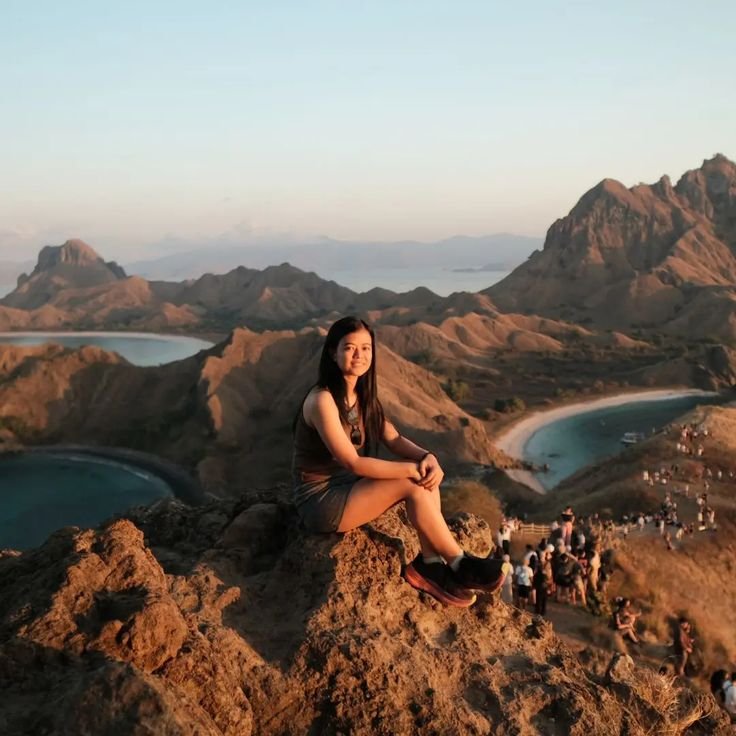
- Padar Island hiking
- Pink Beach visits
- Sunset cruises
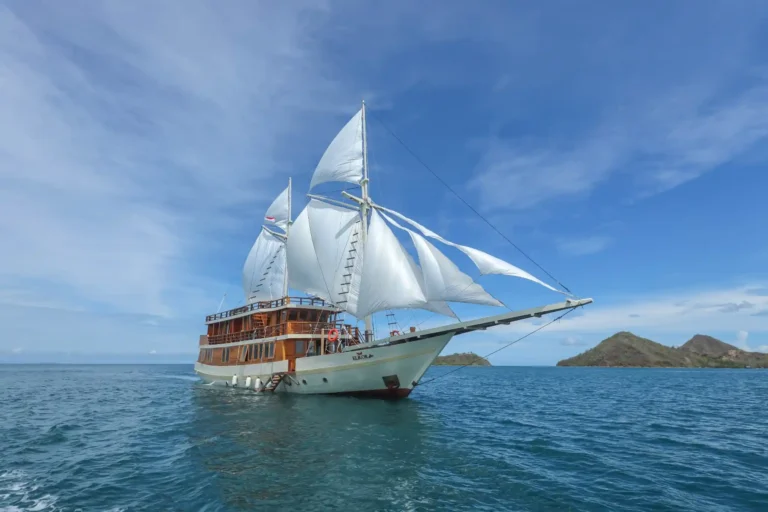
- Luxury phinisi experiences
- Island hopping trips
5. Affordable Compared to Western Countries
Completing a scuba certification in Indonesia is often cheaper than in Europe or North America.
Types of Dive Courses Available in Labuan Bajo
One of the biggest advantages of learning scuba diving in Labuan Bajo is the wide variety of available certifications.
Whether you want to try diving for the first time or become a professional dive instructor, there is a course for every level.
Discover Scuba Diving (DSD)
This is the best option for complete beginners who want to experience scuba diving without completing a full certification.
What You Learn
- Basic breathing techniques
- Underwater communication signals
- Equipment introduction
- Safety procedures
Depth Limit
Usually up to 12 meters.
Duration
Half-day or full-day experience.
Best For
- Nervous beginners
- Couples trying diving together
- Travelers with limited time
Many tourists fall in love with diving after their first Discover Scuba experience in Komodo waters.
Open Water Dive Course Labuan Bajo
The Open Water certification is the most popular scuba diving course in the world.
This certification allows you to dive independently with a buddy up to 18 meters anywhere globally.
What the Course Includes
Theory Sessions
Students learn:
- Dive physics
- Pressure and buoyancy
- Underwater safety
- Dive planning
- Marine awareness
Confined Water Training
Beginners practice:
- Mask clearing
- Regulator recovery
- Buoyancy control
- Emergency skills
Open Water Dives
Students complete training dives in real ocean environments.
Duration
Usually 3 to 4 days.
Average Price
Around USD 350–500 depending on the dive center.
Why Labuan Bajo Is Great for Open Water Training
Students can train in:
- Calm coral bays
- Protected reefs
- Clear visibility areas
- Beautiful marine environments
Unlike swimming pools in many countries, beginner divers in Labuan Bajo often complete their first dives surrounded by coral reefs and tropical fish.
Advanced Open Water Course in Komodo National Park
After obtaining the Open Water certification, many travelers continue directly to Advanced Open Water.This course helps divers improve confidence and explore more challenging environments.
Adventure Dives Include
- Deep diving
- Drift diving
- Navigation diving
- Night diving
- Peak performance buoyancy
Why Komodo Is Perfect for Advanced Training
Komodo National Park is world-famous for drift diving. Strong currents help bring nutrients into the ecosystem, attracting large marine life. Advanced students gain experience handling:
- Currents
- Deeper dives
- Boat diving
- Challenging underwater conditions
This experience makes divers more confident for future dive trips worldwide.
Rescue Diver Course
The Rescue Diver course is often described as the most rewarding scuba certification.
Students learn how to:
- Prevent diving accidents
- Handle emergencies
- Assist tired divers
- Conduct underwater rescues
- Improve situational awareness
Many divers say this course significantly improves confidence underwater.
Because Komodo conditions can vary from calm to strong currents, Labuan Bajo provides excellent real-world rescue training opportunities.
Divemaster and Professional Diving Courses
Some travelers arrive in Labuan Bajo planning only a short vacation but end up staying for months to become professional divers.
The Divemaster course is the first professional level in recreational scuba diving.
Divemaster Responsibilities
- Assist instructors
- Guide certified divers
- Organize dive trips
- Conduct dive briefings
- Supervise underwater activities
Labuan Bajo is popular among aspiring dive professionals because:
- Dive sites are world-class
- Daily diving opportunities are extensive
- Marine biodiversity is exceptional
- International tourists provide multicultural experience
Many European gap-year travelers choose Komodo to begin careers in the diving industry.
PADI vs SSI Dive Courses in Labuan Bajo
Most dive centers in Labuan Bajo offer certifications from:
- PADI (Professional Association of Diving Instructors)
- SSI (Scuba Schools International)
Both organizations are internationally recognized.
PADI Advantages
- Most globally recognized
- Huge international network
- Excellent digital learning system
- Easy certification transfer worldwide
SSI Advantages
- Flexible digital education
- Often slightly cheaper
- Modern teaching approach
In reality, both certifications are respected worldwide.
The most important factor is choosing a professional and safety-focused dive center.
Best Dive Sites for Dive Courses in Labuan Bajo
Komodo National Park offers extraordinary training environments.
Some dive sites are ideal for beginners, while others are better for advanced students.
Sebayur Kecil
Perfect for beginner divers.
Highlights
- Calm conditions
- Shallow coral gardens
- Excellent visibility
- Colorful marine life
Siaba Besar
Known as “Turtle City.”
Students often encounter:
- Green turtles
- Reef fish
- Soft corals
- Calm reef slopes
This is one of the best places for buoyancy practice.
Manta Point
One of Komodo’s most famous dive sites.
Divers can sometimes encounter multiple manta rays gliding gracefully through cleaning stations.
This site is commonly visited during Advanced Open Water training.
Batu Bolong
An iconic Komodo dive site featuring:
- Strong currents
- Massive fish schools
- Vibrant coral reefs
- Sharks and trevallies
Suitable only for experienced divers.
Crystal Rock
Famous for:
- Drift diving
- Pelagic fish
- Sharks
- Healthy coral formations
Advanced divers love the adrenaline and marine life here.
Best Time for Dive Courses in Labuan Bajo
Diving is possible all year in Labuan Bajo, but conditions vary depending on the season.
April to November
This is generally considered the best diving season.
Conditions
- Dry weather
- Excellent visibility
- Calm seas
- Comfortable boat trips
This period is ideal for beginners.
December to March
Rainy season brings:
- More plankton
- Slightly reduced visibility
- Occasional rough seas
However, manta ray sightings can be excellent during this period.
How Much Do Dive Courses Cost in Labuan Bajo?
Prices vary depending on:
- Dive center reputation
- Course level
- Equipment quality
- Group size
- Boat type
- Luxury vs budget experience
Average Course Prices
Discover Scuba Diving
USD 80–150
Open Water Course
USD 350–500
Advanced Open Water
USD 300–450
Rescue Diver
USD 400–600
Divemaster Internship
USD 1,000–2,500
Luxury liveaboard dive courses can cost significantly more but offer premium experiences.
What Equipment Is Included?
Most dive centers provide:
- BCD
- Regulator
- Wetsuit
- Mask
- Fins
- Dive computer
- Tanks and weights
Some premium centers also include:
- Underwater photography sessions
- Nitrox tanks
- Luxury speedboats
- Hotel transfers
- Lunch and snacks
Safety Tips for Beginner Divers
Safety should always be the highest priority when learning scuba diving.
1. Never Rush Skills
Take time practicing underwater techniques.
2. Equalize Frequently
This prevents ear discomfort during descent.
3. Stay Hydrated
Tropical weather can cause dehydration quickly.
4. Listen to Your Instructor
Professional guidance is essential underwater.
5. Avoid Flying Immediately After Diving
Wait at least 18–24 hours before flying.
Marine Life You May Encounter During Your Course
One reason dive students love Labuan Bajo is the incredible marine biodiversity. Even beginners often encounter amazing sea creatures.
Common Marine Life
- Manta rays
- Sea turtles
- Reef sharks
- Clownfish
- Napoleon wrasse
- Barracuda
- Blue-spotted stingrays
- Nudibranchs
- Giant trevallies
- Octopus
For many new divers, their first manta ray encounter becomes a lifelong memory.
Personal Experience From a European Traveler
Anna, a traveler from Germany, originally visited Labuan Bajo for a Komodo Island tour. She had never tried scuba diving before. After joining a Discover Scuba Diving experience, she decided to complete her Open Water certification. She described her first underwater moment near Siaba Besar as unforgettable.
“I was nervous before entering the water, but after a few minutes underwater everything changed. The visibility was incredible, and suddenly a turtle appeared directly in front of me. I remember looking at my instructor underwater and smiling through my regulator.”
Anna later continued to the Advanced Open Water course. Her favorite memory was seeing manta rays near Manta Point.
“Watching giant manta rays fly through the water felt surreal. It was one of the most peaceful and emotional experiences of my life.”
Today, Anna says her Komodo diving course completely changed the way she travels. She now plans dive holidays around the world.
Why Couples Love Dive Courses in Labuan Bajo
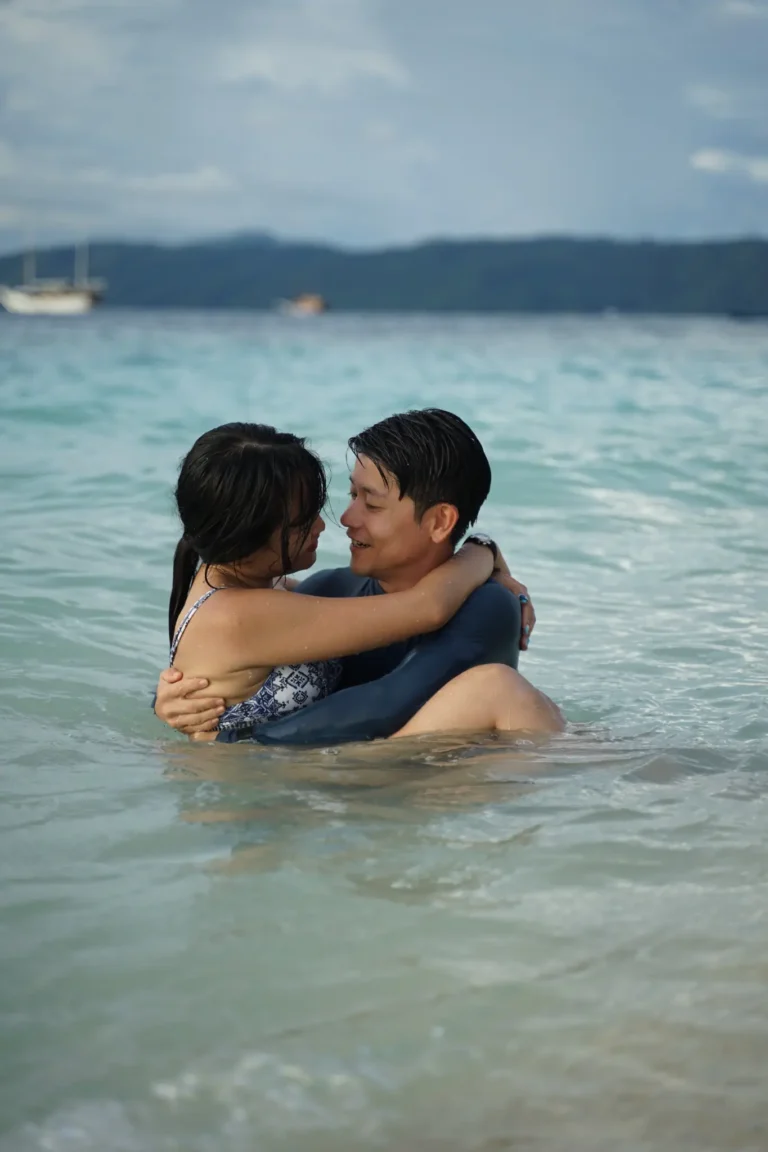
Labuan Bajo is increasingly popular among couples seeking adventure and romance.
Many honeymoon travelers combine:
- Diving courses
- Luxury phinisi cruises
- Private island resorts
- Sunset dinners
- Pink Beach excursions
Learning scuba diving together often creates unforgettable shared experiences.
Couples celebrate milestones like:
- First underwater breath
- First turtle encounter
- First manta ray sighting
- Completing certification together
Luxury dive resorts in Labuan Bajo also offer:
- Infinity pools
- Spa treatments
- Ocean-view villas
- Private snorkeling trips
- Romantic beach dining
Luxury Dive Experiences in Labuan Bajo
Labuan Bajo is not only for backpackers.
It has become one of Indonesia’s fastest-growing luxury travel destinations.
Luxury Liveaboard Dive Courses
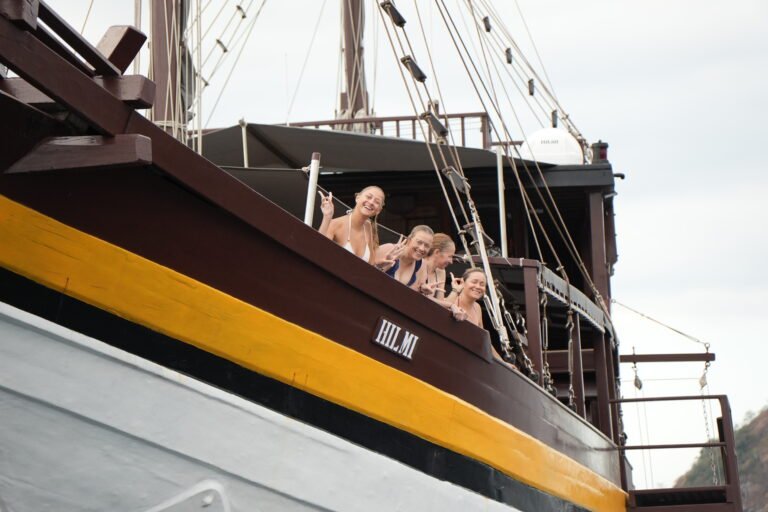
Some travelers choose to complete dive certifications aboard luxury phinisi yachts.
Benefits include:
- Private cabins
- Gourmet dining
- Personalized dive instruction
- Remote dive access
- Sunset deck experiences
These liveaboards combine:
- Adventure
- Comfort
- Fine dining
- Marine exploration
Many European honeymoon travelers prefer liveaboard dive courses because they provide both romance and adventure.
Eco-Friendly Diving and Marine Conservation
Responsible tourism is becoming increasingly important in Komodo National Park.
Many dive centers promote eco-conscious diving practices.
Sustainable Diving Tips
Avoid Touching Coral
Coral reefs are fragile ecosystems.
Maintain Good Buoyancy
Poor buoyancy can damage marine habitats.
Never Chase Marine Life
Respect wildlife behavior.
Use Reef-Safe Sunscreen
Chemical sunscreens can harm coral reefs.
Support Eco-Friendly Dive Centers
Choose operators involved in conservation projects.
Some dive schools participate in:
- Reef cleanups
- Coral restoration
- Shark conservation
- Marine education programs
Underwater Photography During Dive Courses
Many travelers are surprised by how photogenic Komodo waters are.
Popular photography subjects include:
- Manta rays
- Coral gardens
- Sea turtles
- Macro creatures
- Schools of fish
Some dive centers offer underwater photography courses for beginners.
Students learn:
- Camera handling underwater
- Lighting techniques
- Composition basics
- Marine life photography etiquette
Social media has played a huge role in increasing Komodo’s popularity among young divers.
Common Mistakes Beginner Divers Make
1. Breathing Too Fast
Relaxation is important underwater.
2. Poor Buoyancy Control
This improves with practice.
3. Looking Down Constantly
Divers should maintain awareness of surroundings.
4. Forgetting Equalization
Equalize early and often.
5. Overpacking for Dive Trips
Most dive centers provide equipment.
What to Pack for a Dive Course in Labuan Bajo
Essential Items
- Swimwear
- Towel
- Reef-safe sunscreen
- Sunglasses
- Dry bag
- Reusable water bottle
- Certification logbook
- Motion sickness tablets
Optional Items
- Action camera
- Rash guard
- Dive watch
- Personal mask
- Lightweight waterproof jacket
How to Choose the Best Dive School in Labuan Bajo
Not all dive centers are the same.Choosing a professional operator is essential for safety and learning quality.
Important Factors
Instructor Experience
Look for experienced multilingual instructors.
Safety Standards
Check emergency oxygen and safety equipment.
Small Group Sizes
Smaller groups provide better learning experiences.
Equipment Maintenance
Well-maintained gear is extremely important.
Reviews
Read recent traveler reviews online.
Environmental Responsibility
Eco-conscious operators are preferable.
Is Labuan Bajo Suitable for Non-Swimmers?
Many people think scuba diving requires advanced swimming skills.
In reality, basic water confidence is usually enough for beginner programs.
Professional instructors guide students carefully through every step.
Some travelers who initially fear the ocean eventually become passionate divers after learning in calm Komodo bays.
However, strong currents at advanced sites are not suitable for complete beginners.
Digital Nomads and Long-Term Diving in Labuan Bajo
Labuan Bajo is increasingly attracting digital nomads.
Many remote workers stay for weeks or months while:
- Completing dive certifications
- Working online
- Exploring Komodo National Park
- Joining liveaboard trips
The town now offers:
- Cafes with WiFi
- Coworking spaces
- Boutique hotels
- Beach clubs
- International restaurants
This growing tourism infrastructure makes extended stays much easier.
Dive Course FAQs
Is scuba diving in Labuan Bajo safe?
Yes, when conducted with professional certified dive centers following international safety standards.
Can beginners dive in Komodo National Park?
Yes. Many calm sites are suitable for beginner training.
How long does an Open Water course take?
Usually 3–4 days.
What is the minimum age for scuba diving?
Most organizations allow children from age 10.
Do I need my own equipment?
No. Most dive centers provide complete equipment.
Can I dive if I wear glasses?
Yes. Prescription masks are available.
Is diving in Labuan Bajo expensive?
Compared to Europe or Australia, diving in Indonesia is often more affordable.
Which certification is better, PADI or SSI?
Both are internationally recognized and widely accepted