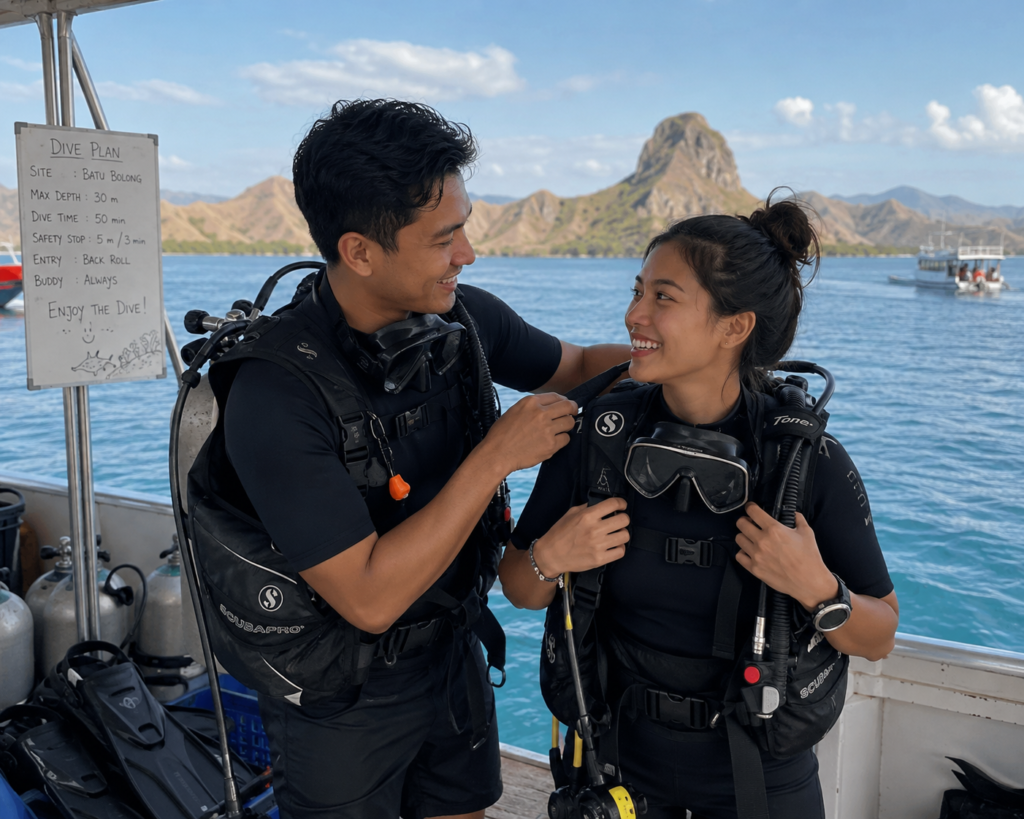
Introduction to Scuba Diving
Scuba diving is an exhilarating underwater activity that allows individuals to explore the beautiful and diverse marine ecosystems beneath the surface of the sea. It appeals to adventure enthusiasts for various reasons, including the sense of freedom it provides and the unique opportunity to witness the vibrancy of marine life up close. This thrilling pursuit offers not just adventure, but also the chance to reconnect with nature and discover underwater environments that are often inaccessible to most people.
The fundamental principle of scuba diving involves using a self-contained underwater breathing apparatus which enables divers to breathe while submerged. This equipment allows divers the freedom to travel and explore both shallow and deep waters comfortably. As a result, scuba diving has gained immense popularity across various regions worldwide, particularly in destinations renowned for their breathtaking underwater landscapes, such as Labuan Bajo.
The significance of scuba diving extends beyond mere recreation; it fosters a deeper understanding and appreciation of the marine ecosystem. Divers often encounter a wide variety of aquatic species, from vibrant coral reefs to fascinating marine creatures. This interaction with nature not only enriches the diver’s experience but also emphasizes the importance of marine conservation and the challenges faced by underwater ecosystems.
As more people seek adventure and novel experiences, scuba diving remains an attractive option, integrating both excitement and environmental awareness. Ultimately, the beauty of the underwater world and the thrill of diving present a unique adventure that encourages exploration and appreciation of the ocean’s vast mysteries.
Why Labuan Bajo is a Scuba Diving Paradise
Labuan Bajo, a small fishing town located on the western tip of Flores Island in Indonesia, is increasingly recognized as a prime destination for scuba diving enthusiasts. Its reputation stems from a myriad of factors that combine to create exceptional diving experiences. One of the most compelling attributes of Labuan Bajo is its crystal-clear waters, which provide exceptional visibility for divers. The clarity ranges from 20 to 40 meters in some locations, enabling divers to appreciate the vibrant underwater landscape and diverse marine life.
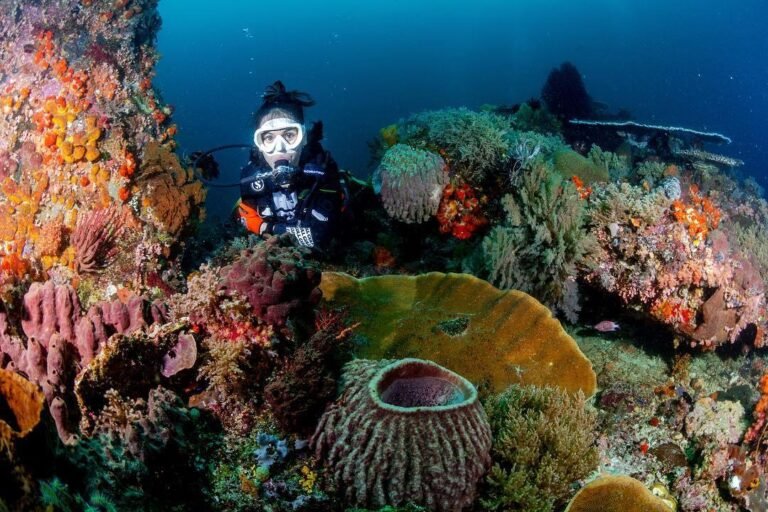
Diving in Labuan Bajo offers encounters with an abundance of marine species, including colorful corals, reef sharks, manta rays, and various types of tropical fish. The region is part of the Komodo National Park, renowned for its rich biodiversity. This UNESCO World Heritage site is home to over 1,000 species of fish and 260 types of coral, making it a haven for both beginners and experienced divers alike. This diversity ensures that every dive is a unique adventure, with fascinating marine life awaiting exploration.
visit package:Romantic Diving Trip 3 Days 2 Nights in Labuan Bajo
Moreover, Labuan Bajo boasts an impressive array of dive sites suited to different experience levels, such as Batu Bolong, currently one of the most famous dive spots in the world, known for its thriving ecosystems. Each site offers unique geological formations and varying water currents, providing ample opportunities for exciting dives. It’s also important for novice divers to consider seasonal variations; the best time to dive is typically between April and December when waters are calmer and visibility is at its peak.
In summary, Labuan Bajo’s combination of clear waters, rich biodiversity, and diverse dive sites truly make it a scuba diving paradise. With proper planning and awareness of seasonal conditions, divers of all skill levels are sure to have unforgettable experiences exploring the underwater wonders of this remarkable destination.
Essential Scuba Diving Equipment for Beginners
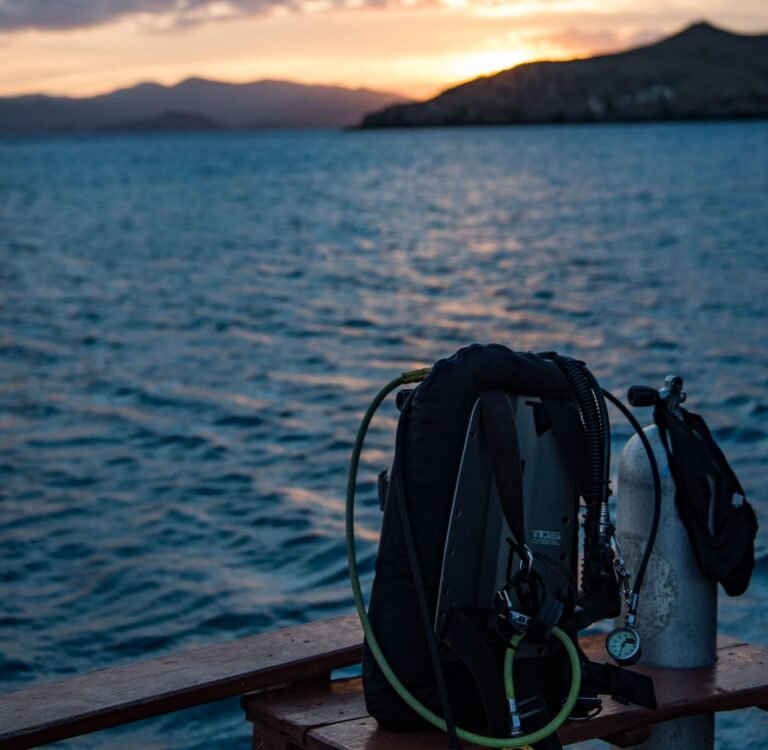
For those embarking on the journey of scuba diving, understanding the essential equipment is crucial. The right scuba diving gear significantly enhances both safety and enjoyment levels underwater. The primary items that novices should consider include masks, snorkels, fins, wetsuits, tanks, and regulators. Each piece plays an important role in ensuring a fulfilling diving experience.
The mask is one of the most vital components of diving gear. It provides clear vision underwater by creating an air pocket in front of the eyes. A good mask also helps in equalizing pressure as divers descend. Additionally, the fit and comfort of the mask are paramount; poorly fitting masks can cause discomfort and hinder the dive experience.
Next, the snorkel allows beginners to breathe while swimming on the surface without lifting their heads out of the water. It is particularly useful during surface intervals or when moving between dive sites. Similarly, fins are essential for effective propulsion underwater. They help divers swim efficiently, thereby conserving energy during dives.
Wearing a wetsuit is also important, especially in tropical waters like those found in Labuan Bajo. Wetsuits provide thermal protection and help prevent abrasions from coral or marine life. Choosing the right thickness is critical based on the dive location and water temperature.
Finally, a reliable tank holds the compressed air needed for breathing during dives. Paired with a regulator, which controls air flow, these items are indispensable for any diver. The regulator ensures that divers receive breathable air at the correct pressure. Therefore, investing in high-quality equipment tailored to personal comfort and fit can significantly enrich the diving experience, ensuring safety and enjoyment in the underwater world.
Getting Certified: The Basics of Scuba Diving Training
Obtaining scuba diving certification is an essential step for anyone looking to explore the underwater world safely and responsibly. Various certification agencies provide training programs designed to teach aspiring divers the necessary skills and knowledge. The two most recognized organizations are the Professional Association of Diving Instructors (PADI) and Scuba Schools International (SSI). Each agency offers a comprehensive curriculum that covers both theoretical knowledge and practical application.
The first step in the certification process is to select a course, which usually follows a structure that includes knowledge development, confined water training, and open water dives. Knowledge development consists of learning about dive theory, safety protocols, and equipment usage. Many students choose to complete this section through e-learning modules, allowing them to study at their own pace before attending practical sessions.
Once students are familiar with the theory, the next phase involves confined water training. This practical segment typically takes place in a swimming pool, where instructors guide students through basic skills, including buoyancy control, mask clearing, and regulator retrieval, in a controlled environment. This step is crucial as it builds confidence and prepares divers for real-world scenarios.
After successfully mastering these skills, students progress to open water training. This part of the certification process involves a series of dives, conducted under the supervision of an instructor. Divers apply what they have learned, gaining valuable experience while adhering to safety standards. Depending on the agency, students may need to complete a specified number of dives, ranging from three to five, to finalize their certification.
Upon successful completion of the training, individuals receive a certification card, which enables them to dive independently or take advanced courses. This certification also serves as a valuable asset for those wishing to continue their scuba diving journey, as it opens the door to more complex and exciting marine explorations.
Best Diving Spots in Labuan Bajo
Labuan Bajo, a gateway to the Komodo National Park, is renowned for its exceptional diving opportunities. The region’s waters are teeming with diverse marine life and captivating underwater landscapes, making it an ideal destination for both novice and experienced divers.
One of the premier diving spots in this area is the Komodo Islands. This unique archipelago offers a variety of dive sites that cater to different skill levels. Its waters are home to vibrant coral reefs, schools of fish, and large pelagic species. Divers can expect to see colorful nudibranchs, sharks, and even the occasional manta ray while exploring these underwater ecosystems.
Manta Point is another must-visit location for scuba diving enthusiasts. Known for its breathtaking encounters with manta rays, this site provides a unique opportunity to observe these majestic creatures gliding gracefully through the water. The underwater topography here consists of rocky formations and coral gardens, adding to the allure of the dive. These gentle giants can often be spotted during their cleaning rituals in the divers’ vicinity, making for an unforgettable diving experience.
read more:What to Expect from Discover Scuba Diving in Labuan Bajo
Padar Island, renowned not just for its stunning landscapes but also for its underwater surprises, is a highlight for many divers. The surrounding waters boast a mix of hard and soft corals, providing shelter to an array of marine species. Many divers are drawn to the vibrant coral gardens where they can observe the colourful clownfish, anemones, and an assortment of reef fish. The striking backdrop of Padar Island adds to the charm of the dive, making it a perfect spot for avid underwater photographers as well.
These exemplary locations exemplify the diverse marine environments that can be found in Labuan Bajo, each offering unique encounters and experiences that contribute to its status as a premier diving destination in Indonesia.
Health and Safety Considerations
Engaging in scuba diving, particularly for beginners in the picturesque locations of Labuan Bajo, requires careful attention to health and safety protocols. Before embarking on a diving adventure, aspiring divers should undergo a thorough pre-dive health check. It is vital to disclose any pre-existing medical conditions to your diving instructor or dive operator, as certain medical issues may limit your ability to dive safely. A medical examination by a qualified professional can help identify any potential risks.
Anxiety is a common issue for new divers, and managing it effectively is crucial for an enjoyable and safe experience. It is advisable to take time to familiarize oneself with scuba diving equipment and procedures before the dive. Practicing deep breathing and relaxation techniques can help to alleviate feelings of apprehension. Furthermore, participating in guided dives with experienced instructors can provide additional support and improve confidence.
While exploring the underwater landscape, divers must always adhere to established depth limits and dive time recommendations established by instructors. These limits are primarily designed to ensure the safety of divers, preventing issues such as decompression sickness. Beginners should also remain aware of their surroundings, avoiding areas with strong currents or hazardous wildlife unless supervised.
In the event of an emergency underwater, such as equipment malfunction or an unexpected ascent, understanding basic emergency protocols is essential. Divers should familiarize themselves with the “buddy system,” where divers stay connected and look out for one another. Moreover, undergoing emergency training as part of scuba diving courses is highly recommended. Overall, prioritizing health and safety can significantly enhance the scuba diving experience in Labuan Bajo.
Plan Your Dive Trip to Labuan Bajo
When considering a scuba diving adventure, Labuan Bajo in Indonesia stands out as an exceptional destination. Planning your dive trip involves several key elements, including the optimal time to visit, selecting a reputable dive operator, finding suitable accommodation, and identifying local attractions to enhance your overall experience.
The best time to visit Labuan Bajo for diving activities is during the dry season, which typically runs from April to December. During these months, you can expect calm seas and excellent visibility, making it easier to appreciate the vibrant marine life that thrives in these crystal-clear waters. Additionally, scheduling your visit for this time frame allows you to avoid heavy rainfall, further enhancing your diving experience.
Choosing the right dive operator is crucial to ensuring a safe and enjoyable experience underwater. It is advisable to look for operators with a solid reputation, proper certifications, and experienced instructors. Many dive shops offer packages ranging from beginner courses to advanced dives, catering to divers of all experience levels. Booking a dive trip in advance is often beneficial, particularly during peak season, as spots on popular excursions tend to fill up quickly.
Accommodation options in Labuan Bajo vary widely, from budget hostels to luxury resorts. Selecting a place close to the harbor can reduce travel time to dive spots. Options like Phinisi hotels or beachfront bungalows offer both comfort and convenience. While not diving, you can explore attractions such as Komodo National Park, known for its stunning landscapes and wildlife, including the famous Komodo dragons, or indulge in authentic local cuisine in the vibrant town.
Incorporating these factors into your planning ensures a memorable diving trip to Labuan Bajo, enabling you to immerse yourself fully in its underwater wonders and vibrant culture.
Connecting with the Local Diving Community
Engaging with the local diving community in Labuan Bajo can significantly enhance your scuba diving experience. This vibrant community comprises seasoned divers, instructors, and recreational enthusiasts who share a passion for exploring the underwater wonders of Komodo National Park. By connecting with these groups, beginners can acquire valuable insights, tips, and firsthand accounts of the best diving spots and practices in the region.
Diving clubs and groups in Labuan Bajo often host events, workshops, and organized dives. Participating in these activities allows novice divers to familiarize themselves with the area while also learning from experienced divers. Networking with fellow enthusiasts can lead to friendships and partnerships that enhance the joy of diving. Additionally, these interactions facilitate a sense of belonging within the diving community.
Moreover, local clubs frequently offer training sessions, equipment rental services, and guided dives, which can be immensely beneficial for beginners. Learning from certified instructors familiar with the local marine life fosters an understanding of best practices, safety measures, and environmental conservation specific to the region. Emphasizing eco-friendly diving practices is paramount, as many local divers advocate for preserving the rich biodiversity found in the waters surrounding Labuan Bajo.
Furthermore, being part of the diving community encourages respectful encounters with local marine ecosystems. Knowledge sharing among divers, especially regarding responsible diving habits and environmental stewardship, plays an important role in protecting the underwater habitats. Whether you join a club, attend local events, or simply connect with fellow divers at the dive shops, engaging with the community deeply enriches the scuba diving experience and empowers beginners to explore Labuan Bajo’s breathtaking underwater landscapes with confidence and respect.
Conclusion: Embarking on Your Scuba Adventure
As we reach the end of this comprehensive guide to scuba diving in Labuan Bajo, it is essential to reflect on the key points that can help shape your diving experience. Labuan Bajo, with its vibrant marine life and stunning underwater landscapes, offers a unique opportunity for both beginner and experienced divers to immerse themselves in the beauty of nature. Preparation is paramount; ensuring you have the necessary training, equipment, and safety measures in place will allow you to fully enjoy your underwater adventures.
Before embarking on your scuba diving journey, remember to choose a certified dive center. Professional instructors will not only guide you through the essentials of safe diving but also enhance your appreciation of the pristine environment. Learning about marine conservation and responsible diving practices is vital, as it fosters a more sustainable interaction with the underwater world.
Diving in Labuan Bajo is undoubtedly a thrilling experience, not only because of the rich biodiversity but also due to the sense of adventure it brings. By taking certified courses and gaining the confidence needed to explore the depths, you unlock the door to an ecosystem that few get to witness up close. Each dive can lead to new discoveries; from encountering colorful coral reefs to witnessing the elegance of marine creatures such as manta rays and turtles, the underwater realm has much to offer.
In conclusion, the ocean invites you to step beyond the ordinary and discover its wonders. With proper guidance and preparation, you can confidently embrace the exhilarating world of scuba diving. So equip yourself with knowledge, gear up, and take the plunge into the breathtaking beauty that awaits in Labuan Bajo’s underwater adventure.