Batu Bolong Dive Site: The Most Famous Dive in Komodo
Batu Bolong is an iconic dive site located in the heart of Komodo National Park, Indonesia, a UNESCO World Heritage site renowned for its stunning marine biodiversity. This dive site is situated between the islands of Komodo and Rinca, making it highly accessible for both liveaboard diving trips and day trips from nearby ports. Divers from around the world flock to Batu Bolong due to its exceptional underwater landscapes and diversified marine life, ensuring a captivating experience for all skill levels.
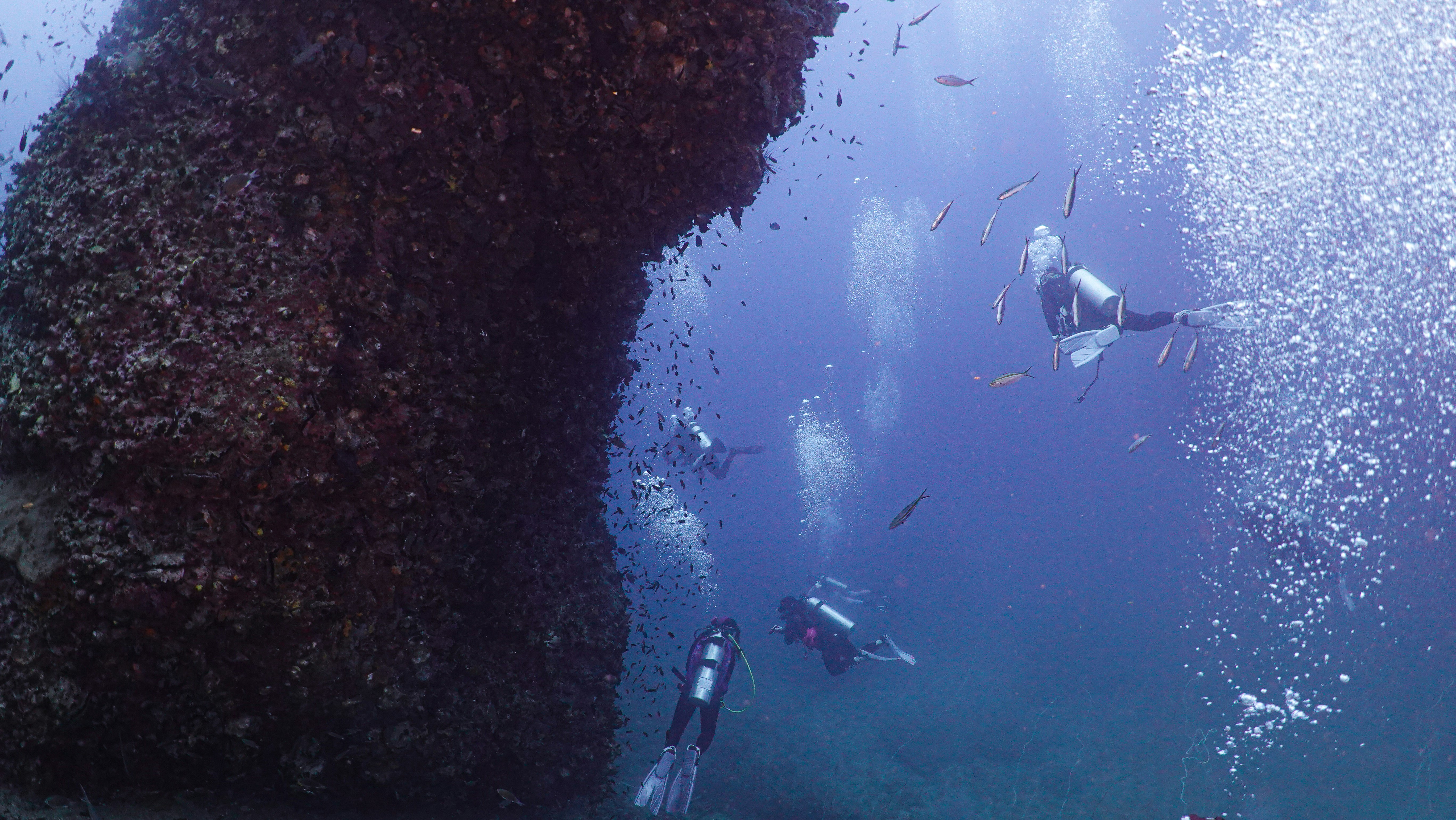
The unique geographical features of Batu Bolong include a submerged reef that rises dramatically from the ocean floor, creating a spectacular wall dive. This underwater topography facilitates the formation of numerous overhangs and caverns, which serve as habitats for various species of fish and marine creatures. As divers explore these depths, they are often treated to vibrant coral gardens and an impressive array of marine biodiversity, including large schools of jacks, barracuda, and many species of reef fish, making it a true paradise for underwater exploration. Among the hundreds of dive sites scattered across the waters of Komodo National Park, one name stands above the rest: Batu Bolong Dive Site. Ask experienced divers who have explored Indonesia’s underwater world, and many will mention Batu Bolong as one of the most memorable dives they have ever experienced.
Located between Komodo Island and Tatawa Island, Batu Bolong is often described as the crown jewel of diving in Komodo. The site is famous for its incredible biodiversity, dense coral coverage, dramatic underwater topography, and the thrilling currents that attract large schools of fish and pelagic species.
For many divers, visiting Komodo without diving Batu Bolong would be like visiting Paris without seeing the Eiffel Tower.
Whether you are planning your first Komodo diving adventure or returning for another unforgettable underwater experience, this comprehensive guide will explain everything you need to know about Batu Bolong Dive Site.

Moreover, the currents that flow through Batu Bolong create nutrient-rich waters, attracting large pelagic species that are a major draw for divers. The area’s pristine environment is also notable for the presence of sea turtles and the occasional sighting of manta rays and sharks. This enchanting underwater realm delivers not only thrilling encounters with marine life but also an opportunity for photographers to capture stunning images of vibrant corals and the dynamic interplay of light and shadow beneath the surface.
In summary, Batu Bolong is a remarkable dive site that exemplifies the allure of Komodo National Park, offering divers an unforgettable experience filled with natural beauty and incredible wildlife. Whether you are a novice diver seeking adventure or an experienced diver craving exploration, Batu Bolong promises to be a highlight of any diving itinerary in the region.
Marine Life and Biodiversity
Batu Bolong, a renowned dive site located in the Komodo National Park, is celebrated for its extraordinary marine biodiversity. Divers are welcomed into an underwater paradise, teeming with vibrant coral reefs and diverse marine species. This underwater ecosystem serves as a sanctuary for numerous species, which are essential indicators of the health of the aquatic environment.
One of the striking features of Batu Bolong is its colorful coral reefs. These reefs provide habitats for a myriad of fish species, including anthias, clownfish, and butterflyfish. The complex structure of the coral creates a suitable environment for juvenile fish, aiding in their growth and survival. Moreover, the reefs play a pivotal role in nutrient cycling and offer protection against coastal erosion.
In addition to the remarkable coral formations, Batu Bolong hosts various pelagic species. Divers can encounter large schools of jacks, snapper, and even majestic tunas. The site is also known for sightings of large pelagic fish, including predators such as sharks and rays. Reef sharks and the graceful manta rays glide through the waters, which adds to the site’s allure and reputation amongst divers.
The ecological significance of Batu Bolong extends beyond mere attraction; it showcases a vibrant, interconnected marine ecosystem. The presence of these species signifies a healthy marine environment where biodiversity thrives. Moreover, the interaction among these various organisms contributes significantly to the overall health of the ocean, making Batu Bolong a crucial habitat within the Komodo waters. The site’s unique features and rich biodiversity further validate its status as a premier dive destination and marine hotspot.
Diving Conditions and Experience
The Batu Bolong dive site is renowned for its dynamic diving conditions, making it an attractive destination for divers of varying skill levels. The water temperature typically ranges between 27°C to 30°C (81°F to 86°F), offering a pleasant environment. These temperatures remain relatively stable throughout the year, ensuring a comfortable experience for divers. However, it is advisable for divers to use appropriate exposure protection to accommodate personal comfort and thermal preferences during longer dives.
Visibility at Batu Bolong is generally impressive, ranging between 20 to 40 meters (66 to 131 feet), which is ideal for observing the vibrant underwater ecosystem. However, visibility can fluctuate depending on seasonal changes and the occurrence of plankton blooms. The best visibility conditions are often found from late April to early September, coinciding with drier weather patterns.

Currents at Batu Bolong are another critical factor that divers must consider. The site is known for its strong rip currents, particularly during tidal changes, which can present challenges even to experienced divers. As such, great care should be exercised, and divers are encouraged to dive with a buddy or guided groups. Beginner divers can still enjoy Batu Bolong by participating in guided tours that allow them to navigate these currents more safely.
The best times to dive at Batu Bolong are during the dry season, from April to December, when underwater conditions are generally favorable. This period not only provides clear visibility and manageable currents but also allows divers to witness an abundance of marine life, including the famous Manta Rays and vibrant coral reefs. In conclusion, understanding these conditions will aid divers in preparing adequately for their adventure at the Batu Bolong dive site, enhancing both safety and enjoyment during their experience.
Conservation Efforts and Responsible Diving
The Batu Bolong Dive Site, nestled within the Komodo National Park, is celebrated for its incredible biodiversity and stunning underwater landscapes. However, alongside the attraction of this vibrant marine ecosystem, there are significant threats posed by human activity and environmental changes. Overfishing, pollution, and climate change are among the leading challenges that jeopardize the delicate balance of life beneath the waves.
In response to these pressing issues, various conservation efforts are being implemented to safeguard the marine environment of Komodo National Park. Local organizations and the Indonesian government are collaborating to develop sustainable fishing practices and establish marine protected areas that limit harmful activities. These initiatives are essential to restore the health of coral reefs and boost fish populations, ensuring that future generations can experience the same breathtaking dives that current visitors enjoy.
Divers play a crucial role in the conservation of Batu Bolong. By adopting responsible diving practices, divers can contribute to the overall health of the marine ecosystem. This includes refraining from touching or disturbing marine life, not collecting souvenirs from the ocean, and minimizing finning techniques that may damage fragile coral formations. Additionally, divers are encouraged to choose eco-friendly dive operators that prioritize sustainability, adhere to strict guidelines, and contribute to ongoing conservation projects.
Promoting eco-friendly tourism is vital for preserving the beauty and integrity of this precious marine environment. As custodians of the ocean, every diver has the opportunity to support these conservation efforts, whether through volunteer programs, financial contributions, or simply spreading awareness about the importance of protecting marine life. By fostering a culture of responsible diving, we can ensure that Batu Bolong and its magnificent underwater world remain a haven for both biodiversity and exploration for years to come.
What Does Batu Bolong Mean?
In Indonesian, “Batu Bolong” literally means “Rock with a Hole.” The dive site gets its name from the small rocky island that rises from the sea. Historically, there was a visible hole within the rock formation, although natural erosion and changing sea conditions have altered its appearance over time. Above the water, the island looks relatively small and unremarkable. Below the surface, however, it transforms into one of the richest marine ecosystems in Southeast Asia. The underwater pinnacle descends steeply into deep blue water, creating ideal conditions for nutrient-rich currents that support an astonishing amount of marine life.
Where Is Batu Bolong Dive Site Located?

Batu Bolong is located in the central region of Komodo National Park, between:
- Komodo Island
- Tatawa Island
The site sits directly in one of the channels where tidal currents flow between the islands. These currents bring massive amounts of plankton and nutrients, creating a thriving ecosystem that supports everything from tiny reef fish to large pelagic predators. From Labuan Bajo, Batu Bolong is typically reached by:
- Day trip dive boats
- Liveaboard diving cruises
- Private diving charters
Travel time usually ranges between 1.5 and 3 hours depending on weather and boat type.
Why Batu Bolong Is Considered the Best Dive Site in Komodo
Many dive sites claim to be world-class. Very few consistently exceed expectations. Batu Bolong has earned its reputation because it combines several exceptional factors rarely found in a single location:
Extraordinary Coral Health
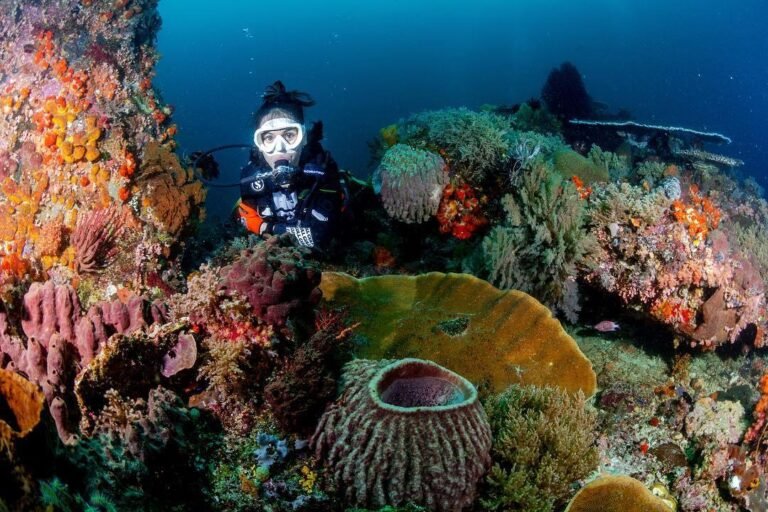
One of the first things divers notice is the remarkable coral coverage. Unlike many reefs around the world that have suffered significant degradation, Batu Bolong remains vibrant and healthy. The pinnacle is covered with:
- Hard corals
- Soft corals
- Table corals
- Branching corals
- Colorful sponges
- Sea fans
The density of marine life is often so great that divers struggle to know where to look. Every square meter of reef seems alive.
Massive Fish Schools
Batu Bolong is famous for enormous schools of fish. Divers frequently encounter:
- Fusiliers
- Surgeonfish
- Triggerfish
- Sweetlips
- Snapper
- Trevallies
- Barracudas
The currents naturally concentrate fish around the pinnacle. This creates breathtaking underwater scenes where thousands of fish move together in synchronized formations. Many photographers consider Batu Bolong one of the best fish-school photography locations in Indonesia.
Stunning Visibility
Visibility often ranges from:
- 15 meters
- 20 meters
- 25 meters
- Occasionally over 30 meters
On exceptional days, divers can clearly see the entire reef structure surrounded by schools of fish suspended in crystal-clear blue water.
Rich Biodiversity
Komodo National Park lies within the Coral Triangle, the most biodiverse marine region on Earth. Batu Bolong showcases this biodiversity at its absolute best. During a single dive, divers may encounter:
- Reef sharks
- Napoleon wrasse
- Giant trevallies
- Barracuda
- Turtles
- Tuna
- Spanish mackerel
- Moray eels
- Scorpionfish
- Leaf fish
- Nudibranchs
Few dive sites offer such diversity in a single location.
The Underwater Topography
The underwater structure of Batu Bolong plays a major role in its fame. The site consists of a submerged pinnacle rising dramatically from deep water. The pinnacle begins far below recreational diving depths and rises almost vertically toward the surface. This creates several dive zones:
Shallow Reef
Depth:
- 5–15 meters
Characteristics:
- Bright coral gardens
- Dense reef fish populations
- Excellent natural light
- Ideal photography opportunities
Many divers spend significant portions of their dive in this area because the marine life is simply overwhelming.
Mid-Level Reef
Depth:
- 15–25 meters
Characteristics:
- Larger fish schools
- Hunting predators
- Stronger current activity
This zone often delivers the most exciting encounters.
Deep Wall
Depth:
- 25–40 meters and beyond
Characteristics:
- Pelagic species
- Open ocean encounters
- Strong currents
Only experienced divers should venture into deeper sections under professional supervision.
Marine Life You Can Expect to See

Reef Sharks
White-tip reef sharks are commonly spotted patrolling the reef. Divers often observe them resting under coral ledges or cruising through the current.
Sea Turtles
Both green turtles and hawksbill turtles frequently visit the reef. Many turtles appear surprisingly comfortable around divers.
Giant Trevallies
GTs are among the most exciting predators seen at Batu Bolong. These powerful hunters often use the current to ambush schools of fish.
Napoleon Wrasse
One of the largest reef fish in the world, Napoleon wrasse are regularly observed around the pinnacle. Their size and curious behavior make them unforgettable encounters.
Barracuda
Large barracuda schools can appear suddenly from the blue. Their reflective bodies create incredible photographic opportunities.
Tuna and Mackerel
Fast-moving pelagic species frequently pass through the site. They are attracted by the abundance of baitfish concentrated around the reef.
Diving Conditions at Batu Bolong
Understanding the conditions is essential before diving this site.
Current
Currents are the defining characteristic of Batu Bolong. They can range from:
- Mild
- Moderate
- Strong
- Very strong
Currents create the rich ecosystem but also require careful dive planning. Professional dive guides closely monitor tidal movements before entering the water.
Water Temperature
Average temperatures range between:
- 25°C
- 29°C
The southern influence occasionally brings cooler water. A 3mm to 5mm wetsuit is generally recommended.
Visibility
Visibility varies seasonally but is often excellent. Typical range:
- 15–30 meters
Is Batu Bolong Suitable for Beginners?
This is one of the most common questions. The answer depends on conditions. While the reef itself is stunning and accessible, the surrounding currents can be challenging. Generally recommended for:
- Advanced Open Water divers
- Experienced Open Water divers with current experience
- Divers comfortable with drift diving
Complete beginners should always follow guidance from professional dive operators. Some days are suitable for less experienced divers, while others are not. Safety must always come first.
Why Underwater Photographers Love Batu Bolong
Batu Bolong offers exceptional opportunities for both wide-angle and macro photography. Wide-angle subjects:
- Fish schools
- Reef sharks
- Coral-covered pinnacles
- Turtle encounters
Macro subjects:
- Nudibranchs
- Shrimp
- Tiny reef fish
- Colorful invertebrates
The combination of healthy coral and abundant marine life creates almost endless photographic possibilities.
Best Time to Dive Batu Bolong
Komodo is a year-round diving destination. However, conditions vary by season.
March to June
Highlights:
- Excellent visibility
- Pleasant temperatures
- Healthy coral conditions
Many divers consider this one of the best periods.
July to September
Highlights:
- Strong currents
- More pelagic activity
- Excellent underwater action
Popular among experienced divers.
October to November
Highlights:
- Stable weather
- Great visibility
- Comfortable conditions
Excellent for underwater photography.
December to February
Highlights:
- Warm water
- Lush landscapes
Visibility can vary depending on rainfall.
Safety Tips for Diving Batu Bolong
Listen to Your Dive Guide
Local dive professionals understand the site’s complex currents. Always follow their instructions.
Maintain Good Buoyancy
Strong buoyancy control protects both divers and coral reefs.
Stay Close to the Group
Separation can occur quickly in moving water. Remain within visual range of your guide.
Avoid Touching Coral
The reef ecosystem is fragile.Practice responsible diving techniques.
Monitor Air Frequently
Exciting marine life can distract divers from tracking air consumption. Regular checks are essential.
Batu Bolong Compared to Other Famous Komodo Dive Sites
Batu Bolong vs Manta Point
Manta Point Manta Point specializes in manta ray encounters. Batu Bolong offers greater reef biodiversity and fish density.
Batu Bolong vs Castle Rock
Castle Rock Castle Rock is known for pelagic action and stronger currents. Batu Bolong typically provides richer coral coverage.
Batu Bolong vs Crystal Rock
Crystal Rock Crystal Rock offers excellent pelagic encounters. Batu Bolong generally delivers a more balanced combination of coral, reef fish, and predators.
A Personal Experience at Batu Bolong
Many divers describe their first Batu Bolong dive in remarkably similar ways. The descent begins beside an isolated rock rising from the sea. Within moments, the reef appears. Then the colors emerge. Orange anthias hover above coral heads. Schools of fusiliers stream past in every direction. Predators circle in the distance. Every section of the reef seems alive. Instead of searching for marine life, divers often find themselves overwhelmed by how much there is to see. It is one of those rare places where expectations are not only met—they are exceeded.
Sustainable Diving at Batu Bolong
The popularity of Batu Bolong comes with responsibility. Visitors should help protect the reef by:
- Choosing eco-conscious dive operators
- Avoiding reef contact
- Using reef-safe sunscreen
- Respecting marine wildlife
- Supporting conservation initiatives
Komodo’s reefs are among Indonesia’s greatest natural treasures. Future generations deserve the opportunity to experience them as well.
How to Include Batu Bolong in Your Komodo Diving Trip
Most divers visit Batu Bolong through:
- Full-day diving trips from Labuan Bajo
- Multi-day liveaboards
- Private diving charters
Combining Batu Bolong with sites such as Manta Point, Castle Rock, and Crystal Rock creates one of the finest diving itineraries anywhere in the world. For travelers seeking the ultimate underwater adventure, Batu Bolong is often the highlight of the entire journey. Batu Bolong Dive Site is not merely the most famous dive site in Komodo—it is one of the most celebrated dive sites in the world. Its extraordinary coral gardens, dense marine biodiversity, thrilling currents, and unforgettable underwater scenery create an experience that stays with divers long after they leave Komodo National Park. Whether you are fascinated by vibrant coral reefs, large fish schools, reef sharks, turtles, or underwater photography, Batu Bolong delivers an underwater spectacle few destinations can match.For many divers, one visit is enough to understand why Batu Bolong has become a legend. For others, a single dive only creates the desire to return again and again to the beating heart of Komodo’s underwater paradise.