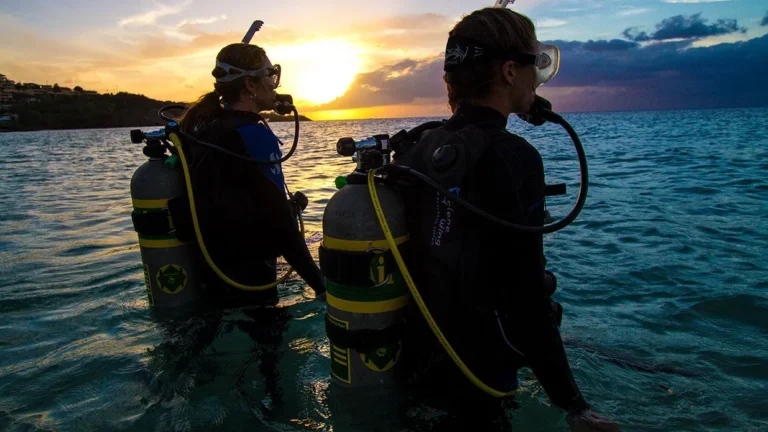
Beginner & First-Time Divers: Your Complete Guide to Diving in Labuan Bajo
For many travelers, scuba diving is more than just an activity — it is a life-changing experience. If you are a beginner or trying diving for the very first time, there is no better place to start than Labuan Bajo and the world-famous Komodo National Park. With crystal-clear waters, colorful coral reefs, calm beginner-friendly dive sites, and incredible marine life, this tropical paradise has become one of the best destinations in the world for first-time divers.
Many people believe scuba diving is only for experienced adventurers, but that is not true. Every professional diver started as a beginner. In Labuan Bajo, experienced dive instructors help first-time divers feel safe, comfortable, and confident underwater. Even if you have never worn diving equipment before, you can still enjoy your first underwater adventure in Komodo.
One of the biggest reasons beginner divers love Labuan Bajo is the visibility underwater. In many dive spots around Komodo, the water is so clear that you can easily see coral gardens, tropical fish, turtles, and sometimes even manta rays. The warm tropical water also makes diving more comfortable for new divers who may feel nervous during their first experience.

. Aktivitas ini cocok untuk pemula maupun diver profesional yang ingin menjelajahi keindahan laut Komodo.
For first-time divers, introductory diving programs are available almost every day. These programs are designed specifically for beginners with no certification. Before entering the water, professional instructors explain the basics of breathing underwater, using dive equipment, safety procedures, and underwater communication signals. After a short training session, beginners are taken to shallow and calm dive sites where they can slowly adapt to the underwater environment.
Some of the best beginner-friendly dive spots in Komodo include shallow coral reefs with gentle currents and beautiful marine biodiversity. Unlike advanced dive sites known for strong currents, beginner sites focus on safety, comfort, and enjoyment. Divers can swim alongside clownfish, angelfish, parrotfish, sea turtles, and vibrant coral reefs without feeling overwhelmed.
Another reason many travelers choose Labuan Bajo for their first diving experience is the combination of adventure and natural beauty above the water. Between dives, visitors can relax on white sandy beaches, explore small tropical islands, enjoy breathtaking sunsets, and experience the famous Komodo boat trips. Many travelers say their first diving experience in Komodo became one of the most unforgettable moments of their trip to Indonesia.
For European travelers and international tourists, diving in Labuan Bajo also feels more accessible because many dive centers use English-speaking instructors and international safety standards. Whether you are traveling solo, as a couple, or with friends, beginner diving packages are available for all types of travelers.
If you want to continue your diving journey, Labuan Bajo is also one of the best places to complete an Open Water Diver certification course. Most courses take around 3–4 days and allow beginners to become certified divers capable of exploring dive sites around the world. Learning to dive in Komodo is not only exciting but also incredibly rewarding because students practice in one of the most beautiful marine environments on Earth.

Many first-time divers are initially nervous about breathing underwater or being surrounded by the ocean. However, after only a few minutes underwater, fear often transforms into excitement and amazement. Floating weightlessly above coral reefs while watching tropical fish swim around you creates a feeling that is difficult to describe. It is peaceful, calming, and unforgettable.
The best time for beginner divers to visit Labuan Bajo is during the dry season when sea conditions are calmer and visibility is excellent. However, diving is possible throughout most of the year thanks to Indonesia’s tropical climate.
If you are searching for your first diving adventure, Labuan Bajo offers the perfect combination of safety, beauty, and unforgettable experiences. From colorful reefs to incredible marine life, every dive introduces a completely new world beneath the surface of the ocean. For many travelers, their first dive in Komodo becomes the beginning of a lifelong passion for exploring the underwater world.
Understanding the Basics
In embarking on any new journey, particularly in specialized fields, a foundational understanding is crucial. This ensures that learners can build upon their knowledge as they progress. One fundamental concept every beginner should grasp is the significance of terminology. Familiarizing oneself with key terms enables smoother communication and comprehension within the field. For instance, understanding basic terms such as “concept,” “technique,” and “framework” can significantly enhance one’s ability to engage with more complex topics later on.
Alongside terminology, grasping fundamental principles is equally vital. Each field tends to have its guiding principles which serve as a roadmap for learners. These principles often dictate best practices and highlight the core values of the discipline. For example, a deep understanding of foundational theories will not only help in applying knowledge but also in critically evaluating new information as it becomes available.
Additionally, beginners should become acquainted with essential tools that are commonly utilized within the field. Tools encompass a wide array of resources, from software programs to methodologies that facilitate task execution. Familiarity with these tools is important; they significantly affect both the efficiency and success rate of one’s efforts. Depending on the focus area, tools may further include specific applications geared towards project management or data analysis.
In summary, understanding the foundational concepts—a mix of key terminology, basic principles, and essential tools—is vital for newcomers. This comprehension lays the groundwork for deeper learning and exploration, paving the path for successful engagement in the field. The journey may be complex, but starting with a solid base simplifies the learning process considerably.
Identifying Your Goals
Setting clear objectives is a crucial first step on your journey, particularly for beginners. By establishing specific goals, you can create a framework that guides your actions and decisions. The process of self-assessment is essential in this regard—it allows you to reflect on your values, passions, and aspirations. Begin by asking yourself what truly interests you and what areas you wish to explore. This introspection will help clarify both personal and professional motivations.
Once you have a better grasp of your interests, consider delineating short-term and long-term goals. Short-term goals often serve as stepping stones towards larger ambitions, making the overall journey less daunting. For instance, if you’re a beginner looking to advance your career, a short-term goal might be enrolling in a relevant course, while a long-term goal could be achieving a specific position within your desired field. This strategic planning ensures that your objectives remain aligned with your evolving aspirations.

Creating a roadmap is another effective strategy. Visualize your goals in a way that displays the necessary steps to achieve them. This could involve drafting a timeline, setting deadlines, or listing resources required to reach each milestone. Keeping your roadmap visible aids in maintaining motivation and accountability. It’s important to stay flexible; as a beginner, you may discover new interests or face unforeseen challenges that require adjustments to your goals.
In summary, identifying your goals is a foundational component of starting your journey. By engaging in self-assessment, delineating your objectives, and creating a roadmap, you set yourself up for success, ensuring that your endeavors resonate with your personal and professional aspirations.
Learning Resources and Strategies
Embarking on a new learning journey can be both exciting and overwhelming. The right resources can significantly enhance the experience for beginners. One of the primary resources available are books that cater to novice learners. These books often cover fundamental concepts while gradually introducing more complex topics. They can serve as a solid foundation and reference throughout the learning process.
In the digital age, online courses have become increasingly popular. Platforms such as Coursera, Udemy, and Khan Academy offer a variety of courses tailored specifically for beginners. These courses typically include instructional videos, interactive quizzes, and peer interactions, combining theoretical knowledge with practical applications. Engaging with these resources allows learners to grasp essential skills at their own pace.

Tutorials are equally valuable, especially for those who benefit from visual learning. YouTube and educational blogs provide countless tutorials where instructors break down concepts step-by-step. This method allows beginners to follow along with real-time examples, enhancing comprehension and retention.
A crucial aspect of learning involves community engagement. Forums such as Reddit or specialized Discord channels offer beginners the opportunity to connect with fellow learners and experts. Engaging in discussions, asking questions, and sharing experiences can provide insights that solitary study may not yield. Furthermore, community feedback can help learners identify strengths and areas for improvement.
To solidify their understanding, beginners should adopt effective learning strategies. Regular practice is paramount; it allows individuals to apply what they have learned and reinforce their skills. Setting specific goals, such as completing a project or mastering a topic, can also drive motivation. Lastly, reflecting on one’s learning journey by reviewing what has been achieved and identifying challenges can provide a comprehensive understanding of the acquired knowledge and skills.
Overcoming Challenges and Staying Motivated
Embarking on a new learning journey can be both exciting and daunting. For beginners, several challenges may arise, including frustration with complex concepts, time management issues, and self-doubt. Acknowledging these obstacles is the first step toward overcoming them and maintaining motivation throughout the process.
One common challenge is the struggle with understanding new material, especially in fields that require a steep learning curve. To combat this, breaking down complex ideas into smaller, more manageable components can be beneficial. Instead of trying to grasp the entirety of a topic at once, focus on mastering one aspect at a time. This approach not only simplifies learning but also fosters a sense of accomplishment as you build your knowledge gradually.
Time management also presents a significant issue for beginners. With various responsibilities competing for attention, it is crucial to set a dedicated schedule for learning. Try allocating specific time slots during the week solely for this purpose, ensuring that you create a routine that becomes a non-negotiable part of your day. This consistency helps reinforce the commitment to your learning journey.

Moreover, maintaining motivation is essential for continued progress. Setting achievable short-term goals can boost motivation significantly; celebrate milestones along the way to remind yourself of your achievements. Additionally, connecting with a community of learners can provide support and encouragement. Engaging with like-minded individuals who share similar interests can enhance your experience and help motivate you to persist through difficulties.
In conclusion, while challenges are an inevitable part of the learning process, employing strategies such as breaking down material, managing your time effectively, and fostering connections within a learning community can keep you motivated. By embracing these techniques, beginners can navigate their journey with confidence and resilience, ultimately leading to success in their endeavors.
FAQ – Beginner & First-Time Divers
1. Do I need experience to try diving in Labuan Bajo?
No. First-time divers can join “Discover Scuba Diving” programs without any prior experience. Instructors will guide you step by step.
2. Is diving in Komodo safe for beginners?
Yes. Beginner dives are conducted in calm, shallow areas with certified instructors and strict safety procedures.
3. Can non-swimmers try scuba diving?
Yes, in many cases. However, you should be comfortable in water and follow instructor guidance closely.
4. What will I see during my first dive?
You may see colorful coral reefs, tropical fish, sea turtles, and sometimes manta rays depending on the dive site.
5. How deep do beginner divers go?
First-time divers usually stay between 5–12 meters, depending on comfort level and dive conditions.
6. Do I need a diving license?
No license is required for introductory dives. Certification is only needed if you want to dive independently later.
7. How long does a beginner dive experience take?
A typical experience lasts half a day, including briefing, practice, and one guided dive.
8. What should I bring for my first dive?
Bring swimwear, a towel, sunscreen, and a change of clothes. Dive equipment is provided by the operator.
9. What is the minimum age for diving?
Most dive centers accept beginners from around 10 years old, depending on health and comfort in water.
10. When is the best time for beginner diving in Labuan Bajo?
The dry season (April–November) is ideal due to calmer seas and better underwater visibility.