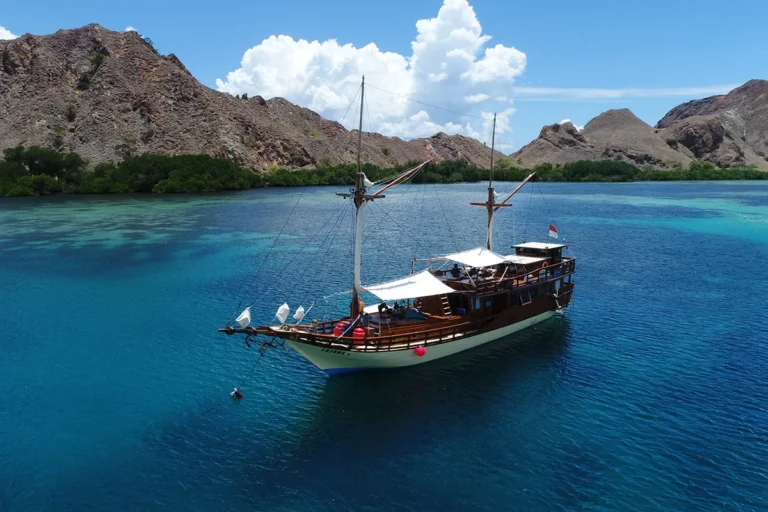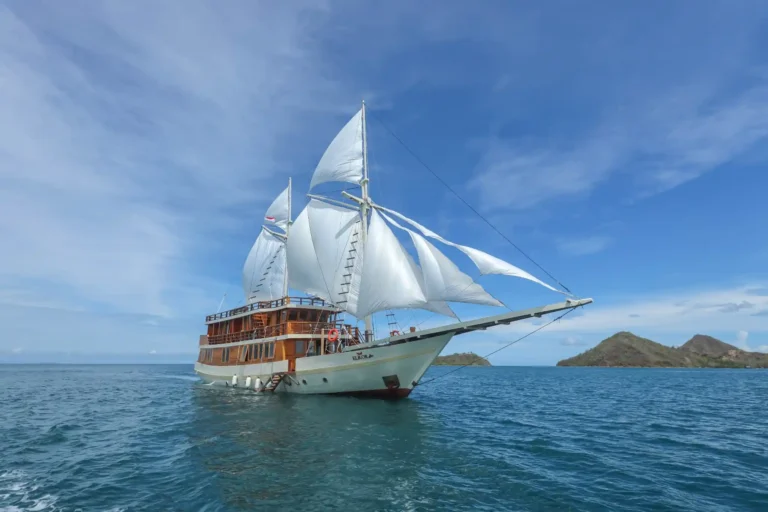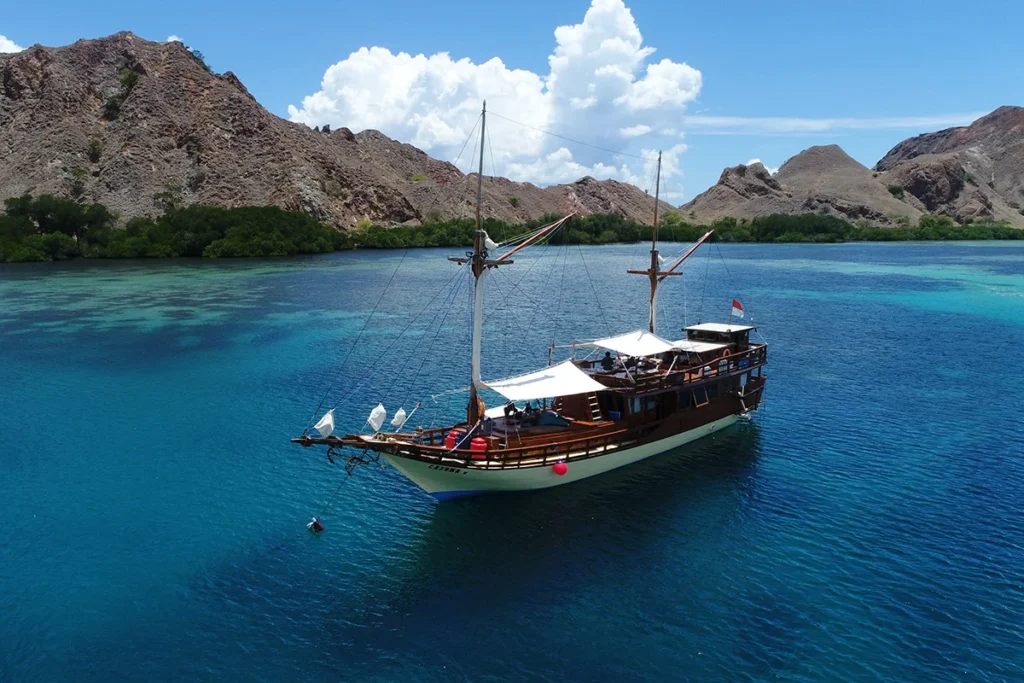
A three-day, two-night boat trip offers a concentrated introduction to Komodo National Park, combining island visits, coastal scenery, swimming, and opportunities to see wildlife. Depending on the route and sea conditions, travelers may visit Padar Island, Komodo or Rinca to look for Komodo dragons with a guide, and popular snorkeling spots such as Pink Beach. The schedule is active, and time at each stop is limited, so it is best viewed as a highlights tour rather than an exhaustive exploration. Most trips depart from Labuan Bajo, the main gateway to the park, and return there on the final day.
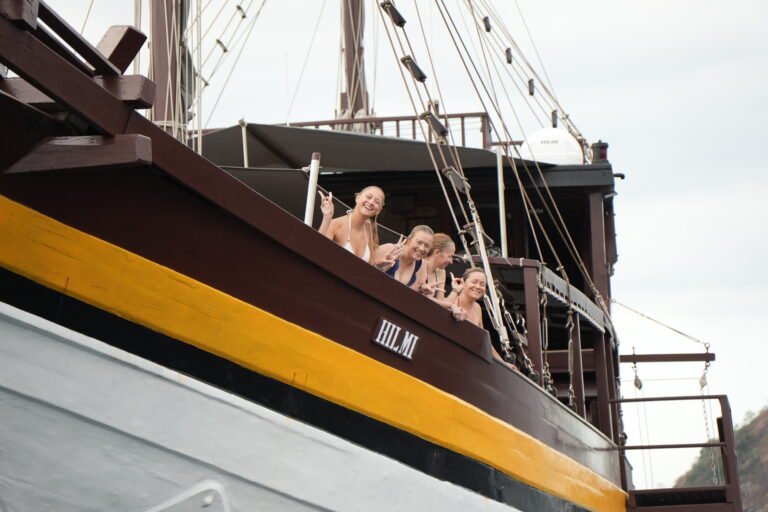
Travelers can choose a shared boat or a private charter. Shared trips are generally more affordable and provide a set itinerary, while private boats offer greater control over timing and stops, usually at a higher cost. Comfort varies considerably: some vessels provide air-conditioned cabins and private bathrooms, while simpler boats have basic shared facilities. Before booking, ask for clear details about sleeping arrangements, meals, drinking water, and what the fare includes. Check the operator’s safety standards, emergency equipment, crew qualifications, and experience, and request the planned itinerary. A reputable operator should explain possible route changes rather than guarantee conditions it cannot control.
The drier months, commonly April to November, are often favored for calmer seas and more predictable travel, though weather can change at any time. Wind, swell, or rain may affect crossings and make certain stops impractical, so keep plans flexible and follow crew guidance. Reserve well ahead for busy periods, and confirm current park fees and whether they are included in the price. Pack sun protection, swimwear, a light jacket for breezy evenings, suitable walking footwear, and any motion-sickness remedies you may need. Bring enough cash for expenses where card access is limited, and verify payment arrangements before departure. A little preparation helps make the short itinerary more comfortable and avoids surprises along the way.
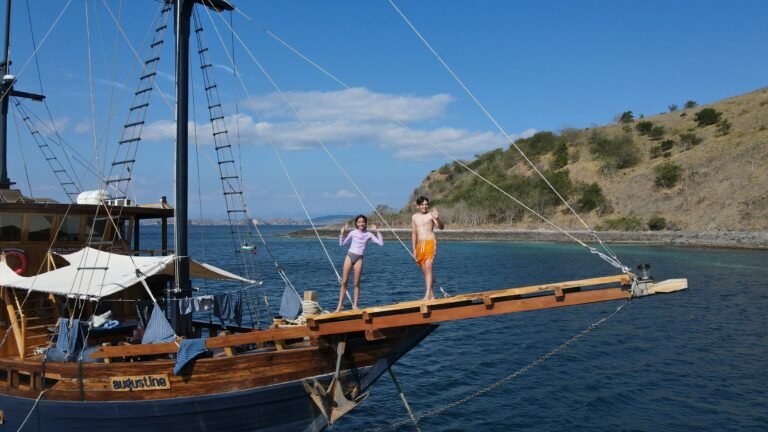
A three-day, two-night boat trip usually begins in Labuan Bajo, where guests board in the morning, meet the crew, and receive a briefing on safety and the route. After settling into cabins or shared sleeping areas, the boat heads out through the islands of Komodo National Park. The first leg is often scenic, with time on deck to watch the changing coastline and sea. Depending on conditions and the schedule, the crew may stop at a sheltered beach or snorkeling site for a swim. Later, the boat anchors at an approved location for the night, with dinner served aboard.
Day two often starts before sunrise with a transfer to Padar Island. A guided hike to its viewpoint can reward early risers with broad views over the island’s bays, but the trail includes uneven ground and exposed sections. Bring water, suitable footwear, and sun protection, and follow the guide’s directions. After returning to the boat, the itinerary may include a beach visit or snorkeling stop before a guided walk on Komodo or Rinca. Park guides lead visitors along designated routes and explain how to observe dragons safely. Wildlife sightings are possible, but never guaranteed.
On the final day, some boats offer an early start for a sunrise view or a quiet island stop, followed by a last opportunity to snorkel if sea conditions and timing allow. The boat then returns to Labuan Bajo, typically arriving later in the day; confirm the expected arrival time before arranging onward transport. This outline is only a planning example: exact stops depend on weather, boat schedules, park regulations, and the operator’s route. Strong currents, rough seas, or other safety concerns may require changes, including a reordered itinerary or skipped stop. Stay flexible and follow crew and park staff instructions throughout the trip.
read more :Articles – Visit Labuan Bajo Komodo
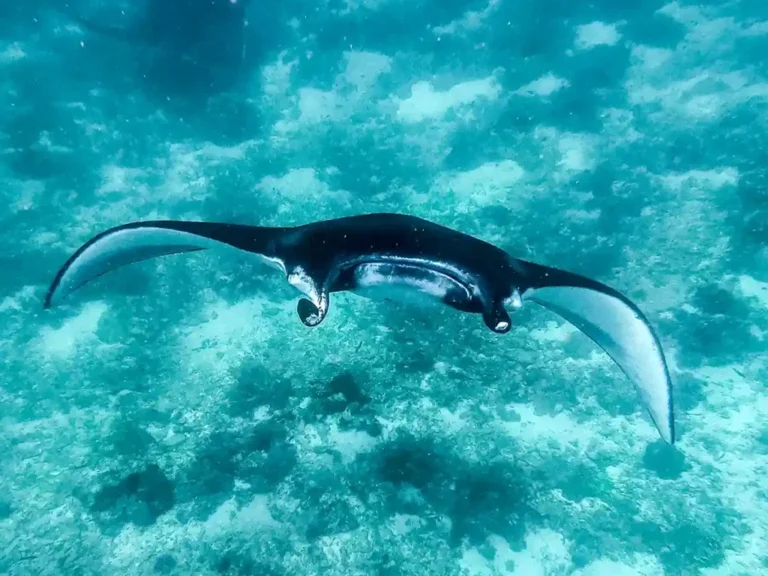
A three-day boat journey through Komodo National Park brings together wildlife encounters and striking island scenery. Komodo dragons, the region’s best-known residents, may be seen on guided walks across dry, rugged terrain. Beyond the trails, steep hills, savannah-covered slopes, and secluded coves create a landscape that changes from island to island. Clear-water bays offer views beneath the surface, while coral reefs support colorful fish and other marine life. Snorkeling stops can add a close look at this underwater environment, although sightings vary with conditions and should never be guaranteed.
Dragon walks must be led by authorized park rangers, whose instructions help protect both visitors and wildlife. Keep the distance they specify, stay with the group, and follow the marked trail and all park rules. Never feed, approach, chase, or attempt to touch a wild animal. These precautions matter even when a dragon appears calm: its behavior can be unpredictable, and keeping space also reduces stress to the animal. Listen carefully during the briefing, and tell the ranger if you have mobility or health concerns before setting out.
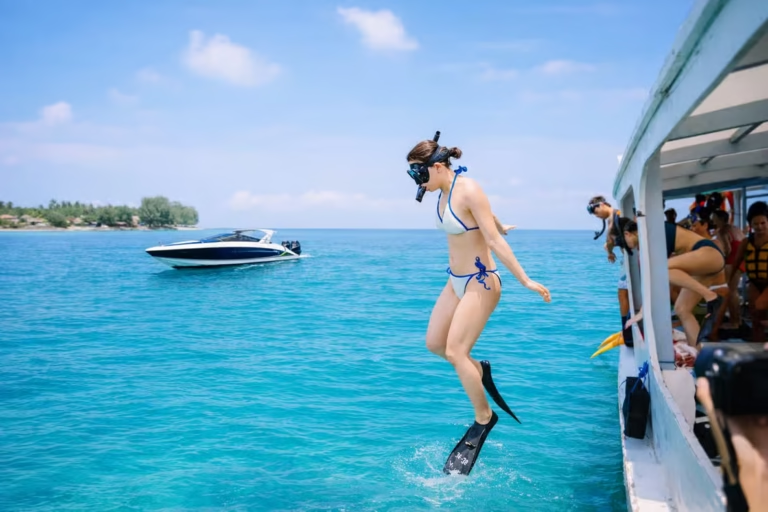
Responsible snorkeling helps preserve the reefs that make these waters memorable. Avoid touching or standing on coral, which can be damaged by even brief contact, and do not disturb, pursue, or handle marine animals. Use reef-safe sun protection where appropriate, and consider a rash guard to limit the amount of sunscreen entering the water. Secure loose gear and follow your guide’s directions about currents, entry points, and safe swimming areas. Park access, routes, fees, and permitted activities can change, sometimes at short notice. Before departure, verify current requirements with official park sources or your boat operator, and confirm which stops are available for your dates. Planning around current guidance supports a safer visit and helps protect Komodo’s distinctive terrestrial and marine habitats.
The advertised boat price is only one part of your trip budget. Check whether it includes Komodo National Park entry, ranger services, snorkeling or other activity charges, equipment rental, meals, drinking water, and transfers to or from the harbor. Tips and personal purchases may also be extra. Fees and rules can change, so ask the operator for a written, itemized list of inclusions and current additional charges before booking. Confirm the payment method and currency, too, particularly if you will need cash on board or at park sites.
Comfort depends on the vessel and cabin arrangement. On shared trips, you may share a cabin with other passengers or sleep on a mattress in a communal deck area. Space for luggage can be limited, and facilities are often basic; expect warm conditions, simple bathrooms, and little privacy. Mobile reception may be intermittent or unavailable as the boat moves between islands, so download useful information and let family know you may be out of contact.
Before departure, locate the life jackets and ask how to use them. Make sure you understand the crew’s emergency procedures, where safety equipment is kept, and how the crew responds if weather or sea conditions change the itinerary. Ask how drinking water is supplied and whether it is safe to refill bottles. A responsible operator should explain safety arrangements clearly and be prepared to adjust plans when conditions require it.
Pack light, keep valuables in a waterproof bag, and protect electronics from spray. Bring a reusable water bottle, and drink regularly, especially after time in the sun. Use sunscreen, a hat, and suitable clothing, while keeping a light layer handy for breezy periods. Tell the operator in advance about dietary requirements, allergies, or mobility needs so they can explain what is feasible. Finally, leave a generous buffer before onward flights: return times can vary, and a late arrival may disrupt tightly scheduled connections.