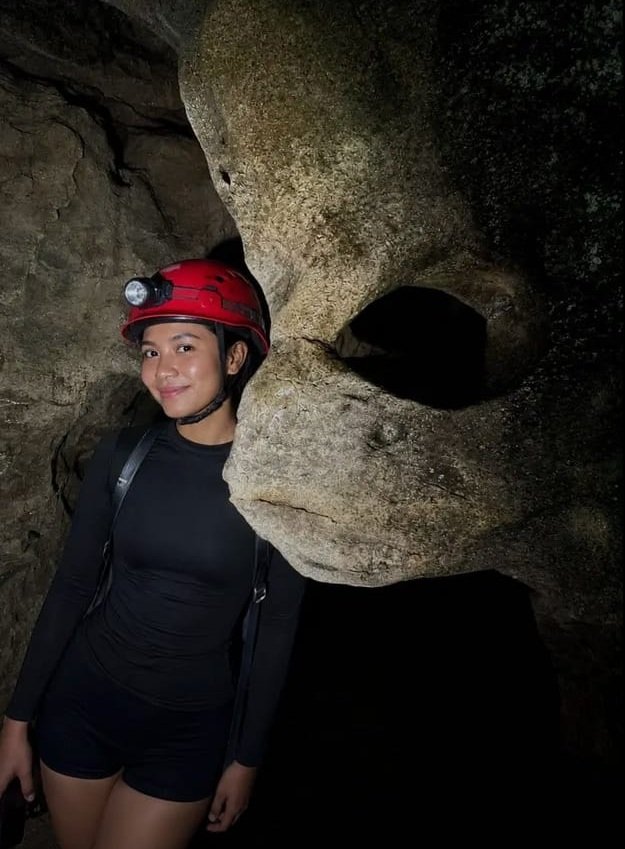
Unique Wildlife of Sampang Ngalak Cave: Discover Labuan Bajo’s Hidden Underground Ecosystem
Located near Labuan Bajo, Indonesia, Sampang Ngalak Cave represents a remarkable example of the region’s geological diversity. This limestone cavern is not only captivating for its stunning stalactites and stalagmites but also serves as a crucial habitat for a variety of unique wildlife species. The cave’s formation is attributed to millions of years of natural processes, which have sculpted its intricate structures and tunnels, creating a perfect environment for the organisms that dwell within.
Beyond its breathtaking stalactites and stalagmites, Sampang Ngalak Cave is home to a fascinating underground ecosystem that makes it one of the most unique natural attractions near Labuan Bajo. Hidden beneath the limestone landscape of Nggorang Village, West Manggarai, Flores, this remarkable cave shelters several cave-dwelling species that have adapted to life in complete darkness.
For nature lovers, adventure travelers, photographers, and eco-tourism enthusiasts, exploring Sampang Ngalak Cave offers much more than spectacular rock formations—it provides a rare opportunity to observe the biodiversity of an underground ecosystem while supporting sustainable tourism in Flores.
The historic discovery of Sampang Ngalak Cave dates back several decades, although its exact timeline remains somewhat elusive. Local folklore and ancient narratives speak of the cave as a sacred site, hinting at its considerable significance to the indigenous communities. Over the years, researchers and wildlife enthusiasts have gradually unveiled its remarkable features, revealing a treasure trove of biodiversity that contributes to the ecological wealth of the surrounding region.
As an ecological haven, Sampang Ngalak Cave supports a range of wildlife, including various bat species, insects, and other small creatures that have adapted to the cave’s unique microhabitats. The damp, dark environment provides not only shelter but also a stable climate conducive to the survival of these species. Such ecosystems offer crucial insights into environmental health and conservation efforts, as the interactions among cave dwellers potentially reflect broader ecological patterns in Labuan Bajo. The interplay of geological formations and biological life in Sampang Ngalak Cave underscores its importance both as a natural wonder and a key player in local biodiversity, making it an essential focus for further exploration and study.
Unique Flora and Fauna
Sampang Ngalak Cave, hidden within the enchanting landscape of Labuan Bajo, is home to an extraordinary array of wildlife adapted to its unique subterranean environment. Among the most notable inhabitants are various species of bats, which play a critical role in the cave’s ecosystem. These bats, particularly the fruit bats and insectivores, exhibit fascinating adaptations such as echolocation. This ability allows them to navigate the dark confines of the cave while locating food sources, predominantly insects and fruits that grow in the surrounding areas.
In addition to bats, the cave hosts a diverse population of cave-dwelling insects, including various species of beetles and spiders that have evolved to thrive in complete darkness. The absence of natural light has led to unique adaptations such as reduced eyesight or even complete blindness, along with heightened sensitivity to vibrations and other tactile stimuli. One intriguing species is the cave cricket, which has developed elongated antennae for navigation and seeking food in the complex cave structure.
The ecosystem within Sampang Ngalak Cave also supports other endemic creatures, such as small amphibians and reptiles that have adapted to the cool, damp conditions. These species often exhibit camouflage to blend in with the rocky surroundings, providing them with a survival advantage against predators. Observations show that these animals engage in complex behaviors, such as employing specific calls or displaying territorial markings, which are vital for communication and mating.
Each species within Sampang Ngalak Cave plays an essential role in maintaining the ecological balance. The interactions between bats, insects, and other inhabitants underscore the intricate web of life that characterizes this unique underground ecosystem. The ongoing studies in biodiversity within the cave highlight the importance of conservation efforts to protect such fragile environments and their remarkable wildlife.
Conservation Efforts and Challenges
The Sampang Ngalak Cave, nestled in the Labuan Bajo region, is home to a diverse ecosystem that is vital to the local biodiversity. Unfortunately, this unique wildlife habitat faces significant threats from human activities and climate change. Various conservation efforts are underway to address these challenges and promote a sustainable coexistence between the cave’s rich ecosystem and the surrounding communities.
Human encroachment, agricultural expansion, and urban development have contributed to the degradation of the cave’s environment. These activities not only disrupt the native wildlife but also increase the risk of pollution and habitat destruction. Moreover, climate change poses an additional challenge, as shifts in temperature and rainfall patterns can alter the delicate balance of the cave’s ecosystem. These factors have motivated both local and international organizations to take action to protect this vital habitat.
A range of conservation initiatives has emerged to tackle these challenges. Local NGOs, in partnership with international bodies, are working to raise awareness about the importance of Sampang Ngalak Cave. Educational programs aimed at the local population emphasize sustainable practices that mitigate environmental impact. Efforts include promoting eco-tourism that benefits both the economy and conservation by showcasing the cave’s unique wildlife to responsible visitors.
Furthermore, habitat restoration projects are in development to rehabilitate degraded areas around the cave and ensure the protection of its biodiversity. These initiatives not only benefit the wildlife but also enhance the resilience of the local ecosystem to climate change. Collaborative efforts focus on safeguarding the cave’s unique species and their habitats, ensuring that future generations can appreciate the ecological wonders of this underground ecosystem.
Visiting Sampang Ngalak Cave
Exploring Sampang Ngalak Cave offers a unique opportunity to witness the captivating underground ecosystem of Labuan Bajo. Accessibility to the cave is relatively straightforward; it is located approximately 12 kilometers from the town center. Visitors can rent a scooter or hire a local taxi to reach the site easily. Upon arrival, a short trek through lush landscapes leads to the cave entrance, where the adventure truly begins.
Guided tours are highly recommended for those wishing to delve deeper into the cave’s rich biodiversity. Skilled local guides are available, providing valuable insights into the biology and geology of the cave as well as its significant cultural history. These guided excursions typically last between 1 to 2 hours and include exploration of the various chambers, where visitors can observe stunning rock formations and diverse wildlife, including bats and unique cave-dwelling species.
When visiting Sampang Ngalak Cave, it is essential to adhere to guidelines that promote responsible tourism. Respecting the delicate ecosystem is paramount; visitors should refrain from littering, disturbing wildlife, or touching the cave formations. Opting for guided tours not only supports local communities but also enhances the educational aspect of the visit. It is advisable to carry reusable water bottles and snacks to minimize waste during the expedition.
Before setting out, ensure you are equipped with proper footwear as the cave can be slippery and uneven in places. Light jackets may also be beneficial since caves typically maintain lower temperatures compared to the outside environment. Overall, a visit to Sampang Ngalak Cave not only promises adventure but also allows for a profound appreciation of the region’s natural heritage and conservation efforts.
For nature lovers, adventure travelers, photographers, and eco-tourism enthusiasts, exploring Sampang Ngalak Cave offers much more than spectacular rock formations—it provides a rare opportunity to observe the biodiversity of an underground ecosystem while supporting sustainable tourism in Flores.
White Cave Eel

One of the cave’s most fascinating inhabitants is the white cave eel, which lives in the underground streams flowing through Sampang Ngalak Cave.
Its pale body coloration is believed to be an adaptation to an environment where sunlight is almost entirely absent. Observing this elusive species moving quietly through the clear underground water is one of the highlights for visitors exploring the cave.
The presence of the white cave eel also indicates that the cave’s freshwater ecosystem remains healthy and relatively undisturbed.
Cave Cricket (Dolichopoda)

Another remarkable resident is the cave cricket (Dolichopoda), an insect specially adapted to permanent darkness.
With exceptionally long legs and antennae, these crickets rely on touch and vibration instead of vision to navigate their surroundings. Their adaptations make them perfectly suited for life inside caves, where they play an important role in maintaining the underground food web.
Whip Spider (Amblypygi)
Sampang Ngalak Cave is also home to the whip spider (Amblypygi), one of the cave’s most unusual creatures.
Although its appearance may seem intimidating due to its long, whip-like sensory legs, the whip spider is not venomous and is generally harmless to humans. It uses its highly sensitive front legs to detect movement and capture small insects, making it an important natural predator within the cave ecosystem.
A Fragile Underground Ecosystem
The presence of the white cave eel, cave cricket, and whip spider demonstrates the ecological significance of Sampang Ngalak Cave. These species have evolved over thousands of years to survive in an environment with limited light, stable humidity, and unique geological conditions.
Responsible tourism plays an essential role in preserving this fragile ecosystem. Visitors are encouraged to:
- Stay on designated paths.
- Never disturb or collect wildlife.
- Avoid touching stalactites and stalagmites.
- Leave no trash behind.
- Explore the cave only with experienced local guides.
Explore Hidden Flores with Visit Labuan Bajo
While Komodo National Park is world-famous for its dragons and spectacular islands, Sampang Ngalak Cave reveals another side of Flores—one filled with geological wonders, biodiversity, and authentic adventure.
At Visit Labuan Bajo, we specialize in creating unforgettable experiences that combine Labuan Bajo Sailing Trips, Open Trip Labuan Bajo, Private Komodo Tours, and exciting land excursions to hidden destinations like Sampang Ngalak Cave.
Our knowledgeable local guides prioritize safety, environmental conservation, and authentic cultural experiences, ensuring every journey reflects responsible tourism principles.
Whether you’re an adventure seeker, wildlife enthusiast, photographer, or first-time visitor to Flores, Sampang Ngalak Cave offers an extraordinary opportunity to discover one of Labuan Bajo’s best-kept secrets beyond the famous Komodo Islands.