Dive, Sail, and Dine: Exploring the Wonders of Komodo National Park
Komodo National Park, located in Indonesia, is a UNESCO World Heritage Site renowned for its extraordinary biodiversity and stunning landscapes. Established to protect the iconic Komodo Dragons, the park encompasses a collection of islands, each boasting unique ecosystems, beautiful beaches, and clear turquoise waters, making it a prime destination for nature enthusiasts and adventure seekers alike.
Spanning approximately 1,733 square kilometers, the park includes the islands of Komodo, Rinca, Padar, and several smaller islets, providing a diverse range of habitats. The park is home to the majestic Komodo dragons, the largest lizards on the planet, which can reach lengths of up to three meters. These prehistoric creatures roam freely in their natural habitat, drawing visitors from around the globe who wish to observe them in the wild.

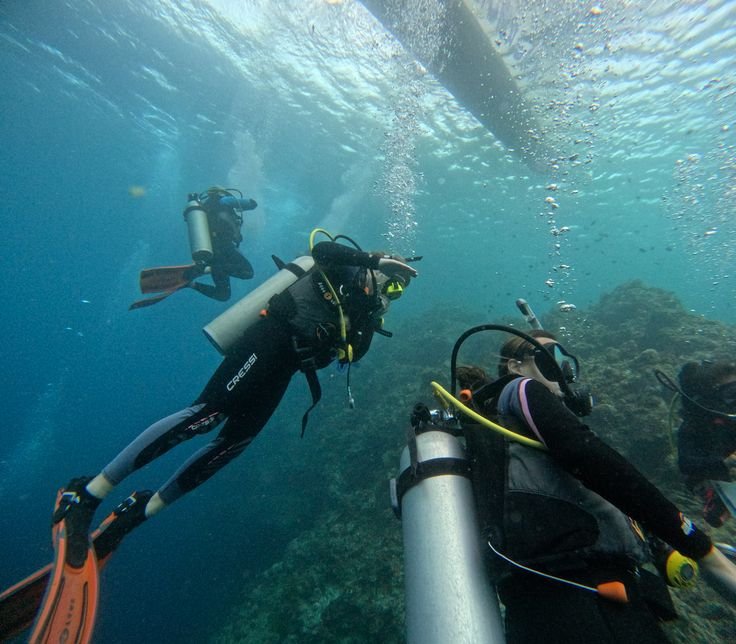
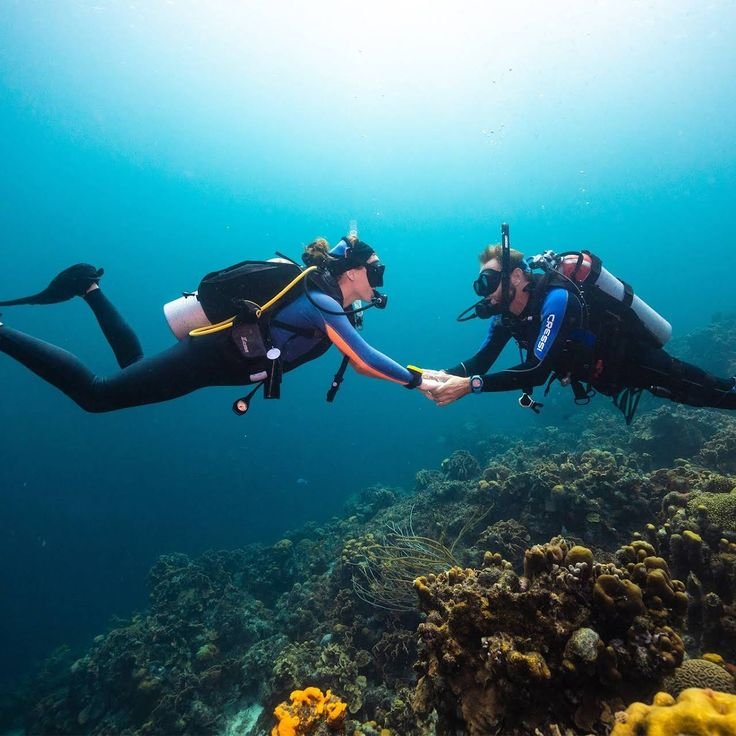
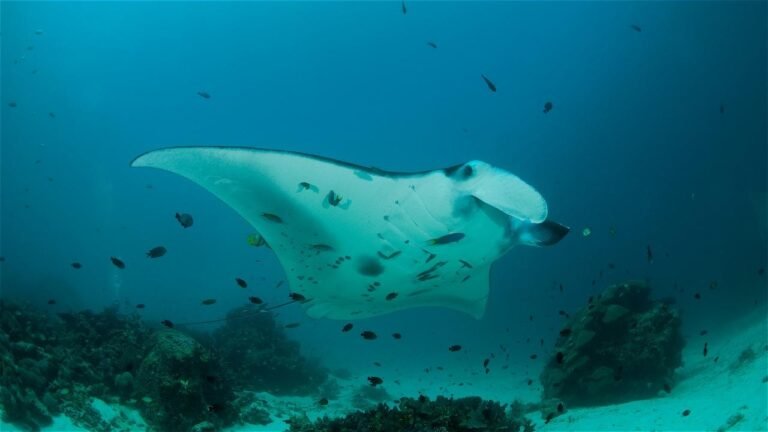
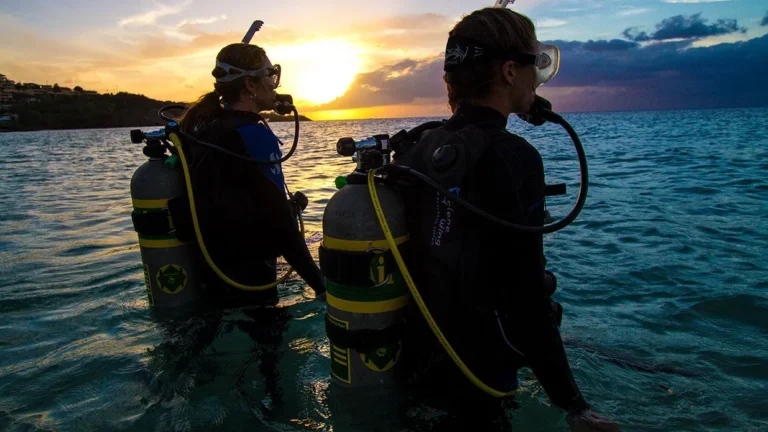
In addition to its famous inhabitants, Komodo National Park offers breathtaking landscapes characterized by rugged mountains, lush hills, and pristine beaches. The surrounding waters teem with rich marine life, making it one of the world’s top diving destinations. Divers can explore vibrant coral reefs, underwater volcanoes, and diverse aquatic species, including manta rays, sea turtles, and an array of tropical fish. Beyond diving, sailing offers a unique perspective of the islands, where visitors can enjoy breathtaking sunsets and tranquil waters.
Dining options within or around the park allow tourists to savor local Indonesia cuisine, enhancing the overall experience. Whether indulging in fresh seafood or sampling traditional dishes, the culinary offerings complement the adventure-filled explorations of this natural wonder. With a plethora of activities available, including diving, sailing, and unique dining experiences, Komodo National Park stands out as a remarkable destination for those looking to immerse themselves in nature and adventure.
The Thrill of Diving in Komodo National Park
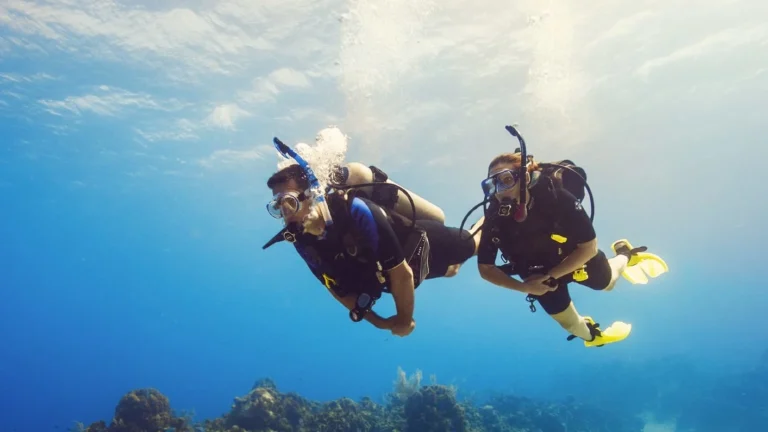
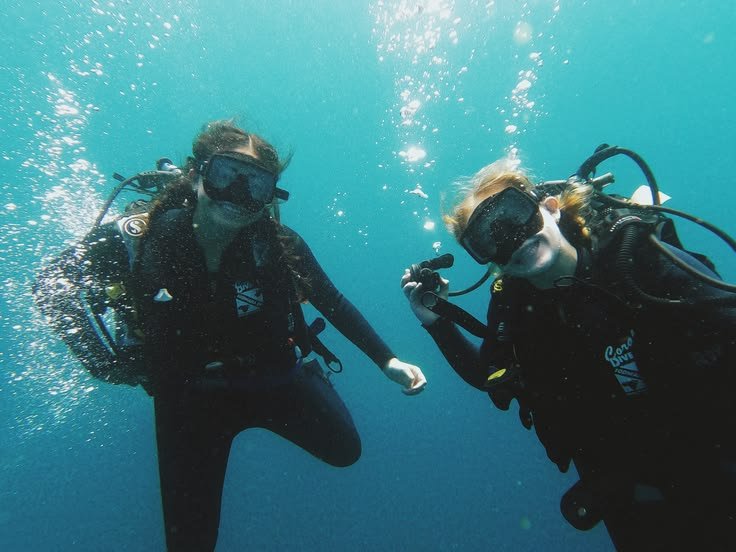
Komodo National Park, a UNESCO World Heritage Site, is celebrated for its stunning underwater ecosystems and vibrant marine life. Divers are drawn to this remarkable destination, eager to explore its rich biodiversity and unique dive sites. With crystal-clear waters and nutrient-rich currents, the park offers some of the best diving experiences on the planet.
Dive sites such as Batu Bolong, Castle Rock, and Manta Point are especially popular among divers. Batu Bolong is known for its thrilling drift dives, where one can encounter schools of fish, colorful coral formations, and even the occasional shark. Castle Rock boasts strong currents that attract manta rays, while Manta Point provides the unique opportunity to observe these gentle giants up close. Each site presents its own set of challenges and rewards, catering to divers of various experience levels.
The underwater inhabitants of Komodo National Park are truly remarkable. Divers can expect to see an array of marine species, including vibrant coral reefs, tropical fish, turtles, and even the elusive molas (ocean sunfish). The park is also a haven for unique creatures such as the endemic Komodo dragon, which can occasionally be spotted while diving in the surrounding waters.
Timing is crucial when planning a diving trip to Komodo National Park. The best period for diving extends from April to December when visibility is optimal, and marine life is particularly active. However, it is essential for divers to adhere to safety protocols. This includes ensuring proper certification, diving in groups, and staying aware of the local currents.
Moreover, diving practices should reflect a commitment to ecological preservation. It is imperative to avoid touching or disturbing the corals, as well as refraining from collecting marine souvenirs. Such ethical practices are vital to maintaining the health of the marine environment in Komodo National Park for generations to come.
Sailing Adventures in Komodo National Park
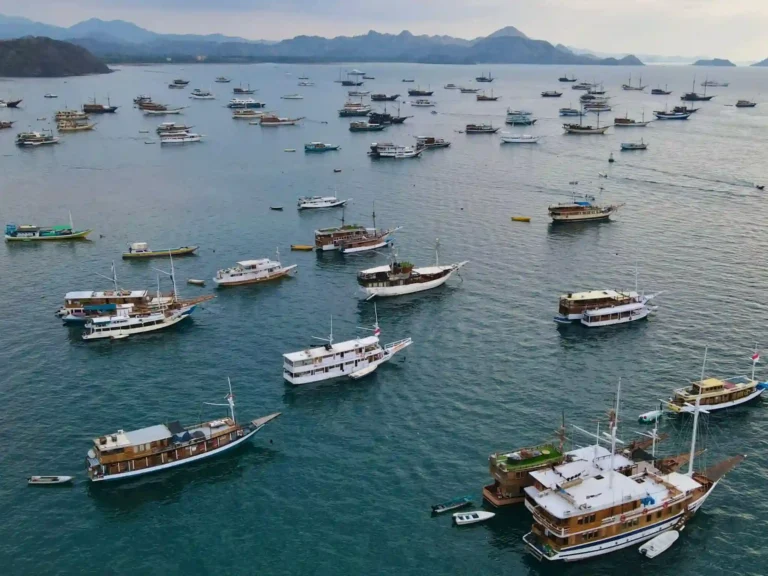
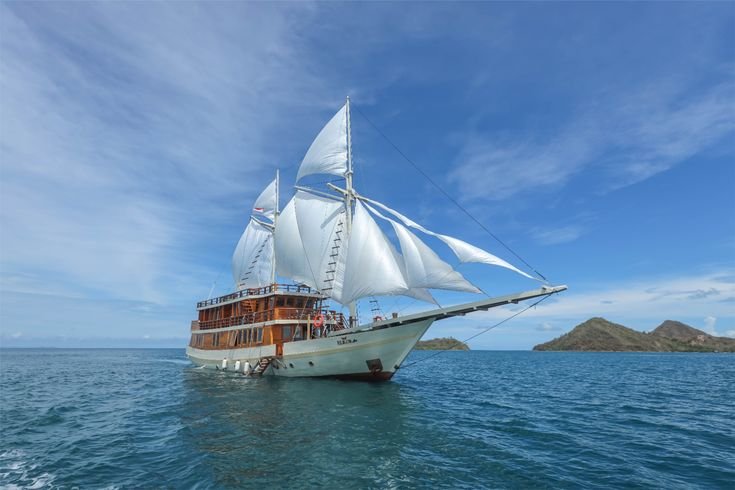
Exploring the wonders of Komodo National Park by sailboat is an experience that presents both adventure and beauty. The park, known for its stunning landscapes and rich biodiversity, offers various sailing options tailored to diverse preferences and budgets. From exhilarating day trips to immersive liveaboard expeditions, every sailing adventure promises unforgettable memories amidst the pristine turquoise waters.
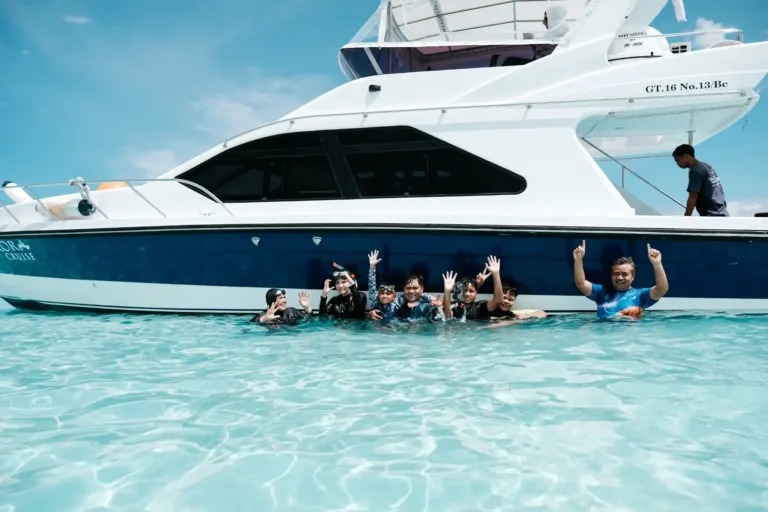
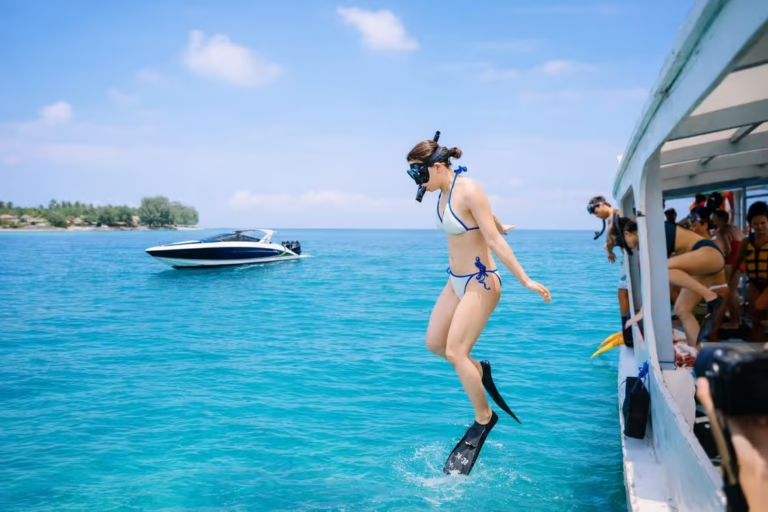
Day trips are perfect for those with time constraints or who prefer shorter excursions. These trips typically last around 8-10 hours, allowing guests to visit several vibrant locations including Padar Island, Pink Beach, and Komodo Island, where one might catch glimpses of the exceptional Komodo dragons. These day sails often include opportunities for snorkeling in crystal-clear waters, showcasing coral gardens and abundant marine life, providing an engaging experience both on and off the boat.
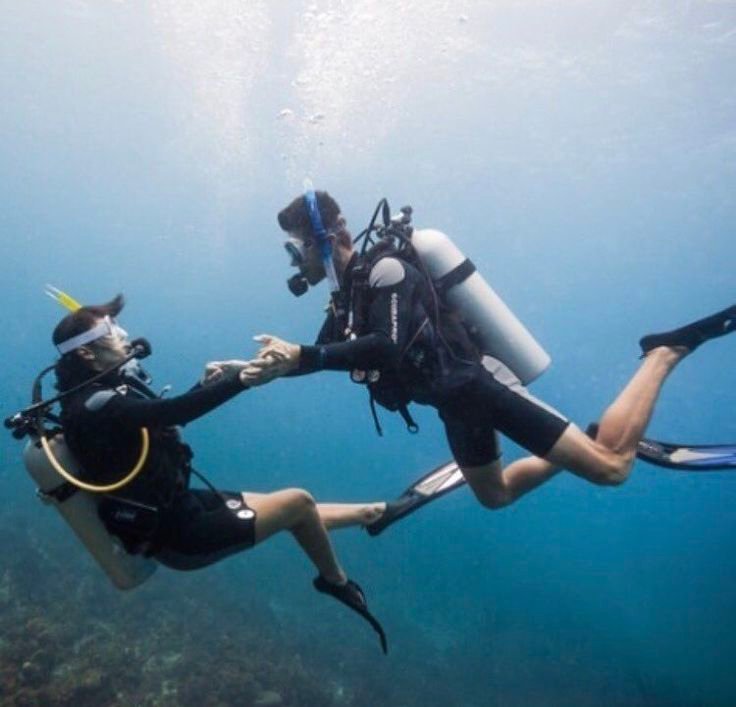
visit package :Romantic Diving Trip 3 Days 2 Nights in Labuan Bajo
For individuals seeking a more extensive exploration, liveaboard trips offer the chance to fully immerse oneself in the splendor of the park. These trips can run from two to seven days, giving adventurers the chance to visit remote islands and hidden coves often missed by day excursions. Aboard a liveaboard vessel, guests can enjoy various activities including diving, snorkeling, hiking, and, of course, the unparalleled experience of witnessing breathtaking sunsets over the horizon, framed by the silhouettes of distant islands.
Practicalities for booking a sailing adventure in Komodo National Park vary depending on the type chosen. Most travelers can book through local tour operators or online platforms, ensuring to verify credentials for safety and quality assurance. When planning, it is advisable to consider the weather conditions which can affect sailing experiences. Preparing for both sunny days and potential rain will contribute to a pleasant sailing outing.

Ultimately, whether opting for a day sail or an extended liveaboard experience, sailing through the stunning Komodo National Park is an unforgettable way to explore its extraordinary marine and terrestrial ecosystems.
Dine Under the Stars: Culinary Delights in Komodo National Park
Exploring the culinary landscape in and around Komodo National Park offers a diverse array of flavors derived from local Indonesian cuisine and the freshest seafood. Dining in this remarkable setting not only fills the stomach but also delights the senses, combining the breathtaking natural beauty with the rich cultural heritage of the region.
One of the highlights of dining in Komodo is the availability of fresh seafood, as the waters surrounding the park are teeming with fish, shrimp, and mollusks. Visitors can enjoy dishes such as grilled snapper or calamari, often seasoned with fresh herbs and spices that represent the essence of Indonesian cooking. A popular local dish is ‘ikan bakar’, which features grilled fish marinated in a mixture of spices and served with sambal, a spicy condiment that enhances the meal.
For those seeking dining experiences on water, liveaboard boats present a unique opportunity. Many liveaboard tours include meals prepared by skilled chefs who take advantage of the surrounding resources to create exquisite culinary experiences. Dining while anchored in a secluded bay under the stars is truly a magical experience, pairing delicious food with serene views. After a day of diving and exploring, guests can savor an evening meal featuring dishes like crab curry or fried rice with seafood, accompanied by tropical fruits and refreshing beverages.
In addition to boat dining, local restaurants and street food stalls in nearby islands can be a fantastic way to experience traditional dishes. Sate and gado-gado frequently emerge as crowd favorites, showcasing the delectable flavors integral to Indonesian cuisine. Establishments like ‘Warung Makan’ serve a variety of local delicacies at budget-friendly prices, allowing tourists to indulge while experiencing authentic flavors.
Wildlife Spotting: Beyond the Komodo Dragons
Komodo National Park is renowned for its iconic Komodo Dragons, yet the biodiversity extends far beyond these remarkable reptiles. Visitors to the park can experience a myriad of wildlife both on land and in the surrounding marine environments. Exploring this unique ecosystem provides unparalleled opportunities to observe various species in their natural habitats.
On land, one might encounter wild boars scampering through the underbrush, as well as timor deer that gracefully navigate the park’s rugged terrains. The combination of these animals in their native environment reflects the intricate food chain and ecosystem dynamics at play. Bird enthusiasts will also find Komodo National Park a haven, as tropical birds such as the yellow-crested cockatoo, white-bellied sea eagle, and various species of kingfishers contribute to the vibrant sounds of the forest.
Underwater, the park is equally enchanting, harboring an array of marine life. Snorkelers and divers can explore coral reefs teeming with colorful fish and, more impressively, spot majestic manta rays gliding through the waters or witness sea turtles gracefully navigating their surroundings. With such rich biodiversity, planning an effective wildlife spotting expedition in Komodo is key.
To enhance your chances of seeing these remarkable creatures, it is advisable to seek out guided tours led by local experts who possess in-depth knowledge of the habitats and behaviors of various species. Early mornings and late afternoons are typically the best times for wildlife sightings, as many animals are more active during these cooler parts of the day. Additionally, maintaining a respectful distance from wildlife, using binoculars for bird watching, and being patient while observing will yield richer experiences in this pristine environment.
Sustainable Tourism in Komodo National Park
Komodo National Park, recognized for its remarkable biodiversity and picturesque landscapes, is a prime example of the delicate balance between tourism and environmental conservation. The park attracts thousands of visitors annually, drawn by its unique wildlife, including the iconic Komodo dragon, vibrant coral reefs, and pristine beaches. However, the influx of tourists poses significant challenges to the sustainability of this fragile ecosystem. Therefore, incorporating sustainable tourism practices is crucial in ensuring that the natural environment and local communities remain protected.
One of the primary impacts of tourism on Komodo National Park is the potential for habitat degradation. As more visitors explore the park, responsible management becomes paramount. Conservation efforts are actively being implemented to mitigate this issue. The Indonesian government, alongside various non-governmental organizations, has established strict regulations governing visitor access, including limited visitor numbers in certain areas, and the promotion of eco-friendly tours that emphasize environmental education.
read more:Articles – Visit Labuan Bajo Komodo
Visitors play a pivotal role in contributing to sustainable practices during their stay. Engaging in organized eco-friendly tours, led by certified guides, not only enhances the visitor experience but also supports local communities and conservation initiatives. These tours often emphasize responsible wildlife interaction, ensuring that activities do not disturb natural habitats. For example, viewing the Komodo dragons from a safe distance allows for both thrilling encounters and the well-being of the creatures. Furthermore, practicing ‘leave no trace’ principles, such as disposing of waste properly and using reusable materials, helps minimize environmental impact.
In conclusion, sustainable tourism in Komodo National Park is critical for conserving its unique ecosystems. By adhering to responsible tourism guidelines, both travelers and tour operators can foster a mutual benefit that protects this natural treasure for future generations. Embracing sustainable practices ensures that Komodo National Park remains a thriving destination for wildlife enthusiasts and nature lovers alike.
Preparing for Your Trip to Komodo National Park
Tourists planning a visit to Komodo National Park should begin by researching their transportation options. The closest major city is Labuan Bajo, located on the island of Flores. From here, visitors can reach the park by taking a speedboat or traditional liveaboard boat. Keep in mind that boat schedules can be affected by weather conditions, so it’s prudent to check for updates in advance.
When it comes to packing for your adventure, consider the activities you will participate in, such as diving and sailing. Essential items include a swimsuit, diving gear if not rented, a lightweight wetsuit to protect against stings and scrapes, and a snorkeling mask. For sailing, remember to bring sunblock, a hat, and sunglasses to protect yourself from the tropical sun. Given the region’s unique wildlife, binoculars and a good camera can enhance your experience while observing marine life and the famous Komodo dragons.
Travel itineraries can vary based on personal interests and the activities planned. For a balanced experience, consider dedicating a few days to both diving and exploring the islands. Popular dive sites include Batu Bolong and Manta Point, and depending on your schedule, you can allocate a day for hiking on Komodo Island and Rinca Island, where you can witness the fascinating dragons in their natural habitat.

Lastly, familiarize yourself with the necessary permits and fees required to enter Komodo National Park. As of the latest updates, visitors are required to purchase an entrance ticket that contributes to the conservation efforts of the park. This fee, along with any additional charges for guided tours or rental equipment, should be factored into your overall trip budget. By preparing adequately, you can ensure that your experience at Komodo National Park is both enjoyable and safe.
Insider Tips for an Unforgettable Experience
Visiting Komodo National Park can be a mesmerizing adventure, but preparing adequately can enhance your experience significantly. One of the top tips is to choose the timing of your visit wisely. The period between April and December is generally recommended, as it tends to have fewer tourists, ensuring a more tranquil experience. Early mornings are particularly rewarding, not only for fewer crowds but also for spotting wildlife, as many animals are more active during the cooler hours.
Selecting the right tour guide can also impact your adventure. Opt for guides who are certified and have extensive knowledge of the park’s wildlife and ecosystems. Personal recommendations or reviews from previous travelers can guide your choice, ensuring a more informative and enjoyable experience. Consider small group tours for a more intimate connection with your surroundings and the opportunity for tailored experiences.
Safety should also be a priority. Always adhere to the guidelines provided by your guide, especially when it comes to interactions with the park’s iconic Komodo dragons. Maintain a safe distance and never provoke these creatures, as they are the apex predators of their habitat. Furthermore, ensure you are well-hydrated and protected from the sun, wearing appropriate clothing and sunscreen while exploring the islands.
Seek out unique experiences to leave a lasting impression. For instance, participating in a night dive can unveil a different side of the underwater world, revealing nocturnal creatures you might otherwise miss. Many travelers report finding solace in the serene beauty of the sunset viewed from Padar Island, capturing breathtaking moments on camera and in memory.
As shared by a visiting traveler, “Experiencing the vibrant coral reefs while diving was a dream come true. Our guide was incredibly knowledgeable, adding so much to our understanding of the underwater ecosystem. It truly made our visit unforgettable.” Such testimonials underline the importance of thoughtful planning and selection for an extraordinary experience in Komodo National Park.
Conclusion: The Magic of Komodo National Park Awaits
Komodo National Park is undeniably a treasure trove of experiences waiting to be discovered. From the unparalleled diving adventures that unveil the vibrant underwater world, to the serene sailing trips that weave through the stunning islands, every visit offers something exceptional. The opportunity to encounter the majestic Komodo dragons in their natural habitat adds another layer of excitement and uniqueness to this destination.
Dining amid such beauty, surrounded by the sounds of nature and the breathtaking views of the ocean, transforms meals into unforgettable experiences. Local culinary delights, sourced from the surrounding waters and islands, provide not just sustenance but also a genuine taste of the region’s culture. Each meal becomes a celebration of the marine bounty and the rich biodiversity that the park safeguards.
However, it is essential to remember the importance of preserving Komodo National Park’s ecological treasures. These magnificent landscapes and diverse marine life face threats from tourism and environmental challenges. Engaging in responsible tourism practices and supporting conservation efforts ensures that future generations can also bask in the wondrous beauty of this unique ecosystem. By pledging to protect Komodo National Park, we contribute to the longevity of its spectacular natural heritage, which, in turn, allows adventurers and nature lovers alike to explore and appreciate its wonders for years to come.
In reflection, Komodo National Park is not just an adventure, but a reminder of nature’s spectacular artistry and the community’s responsibility to safeguard it. Consider planning your visit for an experience that promises to be nothing short of magical. The adventures that await—whether in the ocean depths or amidst nature’s grandeur—are sure to leave lasting memories.