Night Diving in Komodo National Park
Night diving is an exhilarating experience that allows divers to explore the underwater world in a completely different light—literally. When the sun sets, a unique ecosystem emerges, filled with creatures that are rarely seen during daytime dives. Komodo National Park, a UNESCO World Heritage Site, is renowned for its rich marine biodiversity and stunning dive spots, making it an ideal location for night diving enthusiasts.
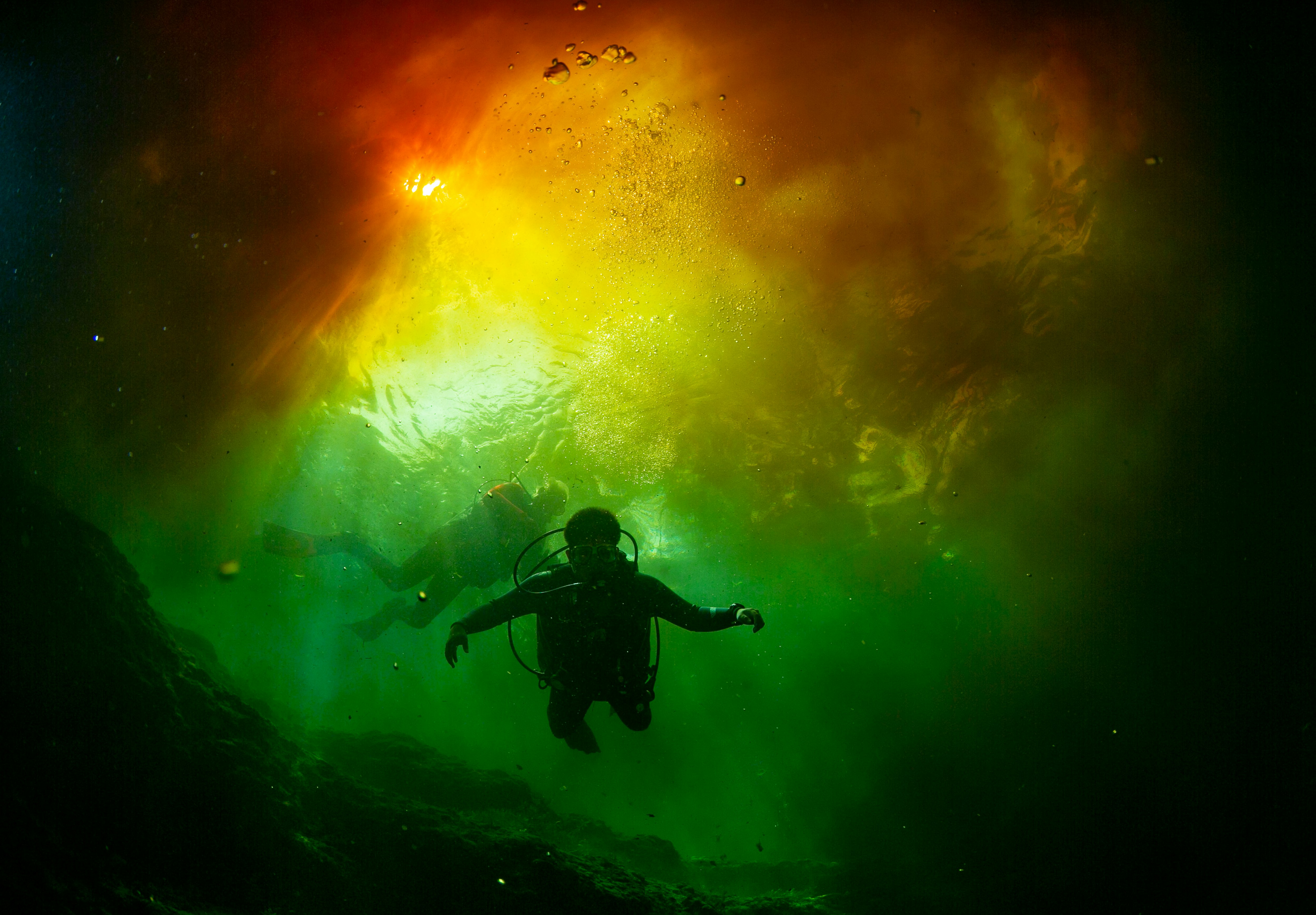
One of the fundamental concepts of night diving is that divers equip themselves with specialized gear, including underwater flashlights, to illuminate the dark waters. This allows divers to observe the fascinating behaviors of marine life as many species, such as cephalopods and nocturnal fish, become active after dusk. In addition, the bioluminescence in some marine organisms creates a breathtaking spectacle, with the shimmering lights of plankton and other creatures illuminating the underwater landscape, providing a surreal experience.
Diving at night also offers a sense of tranquility and solitude that is often absent during the busier daytime hours. There is a unique calm as divers glide through the depths, often accompanied by an enchanting silence, broken only by the sound of bubbles escaping from their regulators. The stillness allows divers to fully appreciate the ethereal beauty of the underwater world, as they uncover hidden treasures and vibrant marine life that thrive in the darkness.
Komodo National Park is particularly special due to its diverse habitats, ranging from coral reefs to mangroves, making it a prime location for night diving adventures. The area boasts a variety of dive sites, each offering distinctive sights and opportunities for exploration. Whether encountering a sleeping turtle, observing predatory behaviors under flashlight beams, or basking in the mesmerizing glow of bioluminescent organisms, night diving in Komodo promises unforgettable moments that elevate the diving experience to new heights.
Reasons to Choose Komodo National Park for Night Diving
Komodo National Park, renowned for its rich marine biodiversity, stands out as one of the premier locations for night diving enthusiasts. The diversity of marine life found in this area boasts over 1,000 species of fish, numerous species of coral, and a plethora of other aquatic organisms, making each dive a unique experience. Night diving in Komodo provides an unparalleled opportunity to witness various creatures that are more active after sunset, such as octopuses, sharks, and bioluminescent plankton, which add an enchanting glow to the underwater landscape.
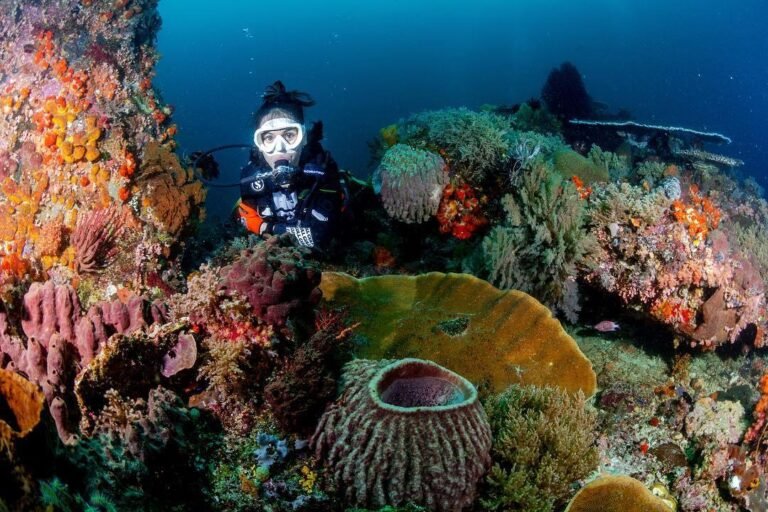
The underwater topography of Komodo National Park is another compelling reason to consider it for night diving. The varied landscape includes vibrant coral gardens, steep walls, and rocky outcrops, all of which create perfect habitats for diverse marine life. During night dives, the intricate formations and structures are illuminated by dive lights, revealing colors and patterns that might remain hidden during daylight hours. Such features not only offer visual stimulation but also the chance to explore the behaviors of marine animals in their natural nighttime routines.
Furthermore, divers can expect excellent visibility during night dives in Komodo National Park. Typically, water clarity ranges from 15 to 30 meters, allowing for expansive views of the underwater ecosystem. When combined with the beautiful visibility, the unique species’ behaviors that surface during the night transform each dive into an adventurous exploration. This combination of biodiversity, unique underwater topography, and clarity makes Komodo National Park a quintessential destination for those seeking to experience the magical world beneath the waves in a new light.
Essential Gear for Night Diving
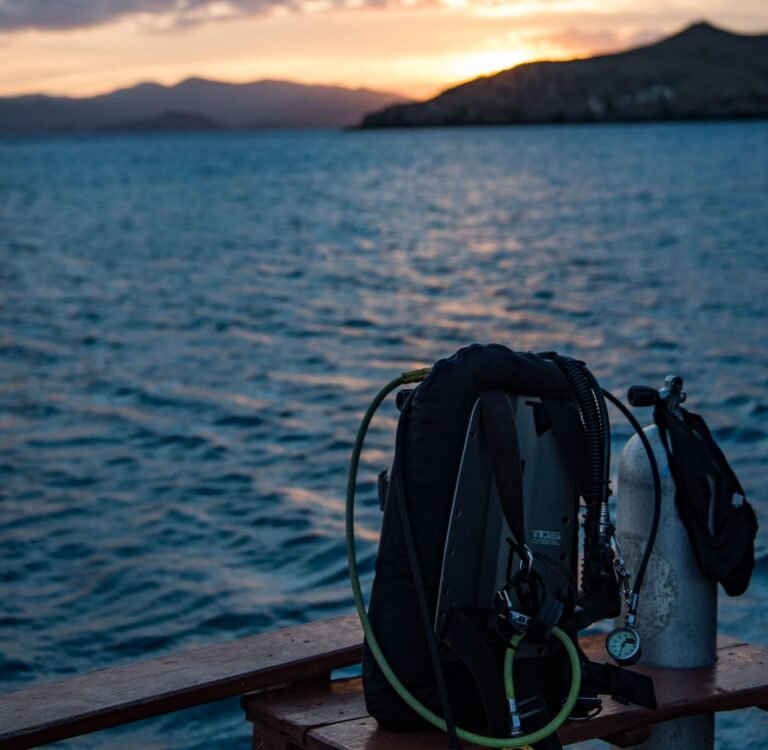
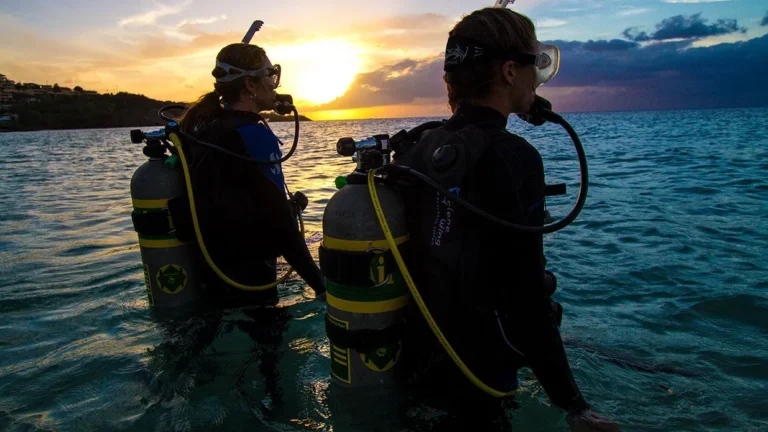
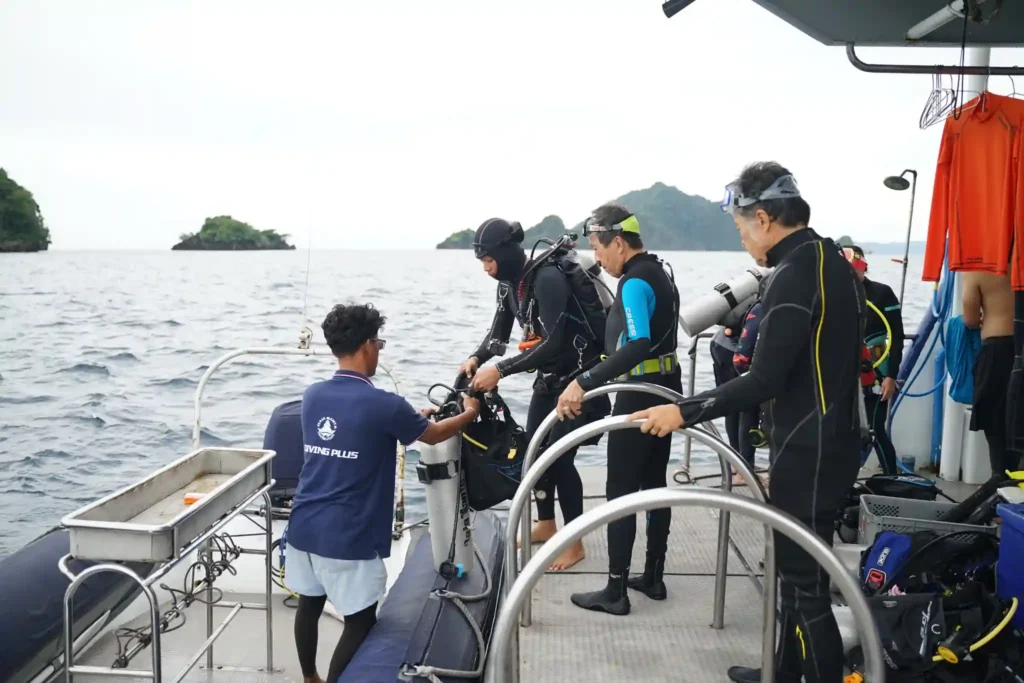
Night diving in Komodo National Park presents unique opportunities to explore underwater ecosystems that are seldom seen during daylight hours. To ensure a safe and enjoyable experience, it is crucial to equip yourself with the right gear. Standard diving equipment forms the foundation of your setup, with essential items including a wetsuit, buoyancy control device (BCD), regulator, and tank. These components provide thermal protection and allow for proper buoyancy control in the dark waters.
One of the most critical additions to your night diving gear is an underwater flashlight. A high-quality dive light is indispensable, illuminating the surrounding environment and enabling you to spot marine life that might be hidden in the shadows. Opt for a light specifically designed for underwater use, as it will be sealed against water ingress and provide sufficient brightness to reveal the vibrant colors and movements of nocturnal creatures.
In addition to the flashlight, using glow sticks can enhance your night dive experience. These luminescent devices can be attached to your gear or placed strategically underwater to create a captivating visual effect, guiding you through the dive while drawing attention to the incredible biodiversity surrounding you.
Safety gear is of paramount importance when diving at night. Ensure you have a surface marker buoy (SMB) to signal your position to your dive team or boat, as visibility may be compromised. Dive tables or electronic dive computers should also be included in your arsenal to monitor your dive profile and safely manage your ascent.
Proper planning and preparation are essential for a successful night dive. Familiarize yourself with your equipment, practice proper light discipline, and communicate clearly with your dive buddies. By prioritizing safety and utilizing the specialized gear available, you can fully immerse yourself in the enchanting experience of night diving in Komodo National Park.
Best Dive Sites in Komodo National Park for Night Diving
Komodo National Park, renowned globally for its remarkable underwater biodiversity, hosts several prime dive sites that are particularly suited for night diving. As divers plunge into these waters after sunset, they encounter a different world, with nocturnal marine life coming alive. Below are some of the top dive sites favored by night divers.
1. Batu Bolong – One of the most celebrated dive sites in Komodo, Batu Bolong features a steep drop-off that delights divers with its rich marine life. Night diving here reveals a variety of species, including vibrant reef fish, moray eels, and the occasional passing shark. The depth varies between 12 and 30 meters, providing a thrilling experience with numerous crevices to explore.
2. Manta Point – Famous for its majestic mantas during the day, Manta Point transforms at night into a realm of wonder as other marine creatures surface. The dive site is relatively shallow, ranging from 5 to 15 meters, and is ideal for observing bioluminescent organisms and schooling fish swarming under the moonlight. This unique phenomenon offers a captivating ambience, making it a favorite among seasoned divers.
3. The Cauldron (Gili Lawa Laut) – Known for its circular shape, The Cauldron showcases an impressive array of marine life during night dives. This site, where depths reach up to 25 meters, is inhabited by a variety of crustaceans and octopuses that are more active at night. The vibrant colors of coral and abundance of life make for a breathtaking dive experience.
4. Siaba Kecil – This dive site is home to flourishing coral gardens and a diversity of species. Night dives here often reveal hidden treasures as divers spot unusual creatures like nudibranchs and flatworms. With depths ranging from 8 to 20 meters, Siaba Kecil is suitable for divers of all skill levels.
Each of these sites presents a unique opportunity to explore the spectacular underwater ecosystem of Komodo National Park under the cover of darkness, providing divers with memories that last a lifetime.
What to Expect During a Night Dive
Night diving in Komodo National Park offers a unique underwater experience that contrasts significantly with daytime diving. As the sun sets, visibility decreases, creating a different atmosphere in which divers will find themselves relying on their torches to illuminate the aquatic world. It is crucial for divers to adapt to these changes, as the darkness can enhance both the thrill and the sense of mystery in the dive.
Once submerged, one of the most dramatic changes experienced is the way marine life behaves at night. Many creatures such as octopuses, crabs, and various species of fish become more active, showcasing behaviors not typically seen during the day. Nighttime divers often have the chance to observe these creatures foraging, hunting, or retreating to their hiding spots. The presence of bioluminescent organisms can also add an enchanting touch to the underwater scenery, creating a breathtaking display with every movement.
Navigation during a night dive can present its own challenges. Divers are advised to dive with a partner and maintain close proximity to one another to ensure safety. It is important to keep the dive plan in mind and frequently check the dive computer to stay aware of depth and bottom time. Utilizing a reliable torch is essential not only for illumination but also for signaling to your dive buddy, ensuring communication remains clear throughout the experience.
As the dive unfolds, divers will have the opportunity to witness the hypnotic ebb and flow of the underwater nightlife. The combination of darkness, the glow of torch beams, and the vibrant aquatic life culminates in a truly unforgettable experience. By understanding what to expect during a night dive, divers can prepare mentally and physically for an enriching adventure in Komodo National Park.
Safety Tips for Night Diving
Night diving presents unique challenges and experiences, demanding meticulous attention to safety practices. Among the most fundamental guidelines is the principle of diving with a buddy. This practice is essential, as a partner can provide immediate assistance in case any issues arise underwater. Ensuring your buddy is equally experienced in night diving can further enhance safety and confidence during the dive.
It is also critical to keep track of dive time. Night diving can create a sense of disorientation, making it easy to lose track of time. Divers should establish pre-determined limits and monitor their time closely, utilizing dive watches or timers. Setting a clear signal for ascent can help ensure both divers surface together without confusion.
Additionally, managing potential hazards is crucial for a safe dive experience. Currents can behave differently at night, and divers should be familiar with the site’s conditions before entering the water. Familiarizing oneself with local topography and expected marine life is equally important. Certain marine species may exhibit nocturnal behaviors that could pose risks, so awareness is key to avoiding encounters that could lead to dangerous situations.
Effective communication throughout the dive is paramount. Prior to entering the water, divers should discuss and establish a communication plan, including hand signals and the sign for emergencies. It is essential to carry a dive knife and a surface marker buoy to signal for help if necessary. Establishing a clear emergency plan before the dive helps ensure all divers feel prepared for unexpected events.
By adhering to these safety tips for night diving, divers can enjoy the beautiful underwater world of Komodo National Park while minimizing risks effectively.
Photography Tips for Night Diving
Night diving offers a captivating array of underwater subjects, from vibrant coral reefs to bioluminescent organisms. Capturing the beauty of these scenes through photography requires specific equipment and techniques tailored for low-light conditions.
First and foremost, consider investing in a high-quality underwater camera or housing that can withstand the marine environment. Digital single-lens reflex (DSLR) cameras, mirrorless systems, or compact point-and-shoot models with manual settings may be ideal choices. Opt for a wide-angle lens to capture expansive scenes underwater, as this will allow you to encompass more of the breathtaking surroundings.
In terms of lighting, using external strobes or powerful LED lights can significantly enhance your images. These lighting sources not only illuminate your subject but also help to reduce the effects of backscatter, which can be problematic in murky water. When photographing bioluminescence, it’s essential to use a lower ISO setting and a slower shutter speed to properly capture the delicate glow without overwhelming the image. Sampling with various light intensities can yield different results, allowing you to experiment with the shimmer of these captivating organisms.
When shooting in low-light conditions, stabilization is critical. A tripod or other stabilizing equipment can help minimize blurriness from hand movement, especially during longer exposures. If your camera supports it, using manual focus can prevent the camera from struggling to focus in the dark, which is often when autofocus systems may falter.
Finally, practice proper safety protocols: ensuring you maintain buoyancy control while photographing will help preserve marine life and protect both you and the environment. Experiment with your settings and compositions throughout the dive to adjust to the changing light conditions. Through careful preparation and technique, your night diving photography can transform into stunning visual storytelling that highlights the unique wonders of this nighttime underwater world.
Conservation and Responsible Diving Practices
Diving in the breathtaking waters of Komodo National Park offers an unparalleled experience, but it also comes with the responsibility of protecting its delicate marine ecosystems. As divers, it is essential to adopt practices that minimize our impact on these environments. The health of the underwater world directly correlates with sustainable diving practices, which can lead to the preservation of biodiversity and the longevity of this unique ecosystem.
One of the primary principles of responsible diving is to avoid touching marine life and coral formations. Many species are sensitive to physical contact, which can cause significant harm to their well-being and disrupt their habitats. Divers should maintain a respectful distance from all underwater creatures, allowing them to thrive unharmed. Additionally, when exploring rocky or coral environments, it is crucial to avoid anchoring on reefs or walking on sensitive areas. Utilizing designated mooring buoys is an effective way to prevent damage to the seabed.
Another key aspect of conserving marine life is to practice good buoyancy control. Achieving optimal buoyancy not only enhances the diving experience but also safeguards the fragile ecosystems. Divers should strive to avoid kicking up sediment, which can smother coral and reduce water clarity, negatively affecting marine fauna. Furthermore, it is advisable to refrain from collecting souvenirs, such as shells or marine organisms, as these actions disrupt natural habitats and can be detrimental to the local environment.
Lastly, educating oneself and others about the significance of marine conservation is vital. Engaging with local conservation initiatives and promoting sustainable tourism practices complement active diving efforts. When individuals work together to protect Komodo National Park, it ensures that this unique marine environment remains vibrant for generations to come.
Conclusion and Final Thoughts
Night diving in Komodo National Park presents a remarkable opportunity to explore the underwater world in a new and exhilarating light. The park is renowned for its rich marine biodiversity, and nighttime exploration allows divers not only to witness the tranquil beauty of coral reefs but also to observe nocturnal marine life that is not as easily seen during the day. From bioluminescent creatures to sleeping fish, the experience is both enchanting and educational.
As outlined in our comprehensive guide, preparation is key to ensuring a safe and enjoyable night diving experience. Familiarity with the dive site, proper equipment, and ensuring adequate training are vital aspects that divers should consider. For novice divers, accompanying experienced guides can provide a sense of security, enhancing the enjoyment of this unique adventure. Additionally, understanding the environmental conservation policies in place helps divers appreciate the delicate ecosystems they are exploring, promoting responsible diving practices.
Whether you are an experienced diver or a beginner seeking to broaden your horizons, night diving in Komodo National Park offers a chance to forge a deeper connection with marine life. With its stunning variety of species, vibrant corals, and the soothing atmosphere of the underwater environment at night, it promises an unforgettable experience. Therefore, we encourage divers of all levels to take the plunge and embrace the unparalleled beauty and excitement that awaits beneath the surface during night dives in this remarkable park.