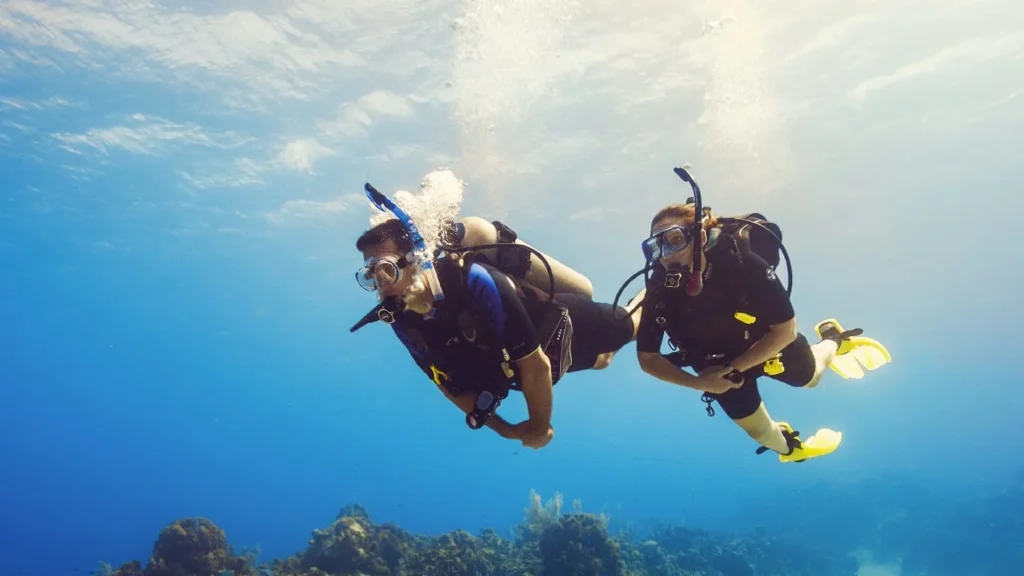
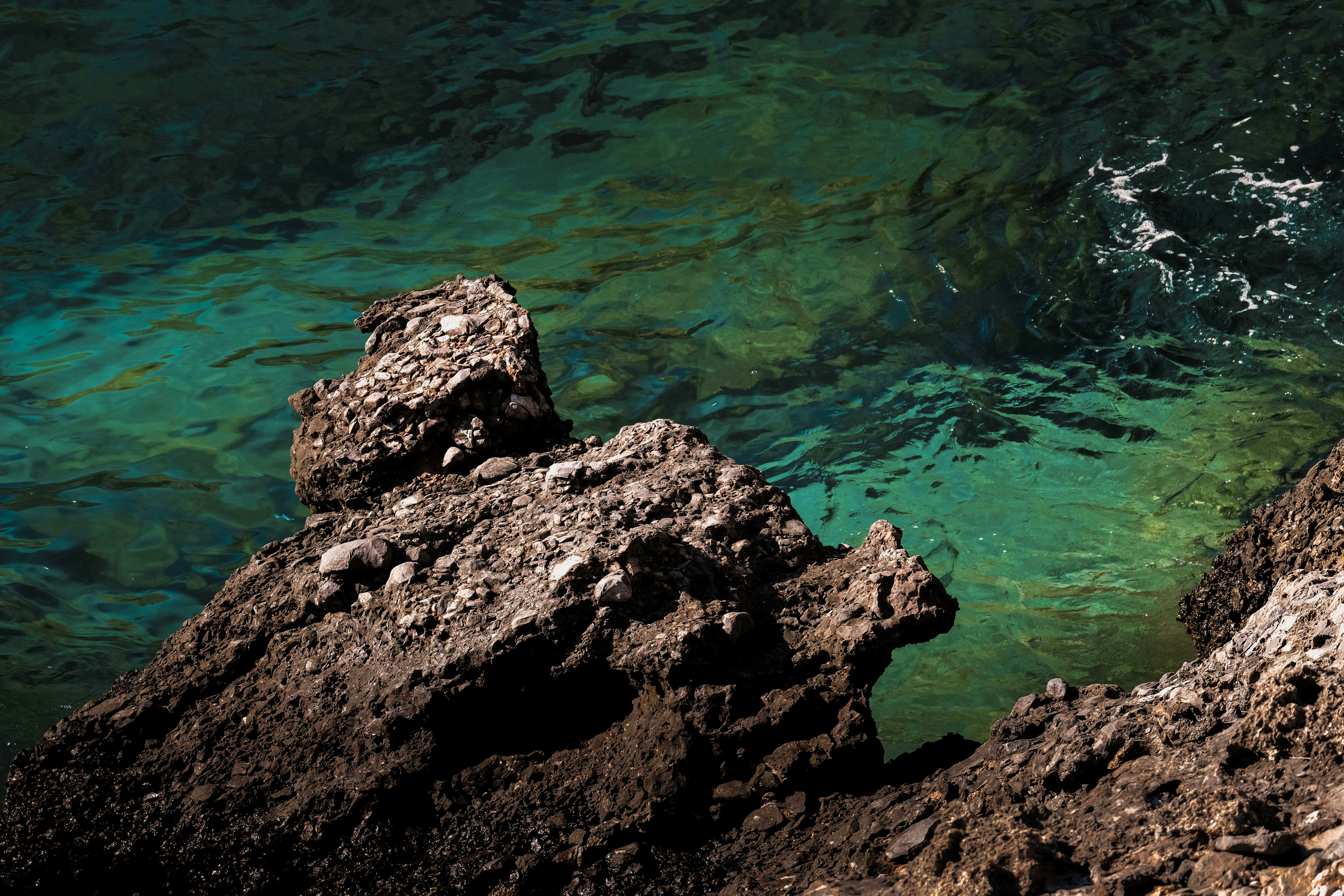
Crystal Rock is a prominent diving site located within the renowned Komodo National Park in Indonesia, an area celebrated for its breathtaking marine biodiversity and striking underwater landscapes. This dive site is situated off the northeastern coast of Komodo Island, rising dramatically from the deep blue waters of the Flores Sea. Crystal Rock is characterized by its steep underwater walls and its distinctive pinnacle formation, which reaches up to 15 meters above sea level, making it easily recognizable from the surface.
The geological features of Crystal Rock are a result of volcanic activity, which has shaped the underwater topography over millennia. The rock itself is surrounded by a rich coral reef, thriving with life and playing host to an array of marine species. Divers can encounter everything from vibrant coral gardens to pelagic fish, including schools of barracuda and large reef sharks, which often pass by in search of prey. This fascinating interplay between geological features and marine ecology sets Crystal Rock apart as an essential destination for diving enthusiasts.
Crystal Rock’s unique structure also creates diverse dive conditions that cater to varying skill levels, making it an ideal site for both novice and experienced divers alike. The topography includes overhangs and swim-throughs, adding excitement to the diving experience while allowing divers to explore hidden nooks and crannies filled with marine life. The combination of its striking geological features and the vibrant marine ecosystem makes Crystal Rock a must-dive spot, not only for its unparalleled beauty but also for the extraordinary encounters that await beneath the surface.
The Biodiversity of Crystal Rock
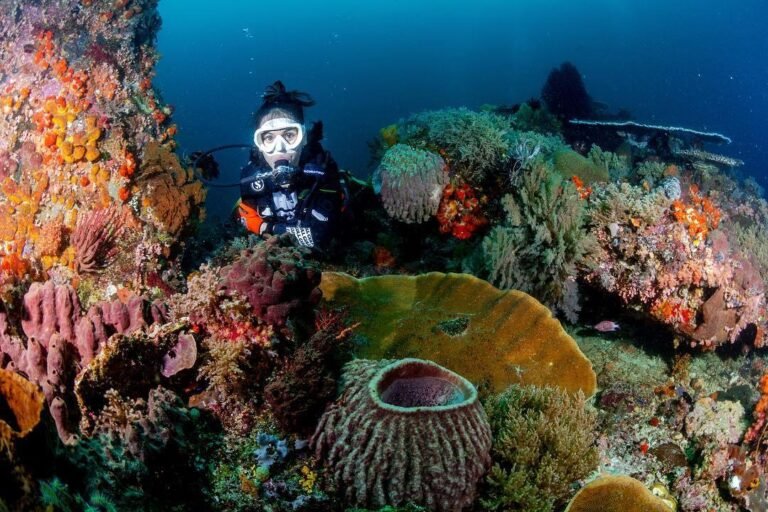
Crystal Rock, a prominent dive site located within the renowned Komodo National Park, offers unparalleled opportunities for divers to experience an astonishing array of marine biodiversity. The site is characterized by vibrant coral reefs that serve as a habitat for numerous marine species. These reefs not only create a dynamic underwater landscape but also play a crucial role in sustaining the ecological health of the region.
One of the most captivating aspects of Crystal Rock is the diversity of fish species that can be observed while diving. Divers often encounter schools of colorful reef fish, including parrotfish, anthias, and clownfish, which dart through the coral formations. Additionally, larger fish species such as barracuda and jacks are frequently spotted, adding an exhilarating dimension to the dive experience. The presence of these species illustrates the rich biodiversity that attracts divers from around the world, enhancing their underwater adventure.
Moreover, the possibility of encountering larger marine animals, such as manta rays and even sharks, elevates the excitement for divers at Crystal Rock. These majestic creatures often glide gracefully through the water, embodying the essence of the marine ecosystem’s vitality. The interaction with such iconic species highlights the importance of preserving biodiversity in marine environments, as it not only enriches the diving experience but also contributes to the overall health of the ocean.
In summary, the biodiversity found at Crystal Rock, from its colorful coral reefs to its diverse array of fish and larger marine life, makes it a must-dive spot for enthusiasts of all levels. The abundance of species present serves as both an attraction and a reminder of the importance of marine conservation, emphasizing the need to protect such delicate ecosystems for future generations to explore and admire.
Diving Conditions and Best Times to Visit
Crystal Rock, located in the pristine waters of the Komodo National Park, offers exceptional diving conditions that attract enthusiasts from around the globe. The underwater environment is characterized by vibrant marine biodiversity, making it a coveted spot for divers. Visibility at Crystal Rock is generally excellent, ranging from 20 to 30 meters, providing breathtaking views of coral reefs and marine life. This clarity is particularly advantageous for photographers and videographers who seek to capture the stunning aquatic scenery.
Water temperature in the region typically varies between 26°C to 29°C, depending on the season. During the months of April to November, divers can expect warmer waters, creating comfortable conditions for prolonged exploration. This temperature range is not only ideal for divers but also supports the thriving ecosystems in the vicinity of Crystal Rock.
Another essential factor in planning a dive at this location is the current. Crystal Rock can experience strong currents, especially during the change of tides, which can significantly impact diving conditions. It is advisable for divers to check local tide charts and plan dives during slack tide when current conditions are more manageable. Generally, the best times to dive at Crystal Rock are early in the morning or late in the afternoon when the water is calmer, and marine life is more active.
For those considering a diving adventure, the optimal months to visit are from April to December, coinciding with the dry season in the region. During this time, the weather is generally stable, leading to reliable diving conditions. By aligning your visit with these ideal conditions, you can ensure a memorable and rewarding experience at one of Komodo’s most captivating dive sites.
Unique Diving Experiences
Crystal Rock, located within the stunning Komodo National Park, offers an array of unique diving experiences that cater to divers of all skill levels. One of the standout features of this dive site is its impressive wall dives, where divers can explore vibrant reefs that drop steeply into the azure depths below. The spectacular marine biodiversity found here, including colorful corals and a variety of fish species, makes wall diving an exhilarating experience, allowing divers to immerse themselves in the natural underwater beauty of the region.
In addition to wall dives, Crystal Rock is famous for drift diving, a technique that lets divers be carried along with the current while observing the underwater landscape. This type of diving provides an unparalleled opportunity to encounter the captivating marine life that thrives in these waters, including rays, sharks, and an array of tropical fish. For intermediate and advanced divers, the currents at Crystal Rock can present an adventurous challenge, pushing personal limits while offering the opportunity to witness extraordinary aquatic encounters.
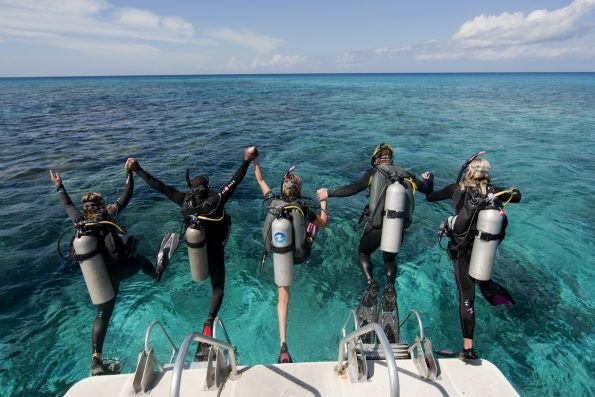
For those new to diving, Crystal Rock also accommodates novice divers with tailored dive experiences. Various diving schools and operators in the area provide comprehensive training and guidance. This includes offering introductory courses that equip beginners with essential skills, ensuring a safe and enjoyable diving experience. Reputable dive operators have a wealth of local knowledge, ensuring divers know the best times to visit for optimal conditions and sightings. The combination of diverse underwater landscapes and accessible dive options makes Crystal Rock an exceptional spot for anyone looking to dive in Komodo, further cementing its status as a must-visit destination.
Conservation Efforts in Komodo National Park
Komodo National Park, a UNESCO World Heritage Site, is renowned for its stunning biodiversity and vibrant marine ecosystems, making it a prime destination for diving enthusiasts. Conservation efforts in the park focus on preserving these delicate ecosystems, specifically addressing human impacts and promoting sustainable practices. These measures are vital not only for protecting marine life but also for enhancing diving experiences at popular sites like Crystal Rock.
One of the primary strategies for conservation is the implementation of strict marine protected area (MPA) regulations. These guidelines restrict fishing activities and habitat destruction, allowing marine life to thrive. Local communities have begun to actively engage in these conservation policies, fostering a sense of stewardship over their natural environment. By involving fishermen in conservation efforts, communities have witnessed improvements in fish stocks and healthier coral reefs, which are crucial for maintaining the area’s biodiversity.
In addition to regulatory measures, education and awareness programs are essential components of conservation in Komodo National Park. Organizations work diligently to educate both locals and divers about the importance of preserving marine habitats. This awareness helps reduce incidents of coral damage and promotes responsible diving practices among visitors. Through workshops and community outreach, participants are encouraged to minimize their ecological footprint, ensuring that the marine ecosystems remain intact for future generations.
The ongoing conservation endeavors are beginning to yield positive results. Biodiversity in Komodo National Park is increasingly stable, with an observable recovery of various marine species in regions like Crystal Rock. Divers can now enjoy richer underwater experiences, seeing a greater abundance of fish and coral. These efforts illustrate how well-coordinated conservation strategies can lead to healthier marine environments, ultimately enhancing the allure of diving in this extraordinary part of Indonesia.
Personal Testimonials from Divers
Diving enthusiasts who have experienced the underwater wonders of Crystal Rock in Komodo often share their exhilarating accounts, illuminating why this site is considered a premier diving destination. Divers frequently express amazement at the rich diversity of marine life encountered at this location. For instance, one diver recounted an unforgettable moment swimming alongside a majestic manta ray, highlighting the graceful movements of this awe-inspiring creature. These interactions with marine wildlife create indelible memories for divers, reinforcing the allure of Crystal Rock.
Another diver, who has explored various dive sites around the world, emphasized the vibrant coral formations that adorn Crystal Rock. They described the vivid colors and intricate shapes of the corals, likening the experience to swimming in a living rainbow. Such vivid depictions serve to captivate the imagination of potential divers, making them eager to explore the beauty beneath the waves themselves.

A common theme in testimonials is the thrill of the currents that flow around Crystal Rock. Many divers appreciate the challenge and excitement these currents present, often revealing hidden gems in the form of unique rock formations and an abundance of fish species. A frequent visitor remarked on the joy of drifting in the current, where they encountered schools of trevally and swirling clouds of reef fish, a testament to the robust ecosystem thriving in this area. The dynamic dive conditions at Crystal Rock appeal to both novice and experienced divers, as they offer diverse experiences that keep divers coming back.
Overall, the heartfelt testimonials from those who have dived at Crystal Rock articulate a deep passion for this site. The combination of diverse marine life, stunning coral, and thrilling currents makes every dive a unique adventure that resonates with all who experience it, solidifying Crystal Rock’s reputation as a must-dive location in Komodo.
Travel Tips for Visiting Crystal Rock
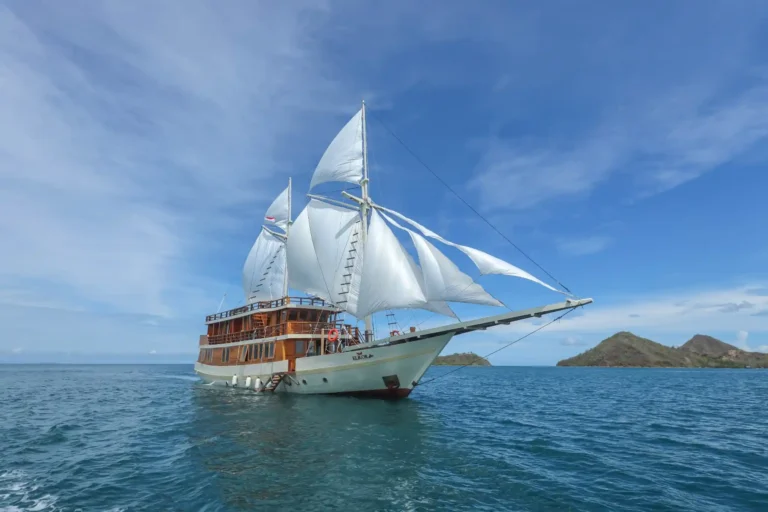
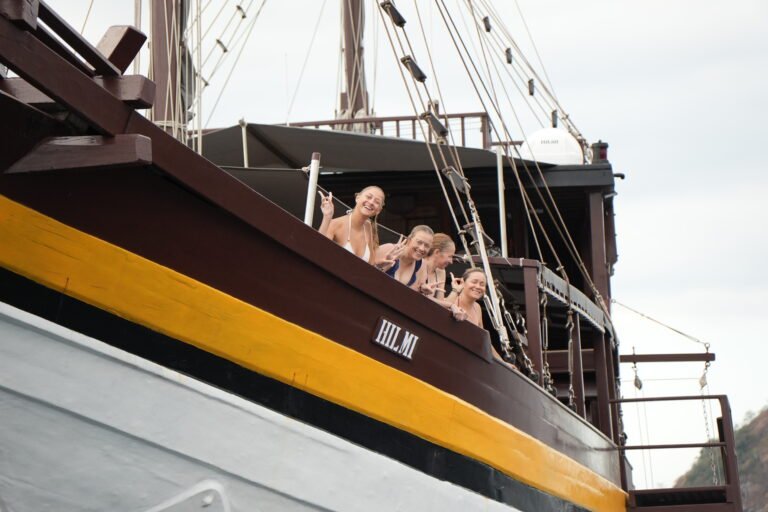
Visiting Crystal Rock in Komodo National Park is an adventure that divers should not miss. To enhance your experience, it is important to plan ahead and be well-prepared for this astounding diving location. First and foremost, ensure you have arranged transportation to reach Crystal Rock. The most common method is by boat from nearby islands such as Labuan Bajo or Komodo Island. Various tour operators offer dedicated diving packages that typically include transfers, equipment rental, and guided dives at Crystal Rock.
When selecting accommodations, Labuan Bajo serves as the primary hub with a range of options from budget hostels to luxury resorts. Choose an accommodation that aligns with your comfort needs and budget, as many divers prefer to stay near the harbor for easier access to diving boats. Additionally, booking in advance during peak season is advisable due to limited availability.
Preparation is key for a successful dive trip to Crystal Rock. Essential items to bring along include a valid diving certification, dive computer, wetsuit, and personal gear. While many providers offer rental equipment, having your own gear can enhance comfort and safety underwater. Don’t forget to pack a waterproof bag for personal belongings and a camera to capture the stunning marine biodiversity.
Safety should always be a priority when diving. Be aware of the local dive conditions and adhere to the guidance of your dive instructor. It is also crucial to monitor your air supply and depth consistently. Furthermore, consider the environmental responsibility of your dive—avoid touching the coral and maintain a respectful distance from marine life. Equipped with knowledge and proper planning, your visit to Crystal Rock will surely be a memorable experience.
Photography and Underwater Art at Crystal Rock
Crystal Rock is undeniably one of the premier destinations for underwater photography enthusiasts. The site is renowned for its vibrant marine life and stunning coral gardens, providing countless opportunities to capture breathtaking images. With crystal-clear waters and the diverse ecosystem, divers can experience the thrill of photographing rare species in their natural habitat. This remarkable biodiversity ensures that each dive offers new and exciting subjects, from the smallest nudibranchs to majestic manta rays gliding gracefully across the ocean floor.
The enchanting topography of Crystal Rock further enhances the photographic experience. The reef formations create fascinating patterns and textures that intrigue photographers and artists alike. Photographers often find themselves mesmerized by the interplay of light and shadows, especially during the early morning or late afternoon when the sun penetrates the water, casting ethereal beams onto the coral below.
Aside from the compelling visual aspects, it is crucial to emphasize the importance of responsible underwater photography. While capturing the beauty of Crystal Rock is desirable, it is equally essential to protect it. Divers and photographers are urged to adhere to guidelines that avoid damaging delicate corals and disturbing marine life. Techniques such as buoyancy control are vital. By maintaining an awareness of one’s surroundings, divers not only ensure their safety but also the preservation of the ecosystem that makes this dive site so remarkable. Sustainable practices enhance the enjoyment of the underwater world while ensuring its beauty is preserved for future generations. Photography at Crystal Rock is more than just taking pictures; it is a profound responsibility to acknowledge and protect the fragile beauty of marine life.
Conclusion: The Allure of Crystal Rock
Crystal Rock in Komodo stands as a premier destination for diving enthusiasts due to its remarkable underwater features and rich biodiversity. Its vibrant coral gardens and stunning topography create a captivating underwater landscape that captivates divers of all levels. The allure of this dive spot lies not only in its breathtaking visuals but also in the unique marine life that inhabits its waters.
The exceptional biodiversity of Crystal Rock is a key factor that sets it apart from other dive locations in the region. Divers can expect to encounter a plethora of species, ranging from vibrant reef fish to majestic manta rays and even the elusive reef sharks. This plethora of marine life contributes to the ecological richness of the area, making each dive an exciting and unpredictable adventure.
Moreover, the site is well-suited for a variety of diving experiences, accommodating both novice and expert divers. The varying depths and currents offer opportunities for learning and exploration, allowing less experienced divers to enjoy the beauty while providing seasoned divers with the challenge they seek. This diversity in experience makes Crystal Rock a compelling choice for diving trips.
In essence, a visit to Komodo is incomplete without diving at Crystal Rock. The combination of stunning visual elements, diverse marine ecosystems, and the opportunity for adventure makes it a must-visit spot on any diver’s itinerary. For those seeking awe-inspiring underwater experiences, planning a dive at Crystal Rock is a decision that promises to enhance any diving adventure, creating lasting memories amid one of nature’s most captivating spectacles.