PADI Diving Holiday in Indonesia for Europeans
PADI (Professional Association of Diving Instructors) is a leading scuba diving training organization that offers courses catering to divers of all skill levels. In Indonesia, PADI diving is not only a popular activity but also a gateway to experience some of the most extraordinary marine biodiversity in the world. The country’s vast archipelago consists of over 17,000 islands, offering diverse habitats ranging from coral reefs to deep-sea trenches, which together create a stunning underwater wonderland.
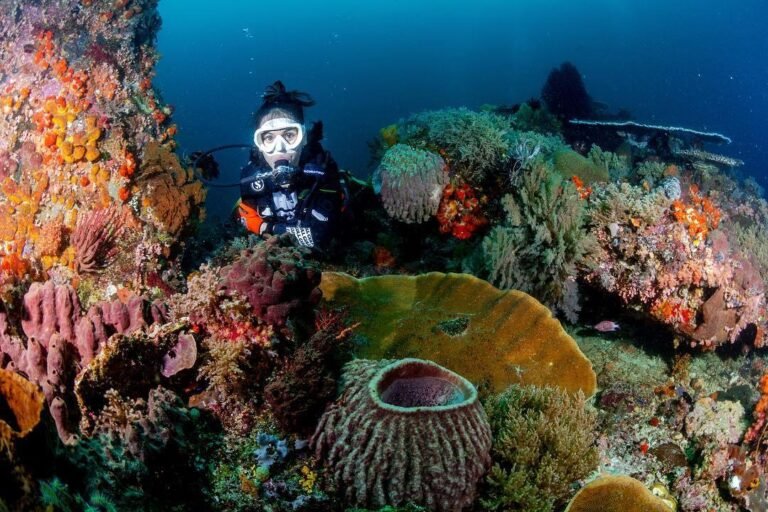
Indonesia’s reputation as a premier diving destination is well-deserved, attracting thousands of divers each year. Renowned dive sites such as Raja Ampat, Komodo Island, and Bunaken National Marine Park showcase an abundance of fish species, vibrant coral reefs, and intricate underwater ecosystems. The stunning visibility in these locations further enhances the diving experience, allowing divers to truly appreciate the intricate details of marine life. This unique environment makes it a prime location for Europeans seeking both adventure and relaxation.

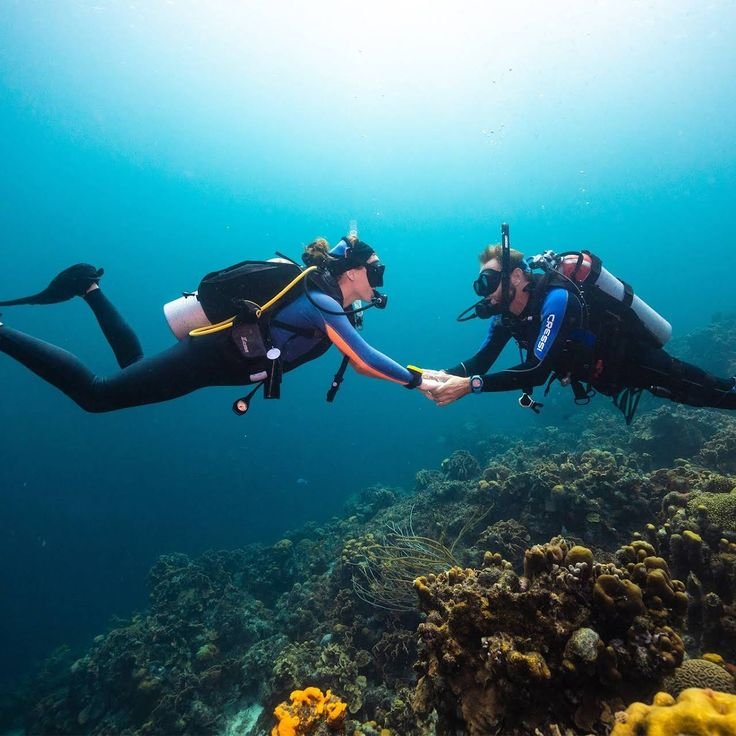
The appeal of PADI diving courses in Indonesia lies in their comprehensive curriculum designed to ensure divers acquire necessary skills in a safe and enjoyable manner. Whether one is a beginner eager to explore the depths for the first time or an experienced diver looking to refine their skills, PADI courses provide numerous options tailored to individual preferences. Furthermore, the combination of world-class instructors and breathtaking diving conditions elevates the learning experience, making it an ideal choice for many European travelers.
From the first lesson in the shallow waters to submersible explorations of vibrant reefs, PADI diving courses in Indonesia promise an unforgettable adventure. The allure of discovering the hidden gems of the ocean, coupled with the rich cultural heritage of Indonesia, ensures that European divers leave with treasured memories and a deeper appreciation for the marine environment.
Top Diving Destinations in Indonesia
Indonesia, renowned for its unparalleled aquatic biodiversity, offers a plethora of diving spots that are particularly enticing to European divers. Among these, Bali, Raja Ampat, and the Komodo Islands stand out for their unique underwater experiences.
Bali, often considered the jewel of Indonesia, is characterized by its diverse marine ecosystems. The island features multiple diving sites such as Tulamben, known for the USAT Liberty wreck, and Nusa Penida, where divers can encounter majestic Mola Mola (oceanic sunfish) during season. The warm waters and vibrant coral reefs host an array of marine life, making Bali a perfect choice for both novice and experienced divers.
Raja Ampat, located in West Papua, is another must-visit destination, often heralded as the epicenter of marine biodiversity. The area boasts more than 1,500 species of fish, 600 species of coral, and countless other marine organisms. Noteworthy dive sites such as Cape Kri and Blue Magic offer thrilling experiences with schools of pelagic fish, manta rays, and occasional sightings of whale sharks. The rich underwater landscapes and stunning visibility create ideal conditions for observing the vibrant marine life.
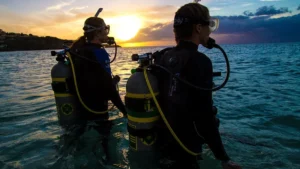
Lastly, the Komodo Islands provide an exhilarating diving experience, famed for their strong currents that attract diverse marine species. The Komodo National Park is a UNESCO World Heritage Site and is home to the famous Komodo dragons. Divers here can explore sites like Batu Bolong and Castle Rock, where encounters with large fish species such as reef sharks, barracudas, and manta rays are common. The dramatic underwater topography and warm currents add to the allure of this destination for European adventurers seeking thrilling dives.
Preparing for Your PADI Diving Holiday
Embarking on a PADI diving holiday in Indonesia requires thoughtful preparation to ensure both safety and enjoyment during your underwater adventures. One of the initial steps is selecting the right dive center. Look for centers that are certified by PADI and have a reputation for professionalism and safety. Researching online reviews, speaking to previous divers, and ensuring the center is equipped with modern safety gear can greatly enhance your diving experience.
Understanding PADI certifications and the available courses is crucial, especially for less experienced divers. Familiarize yourself with the different certification levels, such as Open Water Diver, Advanced Open Water Diver, or specialty courses. The availability of these courses varies by dive center, and some may even offer packages that combine certification with diving experiences.
Next, packing the necessary gear is essential for a comfortable diving experience. While many dive centers offer rental equipment, investing in personal gear, such as a wetsuit, dive computer, and mask, can improve your comfort underwater. It is advisable to pack lightweight clothing for warm weather and adequate sun protection, as well as basic first-aid supplies for any potential health issues.
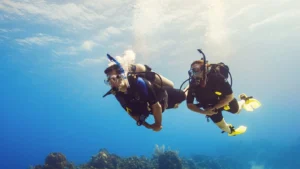
Health considerations cannot be overlooked when preparing for a diving holiday. Ensure you have a thorough medical examination, especially if you have any pre-existing conditions. Diving can put stress on the body, so being in good physical condition is beneficial. Additionally, make sure to stay hydrated and avoid alcohol before dives, as these can negatively impact your performance and safety.
Travel logistics are another critical aspect to plan. Indonesia’s prime diving season generally runs from April to November, with optimal conditions varying by location. Therefore, it is wise to research the best times to dive specific areas. Understanding local transportation options—such as boats to islands, car rentals, or domestic flights—will also help streamline your travel experience within the archipelago.
Cultural and Environmental Considerations for Divers
When embarking on a PADI diving holiday in Indonesia, divers are encouraged to be mindful of the rich cultural tapestry and ecological significance of the regions they explore. Indonesia boasts over 17,000 islands, each with distinct traditions and beliefs. Understanding these cultural nuances fosters a respectful interaction with local communities.
For instance, many coastal villages in Indonesia maintain a deep connection to the sea and view it as a sacred space. Divers should take the time to learn about local customs and practices. Simple gestures, such as greeting locals in their native language or participating in community events, can go a long way in respecting these customs. Visitors should also be aware of local dress codes when visiting public sites or temples, which often require modest attire.
Equally important is the duty to protect marine ecosystems. Divers must prioritize responsible diving practices such as not touching or standing on coral reefs, as these delicate organisms are central to underwater biodiversity. The destruction of coral not only impacts aquatic life but also disrupts the livelihoods of local fishermen who depend on healthy marine habitats.
Participants in diving excursions should receive thorough briefings on environmental stewardship. PADI and other organizations emphasize eco-friendly diving and promote practices like reef cleaning and species awareness. Furthermore, divers can support local conservation initiatives by participating in organized beach clean-ups or contributing to marine conservation programs. Engaging with these activities enriches the diving experience while fostering a greater sense of responsibility towards preserving Indonesia’s marine environments.
Ultimately, those who embrace the cultural and environmental aspects of their diving experience not only enhance their adventures but also contribute positively to local communities and ecosystems.
Why Indonesia Has Become a Dream Destination for European Divers
For many Europeans, diving holidays begin with imagination long before a flight ticket is booked. Crystal-clear water is imagined during cold winter mornings in Germany. Tropical coral reefs are dreamed about while rain falls across Amsterdam streets. Somewhere between daily routines and endless work schedules, Indonesia begins to appear on a diver’s screen. Photos of manta rays in Komodo National Park are shared online. Videos of colorful coral gardens in Raja Ampat are watched repeatedly. Stories about warm Indonesian hospitality are read late at night. Eventually, a decision is made. A diving holiday in Indonesia is planned. For many European travelers, especially divers from France, Germany, Italy, Spain, the Netherlands, and the United Kingdom, Indonesia is no longer considered only an exotic destination. It has become one of the most respected diving countries in the world.

More than 17,000 islands are spread across the archipelago. Some of the richest marine biodiversity on Earth is protected beneath Indonesian waters. Ancient coral systems are found in remote regions. Massive schools of fish are encountered daily. Strong currents challenge advanced divers. Calm lagoons welcome beginners. And somewhere in eastern Indonesia, the famous Komodo National Park continues to change the lives of visiting divers.
The First Impression of Indonesia from a European Diver’s Perspective
For many Europeans, the first moments in Indonesia feel overwhelming in the best possible way. The warm tropical air is immediately noticed after leaving the airport. The smell of sea salt mixes with clove cigarettes and Indonesian spices. Motorbikes move through crowded streets. Smiles are offered by strangers. Everything feels alive. Unlike diving holidays in the Mediterranean, where schedules are often rigid and environments feel commercialized, Indonesia offers something more emotional and personal. The experience feels raw. Authentic connections are formed quickly. Many divers describe Indonesia as a place where diving becomes more than a sport. It becomes a lifestyle experience. A Dutch diver named Lars shared his first impression after arriving in Labuan Bajo:
“I came for diving, but Indonesia gave me something much bigger. It changed how I travel and how I experience nature.”
That emotional connection is often repeated by European travelers who return to Indonesia multiple times.
Why European Divers Choose Indonesia for PADI Diving Holidays
Several important reasons explain why Indonesia has become one of the top destinations for European diving holidays.
Warm Water Throughout the Year
Unlike Europe, where cold-water diving is common, Indonesia offers tropical water temperatures ranging between 27°C and 30°C. Thick drysuits are no longer needed. For many Europeans, this creates a completely different diving experience. Movements become easier underwater. Longer dives can be enjoyed comfortably. Relaxation increases significantly. A French diver from Marseille explained:
“For the first time in years, I finished dives without freezing. I could finally focus only on marine life.”
Extraordinary Marine Biodiversity
Indonesia sits inside the Coral Triangle, which is considered the richest marine ecosystem in the world. Thousands of marine species are found here:
- manta rays,
- reef sharks,
- turtles,
- pygmy seahorses,
- nudibranchs,
- whale sharks,
- dolphins,
- and enormous schools of tropical fish.
Many European divers who previously explored Egypt or the Maldives are often shocked by the biodiversity found in Indonesia. Visibility can be excellent. Coral health remains impressive in many protected areas. Every dive feels unpredictable.
Affordable Luxury Compared to Europe
Luxury diving holidays in Europe are often extremely expensive. In Indonesia, however, high-quality experiences can still be accessed at reasonable prices. European travelers are often surprised by:
- private cabins,
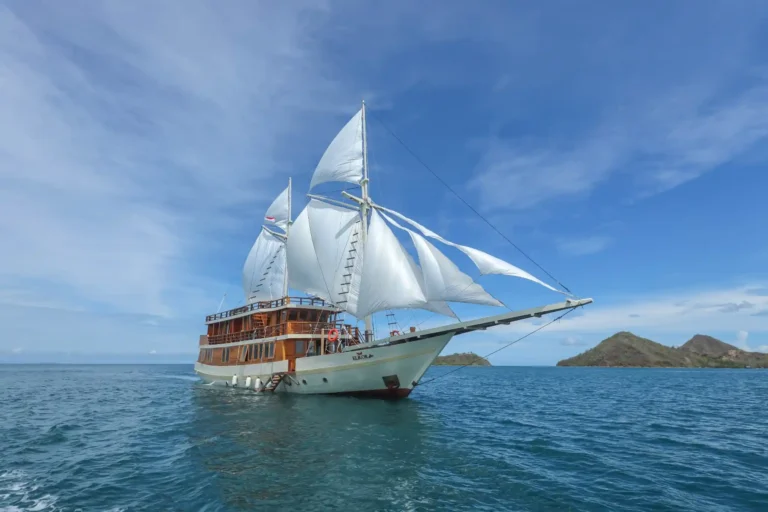
- handcrafted phinisi boats,
- gourmet meals,
- personalized dive guides,
- and luxury liveaboard experiences.
Many divers discover that Indonesia offers better value than several Mediterranean diving destinations.
Komodo National Park: The Ultimate Diving Playground
Among all Indonesian diving destinations, Komodo National Park receives special attention from European divers. Located between Sumbawa and Flores islands, Komodo is famous not only for dragons but also for world-class diving. Strong nutrient-rich currents support extraordinary marine life. Massive pelagic species are frequently encountered. Healthy coral reefs stretch across underwater mountains. or experienced European divers, Komodo feels exciting because every dive carries unpredictability,Conditions change quickly,Currents become challenging.,Adrenaline increases.,Yet beauty remains everywhere.
The Emotional Impact of Diving in Komodo
Many divers arrive expecting beautiful reefs,Few expect emotional transformation.,A German diver named Sebastian described his experience after diving at Batu Bolong:
“I remember surfacing from the dive and simply staying silent for several minutes. I had never seen life exploding underwater like that.”
That emotional response is extremely common,Komodo is not simply admired. It is deeply felt.
A Typical Day During a PADI Diving Holiday in Indonesia
For European divers, life during a diving holiday in Indonesia quickly falls into a peaceful rhythm.
Early Morning Begins Quietly
The day often starts before sunrise. Fresh coffee is served on deck. Tropical islands slowly appear under golden light. Calm ocean waves surround the boat. Unlike stressful European mornings, time feels slower here.Breakfast is usually prepared while dive briefings are conducted. Fresh fruit, eggs, pancakes, Indonesian fried rice, and strong coffee are commonly enjoyed before the first dive.
The First Dive of the Day
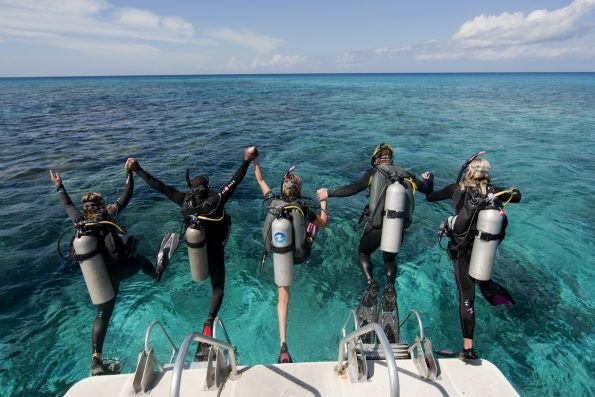
Equipment is checked carefully,Masks are cleaned,Back-roll entries begin,Suddenly, the underwater world opens,Visibility stretches endlessly,Colorful coral reefs appear below. Huge schools of fish surround divers immediately. For many Europeans, the first dive in Indonesia becomes unforgettable.
Real Experiences from European Divers
Sophie from France
Sophie arrived in Indonesia after completing several dives in the Red Sea. She expected beautiful reefs. Instead, she encountered manta rays during her second dive in Komodo.
“One manta ray stayed above us for several minutes. It looked directly into my eyes. I almost cried underwater.”
She later extended her holiday by another week.
Luca from Italy
Luca had been diving for more than ten years in the Mediterranean. Indonesia surprised him completely.
“The life underwater felt infinite. In Europe, I often search hard for marine life. In Komodo, everything is everywhere.”
Hannah from the United Kingdom
Hannah traveled alone through Southeast Asia before joining a PADI diving liveaboard. Initially nervous about solo travel, she quickly bonded with other divers onboard.
“By the third day, it felt like a family. Diving creates connections very fast.”
This social aspect becomes one of the strongest memories for many European visitors.
Why PADI Courses in Indonesia Are Popular Among Europeans
Indonesia has become one of the best places in the world to complete:
- Open Water courses,
- Advanced Open Water certifications,
- Rescue Diver training,
- and Divemaster programs.
Several factors contribute to this popularity.
Excellent Learning Conditions
Warm water and excellent visibility reduce stress for beginners.Skills are practiced more comfortably compared to cold European conditions. Confidence develops faster.
Affordable Training Prices
Compared to Europe, PADI courses in Indonesia are often significantly more affordable. This allows many travelers to continue advanced training while enjoying tropical holidays.
Professional Dive Communities
International dive instructors from around the world work throughout Indonesia. English-speaking environments are common. European students usually adapt easily.
Luxury Liveaboards: A New Standard for European Divers
One of the biggest surprises for European visitors is the quality of Indonesian liveaboards. Traditional wooden phinisi boats combine Indonesian craftsmanship with modern luxury. Cabins often include:
- private bathrooms,
- air conditioning,
- ocean-view windows,
- and premium dining experiences.
For Europeans used to compact Mediterranean dive boats, Indonesian liveaboards feel incredibly spacious and comfortable.
Diving Safety in Indonesia
Safety remains one of the biggest concerns for European travelers. Fortunately, professional PADI operators in Indonesia generally maintain strong safety standards. Briefings are detailed. Equipment is inspected regularly. Emergency oxygen systems are carried onboard. Experienced local guides understand currents extremely well. However, travelers are always encouraged to:
- choose reputable operators,
- verify certifications,
- read reviews carefully,
- and avoid suspiciously cheap offers.
Indonesian Hospitality Leaves a Lasting Impression
Many Europeans return to Indonesia not only because of diving but because of the people. Local crews often create emotional bonds with guests. Dive guides remember names quickly. Meals are prepared with care. Staff members work incredibly hard to ensure comfort.
A Spanish diver explained:
“I expected amazing diving. I did not expect the kindness.”
This hospitality becomes a major reason why many Europeans return repeatedly.
Marine Life Encounters That Europeans Never Forget
Manta Rays
Large manta ray gatherings in Komodo become life-changing experiences for many divers. Watching these enormous creatures glide gracefully through cleaning stations feels surreal.
Reef Sharks
White-tip and black-tip reef sharks are frequently seen. Unlike the fear often associated with sharks in Western media, many European divers describe these encounters as calming and beautiful.
Turtles
Sea turtles are encountered almost daily in several Indonesian dive sites. Their peaceful movements create unforgettable moments underwater.
Food During Indonesian Diving Holidays
Food becomes another highlight. European divers are often surprised by the quality and variety offered onboard and on land. Fresh seafood, tropical fruits, Indonesian curries, grilled fish, and homemade desserts are commonly enjoyed. For many travelers, meals become social moments where stories are shared after dives.
The Psychological Effect of Diving in Indonesia
Many Europeans describe diving holidays in Indonesia as mentally restorative.Stress levels decrease rapidly. Digital distractions disappear. Nature becomes dominant again. Some divers even describe the experience as therapeutic. A Belgian traveler explained:
“For the first time in years, my mind became completely quiet underwater.”
Sustainable Diving and Environmental Awareness
European travelers increasingly care about sustainability. Fortunately, awareness has been growing strongly in Indonesia. Many professional operators now:
- reduce plastic waste,
- support coral restoration,
- educate divers about reef protection,
- and promote responsible tourism.
Eco-conscious European travelers appreciate these efforts deeply.
Why Many Europeans Return to Indonesia Repeatedly
Indonesia rarely becomes a one-time destination. Many divers return repeatedly because the country feels endless,After Komodo comes Raja Ampat,After Raja Ampat comes Alor,After Alor comes Banda Sea,Every region offers different marine ecosystems and cultural experiences,For passionate divers, Indonesia can be explored for years.
Tips for Europeans Planning a PADI Diving Holiday in Indonesia
Best Time to Visit
Different regions have different seasons,Komodo is often best between April and November,Raja Ampat is excellent between October and April.
Travel Insurance Is Essential
Diving insurance should always be purchased before arrival,Emergency evacuation in remote regions can be expensive.
Prepare for Long Travel Times
Indonesia is enormous,Domestic flights and boat transfers are common,Patience is important.
The Human Side of Diving Holidays
At its core, a PADI diving holiday in Indonesia is not only about reefs or certifications.It is about human experiences.Friendships are formed underwater.
Confidence is built gradually.Fear is overcome.Perspective changes.European divers often leave Indonesia carrying more than photographs.They leave with emotional memories. Indonesia has become one of the greatest diving destinations on Earth for European travelers. Its reefs remain extraordinary. Its marine biodiversity continues to amaze experienced divers. Its people create lasting emotional connections. And its diving experiences often transform visitors in deeply personal ways. For Europeans searching for more than ordinary tourism, Indonesia offers something rare:
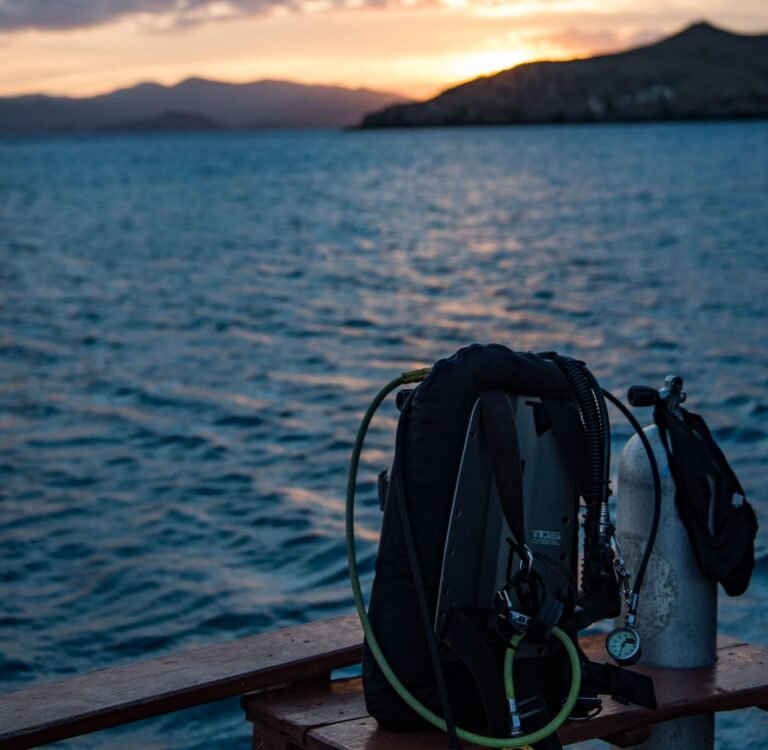
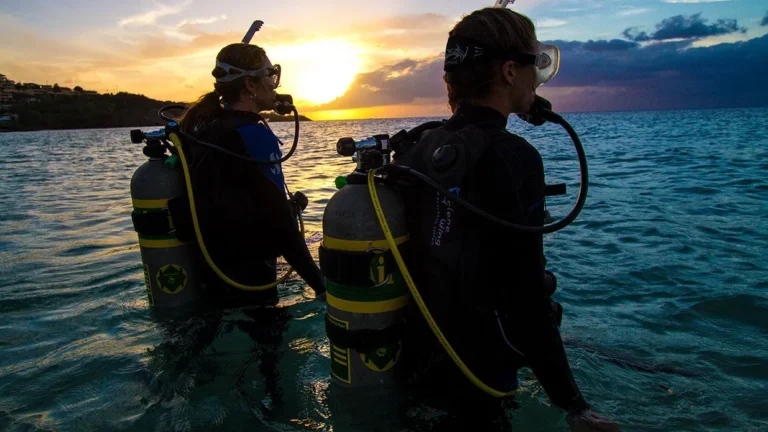
a genuine human adventure beneath the sea. From the powerful currents of Komodo to peaceful tropical sunsets aboard traditional phinisi boats, every moment feels unforgettable. Many divers arrive searching only for coral reefs. But they often leave carrying stories that stay with them for the rest of their lives.
FAQs
Is Indonesia good for beginner divers from Europe?
Yes. Many Indonesian dive destinations offer calm conditions suitable for beginners, especially for Open Water certification courses.
Which Indonesian destination is best for European divers?
Komodo National Park and Raja Ampat are considered top destinations because of biodiversity and world-class diving conditions.
Are PADI courses cheaper in Indonesia than Europe?
Yes. PADI courses in Indonesia are often more affordable while still maintaining international standards.
Is Komodo diving suitable for advanced divers?
Yes. Komodo is famous for strong currents and challenging dives that attract experienced divers worldwide.
What water temperature can European divers expect?
Most Indonesian dive destinations offer warm tropical water between 27°C and 30°C.
Why do European divers return to Indonesia repeatedly?
Because Indonesia offers extraordinary marine life, emotional travel experiences, warm hospitality, and endless diving destinations to explore.