Understanding PADI Courses
The Professional Association of Diving Instructors (PADI) is a globally recognized and leading organization dedicated to the training of divers. PADI offers a wide array of courses that cater to various skill levels, ensuring that individuals can find a program suited to their needs, whether they are beginners or experienced divers seeking to enhance their skills.
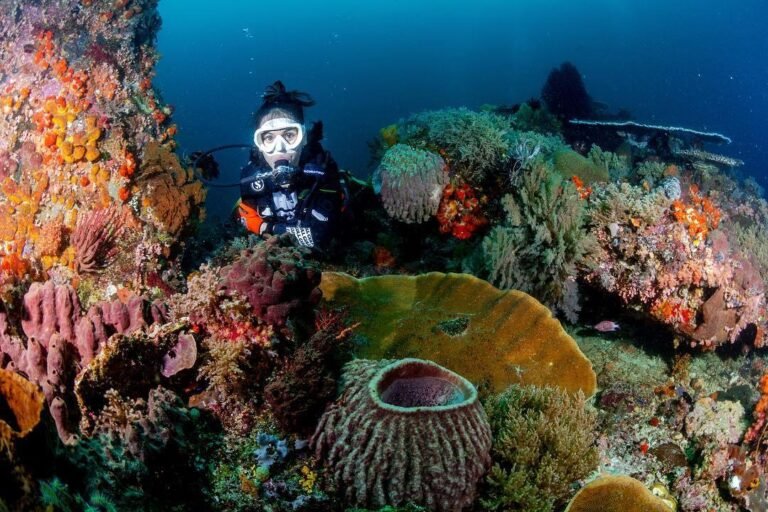
For many travelers visiting Indonesia, especially the breathtaking islands surrounding Labuan Bajo and Komodo National Park, scuba diving quickly becomes more than just a holiday activity. The crystal-clear waters, colorful coral reefs, majestic manta rays, and thrilling drift dives inspire thousands of people every year to finally take the step into becoming certified divers.
One of the most common questions travelers ask before booking a dive course is simple:
How long does a PADI course take in Komodo?
The answer depends on several factors, including the type of certification, your previous diving experience, weather conditions, learning pace, and the diving schedule offered by the dive center. Some beginner courses can be completed in just two to three days, while professional-level certifications may take weeks or even months. Komodo National Park has become one of the best destinations in Southeast Asia for scuba diving education. Unlike traditional classroom-focused destinations, Komodo offers something truly special: students can learn diving while exploring one of the world’s most spectacular marine ecosystems. This guide explains everything travelers need to know about PADI course durations in Komodo. You will discover:
- How long each PADI certification usually takes
- What daily schedules look like
- Real traveler experiences in Komodo
- Factors that affect course duration
- Best seasons for learning to dive
- Tips for choosing the right dive center
- What makes Komodo different from other diving destinations
- How to prepare before arriving in Labuan Bajo
Whether you are a complete beginner or planning to become a professional divemaster, this article will help you understand the full journey.
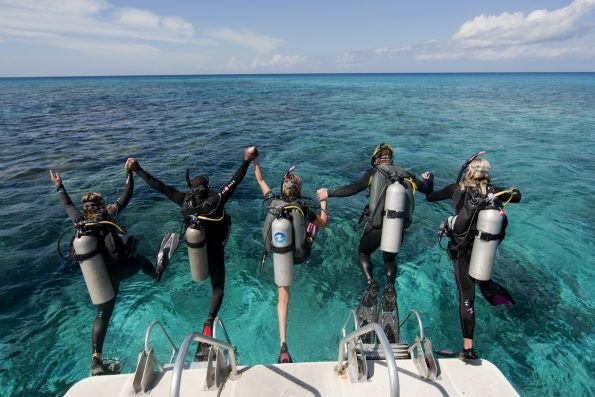
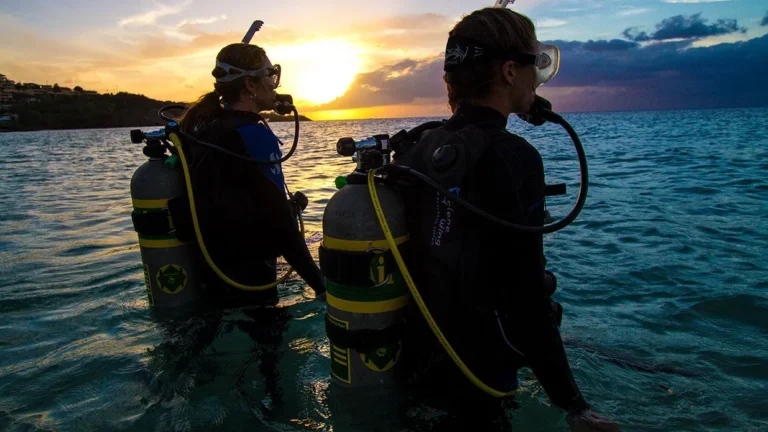
Among the most popular courses offered by PADI is the Open Water Diver course, which is designed for those who have little to no prior diving experience. This course includes theory lessons that cover basic diving principles, safety procedures, and equipment usage. Following the theoretical component, participants engage in confined water training, where they practice essential skills in a controlled environment, preparing them for their first open water dives.
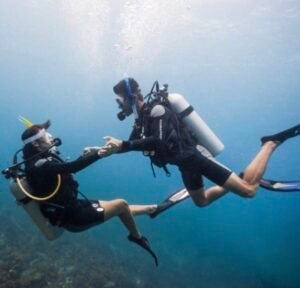
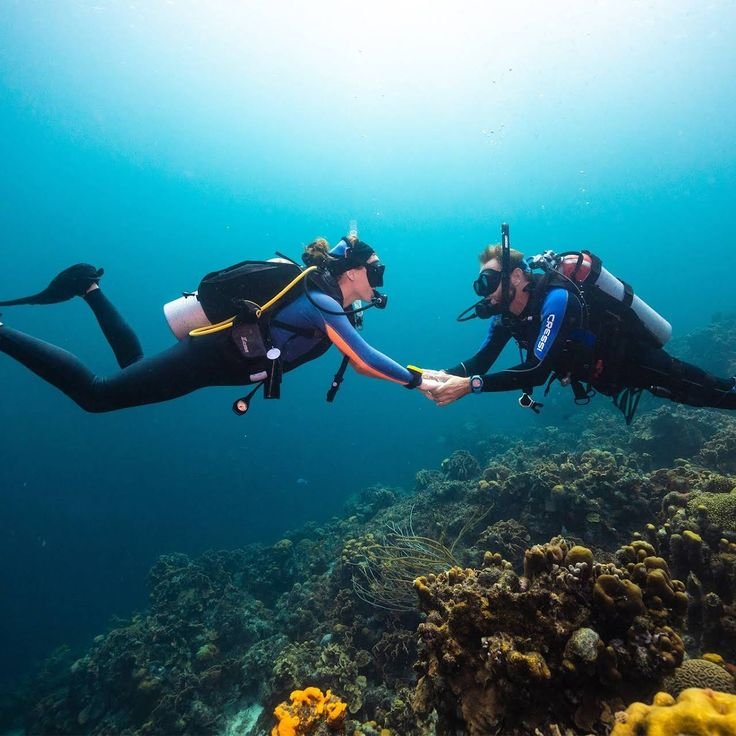
Once divers complete the Open Water Diver course, they often progress to the Advanced Open Water Diver course. This program allows divers to explore new depths and develop their skills further through various adventure dives, such as deep diving, navigation, and night diving. Each of these specialties enables divers to gain experience in specific areas of interest.
The Rescue Diver course serves as an essential step for those looking to develop their awareness and rescue capabilities. This course teaches divers how to identify and respond to diving emergencies, enhancing their confidence and increasing overall safety within the diving community.
In addition to these foundational courses, PADI offers a selection of specialty courses that focus on particular aspects of diving, such as underwater photography, wreck diving, and marine ecology. Each course typically incorporates theoretical lessons, skill development sessions, and practical application during open water dives, thereby providing a comprehensive diving education. Overall, PADI courses are structured to ensure that divers receive not only the knowledge but also the practical experience necessary to enjoy diving safely and responsibly.
Duration of PADI Courses in Komodo
The duration of PADI courses in the Komodo region varies depending on the specific course being undertaken. Generally, PADI offers a variety of courses ranging from beginner to advanced levels, each requiring a different time commitment. For instance, the Open Water Diver course, which is one of the most popular entry-level courses, typically spans around three to four days. This timeframe includes classroom sessions, confined water training, and four open water dives.
Within the daily schedule for the Open Water course, students can expect to engage in a combination of theoretical lessons and practical diving sessions. Classroom instruction generally takes place on the first day, covering essential diving principles, equipment use, and safety protocols. Following this, confined water training allows students to practice basic skills in a controlled environment, which prepares them for their first open water dives.
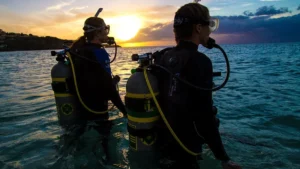
For those looking to further enhance their diving qualifications, the Advanced Open Water Diver course is another option available in Komodo. This course is usually conducted over a period of two to three days and involves five adventure dives. The first two dives are mandatory, while students can select three additional dives from a variety of options, including deep diving, wreck diving, and underwater navigation.
Dive schools in Komodo are well-equipped to accommodate these schedules, offering structured programs that combine diving with leisure time, allowing participants to explore the breathtaking underwater ecosystem of Komodo National Park. It is important for aspiring divers to plan ahead to ensure availability and to make the most of their diving experience, given the popularity of the site. Understanding the time commitment involved will aid in a smoother and more enjoyable certification journey.
Factors Affecting Course Duration
The duration of a PADI course in Komodo can be influenced by several key factors that vary from one individual to another. Understanding these factors is crucial for prospective divers aiming to plan their courses effectively.
One of the primary considerations is the weather conditions. Komodo’s climate can fluctuate, and variable conditions such as strong currents, visibility, and temperature can impact the scheduling of diving lessons. Poor weather may lead to delays or the need to modify training plans, consequently extending the duration of the course.
Another significant factor is the experience level of each student. Novice divers typically require more time to grasp foundational skills and theoretical knowledge compared to those with prior diving experience. The PADI courses are designed to accommodate all learners; however, less experienced students may need additional practice. This varying learning curve can substantially affect how long a course takes.
Dive school policies also play a role. Different schools in Komodo may have diverse operational practices or instructional methods, impacting how quickly they can complete courses. For instance, some schools may prioritize smaller class sizes for more personalized attention, potentially extending the overall duration of training.
Furthermore, the pace at which an individual learns can significantly vary. While some students may absorb information and skills quickly, others may take longer to feel comfortable with diving techniques, necessitating extended training periods. Last-minute changes, such as scheduling conflicts or the necessity for additional training sessions due to proficiency concerns, can further influence overall time in completing a PADI course. Understanding these factors helps to set realistic expectations when enrolling in diving courses in Komodo.
Conclusion and Recommendations
In summary, the duration of a PADI course in Komodo can vary significantly depending on the type of certification being pursued and the specific school offering the program. Factors such as personal pace, weather conditions, and local dive site access also play crucial roles. A standard Open Water Diver course typically spans three to four days, while advanced certifications may require additional time to cover more specialized diving skills and knowledge.
When considering a PADI course, potential divers are advised to evaluate their schedules carefully. It is important to select a course that aligns with personal availability and travel plans. Many dive schools in Komodo offer flexible scheduling, which can facilitate a more customized learning experience. Additionally, it is beneficial for divers to inquire about package deals that may include accommodation, meals, and equipment rental, as these can enhance the overall diving experience.
Moreover, divers should not overlook the value of additional days for relaxation and exploration in the magnificent Komodo region. The islands offer breathtaking landscapes, unique wildlife, and rich cultural experiences; hence, planning extra time beyond the course duration can enrich the trip. This way, divers can experience not only the underwater wonders but also the stunning beauty and biodiversity on land.
In conclusion, a successful PADI course experience in Komodo hinges on thoughtful planning and consideration of various factors, from course selection to scheduling and additional explorations. Prioritizing these aspects will ensure that divers can fully enjoy their journey into the world of scuba diving while appreciating the unique allure of Komodo.
Why Komodo Is One of the Best Places to Learn Diving
Before discussing course duration, it is important to understand why so many travelers choose Komodo for their PADI certification.
Located in eastern Indonesia, Komodo National Park is internationally famous for:
- Strong marine biodiversity
- Crystal-clear visibility
- Healthy coral reefs
- Encounters with manta rays
- Warm tropical water temperatures
- Diverse dive sites for all levels
- Spectacular island scenery
Many travelers initially come to Komodo to see the famous Komodo dragons. However, after experiencing the underwater world, diving often becomes the highlight of the trip.
Unlike crowded tourist diving destinations, Komodo offers a sense of adventure and exploration. Every dive feels different.
Some dive sites are calm and ideal for beginners, while others feature exciting currents suitable for advanced divers. Because of this diversity, Komodo is perfect for learning progressively.
Another major advantage is the atmosphere in Labuan Bajo.
The town has transformed into a global diving hub, attracting travelers from Europe, Australia, North America, and Asia. This international environment creates a unique learning experience where students often make friends from around the world during their course.
Understanding the PADI System
PADI stands for the Professional Association of Diving Instructors. It is the world’s largest scuba diving training organization. PADI certifications are recognized internationally, meaning you can dive almost anywhere in the world after becoming certified. The most common PADI courses include:
- Discover Scuba Diving
- Open Water Diver
- Advanced Open Water Diver
- Rescue Diver
- Divemaster
- Specialty Courses
- IDC Instructor Development Course
Each course has different time requirements.
How Long Does the Discover Scuba Diving Program Take?
Duration: Half Day to One Day
For travelers who are curious about scuba diving but do not want to commit to a full certification course, the Discover Scuba Diving program is the fastest option. This program is not a certification course. Instead, it gives beginners a chance to experience scuba diving under direct supervision from a professional instructor.
Typical Schedule
A Discover Scuba Diving experience in Komodo usually includes:
- Basic safety briefing
- Introduction to scuba equipment
- Practice in shallow water
- One or two ocean dives
Most programs begin early in the morning and finish in the afternoon.
Traveler Experience
Many travelers describe Discover Scuba Diving in Komodo as life-changing. People who were initially nervous often become addicted to diving after seeing turtles, colorful coral reefs, clownfish, reef sharks, and manta rays during their first underwater experience. For some travelers, this short experience becomes the beginning of a much bigger diving journey.
How Long Does the PADI Open Water Course Take in Komodo?
Duration: 3 to 4 Days
The PADI Open Water Diver course is the most popular scuba certification in the world.This course is designed for complete beginners with no previous diving experience. In Komodo, most dive centers complete the course in three to four days. However, some students may need extra time depending on:
- Comfort level in water
- Learning pace
- Weather conditions
- Boat schedules
- Physical condition
What Is Included?
The Open Water course consists of three main sections:
1. Knowledge Development
Students learn:
- Basic dive theory
- Pressure and buoyancy
- Dive safety
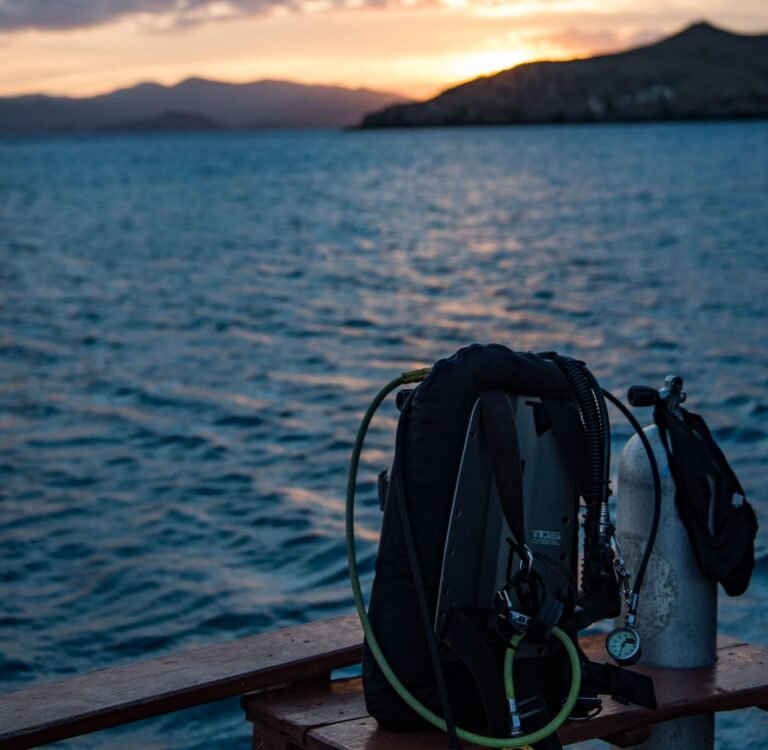
- Equipment usage
- Underwater communication
- Dive planning
Many dive centers in Labuan Bajo now offer eLearning options. This allows students to complete theory lessons online before arriving in Komodo, saving significant time.
2. Confined Water Sessions
Students practice essential scuba skills in shallow water.
Skills include:
- Mask clearing
- Regulator recovery
- Buoyancy control
- Emergency procedures
- Underwater breathing techniques
3. Open Water Dives
Students complete four training dives in the ocean.
These dives allow students to apply their skills in real underwater conditions.
A Typical 4-Day Open Water Schedule in Komodo
Day 1
- Course orientation
- Theory lessons
- Equipment introduction
- Shallow water practice
Day 2
- More confined water skills
- First open water dives
- Buoyancy exercises
Day 3
- Additional ocean dives
- Underwater navigation
- Skill demonstrations
Day 4
- Final training dives
- Knowledge review
- Certification processing
At the end of the course, students become certified PADI Open Water Divers.
This certification allows diving worldwide up to 18 meters.
Real Traveler Experience: Learning to Dive in Komodo
Emma from Australia arrived in Labuan Bajo with no diving experience. Initially, she planned only a short island-hopping trip around Komodo National Park. After seeing videos of manta rays and coral reefs, she decided to try the Open Water course. She expected the course to feel stressful or overly technical. Instead, she discovered a supportive environment where instructors explained everything step by step.Her first day underwater felt strange because breathing through a regulator was unfamiliar. However, by the second day, she began feeling relaxed. During her third training dive, she encountered a sea turtle gliding silently across the reef. “That moment completely changed my perspective,” she explained later. “I stopped thinking about skills and started enjoying the underwater world.” By the end of the fourth day, she not only completed her certification but also booked additional fun dives.Her story reflects the experience of many travelers in Komodo.
How Long Does the Advanced Open Water Course Take?
Duration: 2 to 3 Days
The Advanced Open Water course is the next step after Open Water certification.This course helps divers improve confidence and explore new types of diving. Unlike the beginner course, Advanced Open Water focuses heavily on practical diving rather than classroom sessions.
Required Adventure Dives
Students complete five adventure dives, including:
- Deep dive
- Underwater navigation dive
Plus three additional specialty dives such as:
- Drift diving
- Night diving
- Peak performance buoyancy
- Fish identification
- Wreck diving
Komodo is one of the best places in the world for Advanced Open Water training because of its famous drift dives.
Why Travelers Love Advanced Courses in Komodo
Many travelers say the Advanced course feels less like studying and more like adventure.
The dives often include:
- Strong currents
- Large schools of fish
- Manta ray cleaning stations
- Deep reef walls
- Exciting underwater landscapes
Because Komodo offers such diverse conditions, divers gain experience very quickly.
How Long Does the Rescue Diver Course Take?
Duration: 3 to 4 Days
The Rescue Diver course is considered one of the most valuable and rewarding certifications in scuba diving.
This course teaches divers how to:
- Prevent diving accidents
- Manage emergencies
- Assist stressed divers
- Perform underwater rescues
- Improve situational awareness
Although physically and mentally demanding, many divers describe Rescue Diver training as their favorite course. In Komodo, rescue scenarios often feel realistic because the marine environment includes currents and changing conditions.
How Long Does a Divemaster Course Take in Komodo?
Duration: 4 Weeks to Several Months
The PADI Divemaster certification is the first professional level in scuba diving.
This course transforms recreational divers into dive leaders.
In Komodo, Divemaster internships are extremely popular because trainees gain experience in one of the world’s most dynamic dive environments.
Divemaster Responsibilities
Trainees learn:
- Dive leadership
- Risk management
- Dive briefings
- Assisting instructors
- Mapping dive sites
- Supervising certified divers
- Marine conservation awareness
Why Komodo Is Ideal for Divemaster Training
Komodo exposes divemaster candidates to:
- Strong currents
- Diverse marine species
- Advanced navigation
- Challenging dive logistics
- Real professional diving operations
Many dive professionals believe Komodo produces highly skilled divemasters because the conditions demand awareness and adaptability.
Factors That Affect Course Duration
Several important factors can influence how long a PADI course takes in Komodo.
1. Weather Conditions
Although diving is possible year-round, weather can affect boat schedules.
Strong winds or waves occasionally delay dives.
2. Student Confidence
Some students feel comfortable immediately, while others need more time.
Good instructors adapt the pace to the student.
3. eLearning Preparation
Students who complete theory lessons online before arriving often finish courses faster.
4. Health and Fitness
Fatigue, dehydration, or seasickness can slow progress.
5. Group Size
Smaller groups often allow faster and more personalized instruction.
Best Time of Year to Take a PADI Course in Komodo
Komodo offers diving throughout the year.
However, conditions vary depending on the season.
Dry Season
April to October
This period usually offers:
- Excellent visibility
- Sunny weather
- Calm seas
- Comfortable diving conditions
This is the most popular season for beginner divers.
Rainy Season
November to March
The rainy season still offers great diving.
Advantages include:
- Fewer tourists
- More relaxed atmosphere
- Healthy marine life activity
- Lower accommodation prices
Some days may experience rain or rougher seas, but many travelers still enjoy excellent conditions.
Is Komodo Suitable for Beginner Divers?
Many people assume Komodo is only for advanced divers because of its strong currents. While some dive sites are challenging, Komodo also has numerous beginner-friendly sites. Experienced instructors carefully choose locations suitable for training. Calm sites around central Komodo and nearby islands allow beginners to learn safely.The key is choosing a reputable dive center that prioritizes safety and adapts dive plans to student skill levels.
What Makes Learning in Komodo Different?
1. Incredible Marine Biodiversity
Students often see:
- Manta rays
- Sea turtles
- Reef sharks
- Napoleon wrasse
- Giant trevallies
- Colorful nudibranchs
- Healthy coral reefs
This transforms training dives into unforgettable experiences.
2. Real Adventure Atmosphere
Unlike pool-focused resort destinations, Komodo feels wild and authentic.
The dramatic islands, volcanic landscapes, and remote dive sites create a powerful sense of exploration.
3. International Diving Community
Labuan Bajo attracts divers from around the world.
Students often build friendships that continue long after the course ends.
How Much Time Should Travelers Allocate?
Even if a course officially takes only a few days, travelers should ideally allow extra time in Komodo.
For example:
- Open Water Course: Plan 5 to 6 days total
- Advanced Course: Plan 3 to 4 days total
- Rescue Course: Plan 4 to 5 days total
Extra time helps account for:
- Weather delays
- Rest days
- Additional fun dives
- Island exploration
- Travel recovery
Many travelers regret booking flights too tightly after their course.
Why You Should Avoid Rushing a PADI Course
Some travelers look for the fastest possible certification.
However, scuba diving is a skill that requires confidence, awareness, and comfort underwater.
Choosing a quality learning experience is far more important than speed.
A rushed course can create:
- Poor buoyancy control
- Anxiety underwater
- Weak safety understanding
- Reduced confidence
The best instructors prioritize long-term diver development rather than simply finishing quickly.
The Emotional Journey of Learning to Dive
Many travelers describe diving courses as emotionally transformative.
At first, beginners often experience:
- Nervousness
- Fear of breathing underwater
- Anxiety about equipment
- Worry about deep water
However, as confidence grows, these feelings gradually change into:
- Excitement
- Curiosity
- Relaxation
- Wonder
- Empowerment
The underwater world has a calming effect that surprises many people.
Divers often explain that scuba diving helps them disconnect from stress and become fully present.
Common Fears Before Starting a PADI Course
“What If I Panic Underwater?”
Professional instructors are trained to guide nervous students patiently.
Courses progress gradually, allowing students to adapt slowly.
“Do I Need to Be a Strong Swimmer?”
Basic swimming ability is required, but students do not need to be athletes.
“What If I Cannot Equalize My Ears?”
Instructors teach proper equalization techniques.
Most people succeed with patience and practice.
“Are Sharks Dangerous?”
Sharks in Komodo are generally not aggressive toward divers.
Encounters are usually calm and exciting.
Choosing the Right Dive Center in Komodo
Not all dive centers are equal.
Travelers should carefully research before booking.
Important Factors to Consider
Safety Standards
Choose centers with:
- Well-maintained equipment
- Oxygen onboard
- Emergency action plans
- Small group sizes
- Experienced instructors
Instructor Experience
Instructors familiar with Komodo conditions provide safer and more effective training.
Reviews and Reputation
Reading traveler reviews helps identify reliable operators.
Environmental Awareness
Responsible dive centers support marine conservation and sustainable tourism.
How Much Does a PADI Course Cost in Komodo?
Prices vary depending on:
- Dive center quality
- Course level
- Group size
- Included equipment
- Accommodation packages
Generally, Komodo is more affordable than many Western diving destinations while offering world-class diving quality.
Travelers should avoid choosing solely based on the cheapest price.
Safety and instructor quality are far more important.
What Equipment Is Included?
Most PADI courses in Komodo include:
- BCD
- Regulator
- Wetsuit
- Fins
- Mask
- Tanks
- Weights
Some students eventually purchase personal equipment after falling in love with diving.
Common first purchases include:
- Dive mask
- Dive computer
- Fins
- Wetsuit
Marine Conservation and Diving Education
Many dive centers in Komodo actively support marine conservation.
Students often learn about:
- Coral reef protection
- Responsible diving behavior
- Plastic pollution
- Sustainable tourism
- Marine species identification
This educational aspect adds deeper meaning to the diving experience.
Many travelers leave Komodo with stronger environmental awareness.
Why Travelers Often Extend Their Stay
One interesting pattern in Komodo is that many visitors stay longer than planned.
A traveler may initially book:
- A three-day diving course
- A short island trip
- A quick holiday
But after experiencing the underwater world, they often extend their stay.
Reasons include:
- Falling in love with diving
- Meeting new friends
- Wanting more fun dives
- Joining liveaboard trips
- Continuing advanced certifications
Komodo has a unique atmosphere that keeps travelers connected to the destination.
Liveaboard vs Day Trip Courses
Some travelers wonder whether they should learn diving from:
- A land-based dive center
- A liveaboard boat
Land-Based Courses
Advantages:
- More comfort for beginners
- Easier rest between dives
- Stable learning environment
- Access to cafes and accommodation
Liveaboard Courses
Advantages:
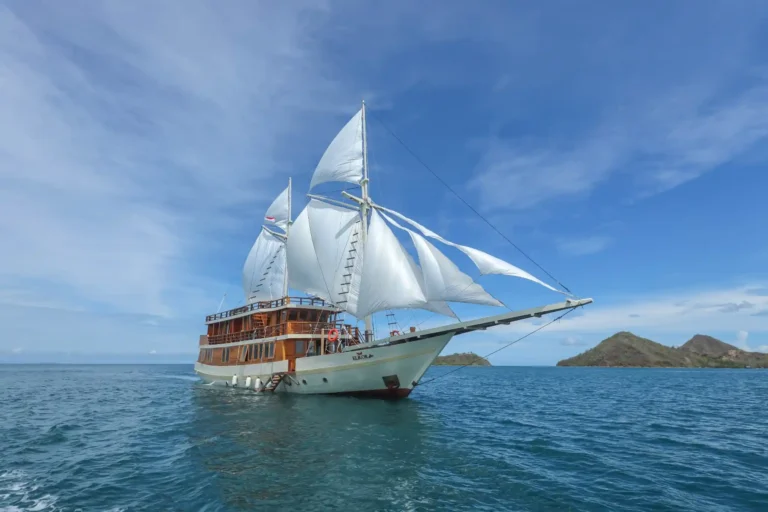
- Immersive diving experience
- Access to remote dive sites
- Adventure atmosphere
- Multiple dives daily
Beginners often feel more comfortable starting with land-based courses.
However, adventurous travelers sometimes choose liveaboard training for a more unique experience.
The Importance of Buoyancy Control
One of the most important skills students learn during a PADI course is buoyancy control.
Good buoyancy allows divers to:
- Float effortlessly underwater
- Protect coral reefs
- Reduce air consumption
- Improve safety
- Enjoy marine life interactions
Komodo’s varied conditions help students improve buoyancy quickly.
Divers who master buoyancy often enjoy diving far more.
What Happens After Certification?
After completing a PADI certification in Komodo, divers can:
- Join fun dives worldwide
- Continue advanced training
- Travel to global dive destinations
- Participate in marine conservation projects
- Work toward professional diving careers
For many travelers, certification is only the beginning.
Best Dive Sites for Training in Komodo
Different dive sites suit different skill levels.
Beginner-friendly locations often include:
- Calm reefs
- Gentle currents
- Shallow coral gardens
- Protected bays
More advanced sites feature:
- Strong drift currents
- Deep walls
- Pelagic fish encounters
- Challenging navigation
Professional dive instructors select sites carefully based on student experience.
Traveler Story: From Fear to Confidence
Lucas from Germany admitted he almost canceled his Open Water course after his first confined water session.
He felt uncomfortable breathing underwater.
However, his instructor encouraged him to slow down and focus on relaxation.
By the second day, his confidence improved dramatically.
During his final dive, he hovered calmly beside a coral reef while watching a school of barracuda.
“That moment made me realize how much fear exists only in the mind,” he later explained.
His story reflects how scuba diving often helps people grow emotionally as well as physically.
Physical Preparation Before a PADI Course
Travelers do not need extreme fitness levels.
However, preparation helps.
Recommended Preparation
- Stay hydrated
- Sleep well before diving
- Avoid heavy alcohol consumption
- Practice swimming
- Maintain general fitness
Healthy habits improve comfort and energy during training.
Understanding Diving Safety
Safety is the foundation of every PADI course.
Students learn:
- Buddy systems
- Dive planning
- Air management
- Emergency ascent procedures
- Equipment checks
- Communication techniques
Professional training reduces risks significantly.
Modern recreational scuba diving is considered very safe when proper procedures are followed.
Why Komodo Creates Memorable Learning Experiences
Many destinations offer diving courses.
However, Komodo combines:
- Exceptional marine life
- Dramatic scenery
- Adventure travel
- Professional dive operations
- Cultural experiences
- Island exploration
This combination creates unforgettable memories.
Students often remember not only the certification itself but also:
- Sunrise boat rides
- Flying fox sunsets
- Island trekking
- Ocean views
- Shared dinners with fellow divers
The course becomes part of a larger life experience.
How Diving Changes the Way Travelers See the Ocean
After becoming certified, many travelers describe a completely different relationship with the ocean.
Instead of viewing the sea only from above, they begin understanding:
- Marine ecosystems
- Coral reef health
- Fish behavior
- Ocean conservation
- Underwater balance
Diving creates deeper appreciation for nature.
Many divers become passionate advocates for marine protection.
Is It Better to Learn Diving in Komodo or Bali?
Travelers often compare Komodo and Bali for PADI training.
Bali Advantages
- Easier accessibility
- Larger tourism infrastructure
- Calm beginner sites
- More budget options
Komodo Advantages
- More dramatic marine biodiversity
- World-class drift diving
- Adventure atmosphere
- Less crowded dive sites
- Stronger sense of exploration
For travelers seeking unforgettable underwater experiences, Komodo often leaves a stronger impression.
How Long Should You Wait Before Flying?
After scuba diving, divers should wait before flying to reduce decompression risk.
General recommendations:
- Minimum 18 hours after multiple dives
- Longer after intensive dive schedules
Travelers should plan flights carefully after completing courses.
Accommodation Options for Diving Students
Labuan Bajo offers accommodation for every budget.
Options include:
- Budget hostels
- Mid-range hotels
- Luxury resorts
- Boutique stays
- Liveaboard boats
Many dive centers partner with nearby hotels.
Students often choose accommodations close to the harbor for convenience.
Combining Diving Courses With Komodo Tours
Many travelers combine diving with:
- Komodo dragon trekking
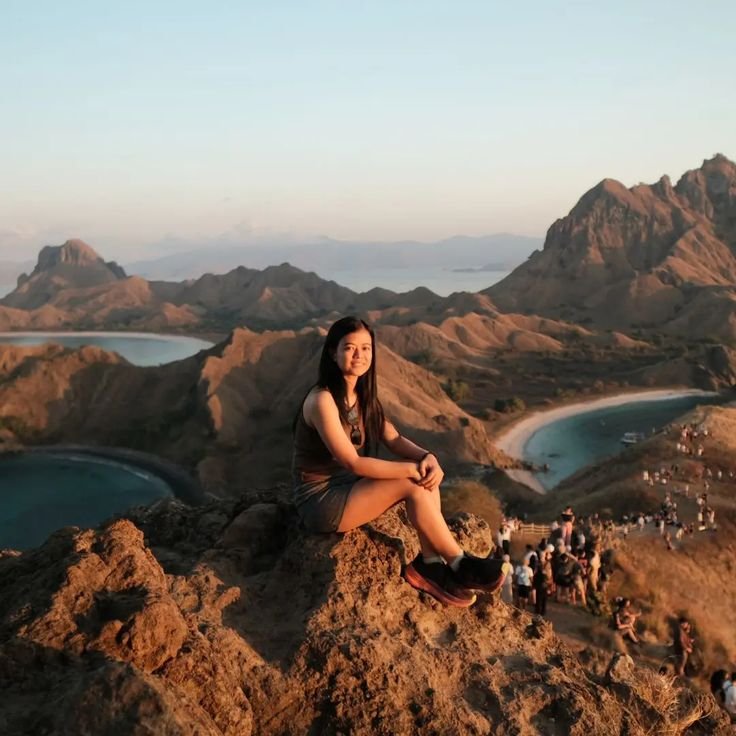
- Padar Island hiking
- Pink Beach visits
- Sunset cruises
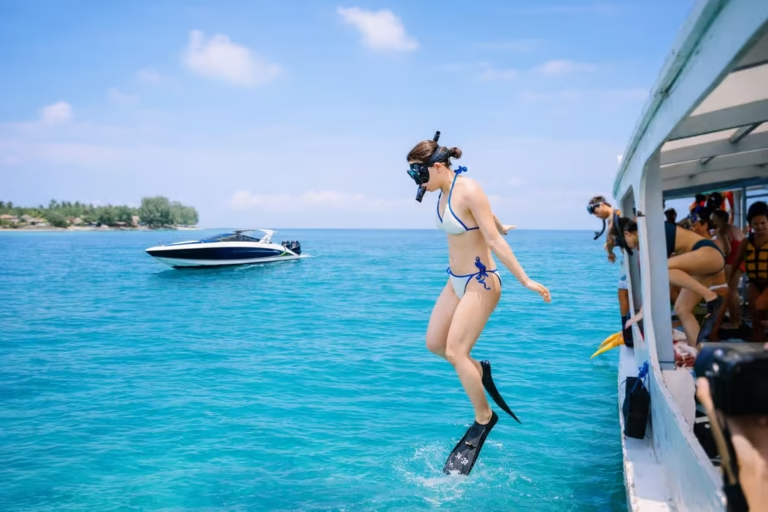
- Snorkeling trips
- Overland Flores adventures
This combination creates a balanced travel experience above and below the water.
Mental Benefits of Scuba Diving
Many divers describe scuba diving as deeply therapeutic.
Underwater, distractions disappear.
Divers focus on:
- Breathing rhythm
- Slow movement
- Ocean sounds
- Marine life observation
This often creates:
- Reduced stress
- Increased mindfulness
- Emotional calmness
- Mental clarity
Some travelers even describe diving as meditation underwater.
Traveler Experience: Meeting Manta Rays During Training
Sophia from Canada completed her Advanced Open Water course in Komodo.
During one of her adventure dives, she encountered several giant manta rays circling gracefully above a cleaning station.
“It felt unreal,” she explained.
“I came for certification, but the experience became something emotional and unforgettable.”
Encounters like this are one reason why many travelers specifically choose Komodo for diving education.
Why Small Group Courses Matter
Smaller class sizes often provide:
- Better instructor attention
- Improved safety
- Reduced stress
- Faster learning
- More personalized feedback
Many experienced travelers recommend avoiding overcrowded courses.
Quality instruction matters far more than speed.
Common Mistakes New Divers Make
1. Rushing Skills
Relaxation improves performance.
2. Poor Breathing Habits
Slow breathing conserves air.
3. Ignoring Buoyancy Practice
Buoyancy is one of the most important long-term skills.
4. Choosing Cheap Operators Without Research
Safety should always come first.
What Makes Komodo a Bucket List Diving Destination?
Komodo is consistently ranked among the best dive destinations in the world.
Reasons include:
- Strong ocean currents bringing rich nutrients
- Massive biodiversity
- Healthy coral ecosystems
- Pelagic fish encounters
- Unique underwater topography
Learning to dive in such an environment creates powerful first impressions.
Many divers compare future destinations against their Komodo experience.
How Diving Builds Confidence
Scuba diving challenges people physically and mentally.
Students gradually learn to:
- Control breathing
- Stay calm under pressure
- Solve problems underwater
- Trust their training
- Work with dive buddies
This process often increases self-confidence outside diving as well.
Can Older Travelers Take a PADI Course?
Absolutely.
People of many ages learn scuba diving successfully.
As long as travelers meet medical requirements and feel comfortable in the water, age alone is rarely a limitation.
Komodo attracts:
- Young backpackers
- Couples
- Families
- Retired travelers
- Professional divers
The diving community is extremely diverse.
Solo Travelers and Diving Courses
Komodo is particularly popular among solo travelers.
Joining a diving course naturally creates social connections.
Students spend time together:
- On boats
- During training
- At restaurants
- Exploring Labuan Bajo
Many long-term friendships begin during diving courses.
Photography and Underwater Memories
After certification, many divers become interested in underwater photography.
Komodo offers spectacular subjects including:
- Manta rays
- Macro critters
- Coral gardens
- Reef sharks
- Sea turtles
Even beginner divers often capture unforgettable photos.
Why Patience Is Important During Training
Every student learns differently.
Some adapt quickly.
Others require additional time.
Good instructors understand this.
Patience creates:
- Better learning outcomes
- Higher confidence
- Safer diving habits
- Greater enjoyment
The goal is not only certification but true comfort underwater.
The Future of Diving Tourism in Komodo
Komodo continues growing as a world-class diving destination. However, sustainable tourism remains essential. Responsible operators increasingly focus on:
- Reef protection
- Waste reduction
- Marine conservation
- Eco-friendly practices
- Community involvement
Travelers can support sustainability by choosing ethical dive centers.
Frequently Asked Questions
How long does the Open Water course take in Komodo?
Usually three to four days.
Can beginners learn diving in Komodo?
Yes. Many dive sites are suitable for beginners.
Is Komodo safe for diving courses?
Yes, when training with experienced instructors and reputable dive centers.
What is the minimum age for a PADI course?
Children can begin junior certifications from age 10.
Do I need previous experience?
No previous experience is required for Open Water certification.
Can I complete theory online before arriving?
Yes. Many dive centers offer PADI eLearning.
Is diving in Komodo expensive?
Prices vary, but Komodo offers excellent value compared to many international destinations.
Final Thoughts
So, how long does a PADI course take in Komodo? The short answer is:
- Discover Scuba Diving: Half day to one day
- Open Water Diver: 3 to 4 days
- Advanced Open Water: 2 to 3 days
- Rescue Diver: 3 to 4 days
- Divemaster: Several weeks to months
However, the real answer goes beyond numbers.
A PADI course in Komodo is not simply about completing certification requirements.
It is about:
- Discovering a new world
- Building confidence
- Experiencing adventure
- Connecting with nature
- Meeting fellow travelers
- Creating unforgettable memories
For many people, learning to dive in Komodo becomes one of the most meaningful experiences of their lives.The underwater landscapes, marine biodiversity, dramatic island scenery, and emotional journey of scuba diving combine into something far greater than a typical holiday activity. Whether you are a nervous beginner or an experienced traveler searching for new challenges, Komodo offers an incredible environment to grow as a diver. And once you take your first breath underwater surrounded by the vibrant reefs of Komodo National Park, there is a good chance you will never look at the ocean the same way again.