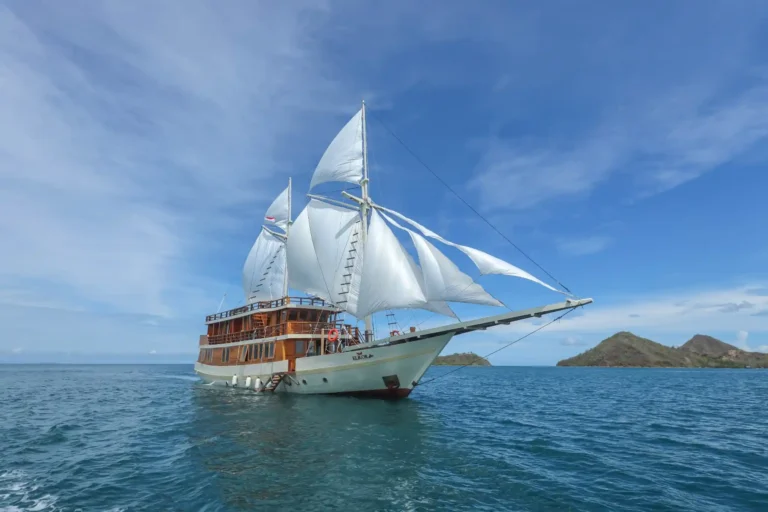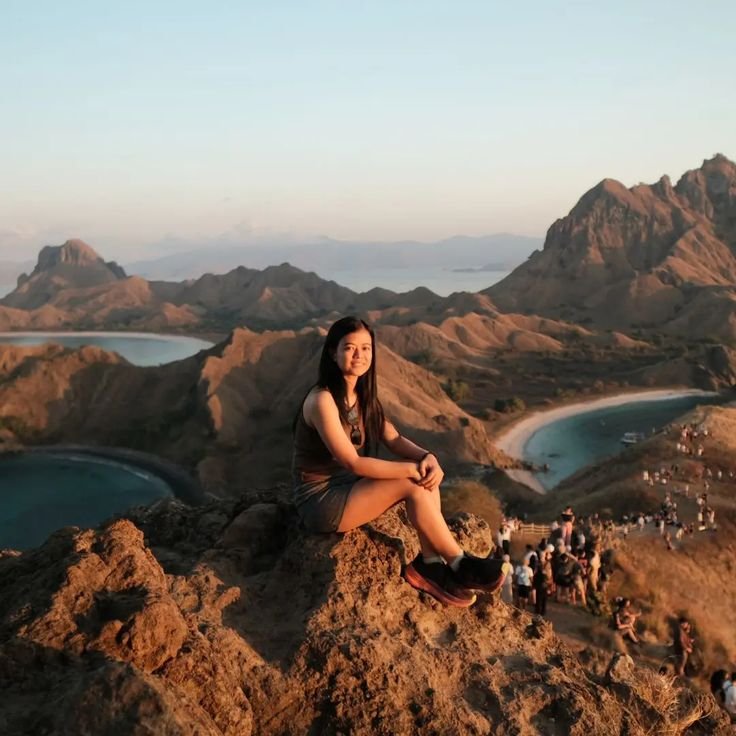
Labuan Bajo and Its Marine Biodiversity
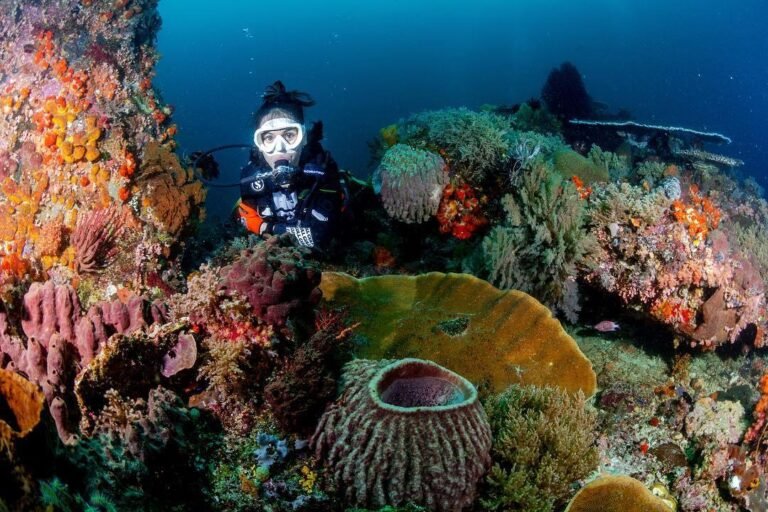
Labuan Bajo has become one of the most celebrated diving destinations in Southeast Asia, attracting underwater photographers from around the world. Located on the western tip of Flores Island, this small harbor town serves as the main gateway to the legendary Komodo National Park. Beneath the surface of its turquoise waters lies a thriving underwater world filled with manta rays, sea turtles, sharks, vibrant coral reefs, macro critters, dramatic underwater landscapes, and schools of tropical fish.
For photographers, few places in Indonesia offer such an incredible combination of biodiversity, visibility, colorful reef systems, and dynamic marine encounters. Whether you are a beginner using a compact underwater camera or a professional shooting with a full-frame mirrorless setup, the dive sites around Labuan Bajo provide endless opportunities to capture stunning underwater images.
What makes underwater photography in Labuan Bajo truly exceptional is the diversity of dive conditions. Some dive sites feature crystal-clear blue water ideal for wide-angle photography, while others are famous for rare macro subjects hiding among soft corals and volcanic sand slopes. In a single diving trip, photographers can shoot giant manta rays, tiny pygmy seahorses, hunting trevallies, swirling barracuda schools, colorful nudibranchs, and breathtaking coral gardens.
Another advantage of diving in Komodo National Park is the healthy reef ecosystem. Many coral reefs remain vibrant and full of marine life due to conservation efforts and the region’s powerful nutrient-rich currents. This creates excellent conditions for underwater photography because healthy reefs naturally attract more marine species.
The dramatic underwater topography also adds visual depth to photographs. Steep walls, underwater pinnacles, current-swept ridges, caves, and coral-covered slopes create dynamic compositions that underwater photographers love. Light rays filtering through clear tropical water often produce spectacular natural lighting conditions.

In this comprehensive guide, we will explore the best dive spots near Labuan Bajo for underwater photography, including what makes each site unique, the best photography techniques to use, ideal camera settings, marine life highlights, seasonal conditions, and tips for capturing professional-quality underwater images.
If you are planning a diving trip to Komodo National Park, this guide will help you discover exactly where to dive for the most unforgettable underwater photography experiences.
The region is characterized by its stunning coral reefs, which are home to a vast array of marine life. With over 1,000 species of fish and 250 species of corals, Labuan Bajo offers a vibrant underwater ecosystem that is ideal for photographers looking to capture the beauty of the ocean. From colorful reef fish to majestic manta rays, the diversity of sea life presents countless opportunities for stunning underwater imagery.
One of the exceptional features of Labuan Bajo lies in its varied diving sites, ranging from shallow reefs suitable for beginners to deeper locations appealing to experienced divers. This accessibility makes Labuan Bajo a favored destination for both amateur and professional divers alike. The warm, clear waters provide excellent visibility, allowing divers to fully appreciate the beauty and complexity of the underwater world.
The region’s commitment to marine conservation further enhances its appeal. Efforts to protect coral reefs and marine habitats not only ensure the sustainability of these ecosystems but also encourage healthy populations of marine species, creating a vibrant diving environment. It is this unique combination of stunning underwater landscapes, rich biodiversity, and conservation efforts that make Labuan Bajo an unparalleled paradise for underwater photography.
Top Dive Spots for Underwater Photography
Labuan Bajo, a gateway to the magnificent Komodo National Park, is renowned for its extraordinary underwater photography opportunities. Among the numerous dive spots available, a few stand out for their rich biodiversity and unique underwater landscapes.
One of the premier sites is **Batu Bolong**, an underwater seamount known for its vibrant coral gardens and diverse marine life. Here, photographers can capture stunning images of reef sharks, manta rays, and schools of various fish. The best time to dive at Batu Bolong is during the dry season, from April to December, when visibility can reach up to 30 meters. Accessible via liveaboard or day trips, this site is a must-visit for any underwater photographer.
Another noteworthy spot is **Castle Rock**, famous for its dramatic underwater topography and ephemeral visits from larger marine species. Photographers frequently encounter barracudas, turtles, and the elusive hammerhead shark. Diving is optimal between September and November when the currents are favorable, offering engaging photographs amidst swirling schools of fish. Divers should book excursions ahead of time to ensure access to this popular site.
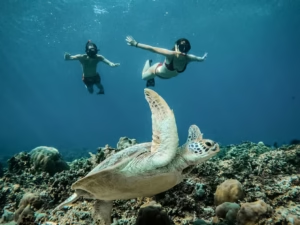
**Manta Point** is also a prime location, where divers can encounter the gentle giants of the ocean. Manta rays frequent this site, particularly during the mating season between November and March, making it an excellent opportunity for both still and motion photography. Divers should be aware that obtaining a diving permit is necessary, and it is advisable to dive with a licensed operator familiar with local regulations.
In addition to these locations, **Tatawa Kecil** boasts pristine coral reefs teeming with an array of marine species such as nudibranchs and clownfish, perfect for macro photography enthusiasts. The site is generally accessible year-round, with midday dives preferred for optimal lighting conditions. It’s essential to respect the underwater ecosystem at these sites, ensuring sustainable diving practices that contribute to the conservation of marine life.
Photography Tips for Capturing the Underwater Wonders
Capturing breathtaking images of underwater life in spots such as Labuan Bajo requires a combination of the right equipment and techniques tailored for the unique conditions of underwater photography. First and foremost, investing in a good quality underwater camera housing is essential. Many underwater photographers opt for compact point-and-shoot cameras or mirrorless systems that are known for their performance in shallow depths. Ensure that the housing is rated for the depth you plan to explore. Furthermore, consider using an external strobe or underwater flash to enhance light in the dimmer depths, which can dramatically improve the vibrancy and clarity of your images.
In terms of composition, aim to fill the frame with your subject while maintaining a sense of perspective. Utilize natural light when possible, especially when shooting in shallow waters, as this can yield beautiful colors and details. Position yourself at eye level with marine life to establish an intimate connection, making your photographs more engaging. Remember to experiment with different angles and be patient to capture that perfect shot.
Safety is paramount while diving and photographing underwater environments. Always dive with a buddy and adhere to established dive protocols. Make sure to respect marine life; avoid touching or overly disturbing habitats. This mindfulness ensures that you can enjoy and capture the underwater world without compromising the fragile ecosystems. Furthermore, consider undergoing an advanced diving course if you are not already experienced, as this will enhance both your safety and your photography skills. By applying these techniques and best practices, you will enhance your ability to capture the stunning underwater wonders found near Labuan Bajo in all their glory.
Planning Your Diving Trip: What to Consider
Planning a diving trip to Labuan Bajo, Indonesia requires thoughtful consideration of numerous factors to ensure a safe and enjoyable experience. One of the most crucial steps is selecting the right dive operator, which can significantly affect both safety and overall satisfaction during your dives. It is advisable to research several dive centers, checking their safety records, dive guide certifications, and client reviews. Look for operators that maintain high safety standards and have knowledgeable staff who can cater to divers of all experience levels.
Understanding dive packages is also essential. Operators often offer varying options based on duration, the number of dives, and equipment rentals. Some packages may also include accommodation or meals, which can provide more comprehensive options for travelers. Make sure to clarify what is included in the package and whether additional costs may apply.
When packing for your diving adventure, consider essential items such as appropriate dive gear, a personal first-aid kit, and environmentally friendly sunscreen to protect local marine life. Additionally, it is prudent to pack lightweight clothing for surface intervals and a water-resistant bag for your belongings.
Safety should always be a top priority. Always communicate your diving experience and any health concerns to your dive master before heading into the water. Be familiar with safety protocols, including the use of dive tables or computers and emergency procedures.
Moreover, understanding local cultural practices and seasonal weather patterns can enhance your trip. The best diving conditions are typically found from April to December, when water visibility is at its peak. Lastly, significant awareness of environmental conservation efforts is paramount, as preserving the beauty of Labuan Bajo’s underwater ecosystems benefits both future divers and the local community.
Why Labuan Bajo Is Perfect for Underwater Photography
Extraordinary Marine Biodiversity
One of the biggest reasons underwater photographers choose Labuan Bajo is the incredible marine biodiversity found throughout Komodo National Park. The park lies within the Coral Triangle, one of the richest marine ecosystems on Earth.
Photographers can encounter:
- Giant manta rays
- Green sea turtles
- Hawksbill turtles
- Reef sharks
- Napoleon wrasse
- Barracuda schools
- Giant trevally
- Frogfish
- Pygmy seahorses
- Nudibranchs
- Leaf scorpionfish
- Octopus
- Cuttlefish
- Macro crustaceans
- Vibrant hard and soft corals
This biodiversity creates endless photographic opportunities for both wide-angle and macro underwater photography.
Excellent Water Visibility
Many dive sites around Labuan Bajo feature visibility ranging from 15 to 40 meters depending on the season and location. Clear visibility is essential for underwater photography because it allows photographers to capture vibrant colors, sharp reef details, and dramatic blue-water compositions.
Unique Underwater Landscapes
Komodo diving sites are known for their dramatic underwater structures. Divers can photograph:
- Coral-covered seamounts
- Underwater ridges
- Steep walls
- Colorful slopes
- Swim-throughs
- Volcanic underwater terrain
- Current-swept channels
These landscapes add depth and storytelling elements to underwater images.
Rich Macro Photography Opportunities
While many divers come to Labuan Bajo for manta rays and sharks, macro photographers also find paradise here. Several dive sites are home to tiny rare marine creatures hidden among corals and sandy slopes.
Macro underwater photography subjects include:
- Nudibranchs
- Shrimp species
- Pygmy seahorses
- Ghost pipefish
- Seahorses
- Tiny crabs
- Blennies
- Gobies
- Frogfish
- Decorator crabs
Strong Currents Create Marine Action
The nutrient-rich currents flowing through Komodo National Park attract large pelagic species and create active marine scenes. Action photography becomes more exciting when photographers capture schooling fish, hunting predators, and feeding manta rays.
Essential Underwater Photography Equipment for Diving in Labuan Bajo
Before exploring the best dive spots, it is important to prepare proper underwater photography equipment.
Camera Systems
Compact Cameras
Compact underwater cameras are ideal for beginners because they are lightweight and easier to manage underwater.
Popular options include:
- Olympus Tough series
- Canon G7X series
- Sony RX100 series
Mirrorless Cameras
Mirrorless cameras provide excellent image quality while remaining smaller than DSLR systems.
Popular underwater mirrorless systems include:
- Sony A7 series
- Canon R series
- Nikon Z series
- Olympus OM System
DSLR Cameras
Professional underwater photographers often use DSLR systems because of superior autofocus and lens options.
Wide-Angle Lenses
Wide-angle lenses are essential for:
- Manta ray photography
- Reefscapes
- Shark photography
- Schooling fish
- Big underwater landscapes
Macro Lenses
Macro lenses are ideal for photographing tiny marine life and intricate reef details.
Underwater Strobes
Lighting is critical underwater because water absorbs colors quickly.
Underwater strobes help:
- Restore natural colors
- Reduce backscatter
- Improve sharpness
- Enhance coral detail
Focus Lights
Focus lights assist camera autofocus in darker underwater conditions and improve macro photography accuracy.
Best Dive Spots Near Labuan Bajo for Underwater Photography
1. Manta Point
Why Manta Point Is Famous
Manta Point is one of the most iconic dive sites in Komodo National Park and one of the best places in the world to photograph manta rays. Located in the southern region of the park, this site attracts large numbers of reef manta rays throughout the year. For underwater photographers, Manta Point offers incredible opportunities to capture close-up encounters with graceful giant mantas gliding through cleaning stations and feeding zones.
Marine Life Highlights
Photographers frequently encounter:
- Reef manta rays
- Giant trevally
- Bamboo sharks
- Sweetlips
- Surgeonfish
- Trevallies
- Turtles
- Colorful reef fish
Photography Style
Manta Point is ideal for:
- Wide-angle photography
- Action photography
- Animal behavior photography
- Blue-water compositions
Photography Tips
- Use a fisheye or ultra-wide lens.
- Stay low and allow mantas to approach naturally.
- Shoot upward angles to include sunlight.
- Use fast shutter speeds for moving subjects.
- Avoid chasing manta rays.
Best Conditions
Visibility varies between 10 and 25 meters depending on current and plankton levels. The best underwater photography conditions often occur during moderate current periods when manta activity increases.
2. Batu Bolong
The Crown Jewel of Komodo Diving
Batu Bolong is often considered one of the best dive sites in Komodo National Park. This underwater pinnacle rises dramatically from deep water and is completely covered in healthy coral reefs. For underwater photographers, Batu Bolong delivers vibrant reef scenes bursting with marine life and color.
Marine Life Highlights
Common sightings include:
- Anthias schools
- Reef sharks
- Napoleon wrasse
- Giant trevally
- Sweetlips
- Barracuda
- Tuna
- Sea turtles
- Colorful soft corals
Photography Opportunities
Batu Bolong is ideal for:
- Reefscape photography
- Fish school photography
- Coral detail photography
- Wide-angle compositions
Photography Tips
- Shoot during good visibility for vibrant reef colors.
- Use strobes carefully to illuminate coral textures.
- Capture divers within the frame for scale.
- Focus on coral layers for depth.
Why Photographers Love Batu Bolong
The density of marine life creates dynamic compositions almost everywhere you look. Even a single dive can produce hundreds of portfolio-worthy underwater images.
3. Crystal Rock
Best Dive Site for Pelagic Photography
Crystal Rock is famous for strong currents and exciting pelagic action. This submerged seamount attracts large fish species due to nutrient-rich waters.
Advanced underwater photographers often consider Crystal Rock one of the top underwater photography dive sites in Indonesia.
Marine Life Highlights
- Reef sharks
- Giant trevally
- Barracuda schools
- Napoleon wrasse
- Tuna
- Spanish mackerel
- Batfish
- Triggerfish
Photography Style
Crystal Rock is ideal for:
- Fast-action photography
- Schooling fish photography
- Shark photography
- Blue-water compositions
Photography Tips
- Use continuous autofocus.
- Increase shutter speed for fast-moving fish.
- Stay streamlined in strong currents.
- Shoot wide scenes showing movement.
Best Time to Dive
Current conditions greatly influence marine activity. Strong currents usually bring more fish action.
4. Castle Rock
Underwater Drama and Schooling Fish
Castle Rock is another legendary dive site in northern Komodo National Park. This underwater pinnacle rises from deep water and attracts massive schools of fish.
For photographers seeking dramatic underwater scenes, Castle Rock delivers extraordinary opportunities.
Marine Life Highlights
- Barracuda tornadoes
- Sharks
- Tuna
- Giant trevally
- Fusiliers
- Sweetlips
- Mackerel
- Napoleon wrasse
Best Photography Techniques
- Use wide-angle lenses.
- Position yourself near fish schools.
- Shoot upward for blue-water contrast.
- Include sunlight for atmosphere.
Why Castle Rock Is Special
The swirling movement of schooling fish creates cinematic underwater imagery rarely found elsewhere.
5. Tatawa Besar
Colorful Coral Gardens and Turtle Photography
Tatawa Besar is famous for its healthy coral reefs and relaxed drift diving conditions. The site is perfect for photographers who enjoy capturing vibrant reef ecosystems.
Marine Life Highlights
- Sea turtles
- Sweetlips
- Clownfish
- Reef fish
- Anthias
- Triggerfish
- Surgeonfish
- Soft corals
Photography Style
This site is excellent for:
- Coral reef photography
- Turtle portraits
- Colorful reefscapes
- Beginner underwater photography
Photography Tips
- Use natural light during shallow sections.
- Shoot turtles from eye level.
- Focus on colorful coral foregrounds.
- Experiment with split-level shots near the surface.
6. Siaba Besar
Turtle City of Komodo National Park
Siaba Besar is often called Turtle City because of its high population of sea turtles. Calm conditions make it ideal for beginner underwater photographers.
Marine Life Highlights
- Green sea turtles
- Hawksbill turtles
- Cuttlefish
- Octopus
- Reef fish
- Coral gardens
Best Photography Opportunities
- Turtle portraits
- Close-focus wide-angle shots
- Macro photography
- Calm reef compositions
Why Beginners Love Siaba Besar
Gentle currents and shallow reefs allow photographers to spend more time composing shots without difficult diving conditions.
7. Pink Beach Dive Sites
Stunning Coral and Macro Photography
The waters around Pink Beach feature colorful coral reefs and excellent macro subjects.
Marine Life Highlights
- Nudibranchs
- Reef fish
- Seahorses
- Shrimp species
- Soft corals
- Crinoids
Best Photography Style
- Macro photography
- Colorful reef photography
- Coral detail photography
Photography Tips
- Use macro lenses.
- Search carefully around coral heads.
- Use focus lights for tiny subjects.
- Stabilize buoyancy for sharp macro shots.
8. The Cauldron
One of Komodo’s Most Thrilling Dive Sites
The Cauldron offers exhilarating drift diving through underwater channels with dramatic marine activity.
Marine Life Highlights
- Manta rays
- Sharks
- Giant trevally
- Barracuda
- Fusiliers
- Reef fish
Photography Challenges
Strong currents require advanced diving and photography skills.
Photography Techniques
- Keep camera settings simple.
- Use fast shutter speeds.
- Focus on wide compositions.
- Maintain excellent buoyancy.
9. Sebayur Kecil
Ideal for Macro and Beginner Photography
Sebayur Kecil is a relaxed dive site with gentle currents and diverse marine life.
Marine Life Highlights
- Nudibranchs
- Frogfish
- Gobies
- Reef fish
- Coral gardens
Photography Opportunities
- Macro photography
- Reef photography
- Fish portraits
Why It’s Great for Practice
Calm conditions allow photographers to refine buoyancy and camera techniques.
10. Cannibal Rock
Macro Photography Paradise
Cannibal Rock is world-famous among underwater macro photographers.
Rare Marine Creatures
- Pygmy seahorses
- Frogfish
- Rhinopias
- Nudibranchs
- Ghost pipefish
- Decorator crabs
- Sea apples
Best Photography Style
- Super macro photography
- Black background photography
- Marine behavior photography
Photography Tips
- Use snoots for dramatic lighting.
- Maintain neutral buoyancy.
- Work slowly and carefully.
- Use manual focus when necessary.
Best Seasons for Underwater Photography in Labuan Bajo
Dry Season
The dry season generally offers:
- Better visibility
- Calmer seas
- Strong sunlight
- Excellent reef photography conditions
Rainy Season
The rainy season may provide:
- Fewer tourists
- Unique plankton-rich conditions
- More manta ray activity
- Dramatic underwater atmosphere
Seasonal Marine Encounters
Different marine species may be more active during specific periods.
Manta rays can often be seen year-round, while certain macro species become more common during transitional seasons.
Wide-Angle Underwater Photography Tips in Komodo National Park
Get Close to Subjects
Water reduces contrast and sharpness. The closer you get, the clearer and more vibrant your images will appear.
Use Foreground Elements
Including corals or reef structures in the foreground adds depth to underwater compositions.
Shoot Upward
Photographing subjects against the sunlight or blue water creates dramatic contrast.
Manage Strobe Positioning
Correct strobe placement minimizes backscatter caused by floating particles.
Include Divers for Scale
Adding divers to compositions creates storytelling and perspective.
Macro Underwater Photography Tips
Practice Excellent Buoyancy
Good buoyancy prevents accidental reef damage and improves image sharpness.
Focus on Eyes
Sharp eyes are essential for compelling marine portraits.
Use Small Apertures
Macro photography often requires greater depth of field.
Be Patient
Tiny marine creatures may take time to position properly.
Ethical Underwater Photography Practices
Never Touch Marine Life
Touching marine animals stresses wildlife and can damage ecosystems.
Avoid Coral Contact
Even slight contact can permanently damage fragile coral structures.
Respect Animal Behavior
Never chase manta rays, turtles, or sharks for photographs.
Maintain Proper Buoyancy
Excellent buoyancy protects marine habitats.
Choose Responsible Dive Operators
Professional dive operators prioritize sustainability and marine conservation.
Best Camera Settings for Underwater Photography in Labuan Bajo
Wide-Angle Photography Settings
Typical starting settings:
- Aperture: f/8 to f/13
- Shutter speed: 1/125 to 1/250
- ISO: 100–400
Macro Photography Settings
Typical starting settings:
- Aperture: f/16 to f/22
- Shutter speed: 1/160 to 1/250
- ISO: 100–320
White Balance
Custom white balance can improve natural underwater colors.
Safety Tips for Underwater Photographers in Komodo
Dive Within Your Experience Level
Some Komodo dive sites feature strong currents suitable only for advanced divers.
Monitor Air Consumption
Photographers often become distracted while shooting.
Stay Aware of Currents
Always listen carefully to dive briefings.
Secure Camera Equipment
Loose equipment can damage reefs or become lost.
Use Reef Hooks Responsibly
In strong current areas, reef hooks may help stabilize photographers without damaging coral.
Choosing the Right Dive Trip for Underwater Photography
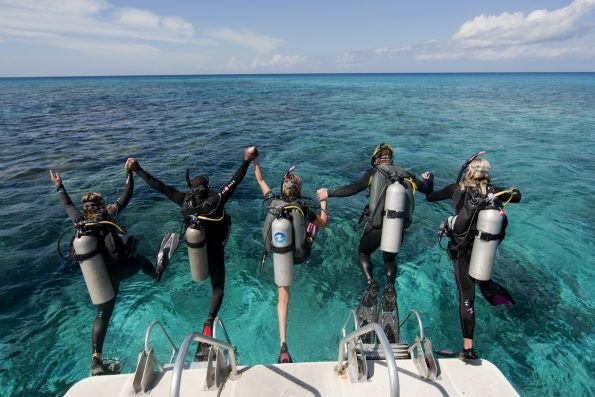
Liveaboard Diving Trips
Liveaboards offer:
- Access to remote dive sites
- Sunrise dives
- Night dives
- Flexible schedules
- More photography opportunities
Daily Dive Trips
Daily diving trips are ideal for:
- Short vacations
- Beginner photographers
- Budget-conscious travelers
Private Photography Charters
Private charters allow photographers to:
- Spend longer at photography hotspots
- Customize dive timing
- Focus on specific marine subjects
Night Diving Photography in Labuan Bajo
Night diving reveals a completely different underwater world.
Night Dive Subjects
- Spanish dancers
- Hunting octopus
- Sleeping parrotfish
- Crabs
- Shrimp
- Bioluminescent organisms
Night Photography Tips
- Use focus lights carefully.
- Maintain communication with dive buddies.
- Watch buoyancy closely.
- Use slower movements.
How Conservation Supports Underwater Photography in Komodo
Healthy marine ecosystems directly improve underwater photography experiences.
Conservation programs in Komodo National Park help:
- Protect coral reefs
- Reduce illegal fishing
- Preserve manta ray populations
- Maintain marine biodiversity
Photographers visiting responsibly contribute to sustainable marine tourism.
The Growing Popularity of Underwater Photography Tourism in Labuan Bajo
Labuan Bajo has rapidly evolved into an international diving destination.
Many travelers now specifically visit Komodo National Park for:
- Underwater photography workshops
- Manta ray photography
- Macro photography expeditions
- Professional dive safaris
- Content creation
- Marine conservation photography
Social media has also helped showcase the extraordinary underwater beauty of Komodo to a global audience.
Best Tips for First-Time Underwater Photographers in Komodo
Start Simple
Focus on composition before advanced camera settings.
Master Buoyancy First
Excellent buoyancy is more important than expensive camera equipment.
Take More Shots
Underwater photography requires patience and repetition.
Learn Marine Behavior
Understanding animal movement improves timing and composition.
Practice Frequently
The more dives you complete, the better your underwater images become.
Editing Underwater Photos After Your Dive Trip
Post-processing helps restore underwater colors and contrast.
Important Editing Adjustments
- White balance correction
- Contrast enhancement
- Color restoration
- Backscatter removal
- Sharpness adjustment
Popular Editing Software
- Adobe Lightroom
- Adobe Photoshop
- Capture One
Editing should enhance natural beauty without making marine scenes appear unrealistic.
Why Komodo National Park Is a Dream Destination for Underwater Photographers
Few diving destinations combine such extraordinary biodiversity, dramatic underwater landscapes, powerful marine encounters, and healthy coral ecosystems in one location.
Labuan Bajo offers photographers the chance to capture:
- Giant manta rays
- Dynamic fish schools
- Colorful coral reefs
- Rare macro critters
- Underwater action scenes
- Crystal-clear reefscapes
Whether you are a beginner photographer or a seasoned underwater professional, the dive sites surrounding Komodo National Park provide limitless opportunities to create unforgettable underwater images. The combination of adventure, biodiversity, conservation value, and visual beauty makes underwater photography in Labuan Bajo truly world-class.The best dive spots near Labuan Bajo for underwater photography offer some of the most breathtaking marine experiences in Indonesia and the world. From the majestic manta rays of Manta Point to the colorful coral reefs of Batu Bolong and the extraordinary macro life at Cannibal Rock, every dive site provides unique photographic opportunities.Komodo National Park is not simply a diving destination. It is a living underwater masterpiece filled with vibrant ecosystems, dramatic underwater terrain, and remarkable marine biodiversity.For underwater photographers, this region offers endless inspiration. Every dive can reveal something extraordinary, whether it is a swirling school of barracuda, a perfectly camouflaged frogfish, or sunlight illuminating untouched coral gardens.By preparing the right equipment, practicing responsible diving, understanding underwater photography techniques, and choosing the best dive sites for your goals, you can capture truly unforgettable underwater images during your Labuan Bajo diving adventure.If you dream of exploring one of the world’s most spectacular underwater photography destinations, diving in Labuan Bajo and Komodo National Park should be at the top of your travel bucket list. The underwater world waiting beneath the surface is nothing short of extraordinary.
FAQ – Best Dive Spots Near Labuan Bajo for Underwater Photography
What are the best dive spots near Labuan Bajo for underwater photography?
Some of the best dive spots include Batu Bolong, Manta Point, Castle Rock, Crystal Rock, Cannibal Rock, Tatawa Besar, and Siaba Besar. Each site offers unique underwater photography opportunities ranging from manta rays and sharks to macro marine life and colorful coral reefs.
Is Labuan Bajo good for underwater photography beginners?
Yes. Several dive sites around Labuan Bajo have calm conditions and shallow reefs, making them ideal for beginner underwater photographers. Siaba Besar and Sebayur Kecil are especially popular for beginners.
When is the best time for underwater photography in Komodo National Park?
The dry season generally provides the best visibility and calmer seas for underwater photography. However, manta rays can often be photographed year-round around Komodo National Park.
Can I photograph manta rays in Labuan Bajo?
Yes. Manta Point is one of the most famous dive sites for manta ray encounters in Indonesia. Divers frequently see reef manta rays gliding above cleaning stations and feeding areas.
What camera is best for underwater photography in Labuan Bajo?
Both compact underwater cameras and professional mirrorless or DSLR systems work well. Wide-angle lenses are ideal for manta rays and reefscapes, while macro lenses are perfect for nudibranchs and tiny marine creatures.
Are Komodo dive sites suitable for macro photography?
Absolutely. Dive sites like Cannibal Rock and Pink Beach are famous for macro underwater photography, offering rare marine species such as pygmy seahorses, frogfish, nudibranchs, and ghost pipefish.
Do I need advanced diving certification for Komodo diving?
Some dive sites in Komodo National Park have strong currents and are recommended for advanced divers. However, there are also beginner-friendly dive sites available around Labuan Bajo.
What marine life can I photograph in Komodo National Park?
Photographers can capture manta rays, sea turtles, reef sharks, barracuda schools, napoleon wrasse, macro critters, vibrant coral reefs, and many tropical fish species.
Is underwater photography safe in Labuan Bajo?
Yes, as long as divers follow proper safety procedures, maintain good buoyancy, and dive within their certification and experience level.
Why is Komodo National Park famous for diving photography?
Komodo National Park is famous because of its extraordinary biodiversity, healthy coral reefs, dramatic underwater landscapes, strong marine conservation, and excellent opportunities for both wide-angle and macro underwater photography.