Day 1: Arrival and East Komodo Exploration
Upon arrival at Komodo Island, travelers are greeted by the stunning vistas inherent to this unique destination. The first step involves settling into accommodations, which range from luxurious lodges to charming guesthouses, fitting various budgets and preferences. It is advisable to arrange transport from the airport to the selected lodging ahead of time to enhance the overall travel experience. Options for transportation include private transfers or local taxis, both of which provide an opportunity to observe the local scenery as one approaches the accommodations.

Once settled, visitors can embark on their exploration of East Komodo. A visit to Komodo Village is a must, where guests can immerse themselves in the local culture, interact with the inhabitants, and observe traditional practices that have been preserved over generations. The laid-back atmosphere of the village provides a perfect backdrop for meaningful cultural exchange and authentic experiences.
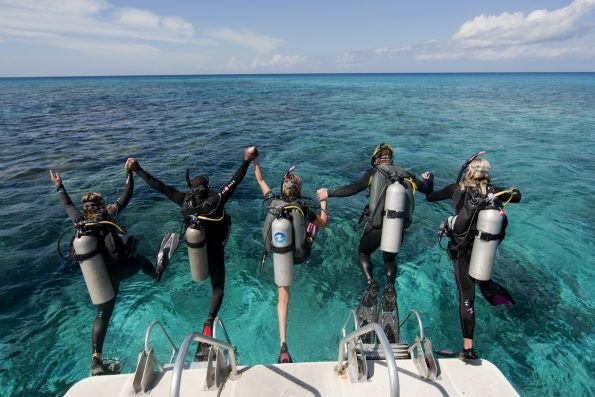
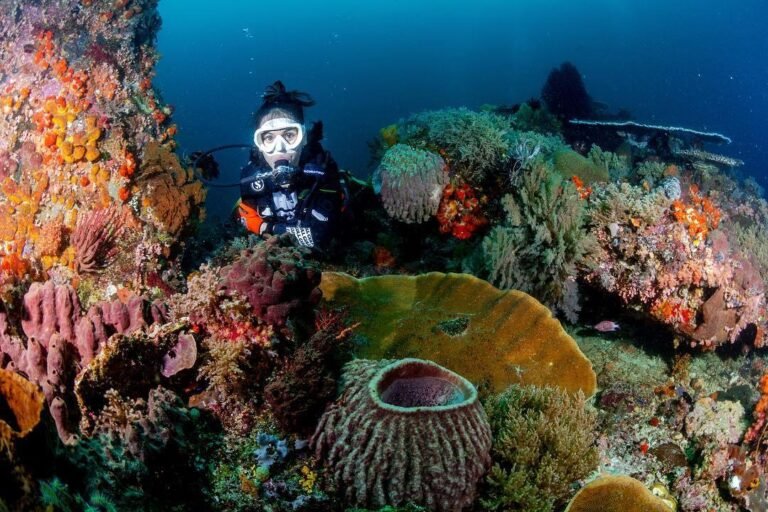
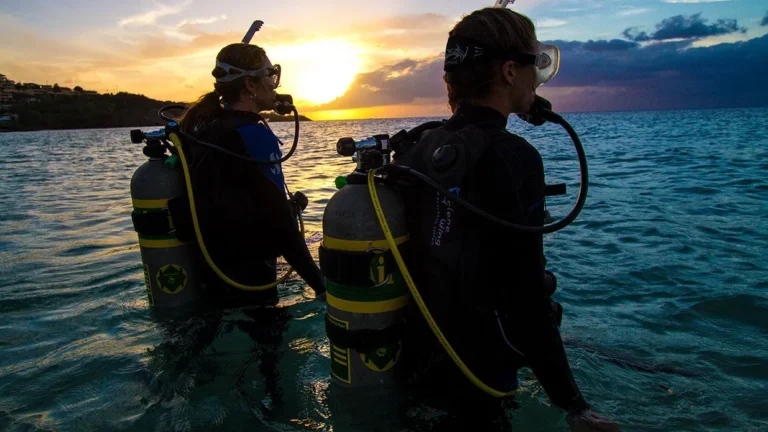
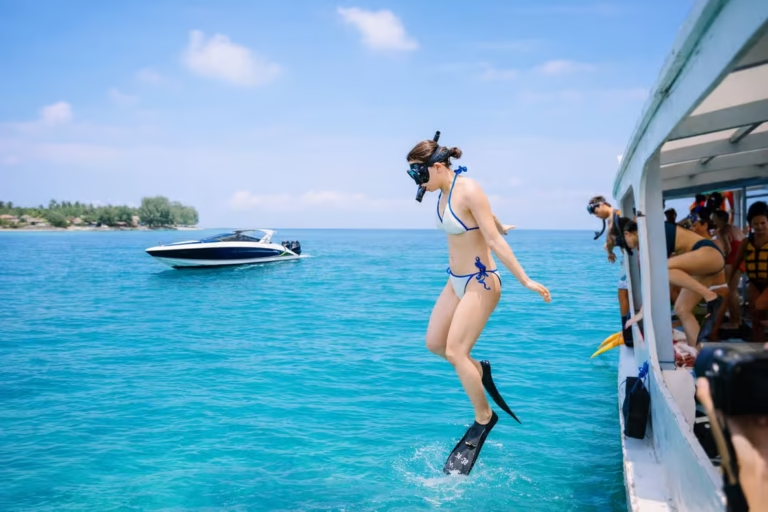
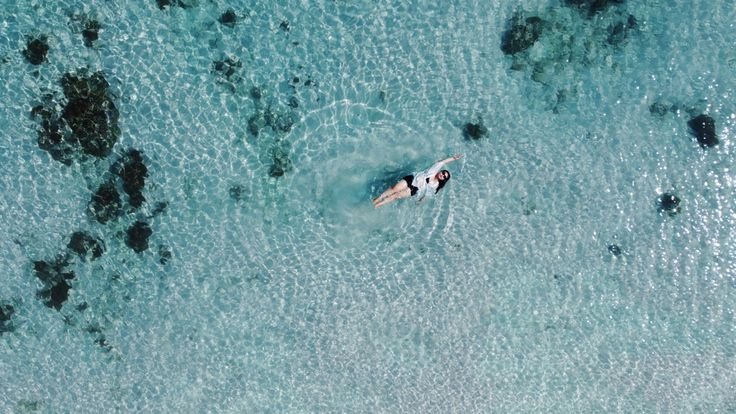
Following the village visit, travelers should make their way to Pink Beach, known for its distinctively colored sand made up of crushed red coral and whitened shells. This picturesque location is ideal for relaxation or leisure activities. Those looking to experience the vibrant underwater scenery may engage in snorkeling or diving opportunities, allowing for encounters with diverse marine life, such as manta rays, sea turtles, and colorful coral reefs.
Travelers should be mindful of weather considerations, as conditions can vary throughout the year. The dry season, extending from April to December, offers optimal weather for outdoor activities. However, even during the wet season, rainfall is generally brief and can provide a refreshing respite from the heat. Scheduling outdoor excursions in the early morning or late afternoon can help to avoid the midday sun, ensuring a more comfortable experience while discovering the breathtaking allure of East Komodo.
Day 2: Adventure in Komodo National Park
On the second day of your adventure in Komodo Island, the focus shifts to the remarkable Komodo National Park, a UNESCO World Heritage site renowned for its extraordinary biodiversity. The day begins early as you board a boat to Rinca Island, where one of the park’s most iconic inhabitants, the Komodo dragon, resides. These large lizards, reaching up to three meters in length, are not only fascinating but also play a critical role in the ecosystem. A guided tour is essential for safety and to enhance your experience, as rangers accompany visitors to ensure both safety and informative insights into the species.
Once on Rinca Island, you will embark on a trekking route that leads you through undulating terrain, offering glimpses of these magnificent creatures in their natural habitat. The treks vary in difficulty, catering to different physical capabilities, making it accessible for all adventurers. Along the way, steep hills and lush landscapes provide stunning viewpoints, perfect for photography enthusiasts eager to capture the raw beauty of Komodo.
After exploring Rinca, the itinerary includes diving or snorkeling sessions at famed sites like Batu Bolong and Manta Point. These locations are celebrated for their vibrant coral reefs and diverse marine life, including colorful fish, sea turtles, and, if lucky, the majestic manta rays that glide through the waters. Engaging in these activities not only contributes to an exhilarating experience but also underscores the importance of marine conservation.
Safety tips are paramount while exploring both on land and in water. Ensure you have adequate protective gear such as fins and snorkels for underwater activities, and always stay within the sight of your guide on land. The Komodo National Park is a treasure trove of adventure, firmly highlighting the need for responsible tourism to preserve its stunning landscapes and unique wildlife.

Day 3: Cultural Experiences and Departure
The final day of your journey on Komodo Island offers a unique opportunity to immerse yourself in the rich local culture before heading back to the mainland. Start your morning with a visit to a local artisan market, where you can browse handmade crafts and traditional artworks. Engaging with local craftspeople gives travelers insight into the cultural heritage of the island, while also providing an opportunity to purchase authentic souvenirs.
After visiting the market, consider tasting some traditional dishes that define the region’s culinary landscape. Restaurants and local food stalls often serve freshly prepared meals using recipes that have been passed down through generations. Savory options include grilled fish, spicy sambal, and various preparations of rice. Engaging with the local cuisine not only satisfies your palate but also deepens your understanding of the cultural narratives that accompany these dishes.
If you are particularly inclined, participate in a cooking class where you can learn how to prepare some of these traditional meals. Guided by local chefs, you will discover the techniques and ingredients that characterize Komodo Island’s culinary scene. This hands-on experience not only enhances your travel memories but also equips you with new skills to bring back home.
As the day draws to a close, it is vital to plan your logistics for departure. Ensure that you check out of your accommodation promptly to cater for travel time back to the port. Verify the schedule of ferries or flights as these can vary, particularly during peak travel seasons. Arranging your transport in advance will help you navigate the transition smoothly, ensuring a seamless departure.
Tips for a Memorable Komodo Island Experience
Visiting Komodo Island is an unforgettable experience that requires some thoughtful preparation. To ensure a fulfilling trip, travelers should keep a few essential tips in mind.
First and foremost, packing wisely can enhance your overall journey. Lightweight and breathable clothing is advisable due to the tropical climate. It is important to include a good pair of hiking shoes, as many sites can only be accessed by foot. Sun protection, including hats, sunglasses, and sunscreen, will also be beneficial, as the sun can be intense. Don’t forget to bring sufficient water, as staying hydrated is crucial, particularly during outdoor activities.
Budget considerations are crucial when planning your visit to Komodo Island. While the costs can vary, it is recommended to allocate funds for park entrance fees, which support conservation efforts. Additionally, travelers should account for the prices of guided tours, which are essential for accessing certain areas of the islands and provide valuable insight into the unique biodiversity. For a budget-friendly experience, consider traveling during the shoulder seasons when prices may be lower.
Regarding the best time to visit Komodo Island, the dry season from April to December offers optimal conditions for trekking and wildlife spotting. During these months, the weather is typically pleasant, with minimal rainfall. However, travelers are encouraged to check for any updated regulations with regard to permits for accessing national parks, as these can vary.
Respectful interaction with local wildlife and the environment is paramount. Observe animals from a safe distance and never feed them, as human food can disrupt their natural behaviors. Additionally, practicing Leave No Trace principles will help preserve this pristine ecosystem for future visitors. By following these guidelines, your visit to Komodo Island can be both enjoyable and sustainable.