Understanding Labuan Bajo: The Gateway to Komodo National Park
Labuan Bajo serves as an essential gateway to the renowned Komodo National Park, one of the most notable natural wonders of Indonesia. Situated on the western tip of Flores, Labuan Bajo is a small fishing town that has transformed into a focal point for tourism with its proximity to pristine landscapes and rich biodiversity. The town is characterized by its vibrant local culture, reflective of the diverse ethnic groups found in the region, primarily the Manggarai people. Visitors can experience traditional customs, cuisine, and hospitality that contribute to the unique charm of this locale.
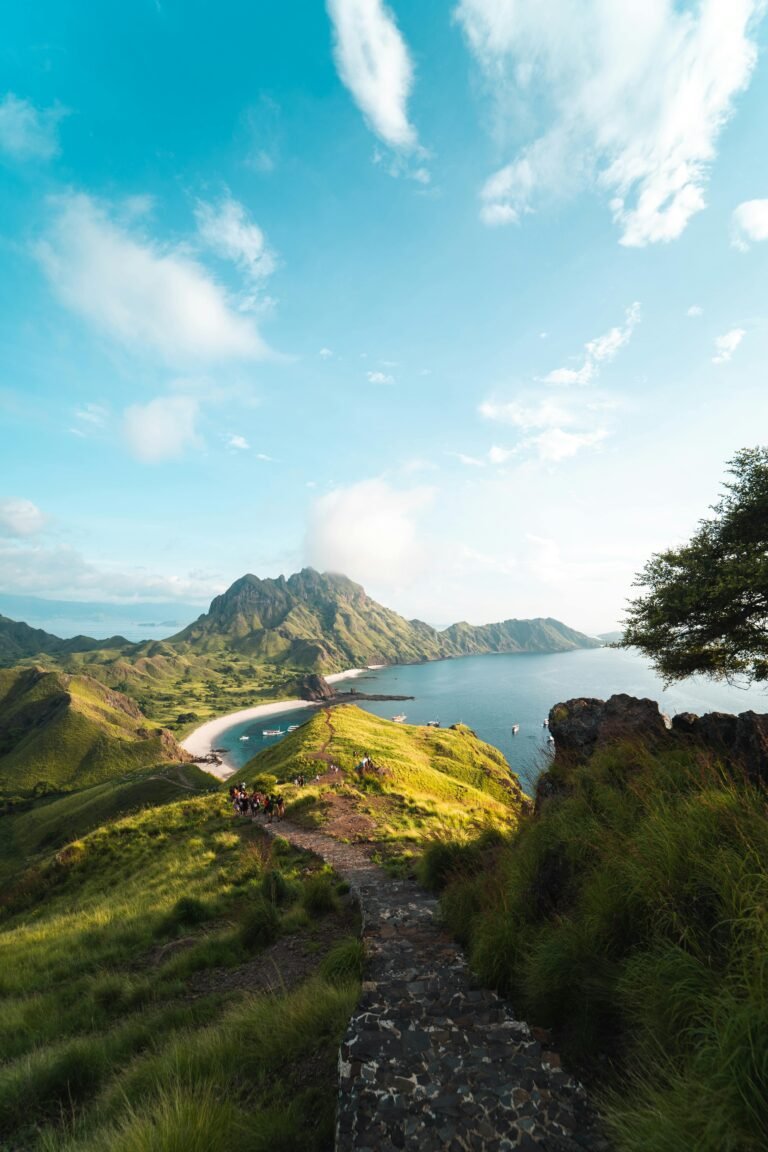
The geography of Labuan Bajo is striking, with dramatic cliffs, lush green hills, and crystal-clear waters that are conducive to a variety of outdoor activities. This setting makes Labuan Bajo not only a launching point for excursions into Komodo National Park but also a captivating destination in its own right. Tourists can engage in snorkeling, diving, and island-hopping, which allows them to explore the stunning marine life and breathtaking landscapes that surround the area.
Moreover, Labuan Bajo offers several amenities and services to cater to visitors’ needs, including accommodations, restaurants, and tour operators specializing in trips to the national park. This infrastructure contributes to the growing popularity of the destination, emphasizing the importance of knowing the best times for travel to maximize one’s experience. Given Labuan Bajo’s unique setting and cultural richness, understanding its significance is vital for any traveler planning to explore the wonders of Komodo National Park.
Seasonal Breakdown: Weather and Climate in Labuan Bajo
Labuan Bajo, located on the western tip of Flores, Indonesia, experiences a tropical climate characterized by distinct wet and dry seasons. This climate pattern significantly influences the overall visitor experience throughout the year, making it essential for potential travelers to understand the seasonal variations.
The dry season typically spans from April to December. During this period, Labuan Bajo enjoys warm temperatures averaging between 30°C to 34°C (86°F to 93°F) and minimal rainfall, making it the most favorable time for outdoor activities and exploration. This is particularly ideal for diving, snorkeling, and trekking in Komodo National Park. The clear skies and calm seas during these months enhance visibility for underwater adventures and make the surrounding landscapes particularly stunning for photography and nature enthusiasts.
In contrast, the wet season runs from January to March, characterized by higher humidity and significant rainfall. During these months, average temperatures range from 25°C to 30°C (77°F to 86°F). While the rains can lead to lush greenery and a rejuvenated ecosystem, they also pose challenges for some travelers as heavy downpours may disrupt travel plans and outdoor pursuits. The fluctuating weather during this period can result in strong winds and rough seas, which might affect boating activities to nearby islands.
Understanding the climate and weather patterns in Labuan Bajo enables visitors to select the best time for their visit. Whether seeking vibrant underwater experiences during the dry season or the lush natural beauty seen in the wet season, being mindful of these seasonal changes will enhance the overall travel experience.
Events and Activities: What to Experience Throughout the Year
Labuan Bajo, located in the Komodo National Park area, is a vibrant destination that offers an array of activities and events throughout the year, catering to various interests. Understanding the seasonal dynamics can help travelers select the best time to visit and engage in unique experiences.
In the dry season, from April to December, the weather is generally sunny and dry, making it ideal for outdoor activities. This is also the peak diving season, as visibility is often at its best, allowing divers to witness the stunning underwater biodiversity that Labuan Bajo is renowned for. Many diving competitions and workshops are held during these months, attracting diving enthusiasts from around the globe who seek to explore the rich marine life.
During the wet season, from January to March, while the rainfall may deter some, it is a lesser-known time for wildlife spotting, particularly on land. The lush landscape comes alive with vibrant flora and fauna, providing excellent opportunities for birdwatching and hiking in the surrounding hills. In addition, February is notable for the local traditional celebrations such as the Caci dance, a cultural highlight that showcases the rich traditions of the Flores people.
Moreover, Labuan Bajo hosts several festivals throughout the year, including the Flower Festival in August, where the region’s flora is celebrated. Visitors can experience local crafts, food stalls, and cultural performances, providing a true insight into the local way of life. Each season offers a unique lens into the culture and natural beauty of Labuan Bajo, with plentiful activities that resonate with both adventure seekers and culture enthusiasts.
In summary, regardless of when travelers choose to visit, Labuan Bajo is replete with experiences waiting to be discovered. Understanding the seasonal activities can significantly enhance one’s trip, ensuring that guests can partake in both natural wonders and cultural festivities unique to this enchanting destination.
Tips for Planning Your Visit: When to Go and What to Consider
When planning a visit to Labuan Bajo, it is essential to consider the timing of your trip and the local conditions. Labuan Bajo, a gateway to Komodo National Park, is known for its breathtaking landscapes and rich biodiversity, but the experience can vary significantly based on the season. The peak tourist season typically runs from April to December, coinciding with the dry season when the weather is most favorable for outdoor activities, such as island hopping and snorkeling. During this time, you can expect larger crowds and higher prices for accommodations and tours.
Conversely, visiting during the off-peak season, which spans from January to March, can provide a more secluded experience. However, it is crucial to be aware that this period also coincides with the rainy season. While the rains are usually brief, they can lead to unpredictable weather that may affect planned activities. If you choose to travel during this time, it may be wise to prepare for sudden downpours by packing appropriate rain gear and being flexible with your itinerary.
When it comes to bookings, it is advisable to make arrangements well in advance if you plan to visit during the peak season. Popular accommodations and tours can become fully booked quickly, as many travelers flock to explore the renowned Komodo dragons and the stunning underwater ecosystems. For the off-season, last-minute deals may be available, but careful consideration should be given to the potential for sudden changes in weather conditions that could impact travel plans.
No matter when you decide to visit Labuan Bajo, being prepared and adaptable will enhance your experience. Researching seasonal weather patterns, understanding the local culture, and checking activity schedules will provide valuable insights to ensure a rewarding trip. Ultimately, the best time to visit Labuan Bajo can vary based on personal preferences and priorities, making it important to consider all factors in planning your visit.