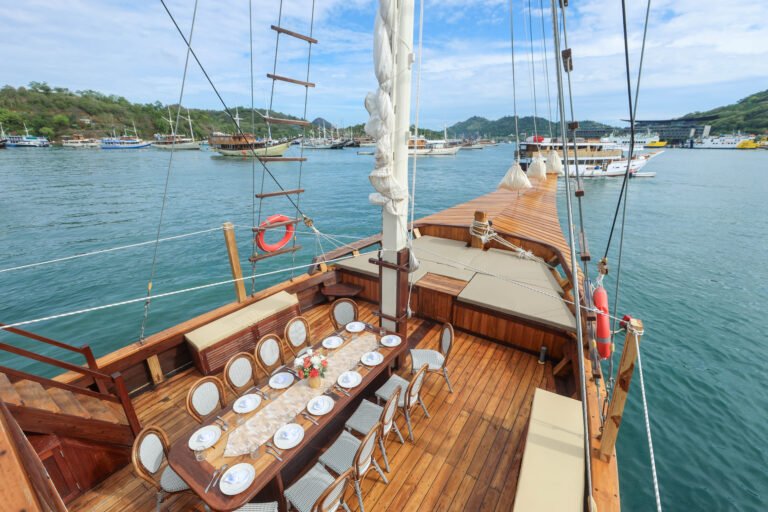
Introduction to Komodo National Park
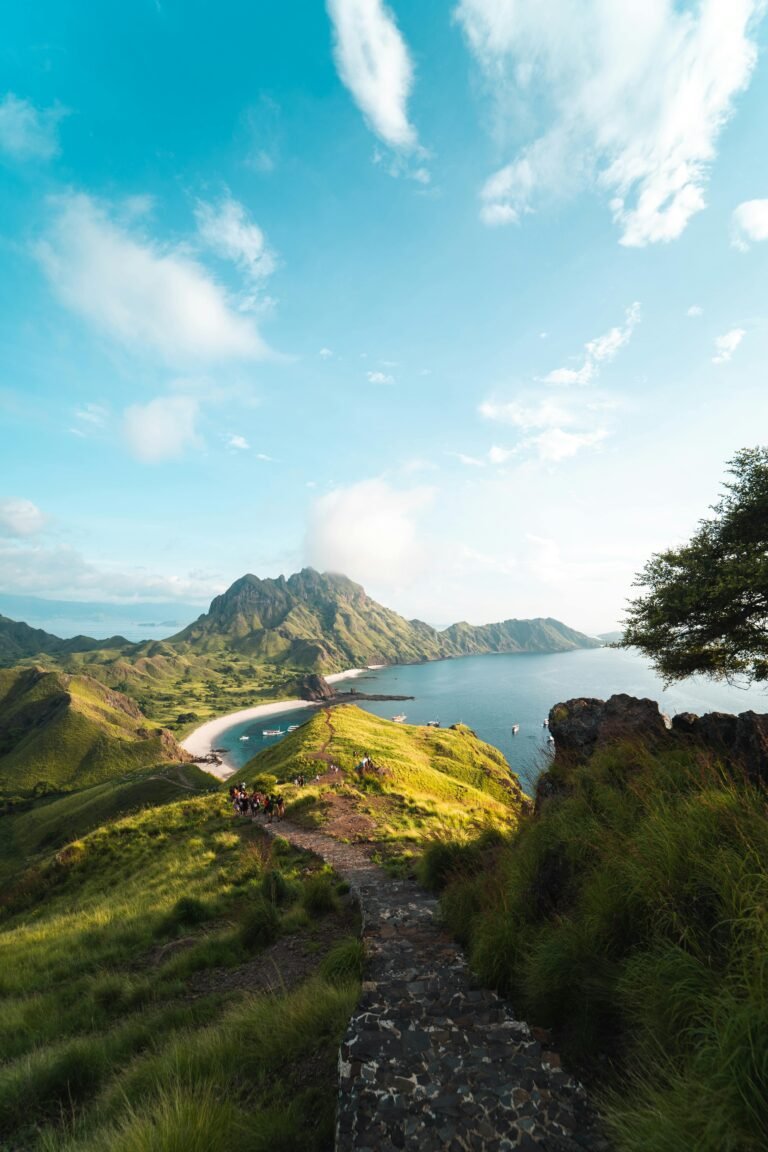
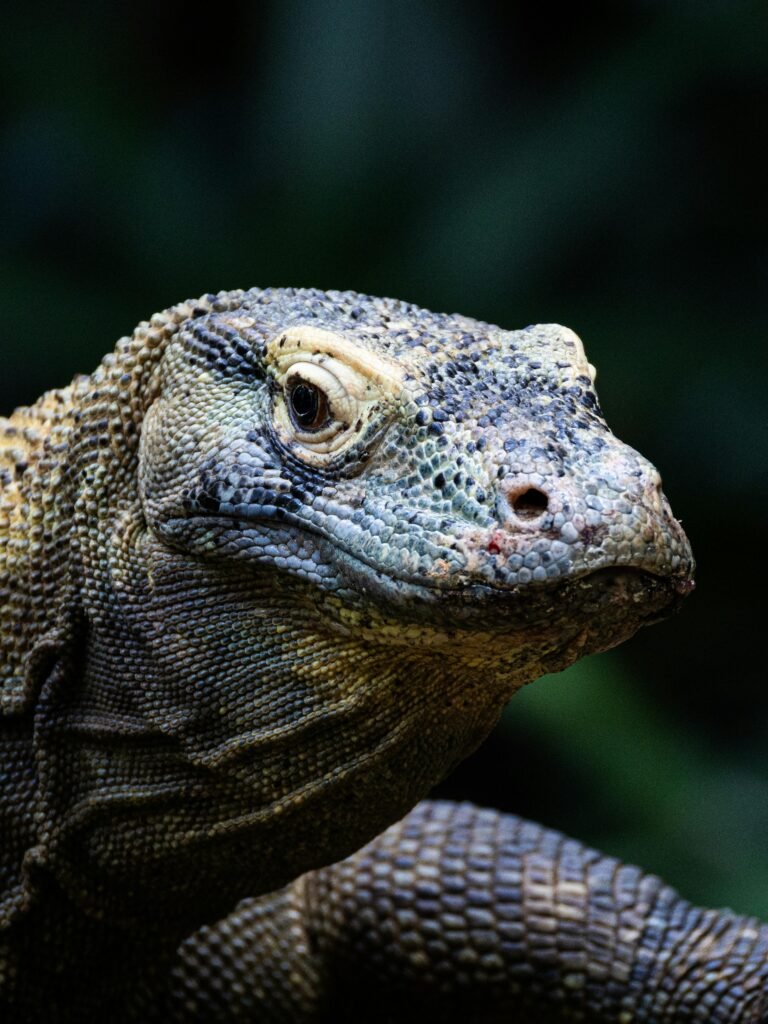
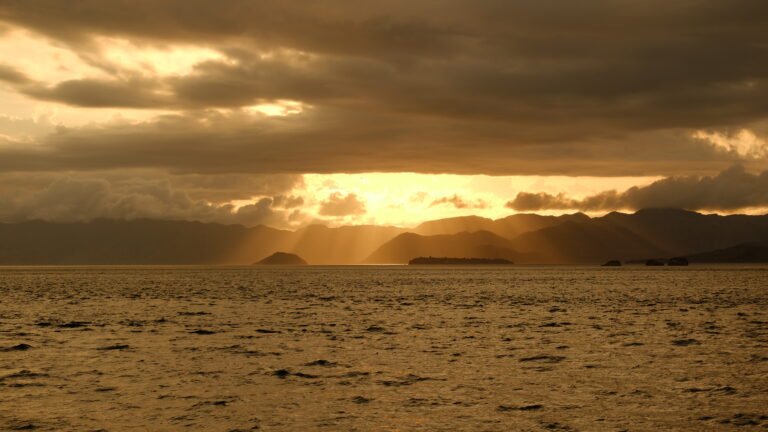
Located in the Indonesian archipelago, Komodo National Park is a UNESCO World Heritage site renowned for its extraordinary biodiversity and stunning landscapes. Established in 1980 primarily to conserve the unique Komodo dragon, the park has since become a critical habitat for numerous other species, both terrestrial and marine. This conservation area covers approximately 1,733 square kilometers, encompassing the islands of Komodo, Rinca, Padar, and a multitude of smaller islets.
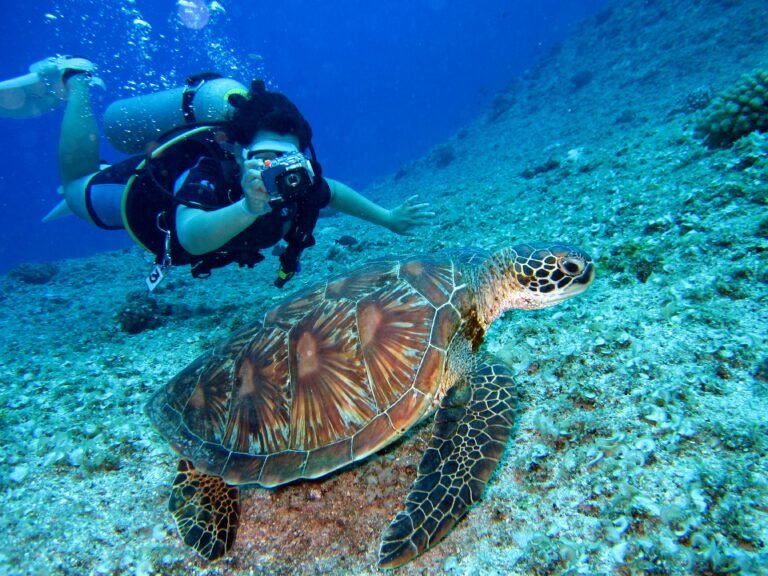
Komodo National Park is particularly significant for its diverse marine life, including vibrant coral reefs, sea turtles, and a variety of fish species that thrive in its protected waters. The park’s marine ecosystem is considered one of the most biologically diverse in the world, attracting divers and snorkelers from around the globe. The underwater landscapes offer mesmerizing experiences, with opportunities to encounter the majestic manta rays, and even the occasional whale shark. These marine wonders are complemented by the park’s extraordinary terrestrial ecosystems, which include savannahs, rainforests, and rugged hills.
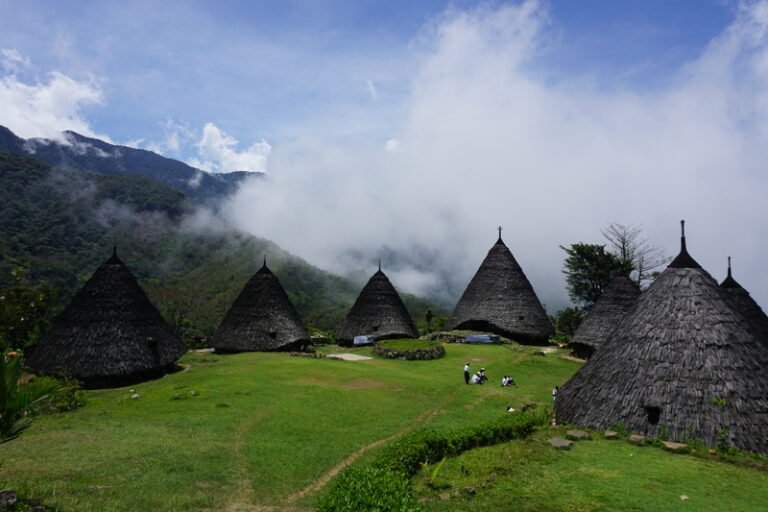
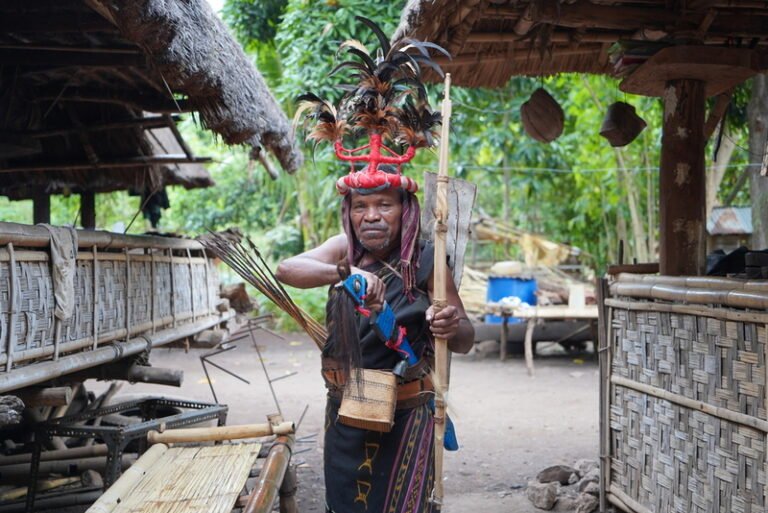
Moreover, Komodo National Park holds cultural importance, as the local communities around Labuan Bajo, the nearest major town, have deep-rooted connections to the land and sea. This vibrant town serves as the primary gateway for visitors eager to explore the park’s treasures. The blend of natural beauty and rich culture creates an atmosphere that captivates every traveler. The park not only emphasizes conservation efforts but also highlights the need for sustainable tourism, ensuring that its diverse habitats and cultural heritage are preserved for generations to come.
Getting to Labuan Bajo: Your Gateway to Adventure
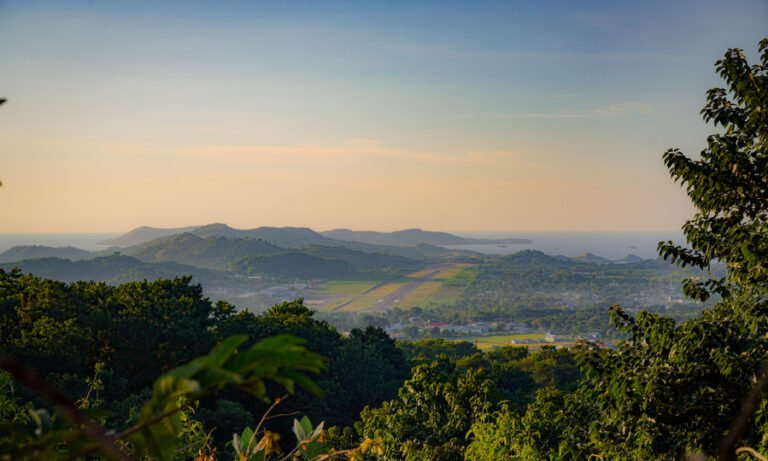
Accessing Labuan Bajo, the primary gateway to Komodo National Park, can be accomplished via air or sea, making it convenient for travelers looking to immerse themselves in the breathtaking underwater world. For those opting to fly, Labuan Bajo’s Komodo Airport (LBJ) receives domestic flights from major Indonesian cities such as Jakarta, Bali, and Surabaya. The airlines servicing this route offer multiple daily flights, and the aerial journey provides stunning views of Indonesia’s diverse landscapes.
If traveling by sea appeals to you, there are several ferries and speedboats available from locations such as Bali and Lombok. These sea routes present a unique opportunity to witness the scenic beauty of the surrounding islands. It is advisable to check the ferry schedules in advance, as they can vary based on the season and weather conditions.
Upon arrival in Labuan Bajo, travelers will discover numerous accommodations ranging from budget hostels to luxurious resorts, catering to various preferences and budgets. Booking in advance is recommended, especially during the peak season, which runs from April to November, to ensure the best options are secured. During this time, the weather is typically dry, making it ideal for diving and exploring the rich marine biodiversity of Komodo National Park.
For those planning a diving expedition, consider joining a guided tour that departs from Labuan Bajo. This arrangement not only simplifies logistics but also enhances safety, as local guides possess in-depth knowledge of the diving spots. Ensure that all necessary gear is either rented or purchased beforehand, as local shops may have limited availability. With its growing popularity, Labuan Bajo has become a bustling hub for adventure seekers, making it essential to plan your trip thoughtfully to fully enjoy what Komodo National Park has to offer.
Diving Experiences in Komodo National Park
Komodo National Park, renowned for its breathtaking underwater landscapes, offers a plethora of diving experiences for enthusiasts of all skill levels. With its diverse marine ecosystems, the park is home to an array of dive sites, each unique in its offerings. Popular dive spots such as Batu Bolong, Castle Rock, and Cannibal Rock are celebrated for their vibrant reefs and rich biodiversity.
Dives at Batu Bolong reveal stunning formations teeming with life, including colorful coral, sea turtles, and even the elusive manta rays. Castle Rock, on the other hand, is known for its strong currents and larger marine species, making it an ideal location for experienced divers seeking encounters with sharks and schools of big fish. For those seeking underwater macro photography opportunities, Cannibal Rock features an eclectic variety of fascinating small creatures.
The underwater visibility in Komodo National Park can vary, generally ranging from 10 to 30 meters, with the best conditions often encountered during the dry season, from April to December. With warm waters averaging between 26°C to 30°C, divers can expect a comfortable experience, although it is advisable to check current conditions and weather forecasts prior to diving.
Diving in this region requires specific certifications depending on the dive sites chosen. PADI Open Water Certification is typically the minimum requirement, particularly for sites with stronger currents. Advanced certifications are recommended for more challenging dives. It is crucial for both novice and experienced divers to review their skills and safety protocols before embarking on underwater adventures.
To enhance the diving experience, divers should consider local guides who possess an excellent understanding of the dive sites. They can provide valuable insights into the best practices and ensure a safe encounter with the diverse inhabitants of the deep, enriching the overall exploration of Komodo National Park.
Preserving the Marine and Terrestrial Ecosystems
Komodo National Park is renowned for its remarkable biodiversity, encompassing a variety of marine and terrestrial ecosystems. However, this unique natural heritage faces numerous threats that jeopardize the survival of its inhabitants. Overfishing, coral reef degradation, and climate change are among the key challenges impacting both the underwater and terrestrial life surrounding Komodo Island.
The marine environment is particularly vulnerable, with declining fish populations and fragile coral reefs requiring urgent attention. Coral bleaching events, exacerbated by rising sea temperatures, threaten the delicate balance of the marine ecosystem. Moreover, the park’s terrestrial wildlife, including the iconic Komodo dragon, is at risk due to habitat destruction and invasive species. Protecting these vital ecosystems is essential not only for conservation but also for sustaining the local economy, which relies heavily on ecotourism.
In response to these challenges, a range of conservation initiatives are being implemented within Komodo National Park. These efforts include sustainable fishing practices, habitat restoration projects, and rigorous monitoring of endangered species. Collaboration between local communities, conservation organizations, and government agencies plays a crucial role in ensuring that effective measures are put in place to safeguard the park’s wildlife.
Tourists visiting Komodo National Park can also contribute to conservation efforts by adopting responsible diving practices. This includes being mindful of marine life interactions, avoiding touching or stepping on corals, and adhering to guidelines set by dive operators. Engaging with local conservation programs or making donations to preservation efforts can further aid in protecting the park’s biodiversity.
Through these collective actions and initiatives, Komodo National Park can continue to thrive as a sanctuary for its diverse marine and terrestrial ecosystems, ensuring that future generations can appreciate and explore its natural wonders.