Introduction to Wae Rebo
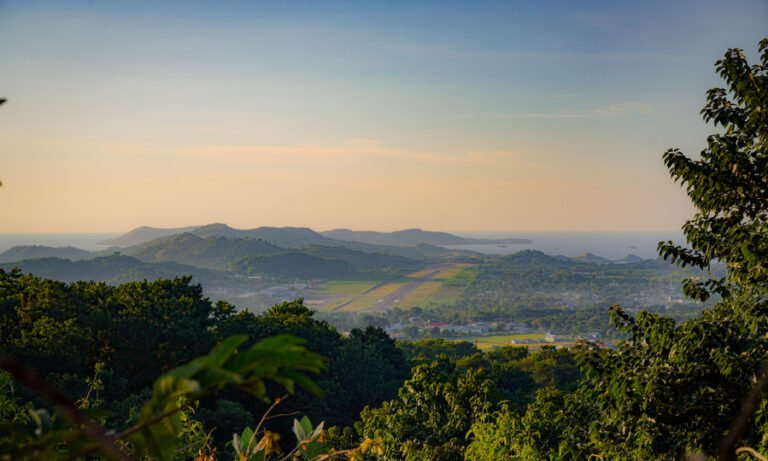
Nestled in the lush hills of Flores, within the Manggarai region of Indonesia, Wae Rebo is a hidden village that stands as a testament to the rich cultural heritage of the area. Its distinct location, accessible primarily by a trek through vibrant landscapes, makes it an inspiring retreat for those seeking to escape the chaos of modern life. The journey to Wae Rebo itself is a remarkable experience, offering spectacular views of rice fields and the surrounding mountains, marking the beginning of an adventure into a world steeped in tradition.
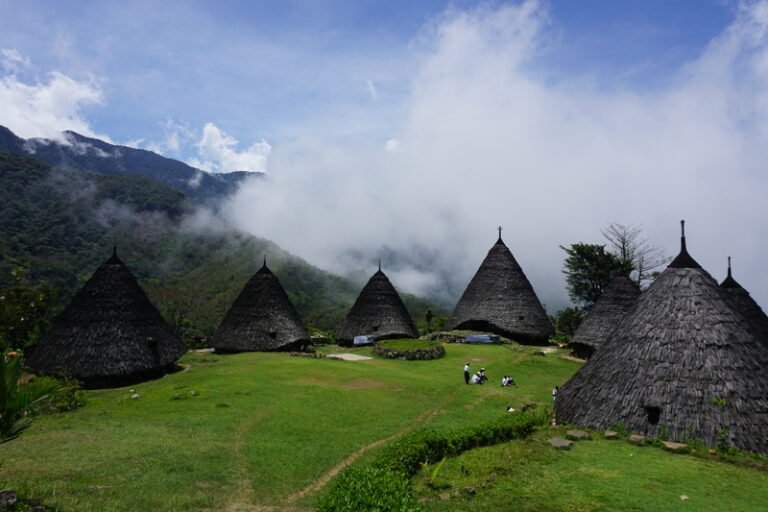
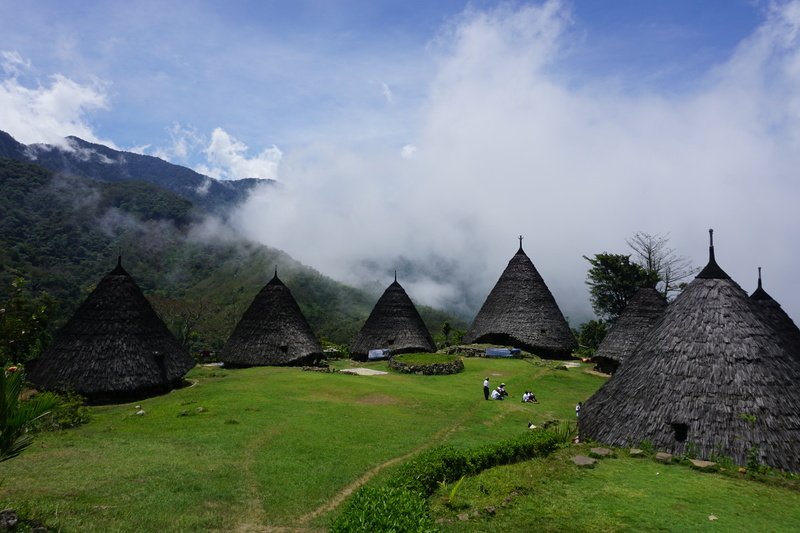
The village of Wae Rebo is recognized not only for its stunning natural beauty but also for its unique architecture. The traditional homes, known as “Mbaru Niang,” are iconic conical structures made from local materials, integrating seamlessly into their environment. This architectural style is not just a visual marvel but also serves a practical purpose, as it has been crafted to withstand the region’s tropical climate. Here, the values of community and sustainability are woven into the daily life of the residents, enhancing the village’s allure as a hidden gem.
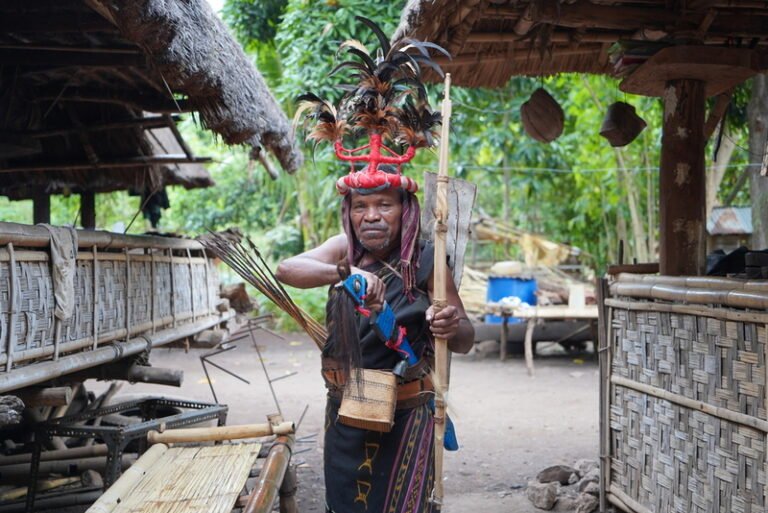
Wae Rebo’s significance extends beyond its architecture; it is also a cultural epicenter where local customs and practices are preserved. The villagers prioritize their traditions, from weaving intricate fabrics to celebrating age-old rituals that reflect their connection to nature and each other. Visiting Wae Rebo provides an authentic glimpse into the lives of the Manggarai people, presenting an opportunity for cultural immersion that few other tourist destinations offer. In essence, Wae Rebo represents a harmonious blend of natural beauty and cultural richness, inviting travelers to discover and appreciate this hidden paradise in Flores.
Getting to Wae Rebo: The Journey
The journey to Wae Rebo, an enchanting village nestled in the heart of Flores, is an adventure that combines various travel options and stunning scenery. The closest major city is Ruteng, which serves as the primary starting point for most travelers. From Ruteng, you can hire a local driver to take you to the trailhead at Dintor, a journey that typically takes about 1.5 to 2 hours. The drive itself offers breathtaking views of the lush Flores landscape, dotted with rice fields and traditional villages where you may encounter local life.
Once you arrive at Dintor, the real adventure begins. The trek from Dintor to Wae Rebo covers approximately 8 kilometers and generally takes around 3 to 4 hours to complete. The trail is well-marked and offers a moderately challenging experience, ideal for those who enjoy hiking. Along the way, you will be treated to astonishing panoramas of the surrounding hills and valleys. Notable highlights include the stunning coffee plantations and the occasional breathtaking waterfall, making every step of your journey a delight for nature enthusiasts.
Moreover, as you traverse the paths, you have the opportunity to engage with local communities. The residents are often welcoming, and encountering them can provide insight into the traditional traditions and customs of the Manggarai people. You might also witness some of their daily activities, such as weaving cloth or farming, which adds cultural depth to your travel experience.
Ultimately, reaching Wae Rebo is about more than just the destination; it is about immersing yourself in the rich natural beauty and authentic cultural experiences along the way. This captivating journey ensures that visitors leave with unforgettable memories that go beyond the picturesque landscapes.
Exploring Wae Rebo: Attractions and Activities
Wae Rebo, an enchanting village nestled in the mountains of Flores, Manggarai, presents a unique blend of cultural heritage and stunning natural beauty. One of the primary attractions of Wae Rebo is its iconic traditional Mbaru Niang houses, which are cylindrical-shaped and have been designed to blend harmoniously with the surrounding environment. Each house serves as a testament to the architectural ingenuity of the Manggarai people, showcasing intricate wooden craftsmanship and thatched roofs, making them not only functional but also aesthetically pleasing.
Visitors to Wae Rebo have the chance to immerse themselves in local festivals, where they can witness vibrant traditions, dances, and communal celebrations. These events provide a unique opportunity for cultural exchange, allowing tourists to engage with the Manggarai people and learn about their customs and way of life. Participating in these local festivities enhances the overall experience, fostering an appreciation for the rich culture that thrives in this remote village.
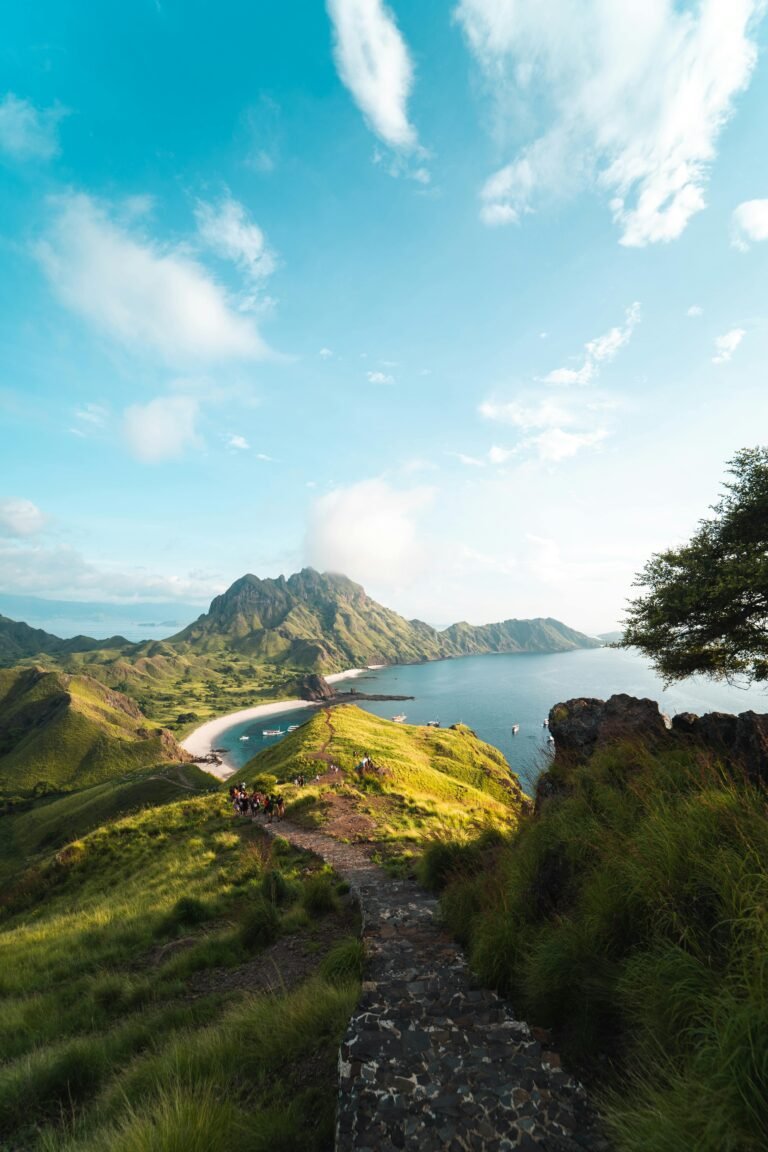
The breathtaking landscapes surrounding Wae Rebo further invite adventure and exploration. Hiking enthusiasts will find numerous trails that meander through lush green hills, offering panoramic views of the region’s remarkable scenery. The cool mountain air and vibrant flora make for an invigorating trek, perfect for both seasoned hikers and casual walkers alike. Additionally, Wae Rebo is a photographer’s paradise, with its picturesque scenery providing stunning backdrops for capturing unforgettable moments.
For those seeking a more immersive experience, engaging with the local Manggarai people presents opportunities to participate in daily activities, such as rice harvesting or traditional cooking. These hands-on experiences encourage visitors to appreciate the simplicity and beauty of rural life in Wae Rebo, creating lasting memories that are both educational and enriching. In essence, Wae Rebo is not only a destination for relaxation and enjoyment but also a hub for cultural exploration and adventure in the heart of Flores.
Practical Tips for Visiting Wae Rebo
Visiting Wae Rebo, an enchanting traditional village nestled in the Manggarai region of Flores, is an adventure that requires careful planning to ensure a memorable experience. The best time to visit this hidden gem is during the dry season, which typically spans from April to November. During these months, travelers can expect pleasant weather, making hiking and exploration more manageable.
When preparing for your journey, it is crucial to pack wisely. Essentials include sturdy hiking shoes, comfortable clothing suitable for changing weather conditions, a hat, sunscreen, and a reusable water bottle. A small backpack is beneficial for carrying personal items, snacks, and camera equipment to capture the stunning vistas of the surrounding landscape.
Accommodation options in Wae Rebo primarily revolve around traditional houses, known as ‘Mbaru Niang’, where visitors can experience authentic village life. Staying with local families not only supports the community but also provides insight into Manggarai culture. Remember to book your stay in advance, as accommodations are limited.
Respect for local customs is paramount when visiting Wae Rebo. Visitors should dress modestly, particularly when attending village ceremonies or interacting with locals. Engaging with the community through simple greetings and polite gestures enhances your experience and fosters a positive atmosphere.
Culinary exploration is another rewarding aspect of the Wae Rebo experience. Be sure to try local dishes such as ‘Sagu’, a traditional food made from sago palm, and ‘Jagung Titi’, a roasted corn snack. These delicacies reflect the rich cultural heritage of the region.
While a guide is not mandatory for the trek to Wae Rebo, hiring one is highly recommended. Local guides are knowledgeable about the terrain and can provide valuable insights into the culture and history of the village. Additionally, visitors should secure necessary permits ahead of time to access the area, ensuring a smooth journey.
Health and safety considerations are vital, especially for those engaging in physical activities like hiking. Make sure to stay hydrated and consider bringing a basic first-aid kit, as well as insect repellent. By taking these precautions, adventurers can focus on enjoying the breathtaking beauty and rich culture of Wae Rebo.