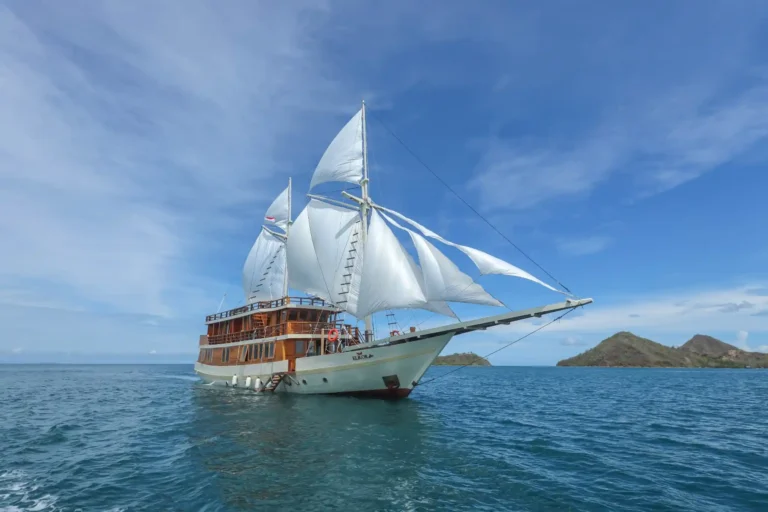
Introduction to Komodo National Park
Komodo National Park, situated in Indonesia, is a treasure trove of natural beauty and biodiversity, recognized as a UNESCO World Heritage site since 1991. Covering an area of approximately 1,733 square kilometers, the park is comprised of three major islands—Komodo, Padar, and Rinca—along with numerous smaller islets. This remarkable destination is renowned for its unique ecosystems, which serve as a habitat for a variety of flora and fauna, many of which are endemic to the region.
One of the most iconic residents of Komodo National Park is the Komodo dragon, the largest living lizard on Earth, which can grow up to three meters in length. This prehistoric creature draws visitors from around the globe, eager to witness it in its natural habitat. In addition to the Komodo dragon, the park hosts an impressive array of wildlife, including various species of birds, mammals, and marine life, all of which contribute to its status as a biodiversity hotspot.
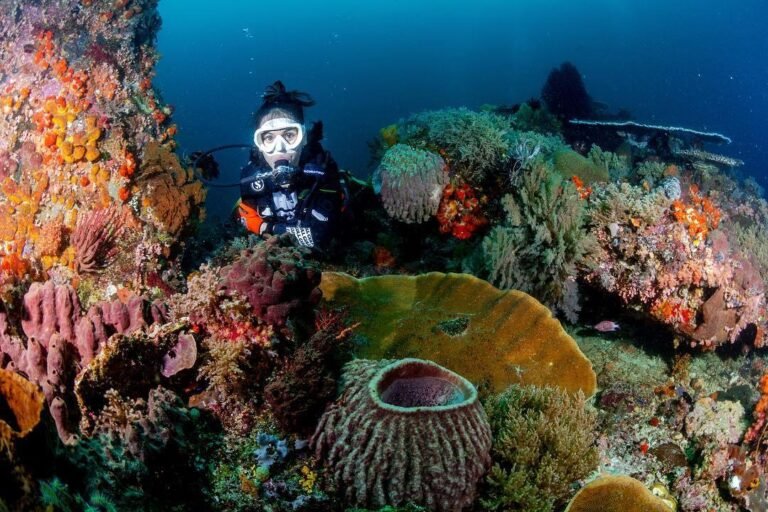
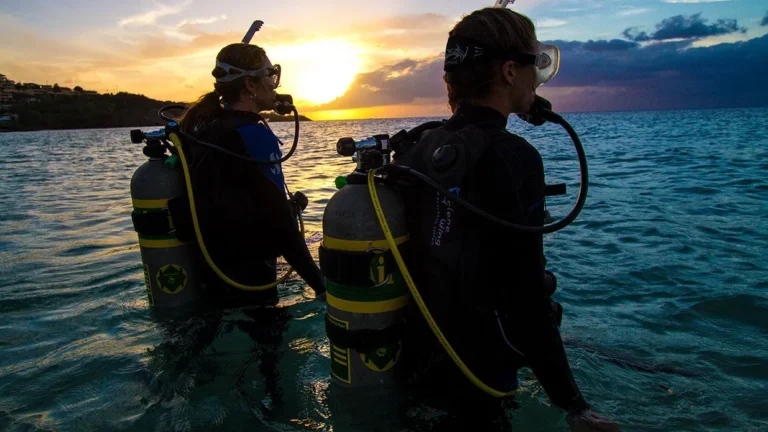
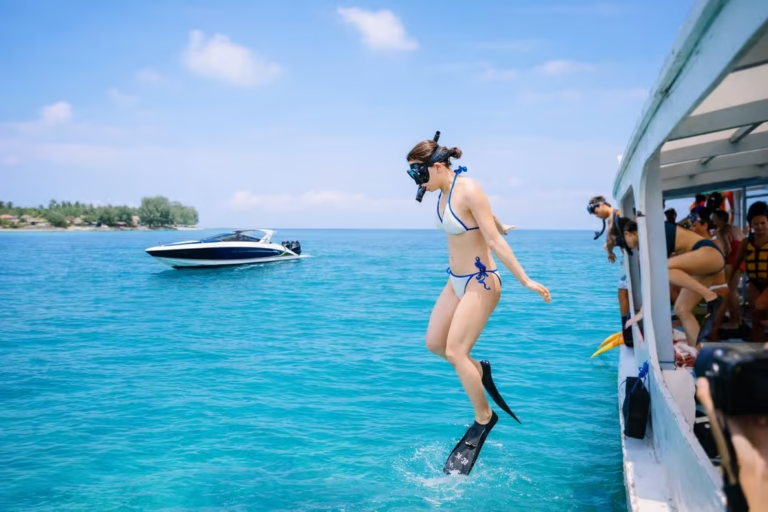
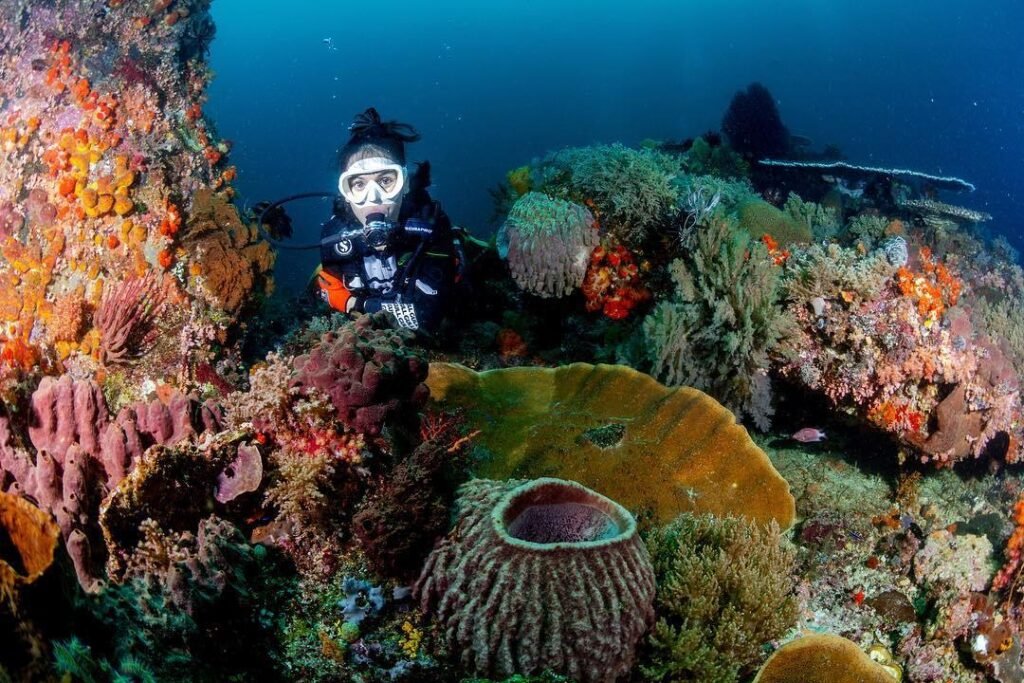
The waters surrounding Komodo National Park are equally fascinating, offering some of the best diving and snorkeling experiences in the world. The rich marine biodiversity includes vibrant coral reefs, pristine underwater landscapes, and a plethora of fish species. Divers and snorkelers are often rewarded with encounters with mantas, turtles, and a variety of colorful fish, showcasing the ecological significance of this aquatic paradise.
Labuan Bajo serves as the primary gateway to Komodo National Park, acting as a launching point for excursions to explore its stunning underwater wonders and unique landscapes. This small fishing town has transformed into a vibrant hub for tourists, equipped with various accommodations, restaurants, and tour operators to facilitate adventures within the park. The accessibility provided by Labuan Bajo makes experiencing the breathtaking beauty of Komodo National Park easier and more appealing to travelers seeking both adventure and tranquility.
Diving and Snorkeling Experiences
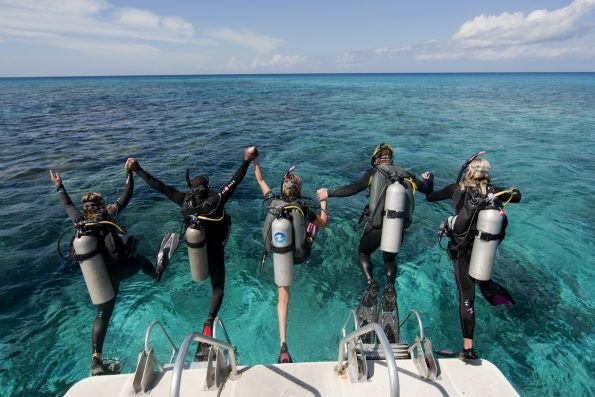
The waters surrounding Komodo National Park, particularly around Labuan Bajo, present exhilarating opportunities for both diving and snorkeling enthusiasts. This UNESCO World Heritage site is renowned for its rich marine biodiversity and stunning coral reefs, making it a premier destination for underwater exploration.
Among the most popular dive sites in the region are Crystal Rock, Manta Point, and Batu Bolong. Crystal Rock is famous for its vibrant coral gardens and large schools of fish, while Manta Point offers encounters with majestic manta rays that can be seen gliding gracefully through the waters. Batu Bolong is another compelling site, known for its exhilarating currents and the chance to spot larger marine life, such as sharks and barracudas. Divers often rave about the unique underwater landscapes and the variety of diving experiences available, from shallow reefs suitable for beginners to more challenging deep dives for seasoned divers.
In terms of marine life, Komodo is a haven for an abundance of species. Divers and snorkelers alike can expect to see colorful clownfish, sea turtles, and an array of other tropical fish darting among the corals. Additionally, the area is rich in unique species such as the elusive dugong and various types of reef sharks. The diverse ecosystems also support vibrant sea turtles, vibrant nudibranchs, and the fascinating spectacle of bioluminescent organisms at night.
The best times for diving and snorkeling in Komodo are during the dry season, which typically runs from April to December. During these months, visibility is often at its peak, and the weather conditions are conducive to safe and enjoyable underwater activities. It is advisable to check local conditions and consult with dive instructors to ensure an optimal experience while exploring the enchanting underwater wonders of Komodo.
Marine Life You Can Encounter
Komodo National Park, renowned for its rich biodiversity, offers a plethora of marine life that eagerly awaits exploration. The waters surrounding Labuan Bajo present a vibrant underwater ecosystem characterized by its stunning coral reefs. These reefs, often referred to as the “rainforests of the sea,” serve as a habitat for countless species of tropical fish. Snorkelers and divers are likely to encounter an array of fish species, including clownfish, parrotfish, and lionfish, vibrant in color and behavior, adding to the allure of the underwater spectacle.
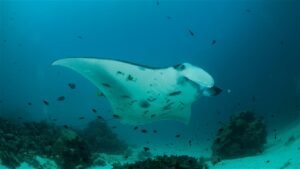
In addition to the captivating fish, Komodo’s waters are also known for the majestic manta rays. These graceful creatures can often be seen gliding effortlessly through the water, showcasing the remarkable beauty of marine life in this region. Observing manta rays up close is an experience that will leave a lasting impression on any visitor. Furthermore, divers may even catch a glimpse of sharks and large pelagic species, enriching the diversity of marine encounters.
One of the most unique aspects of exploring Komodo’s waters is the possibility of spotting the iconic Komodo dragon from a distance. As these magnificent creatures inhabit the islands of Komodo and Rinca, visitors sometimes have the rare chance of observing them while on a boat or from a snorkeling site. This captivating sight adds an extraordinary dimension to the experience of exploring the marine life around Labuan Bajo.
As we marvel at the diverse marine life in Komodo National Park, it is imperative to emphasize the importance of marine conservation. The health of these vibrant ecosystems is crucial, not only for the survival of various species but also for the well-being of local communities that rely on them for fishing and tourism. Conservation efforts must be prioritized to ensure that future generations can experience the same natural wonders that abound in these waters today.
The Best Diving Spots in Komodo
Labuan Bajo serves as the gateway to some of the world’s most exquisite diving locations, greatly admired for their rich marine biodiversity and striking underwater landscapes. Among these, several dive spots stand out, catering to divers of various experience levels, from novices to seasoned adventurers.
One of the most famous destinations is Komodo Island, particularly the dive site known as Castle Rock. This site features dramatic underwater topography, including towering rock formations and steep drop-offs. The waters here are teeming with life, offering encounters with colorful reef fish, turtles, and occasionally manta rays, making it an exhilarating experience for experienced divers.
Another notable location is Crystal Rock, renowned for its crystal-clear visibility and the vibrant coral reefs that surround it. This site is ideal for both beginners and intermediate divers, who can marvel at the diverse marine ecosystem, which includes schools of fish, sponge gardens, and various species of nudibranchs. The site’s gentle currents allow for a relaxed dive, enhancing the opportunity to appreciate the underwater beauty.
The dive site called Siaba Kecil also deserves mention. It is particularly popular among novice divers due to its sheltered conditions and shallow depths. Here, one can discover vibrant coral gardens and numerous small marine creatures, providing an enchanting underwater experience. This tranquil environment is perfect for practicing diving skills while enjoying the rich aquatic life without the challenges posed by stronger currents.
Lastly, Red Beach attracts many divers due to its unique underwater landscape adorned with vibrant coral reefs and stunning marine life, including seasonal sightings of manta rays. This dive site is suitable for all levels, making it a perfect spot for families and groups looking to explore together.
In conclusion, the diving spots accessible from Labuan Bajo not only offer diverse conditions to suit different skill levels but also display some of the most spectacular underwater vistas found in Komodo. From the challenging environments of Castle Rock and Crystal Rock to the friendly realms of Siaba Kecil and Red Beach, there is something for every diving enthusiast to enjoy.
Ecotourism and Sustainability Practices
Ecotourism plays a vital role in the preservation of Komodo’s underwater environment, serving as both an economic driver and a conservation tool. In Labuan Bajo, the gateway to Komodo National Park, local communities are increasingly recognizing the importance of sustainable tourism practices that safeguard marine ecosystems while providing unique experiences for visitors. By promoting ecotourism, these communities can generate income that directly supports conservation initiatives.
One significant aspect of ecotourism in the region is the emphasis on responsible diving and snorkeling practices. Tour operators in Labuan Bajo educate guests on the importance of minimizing human impact, such as avoiding coral touching and using reef-safe sunscreen. These measures are crucial in protecting fragile marine habitats that flourish in the region’s waters, including coral reefs teeming with biodiversity.
Additionally, several local conservation efforts aim to restore and maintain the health of marine ecosystems. Organizations and community groups are engaged in activities such as coral reef rehabilitation and the establishment of marine protected areas (MPAs). These MPAs help regulate fishing practices and tourist activities, allowing marine life to thrive unhindered. By maintaining the balance of these ecosystems, the region can sustain its appeal as an ecotourism destination.
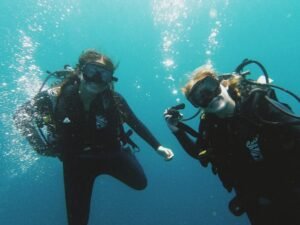
Furthermore, sustainable tourism practices in Labuan Bajo increasingly include community involvement in decision-making. Local stakeholders collaborate with environmental organizations to ensure that tourism development aligns with ecological conservation goals. This approach fosters a sense of ownership among residents, encouraging them to protect their natural resources actively.
In conclusion, the intersection of ecotourism and sustainability practices in Komodo highlights a promising path forward for preserving the region’s underwater wonders. By fostering responsible tourism, supporting conservation efforts, and involving the local community, Labuan Bajo can continue to thrive as a premier destination while ensuring the health of its marine ecosystems for future generations.
Preparing for Your Underwater Adventure
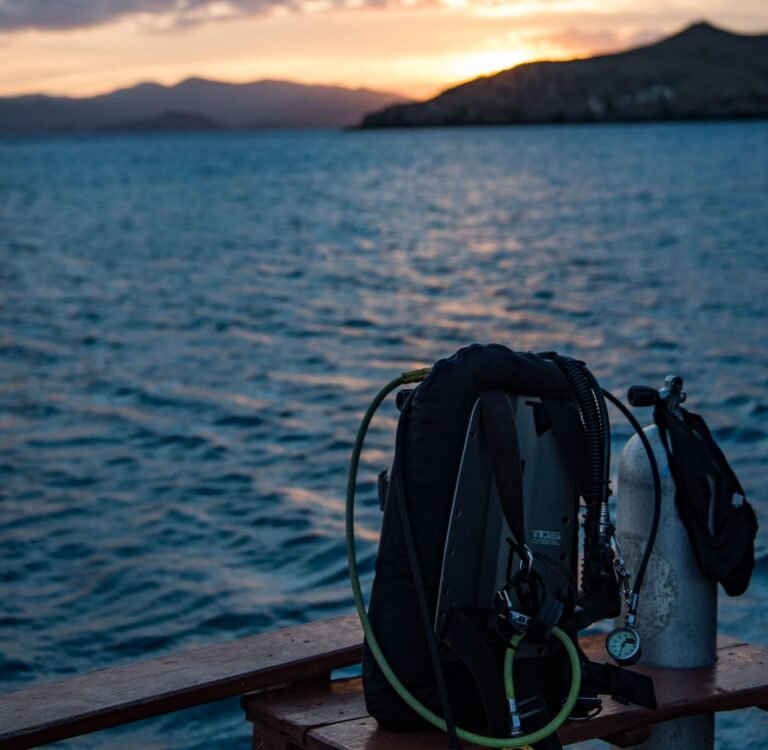
Embarking on diving and snorkeling trips in Komodo is an exhilarating experience, but preparation is key to ensuring safety and enjoyment. First and foremost, it is essential to equip yourself with the necessary gear. For snorkeling, a well-fitting mask, snorkel, and fins are fundamental. Consider wearing a rash guard or wetsuit for added protection against the sun and potential marine encounters. For divers, proper diving equipment is indispensable, including a buoyancy control device (BCD), tank, regulator, and wetsuit. Ensure that all gear is well-maintained, and if renting, check for signs of wear and functionality.
Safety measures cannot be overlooked when preparing for your underwater adventures. Ensure you are aware of your personal health and physical condition prior to diving. If you have existing medical conditions, consult with a healthcare provider. It is advisable to have a valid diving certification, as many sites in Komodo require divers to be certified. Snorkelers should be comfortable in the water, and basic swimming skills are essential. Moreover, staying hydrated before and after diving or snorkeling is crucial to avoid decompression sickness.
read more:Articles – Visit Labuan Bajo Komodo
Selecting the right tour operator is another vital component of your preparation. Research various operators by reading reviews and checking their safety protocols and environmental practices. It is beneficial to choose a tour company that employs experienced guides who understand local conditions and can provide a safe and enjoyable experience. Ask about group sizes; smaller groups can enhance your experience by allowing for more personalized attention. Confirm that the operator adheres to safety regulations and provides adequate briefings before excursions. With thorough preparation, your diving and snorkeling experience in Komodo will be memorable and safe.
Local Culture and Community Engagement
Labuan Bajo, a vibrant fishing town situated on the western tip of Flores, Indonesia, is not only a gateway to the pristine waters surrounding Komodo National Park but also a community rich in culture and tradition. The local culture encompasses a mix of various ethnic groups, primarily the Manggarai people, who are known for their hospitality and strong communal ties. Travelers visiting Labuan Bajo are presented with a unique opportunity to immerse themselves in this multifaceted culture, thus enhancing their experience as well as contributing positively to the community.
A significant aspect of Labuan Bajo’s culture is its commitment to environmental conservation. The local community actively participates in initiatives aimed at preserving the delicate marine ecosystems. Organizations and community groups, often supported by international partners, work diligently to promote sustainable fishing practices and educate visitors on the importance of conservation efforts. This deep-rooted respect for the environment allows visitors to witness firsthand the connection between the people and their natural surroundings.
visit package :Deep Diving Specialty Course.
Travelers are encouraged to engage with the local community by participating in cultural tours and workshops. These interactions could include traditional cooking classes, where visitors can learn to prepare local dishes using ingredients sourced from the surrounding area. Additionally, attending local markets provides travelers with a chance to purchase handcrafted items while supporting local artisans. Such engagement not only fosters economic benefits for residents but also creates a meaningful exchange of culture and ideas.
Furthermore, volunteering opportunities with river clean-up initiatives and marine conservation programs are excellent ways for visitors to give back to the community. This form of engagement allows tourists to contribute actively while learning about local conservation practices. Involving oneself in these efforts amplifies the experience of visiting Labuan Bajo, as travelers leave not only with memories of breathtaking landscapes but also with a deeper appreciation of the cultural and environmental stewardship practiced by the local communities.
In conclusion, embracing the local culture and engaging with the community in Labuan Bajo enriches any travel experience. Through respectful participation in cultural exchange and conservation efforts, visitors can enjoy the unique heritage of this region while supporting the sustainability of its remarkable natural resources.
Seasonal Considerations for Travelers
When planning an underwater adventure in Komodo, understanding the seasonal dynamics is crucial to ensure a memorable experience. The best time to visit Labuan Bajo, the gateway to Komodo National Park, largely depends on weather patterns and sea conditions that vary throughout the year.
The dry season, which runs from April to December, is generally the most favorable time for visitors. During these months, the weather conditions are optimal for diving and snorkeling, with calm sea conditions and clear visibility underwater. Average daytime temperatures range from 29°C to 32°C (84°F to 90°F), making it comfortable for all-day excursions. The visibility underwater can reach up to 30 meters (over 100 feet), providing excellent opportunities to spot the diverse marine life that inhabits the waters around Komodo.
It is worth noting that the months of April to June are considered peak periods for underwater adventures. These months are characterized by a significant influx of tourists, as the sea conditions are particularly inviting. As the dry season progresses into July and August, the number of visitors continues to rise, which may lead to busier dive sites. Nonetheless, the marine biodiversity is still enchanting, as this period coincides with the seasonal migration of certain fish species.
When the wet season arrives from December to March, conditions change significantly. While the rain showers typically come in the form of brief afternoon downpours, it is essential to be mindful of unpredictable weather patterns. Despite the chances of increased rainfall, underwater visibility may still be decent, ranging from 10 to 15 meters (approximately 33 to 49 feet), making it possible to explore Komodo’s underwater treasures. However, rough sea conditions may limit access to certain dive sites during these months.
In conclusion, for those seeking the pinnacle of underwater adventures in Komodo, the dry season is recommended. However, visitors during the wet season can still enjoy valuable experiences with the unique marine ecosystem, albeit with a different perspective on weather and sea conditions.
Concluding Thoughts on Exploring Komodo’s Underwater World
Exploring the underwater wonders of Komodo is an experience that goes beyond mere adventure; it is a journey into a vibrant ecosystem that holds both beauty and fragile integrity. The rich marine biodiversity, encompassing a variety of species from majestic manta rays to the elusive Komodo dragon in its aquatic habitat, serves as a reminder of nature’s splendor. Individuals who venture into these waters not only find excitement but also witness the delicate balance of life beneath the waves.
Moreover, as travelers immerse themselves in the underwater landscapes surrounding Labuan Bajo, they should acknowledge the significance of responsible exploration. Engaging with such ecosystems can have profound implications, and it is essential to maintain a respectful distance from marine life, utilize environmentally friendly practices, and support conservation efforts. The act of observing marine life should promote awareness and a commitment to preserving these natural wonders for future generations.
The experiences shared by divers and snorkelers alike highlight the importance of Komodo’s underwater explorations. Encounters with unique marine species enhance appreciation for biodiversity and cultivate a deeper understanding of ecological interconnections. Each dive or snorkeling session becomes an opportunity to learn and respect the ocean’s inhabitants while encouraging stewardship of the environment.

In conclusion, the beauty of exploring Komodo’s underwater world serves as both a captivating adventure and a vital responsibility. Readers are encouraged to not only indulge in the thrilling exploration of these underwater realms but also to reflect on the importance of sustainable practices. By prioritizing conservation and respecting the delicate marine ecosystems, explorers can ensure that the marvels of Komodo continue to thrive for years to come.