Labuan Bajo’s Marine Wonders
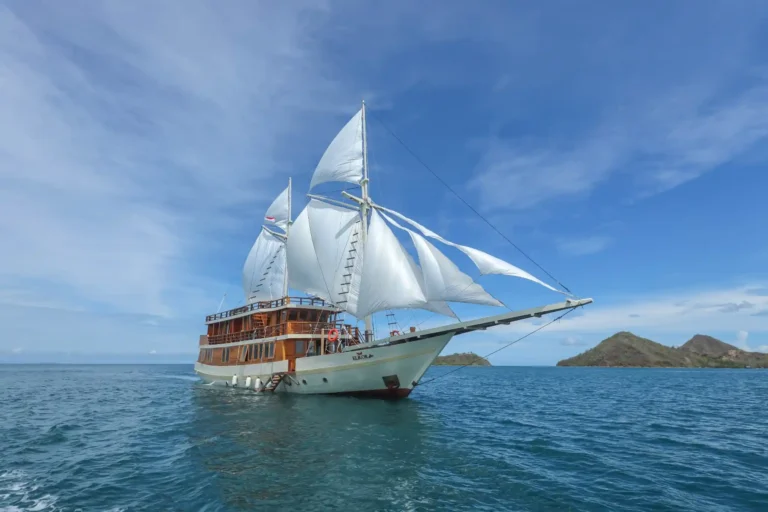
Labuan Bajo is often introduced through its famous limestone islands, dramatic sunsets, Komodo dragons, and traditional phinisi boats. But for travelers who spend enough time on the water, another side of this destination quickly becomes impossible to ignore: the colorful coral gardens beneath the surface.
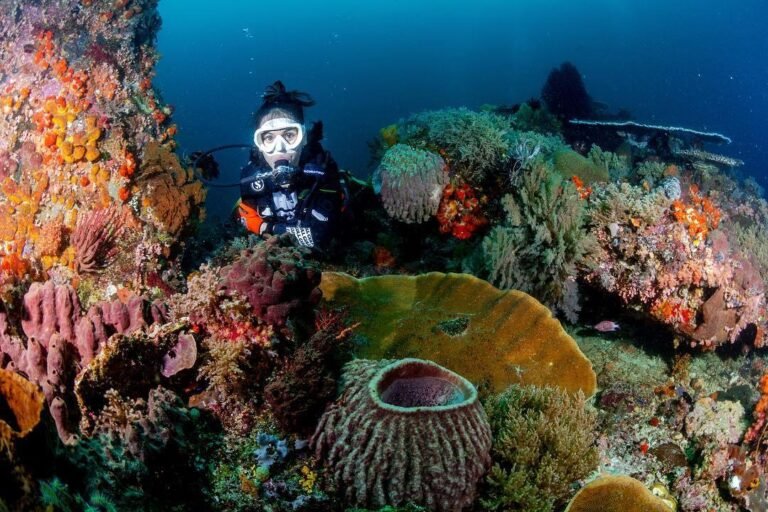
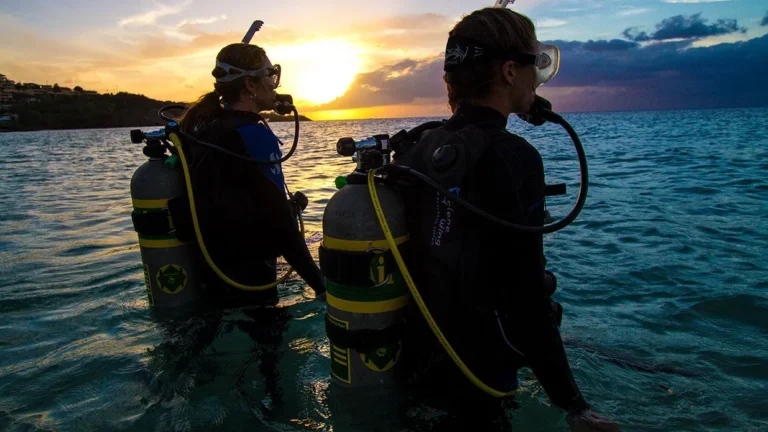
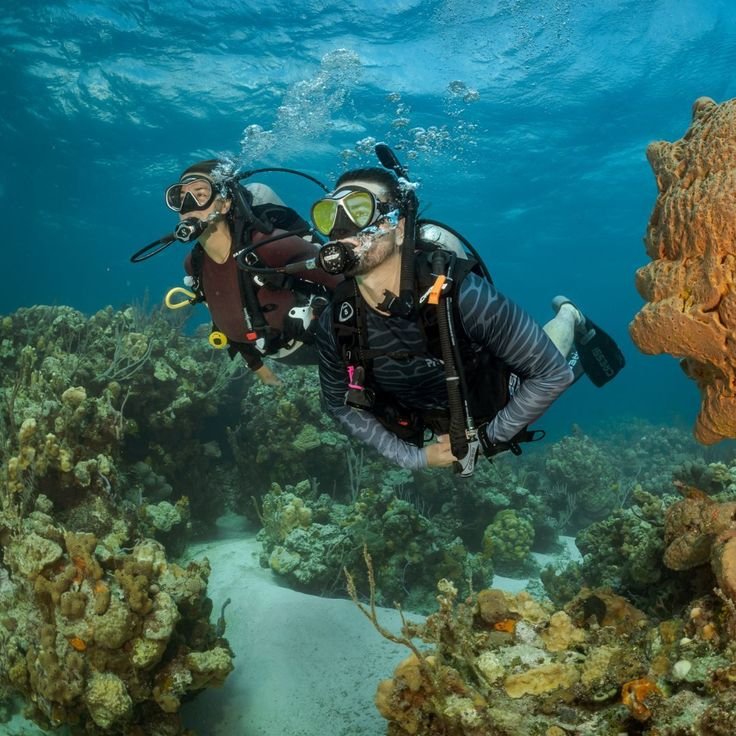
From a mask and snorkel, the sea around Labuan Bajo can look almost unreal. Patches of hard coral rise from clear turquoise water. Small reef fish move between coral branches. Anemones sway gently with the current, while larger reef species may appear unexpectedly in the blue. In deeper areas, divers can experience a completely different landscape, with walls, pinnacles, channels, and coral-covered slopes descending into the Komodo seascape.
This underwater environment is one of the strongest reasons to visit Labuan Bajo beyond the usual island-hopping itinerary. As someone planning a marine adventure here, however, it is important to understand that coral gardens are not simply beautiful places to photograph. They are living ecosystems. Every fin kick, boat anchor, piece of plastic, and careless touch can have an impact.
This guide explores the must-see colorful coral gardens in Labuan Bajo, what makes them special, how to experience them responsibly, what marine life you may encounter, and how your trip can contribute to protecting the ecosystem for future visitors.
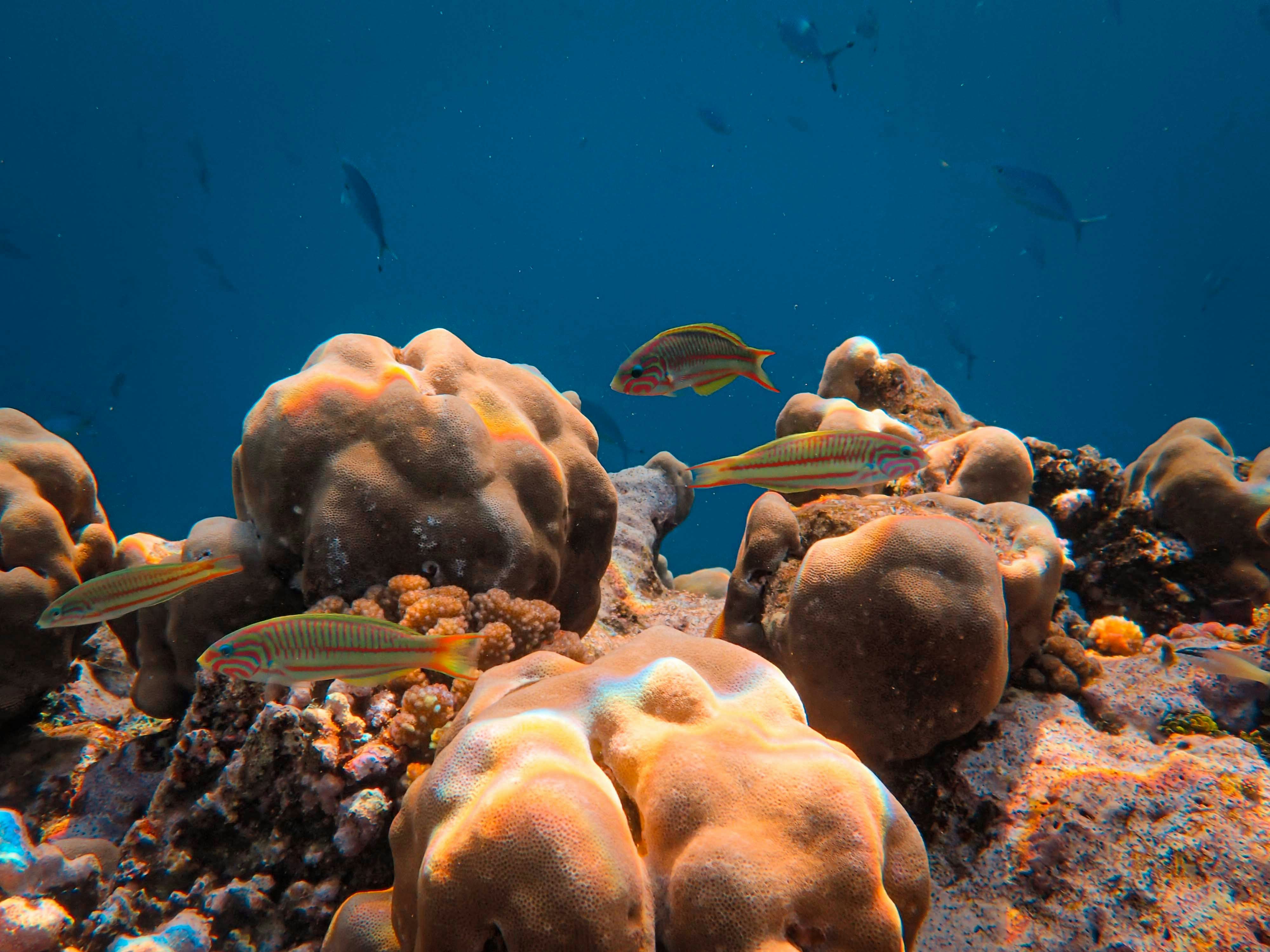
As we delve deeper into the marvels of Labuan Bajo’s underwater gardens, it is essential to recognize their significance, not only as a natural treasure but also as a crucial component of the region’s ecological health and economic sustainability.
Why Labuan Bajo’s Coral Gardens Are Worth Exploring
Labuan Bajo sits on the western tip of Flores and serves as the main gateway to Komodo National Park. The region is surrounded by islands, channels, reefs, seagrass habitats, mangroves, and deep ocean environments.
This geography creates a remarkably diverse marine landscape.
For first-time visitors, the underwater experience can be surprisingly different from what they expect. You may leave the harbor expecting a simple snorkeling trip and discover a reef filled with thousands of small fish. On another day, you may descend beneath the surface and find yourself above a coral-covered pinnacle surrounded by clear blue water.
The contrast between the dry landscape above the sea and the colorful environment below it is part of what makes Labuan Bajo special. The islands can appear rugged and almost barren during the dry season. Below the surface, however, life can be extraordinarily abundant.
A destination for both snorkelers and divers
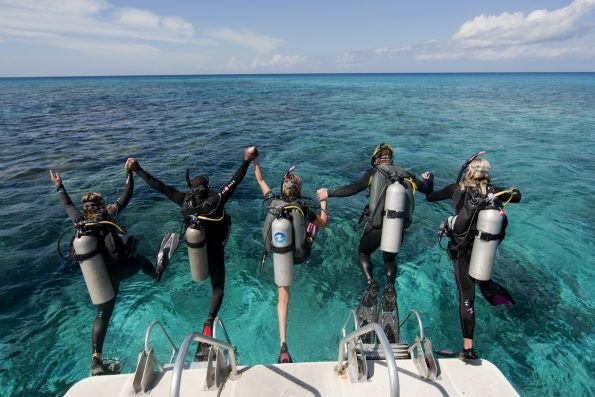
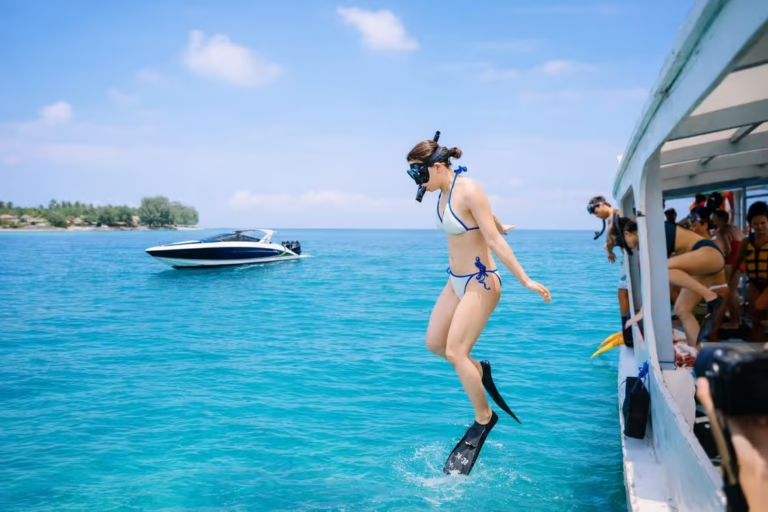
One of the advantages of exploring the Labuan Bajo marine area is that you do not necessarily need to be an experienced diver. Many coral-rich locations can be enjoyed by snorkelers, while certified divers can access deeper sites and experience stronger currents, walls, pinnacles, and larger marine animals.
This makes the destination suitable for:
- First-time snorkelers
- Families
- Underwater photographers
- Certified scuba divers
- Experienced divers
- Honeymoon travelers
- Marine-life enthusiasts
- Eco-conscious travelers
- Travelers interested in conservation
The key is choosing the right location and conditions for your experience level.
Top Coral Garden Locations in Labuan Bajo
Labuan Bajo, a gateway to the stunning Komodo National Park, is renowned for its vibrant coral gardens, captivating divers and snorkelers alike. These underwater ecosystems are not only picturesque but also home to a plethora of marine species. Below are some of the most remarkable coral garden sites that visitors should explore.
1. Coral Garden at Pink Beach
Pink Beach, famous for its picturesque sandy shores, also boasts a stunning coral garden that is easily accessible from the beach. The shallow waters allow for excellent visibility and are ideal for snorkeling. Unique coral formations in various colors create an enchanting underwater landscape. Marine enthusiasts can spot species such as clownfish, parrotfish, and even the occasional turtle while exploring this vibrant site.
2. Batu Bolong
Batu Bolong is another must-see destination. Known for its rich biodiversity, this site features coral formations that rise sharply from the ocean floor, creating dramatic underwater cliffs. Accessed by boat, Batu Bolong is often frequented by experienced divers due to the strong currents. Among the diverse marine life here, one can observe schools of snapper, trevally, and even the elusive manta ray grazing on plankton during the right season.
3. Kanawa Island
Kanawa Island presents a relaxing atmosphere where visitors can enjoy pristine coral gardens just off the shore. The island is easily accessible by boat from Labuan Bajo, making it an ideal spot for a day trip. As you snorkel in the crystal-clear waters, you will encounter breathtaking formations of hard and soft corals rich in marine life, including vibrant nudibranchs and colorful reef fish.
4. Siemens Reef
Siemens Reef is a hidden gem known for its underwater maze of corals. This site requires a boat trip, but the rewards are well worth the journey. The reef showcases a vibrant mix of coral types, attracting a wide variety of fish. Angelfish, butterflyfish, and even the majestic whale shark are often spotted here, making it a photographer’s paradise.
These locations not only offer incredible views of coral formations but also the opportunity to witness a rich tapestry of marine life. Whether a snorkeler or a diver, the coral gardens around Labuan Bajo promise unforgettable underwater adventures.
Best Practices for Snorkeling and Diving in Coral Gardens
Exploring the vibrant coral gardens in Labuan Bajo offers an unparalleled experience for snorkelers and divers alike. To ensure these delicate ecosystems are preserved while enjoying their beauty, it’s essential to follow best practices during your underwater adventures.
Firstly, safety measures are critical. Ensure you have a buddy with you when snorkeling or diving. This not only enhances safety but also provides a shared experience that can enrich your outing. Additionally, before venturing into the water, be sure to check the local weather conditions and tide schedules. Sudden changes can pose unexpected risks, especially in open water.
When it comes to equipment, wearing a wetsuit is advisable. Not only does it provide thermal protection, but it also helps prevent accidental contact with coral or marine life, which can be harmful to both you and the ecosystem. Always use equipment that is suitable for your skill level; for example, beginners should consider using a full-face snorkel mask, while more advanced divers may prefer a traditional mask and snorkel.
Equally important is understanding etiquette when interacting with marine life. Avoid touching or stepping on corals, as many species are fragile and take years to recover from damage. Feeding fish is not recommended, as it can disrupt their natural behaviors and diet. Instead, observe marine life from a distance to reduce stress on the animals and maintain the natural balance of the underwater environment.
Lastly, consider using reef-safe sunscreen to prevent harmful chemicals from entering the marine ecosystem. By taking these precautions and respecting the diverse life within the coral gardens, you contribute to their preservation for future generations to explore and enjoy.
Conservation Efforts: Protecting Coral Gardens in Labuan Bajo
The coral gardens located in Labuan Bajo are not only a breathtaking natural wonder but also crucial to the local ecosystem. Recognizing their value, various stakeholders have initiated a range of conservation efforts aimed at protecting these vibrant underwater habitats. Local communities, non-governmental organizations (NGOs), and government agencies are coming together to develop innovative strategies that ensure the sustainability of these coral gardens.
One of the key initiatives undertaken by local communities involves educating residents about the ecological importance of coral reefs and the threats they face from overfishing, pollution, and climate change. Workshops and community gatherings foster a sense of stewardship among locals, encouraging them to engage in conservation activities such as reef monitoring, cleanup drives, and responsible fishing practices. This grassroots involvement is vital as it ensures that conservation measures are culturally relevant and widely supported.
NGOs play a vital role in the ongoing conservation efforts by providing resources, expertise, and funding. These organizations often collaborate with local fishermen and dive operators to promote sustainable tourism practices. Programs that involve tourists in conservation work, such as coral reef restoration projects, have gained popularity, providing travelers with an opportunity to contribute actively to protecting the coral gardens they come to admire. Furthermore, many NGOs have implemented educational programs aimed at raising awareness among tourists about the fragility of coral ecosystems.
The government has also stepped up its efforts by enforcing policies aimed at protecting marine biodiversity. Marine protected areas (MPAs) have been established to safeguard critical habitats from destructive practices. These MPAs serve both conservation and tourism interests, allowing visitors to experience the untouched beauty of Labuan Bajo’s coral gardens while ensuring that these ecosystems are preserved for future generations.
In conclusion, the collaborative efforts among local communities, NGOs, and government agencies are essential in preserving the coral gardens of Labuan Bajo. Sustainable tourism can significantly contribute to these ongoing conservation endeavors, ensuring that the stunning reefs continue to thrive and be enjoyed by future visitors.