Best Time to Visit Labuan Bajo
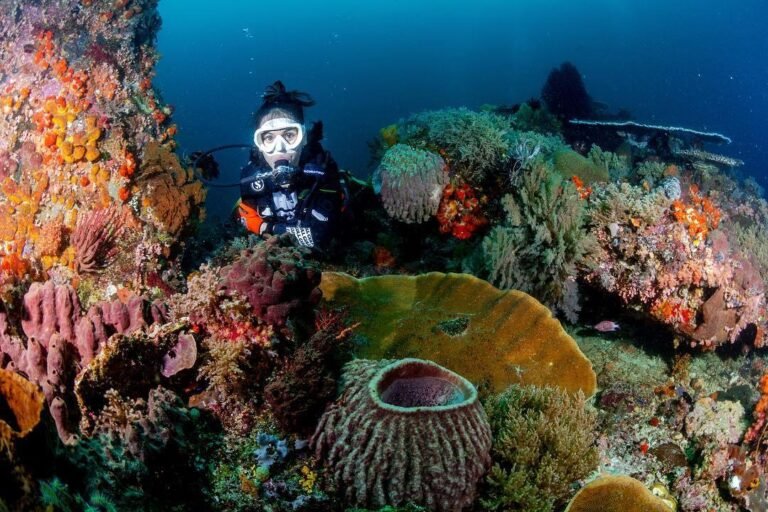
Labuan Bajo, a picturesque fishing town located on the western tip of Flores Island in Indonesia, has gained significant popularity over the years as a sought-after tourist destination. Renowned for its breathtaking landscapes and rich marine biodiversity, Labuan Bajo serves as the gateway to the famous Komodo National Park, which is recognized as a UNESCO World Heritage Site. Tourists flock to this charming town not only for its stunning views but also for its exceptional diving spots that offer a glimpse into the vibrant underwater world, including the opportunity to encounter the iconic Komodo dragon.
One of the key elements that can greatly influence a traveler’s experience in Labuan Bajo is the timing of their visit. The region is characterized by a tropical climate, leading to variations in weather patterns throughout the year. Consequently, understanding the seasonality of Labuan Bajo is crucial for maximizing the enjoyment of outdoor activities such as snorkeling, hiking, and exploring the surrounding islands. The dry season, typically running from April to December, is particularly favored among tourists, as it features sunny days and calm seas, making it ideal for marine exploration and island hopping excursions.

Additionally, the wet season, which occurs from January to March, may present challenges for travelers due to heavier rainfall and unpredictable weather. However, this season can also offer unique experiences, such as fewer crowds and lush green scenery. Ultimately, strategic planning of your visit to Labuan Bajo, considering its climatic conditions and tourist influx, enhances the overall travel experience and ensures visitors can fully appreciate the natural beauty and cultural richness that this enchanting destination has to offer.
Climate Overview
Labuan Bajo, located on the western tip of Flores Island in Indonesia, boasts a tropical climate characterized by its warm temperatures and distinct wet and dry seasons. The average temperature throughout the year typically ranges from 25°C to 31°C (77°F to 88°F). However, travelers should be prepared for variations, especially during the change of seasons.
The dry season in Labuan Bajo generally spans from April to December, where rainfall is minimal, averaging less than 50 mm per month. This period also features lower humidity levels, making it an attractive time for outdoors enthusiasts and those looking to explore the stunning Komodo National Park. The sunny days offer ideal conditions for activities such as diving, snorkeling, and island-hopping excursions, allowing visitors to appreciate the region’s rich marine biodiversity.
Conversely, the wet season, occurring from January to March, brings increased rainfall and the highest humidity levels, often between 70-90%. This is the time when Labuan Bajo experiences the majority of its precipitation, with January typically recording the heaviest rainfall, averaging around 250 mm. While the showers may deter some visitors, this season can render the landscape lush and vibrant, presenting a different kind of beauty. Additionally, the period can offer fewer crowds, leading to potentially more personalized travel experiences.
The climate of Labuan Bajo plays a significant role in influencing travel experiences, from the ambiance to the activities available. Seasoned travelers may find that planning their visit to align with Labuan Bajo’s dry season optimizes their experience, providing the best opportunities to engage with the area’s breathtaking natural landscapes and cultural heritage.
January: What to Expect
January marks the peak of the wet season in Labuan Bajo, a picturesque coastal town in Indonesia renowned for its stunning landscapes and proximity to Komodo National Park. During this month, visitors can expect frequent rainfall and increased humidity, which may influence travel plans and outdoor activities. Rain is generally heaviest at the beginning of the month, tapering off towards the end, but short, intense storms typically occur at any time, leading to lush greenery and vibrant scenery.
The average temperature in January ranges between 24°C to 30°C (75°F to 86°F), making it relatively warm, despite the rainfall. Tourists visiting Labuan Bajo during this month should prepare for both sunshine and unexpected showers, ensuring to pack waterproof gear alongside light clothing suitable for warm weather.
January tends to see a lower influx of tourists compared to the dry season, which runs from April to December. As a result, travelers may benefit from reduced crowding at popular sights and accommodations. However, certain tours and excursions may be limited or altered due to weather conditions, hence it’s advisable for travelers to confirm availability in advance.
Despite the wet season, many activities remain accessible. Snorkeling and diving trips can still be organized, with the underwater visibility varying depending on recent rainfall. Trekking and exploring Komodo Island may continue, but caution is advised. Therefore, it is prudent for visitors to maintain flexibility in their itinerary. Overall, January presents an opportunity for those keen on a more tranquil experience in Labuan Bajo, as long as they are prepared for the weather fluctuations associated with the wet season.
February: Fishing and Diving Opportunities
February is a remarkable month to visit Labuan Bajo, particularly for those interested in fishing and diving. The waters surrounding this beautiful region offer rich marine biodiversity that attracts fish enthusiasts and divers alike. During this time, the sea temperature ranges from 28 to 30 degrees Celsius, creating optimal conditions for underwater exploration. This warm water, combined with good visibility, enhances the overall experience for divers and snorkelers, allowing them to fully appreciate the vibrant coral reefs and diverse marine life.
The fishing opportunities in February are particularly noteworthy, with various species becoming active in the warm waters. Both novice and experienced anglers can find excitement in the waters of Labuan Bajo. The absence of heavy rain during this month leads to calmer seas, making it easier to venture out for fishing expeditions. Common catches include tuna, snapper, and barracuda, providing ample excitement for those looking to spend a day on the water.
However, it is important to acknowledge that February may present certain weather challenges. The region can occasionally experience sporadic rain showers, which may temporarily affect water visibility and current conditions. These factors could impact the ideal conditions for fishing trips or diving excursions. Additionally, while rain showers are generally not prolonged, travelers should remain flexible with their outdoor plans and come prepared for possible weather changes. Understanding that fluctuations may occur can help visitors make the most of their time in Labuan Bajo, ensuring that they fully enjoy the fishing and diving opportunities available during this month.
March: Transition to Dry Season
March marks an essential transitional period in Labuan Bajo as the region shifts from the wet season towards the dry season. This time of year is characterized by a gradual reduction in rainfall and increasingly pleasant temperatures, making it a favorable month for visitors. As the days become sunnier and well-suited for outdoor activities, tourists begin to flock to this beautiful destination, eager to explore its natural wonders.
As travelers arrive in Labuan Bajo during March, they can take advantage of a variety of activities that showcase the area’s stunning surroundings. One of the highlights of the month is the opportunity for diving and snorkeling in the pristine waters surrounding Komodo National Park. The visibility underwater improves significantly in March, allowing divers to witness the vibrant marine life and captivating coral reefs without the haze often associated with the rainy season.
Additionally, trekking to see the famous Komodo dragons becomes more appealing as the trails dry out, making hiking excursions easier and more enjoyable. Tour guides across Labuan Bajo begin offering more trekking options, showcasing the region’s breathtaking landscapes and providing insights into local wildlife, culture, and history.
Cultural events also play a role in attracting visitors during March. The celebration of traditional festivals and ceremonies can often be witnessed, providing travelers with a unique glimpse into the culture and heritage of the local communities. Engaging in these events not only enriches the travel experience but also supports local traditions.
In summary, March serves as a strategic time for those looking to visit Labuan Bajo. With the transition to the dry season comes an array of outdoor adventures and cultural experiences that highlight the region’s allure, making it an excellent month for exploration and discovery.
April: The Start of Peak Season
April serves as the gateway to the peak tourist season in Labuan Bajo, a stunning coastal town in Indonesia’s East Nusa Tenggara province. As the dry season commences, travelers flock to the region to embrace its natural beauty, vibrant marine life, and unique culture. The climate during April typically showcases pleasant temperatures ranging from 25°C to 32°C, making it an optimal time for outdoor activities and exploration.
During this month, attractions such as Komodo National Park rise to prominence, as they become increasingly accessible. The park is renowned for its unique habitats and is home to the iconic Komodo dragon, a must-see for any traveler. Activities such as scuba diving and snorkeling also gain popularity, with spots like Manta Point and Batu Balong offering breathtaking underwater experiences. April provides ideal conditions for these activities, as the waters are often calm, presenting clearer visibility for divers and snorkelers.
In addition to the natural attractions, the local culture is vibrant during this time. Travelers are encouraged to participate in community events and visit local markets, giving them a glimpse into Indonesian traditions. The bustling atmosphere in Labuan Bajo becomes more pronounced as resorts and restaurants open their doors to accommodate the influx of visitors. It is advisable for prospective visitors to secure their accommodations and tours in advance, as many establishments begin to fill up quickly during this popular month.
As the peak season begins, it also brings benefits such as increased availability of guided tours providing insights into the region’s diverse ecology and culture, enhancing the overall travel experience. However, visitors should be prepared for larger crowds in popular areas, which can impact the tranquility typically associated with earlier months. Overall, April is an excellent time to visit Labuan Bajo, as it offers a perfect blend of natural beauty and cultural richness.
May to August: The Dry Season
The dry season in Labuan Bajo, which spans from May to August, is widely regarded as the optimum period to explore this beautiful part of Indonesia. During these months, the region experiences minimal rainfall, making it ideal for outdoor activities such as diving, snorkeling, and hiking. The warm, sunny days provide perfect conditions for immersing oneself in the stunning marine biodiversity around Komodo National Park, an area famous for its rich underwater ecosystems.
May marks the beginning of the dry season. As the humidity decreases, visibility underwater increases, making it an excellent time for divers to observe vibrant coral reefs and diverse marine life. Snorkelers can also enjoy calm seas and clearer waters, allowing for breathtaking experiences with manta rays and other sea creatures.
June and July often witness an influx of tourists, given that these are peak months for travel in Labuan Bajo. Visitors should anticipate larger crowds at popular sites and book accommodations and tours in advance to secure their preferences. This surge in tourism, however, does not detract from the experience; rather, it adds to the vibrant atmosphere of the towns and enhances opportunities to meet fellow travelers.
Aside from water activities, the dry season is also suitable for land excursions. Hiking in the Komodo National Park during these months provides breathtaking views of the rugged landscape, unique flora, and possibly encountering the famed Komodo dragons in their natural habitat. The dry terrain allows for easier trekking and exploration of the pristine beaches that dot the islands.
Overall, visiting Labuan Bajo from May to August affords travelers the chance to experience the natural beauty and adventure that the area has to offer. With favorable weather and a variety of activities, these months are truly an excellent choice for those longing to uncover the charm of this Indonesian gem.
September: Mild and Enjoyable Weather
September stands out as one of the most favorable months to visit Labuan Bajo, located on the western tip of Flores, Indonesia. During this period, the weather is generally mild and enjoyable, with temperatures averaging around 28°C (82°F). Rain is minimal, making outdoor activities more appealing for visitors seeking to explore the region’s natural beauty and cultural richness without dealing with the discomfort of hot, humid conditions.
Another significant advantage of visiting Labuan Bajo in September is the reduced number of tourists compared to the peak months of July and August. This lower influx of travelers provides a more tranquil experience for those wanting to immerse themselves in the stunning landscapes and vibrant local culture. Popular tourist attractions such as Komodo National Park are less crowded, allowing for a more personalized exploration of the breathtaking scenery and diverse marine life, including the famous Komodo dragons.
In addition to the favorable weather and fewer crowds, September offers various activities that can enhance the travel experience. Snorkeling and diving opportunities are abundant, as the waters remain warm and visibility is excellent. These underwater excursions can showcase an array of marine biodiversity, including coral reefs and tropical fish. Furthermore, visitors can partake in trekking adventures, given the comfortable climate, allowing for an exploration of the lush landscapes and mesmerizing viewpoints that Flores is known for.
Travelers might also find local festivals and events during September, providing a glimpse into the unique traditions and customs of the area. Participation in these cultural events can greatly enrich the visitor’s experience, helping to create lasting memories of their time in Labuan Bajo. With pleasant weather, fewer tourists, ample activities, and cultural experiences, September is indeed an ideal month to discover all that Labuan Bajo has to offer.
October to December: Following the Crowds
As the calendar year shifts towards its final quarter, the months of October to December in Labuan Bajo bring about a notable transition in weather patterns and tourist activity. October marks the softening of the dry season, gradually blending into the onset of the wet season that peaks around January. During this period, visitors to Labuan Bajo can anticipate fluctuating weather conditions characterized by occasional rain showers interspersed with sunny spells.
Travelers may find that the conditions in October are still predominantly favorable for outdoor activities such as snorkeling and hiking, but as November arrives, the rains increase in frequency. By early December, tourists should prepare for a significant uptick in precipitation, which could potentially affect travel plans and outdoor excursions. Despite this, the lush landscape that emerges from the rain adds to the beauty of the region and can enhance the overall experience for nature enthusiasts.
From a tourism perspective, this period is quite significant. October sees large crowds as tourists seek to enjoy the tail end of the dry season. Tourist numbers begin to decrease in November, yet December witnesses a resurgence as the holiday season approaches. The influx of travelers during December can lead to crowded attractions and limited availability in accommodations, emphasizing the importance of early planning and reservations for those wishing to visit around the holidays.
In summary, while the period from October to December in Labuan Bajo features an attractive blend of weather variations and natural beauty, careful consideration of these factors is essential for maximizing one’s experience. Travelers should weigh the benefits of visiting during these bustling months against the potential challenges posed by shifting weather patterns and increased tourist volumes.
Frequently Asked Questions
1. What is the best month to visit Labuan Bajo?
The best months to visit Labuan Bajo are April to June and September to November. During these months, the weather is sunny, the sea is generally calm, and the landscapes are lush after the rainy season.
2. Is Labuan Bajo worth visiting year-round?
Yes. Labuan Bajo is a year-round destination, but each season offers different experiences. The dry season is ideal for island hopping and diving, while the rainy season brings greener scenery and fewer tourists.
3. When is the dry season in Labuan Bajo?
The dry season typically runs from April to October, offering excellent conditions for Komodo Island tours, snorkeling, hiking, and liveaboard cruises.
4. When is the rainy season in Labuan Bajo?
The rainy season usually lasts from November to March. Rainfall is often intermittent, and many tours continue to operate depending on sea conditions.
5. What is the hottest month in Labuan Bajo?
October is often one of the hottest months, with daytime temperatures reaching around 32–34°C (90–93°F).
6. Can I visit Komodo Island during the rainy season?
Yes. Komodo Island remains open throughout most of the year. However, weather and sea conditions may affect boat schedules, so it’s advisable to check with your tour operator.
7. Which month is best for seeing Komodo dragons?
Komodo dragons can be seen throughout the year. They are generally more active during the cooler morning hours, regardless of the season.
8. What is the best time for snorkeling in Labuan Bajo?
The best snorkeling conditions are usually between April and November, when underwater visibility is clearer and the sea is calmer.
9. When is the best diving season in Komodo National Park?
The prime diving season is from April to November, offering excellent visibility, healthy coral reefs, and encounters with manta rays, turtles, and reef sharks.
10. Is July and August a good time to visit Labuan Bajo?
Yes. July and August are among the busiest travel months because of international holidays. Expect excellent weather but higher accommodation and tour prices.
11. When can I see manta rays in Komodo National Park?
Manta rays can be seen year-round, with particularly good opportunities between December and March at popular sites such as Manta Point.
12. What should I pack for Labuan Bajo?
Pack lightweight clothing, reef-safe sunscreen, hiking shoes or sandals, swimwear, a hat, sunglasses, insect repellent, and a reusable water bottle.
13. Is Labuan Bajo suitable for families?
Yes. Labuan Bajo offers family-friendly activities including island hopping, snorkeling, wildlife viewing, beach visits, and cultural tours to traditional villages.
14. How many days should I spend in Labuan Bajo?
A stay of 3 to 5 days is ideal to explore Komodo National Park, nearby islands, beaches, and local attractions without rushing.
15. Is Labuan Bajo expensive to visit?
Labuan Bajo caters to various budgets, from backpackers to luxury travelers. Costs depend on accommodation, transportation, and the type of boat tour you choose.
16. What is the best month for a luxury Phinisi cruise?
Luxury Phinisi cruises are most enjoyable between May and October, when calm seas and sunny weather provide ideal sailing conditions.
17. Are Komodo Island tours available every day?
Yes. Most operators offer daily departures for shared and private tours, although schedules may change due to weather conditions.
18. Is it safe to travel to Labuan Bajo?
Yes. Labuan Bajo is generally considered a safe destination for international visitors. Following local safety guidelines and traveling with reputable operators is recommended.
19. When is the least crowded time to visit Labuan Bajo?
The shoulder seasons of April–May and September–October typically offer pleasant weather with fewer crowds than the peak holiday months.
20. Why should I book my Labuan Bajo tour in advance?
Booking in advance helps secure your preferred boat, accommodation, and travel dates, especially during peak seasons when demand is high.