Best Time for Diving and Snorkeling in Komodo
Komodo Island, part of Indonesia’s Lesser Sunda Islands, is renowned for its stunning natural beauty and unparalleled biodiversity. It is home to the famous Komodo dragon and is recognized as a UNESCO World Heritage Site, a designation that underscores its ecological significance. The island’s unique landscape comprises rugged peaks, mangroves, and pristine beaches, but it is the surrounding waters that truly captivate divers and snorkelers alike.
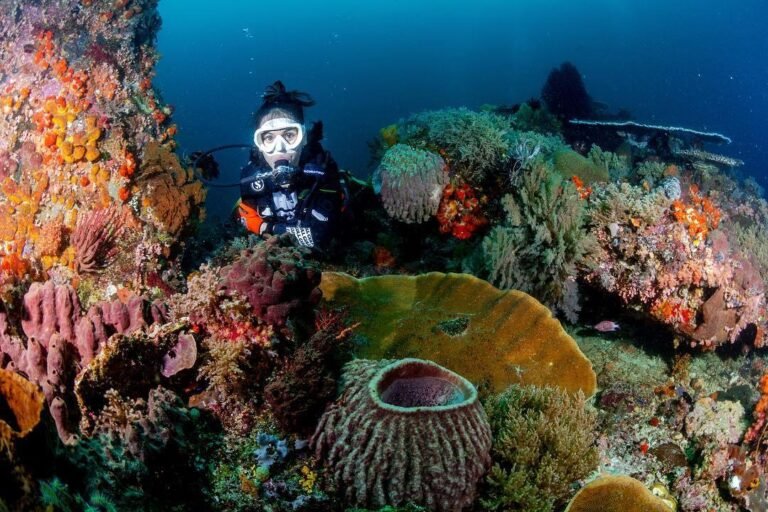
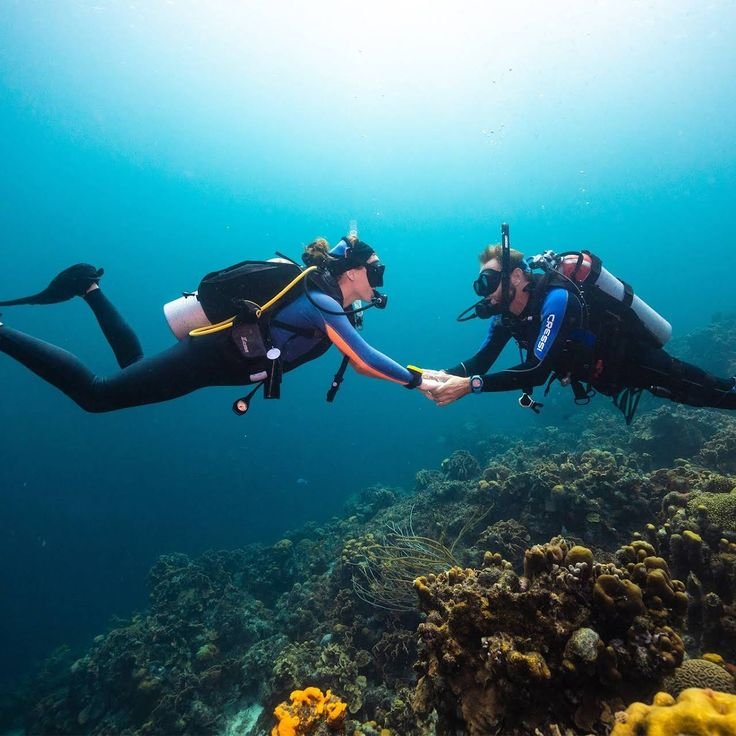
The warm tropical waters enveloping Komodo Island are a paradise for marine enthusiasts. The region boasts vibrant coral reefs that teem with life, making it one of the best diving and snorkeling destinations in the world. These reefs are alive with a myriad of species, including colorful fish, elusive manta rays, and even the majestic whale shark, which attracts divers from far and wide.
The biodiversity found in the waters off Komodo is remarkable. It is estimated that the region is home to over 1,000 species of fish, 260 species of coral, and an array of marine mammals. This rich marine ecosystem is a product of the meeting of the Pacific and Indian Oceans, creating a confluence that supports exceptional underwater conditions. The clarity of the water enhances visibility, allowing snorkelers and divers to fully appreciate the beauty and complexity of this underwater realm.
Additionally, the varying depths and underwater topographies around Komodo ensure that there is something for every level of experience. From calm bays to challenging currents, the waters provide a rich tapestry for exploration. As such, Komodo serves as an ideal destination for anyone looking to experience the wonders of marine life in Southeast Asia, making it an essential stop for diving and snorkeling enthusiasts.
Understanding the Seasons in Komodo
Komodo National Park, renowned for its incredible biodiversity and pristine marine environments, experiences a tropical climate characterized by distinct dry and wet seasons. These climatic shifts greatly influence not only the underwater visibility but also the overall diving and snorkeling conditions throughout the year.
The dry season, which typically lasts from April to December, is arguably the best time to engage in diving and snorkeling in Komodo. During these months, average temperatures hover between 27°C to 32°C (81°F to 89°F), with minimal rainfall, ensuring clear blue skies and reduced chances of inclement weather. These optimum conditions enhance water visibility, making it easier for divers and snorkelers to explore the vibrant coral reefs and abundant marine life.
Conversely, the wet season runs from January to March, bringing higher humidity and increased rainfall that can affect diving conditions. During this period, temperatures remain similar, ranging from 25°C to 30°C (77°F to 86°F), but visibility underwater can significantly diminish due to runoff and sediment disturbance. Although diving enthusiasts may still find favorable days during this season, it is crucial to be aware that stormy weather can lead to cancellations or altered schedules for diving trips.
visit package :Private & Small Group Snorkeling Tour Labuan Bajo Komodo
It is also worth noting that the ocean currents in Komodo can vary with the seasons, impacting not just visibility but also the presence of certain marine species at different times. experienced divers often suggest planning trips during the dry season to fully appreciate the unique underwater beauty the park has to offer. Understanding these climatic nuances is vital for travelers aiming for an unforgettable diving or snorkeling experience in the enchanting waters of Komodo.
Best Months for Diving and Snorkeling
When planning a diving or snorkeling trip to Komodo, timing can significantly influence the overall experience. The best months for diving and snorkeling in Komodo typically span from April to December. During this period, marine conditions are at their finest, offering divers and snorkelers a chance to witness the rich biodiversity that the Komodo National Park has to offer.
April marks the beginning of the dry season, characterized by calmer seas and improved visibility underwater. This month presents an excellent opportunity for divers as the waters are generally clearer, making it easier to spot intricate coral formations and the vibrant marine life that inhabits them. The post-monsoon marine environment in May continues to provide superb conditions, often being regarded as one of the peak months for visibility.
From June to August, the visibility remains excellent, and this period often coincides with the migration patterns of various species, including manta rays and sharks. The rise in water temperature also attracts a plethora of marine life, enriching the experience for both snorkelers and divers. It is during these months that underwater photographers will find the most opportune moments to capture the thriving aquatic ecosystems.
As the season continues into September and October, conditions maintain high visibility and optimal temperatures. Additionally, this time of year is known for the sporadic encounters with larger pelagic species. By November, however, conditions begin to shift, with the onset of the rainy season which may impact diving and snorkeling experiences. Thus, while some adventurers may still venture into the waters during this time, it is advisable to prioritize the months leading up to November for the best experiences.
Understanding Underwater Visibility and Conditions
Underwater visibility is a critical factor for diving and snorkeling experiences, as it significantly influences the quality of the adventure. In the pristine waters of Komodo National Park, visibility can vary significantly throughout the year. Typically, the visibility ranges from 15 to 30 meters, depending on seasonal changes and other environmental factors. It is essential for divers and snorkelers to be aware of these fluctuations to plan their trips effectively.
Several elements impact underwater visibility, including ocean currents, weather conditions, and the time of year. For instance, the months from April to December generally offer clearer waters, with reduced rainfall and calmer seas. Conversely, the rainy season from January to March often brings about turbulence and increases in sediment, reducing visibility. During these months, divers may encounter stronger currents, which can also affect clarity in the water. Planning excursions during the dry season can lead to more enjoyable experiences, allowing for unhindered observation of marine life.
In addition to seasonal variations, local weather patterns play a significant role. Windy days can stir up the surface waters, leading to decreased visibility, while calm, sunny days typically enhance clarity. It is advisable to check weather forecasts and choose diving sites sheltered from prevailing winds. Conditions such as strong currents or murky waters can deter best practices for diving and snorkeling, making it imperative to stay informed about local conditions and expert recommendations.
Overall, to have the best experience while diving or snorkeling in Komodo, it is recommended to consider these factors carefully and plan accordingly, aiming for periods of optimal underwater visibility for a remarkable exploration of the region’s diverse marine ecosystem.
Highlighting Marine Life Events by Season
When planning a diving or snorkeling trip to Komodo, understanding the seasonal marine life events is crucial for maximizing the experience. The waters around Komodo National Park are teeming with life, and different times of the year present unique opportunities to observe various marine species and their behaviors.
Starting in January, divers might have the chance to spot the spawning of certain coral species, a spectacular phenomenon that contributes to the biodiversity of the area. Moving into February and March, the conditions are ideal for witnessing the migration of manta rays. These majestic creatures are often seen gliding through the waters around Komodo, making it an excellent time for snorkelers and divers alike.
As the year progresses into April, the marine life becomes increasingly active. This month marks the beginning of the underwater festivities, with an array of species congregating to spawn. Subsequently, May is a pivotal month as it heralds the peak period for witnessing vibrant coral spawning; the nocturnal event paints the waters with a spectacular display of colors.
During the summer months of June through August, the visibility for divers is at its best, making it an opportune moment to explore. The waters are often frequented by large schools of fish, and encounters with species such as whale sharks become common. As the season transitions into September, the marine activity continues, although preparations for seasonal changes can be noted.
By October and November, the water temperatures start to cool, encouraging certain species to return to the area. This is a great time to dive at Komodo’s famed sites and experience the biodiversity that defines this region. Finally, December offers a wrap-up, with unexpected encounters and the chance to see various marine animals preparing for the upcoming year.
Weather Considerations for Diving and Snorkeling Trips
When planning a diving or snorkeling trip in Komodo, weather conditions play a crucial role in determining the overall experience. The region is characterized by a tropical climate, which can lead to variations in visibility and safety depending on the time of year. Understanding the prevailing weather patterns is essential for any diver or snorkeler seeking to maximize their adventure.
The Komodo National Park experiences a wet and dry season. The dry season, which typically spans from April to December, generally provides the best conditions for diving and snorkeling, with calm seas and stable temperatures. During this period, water visibility can exceed 30 meters, offering an unparalleled opportunity to explore the vibrant underwater ecosystems. Wind patterns during these months tend to be relatively mild, making for safe and enjoyable experiences.
Conversely, the wet season, from January to March, may present challenges. This period can witness increased rainfall and stronger winds, leading to choppy sea conditions. Storms can develop rapidly, creating potential hazards for those venturing into the water. Divers and snorkelers should remain vigilant and stay informed about local weather forecasts. It is advisable to consult with local dive operators who can provide insights on current conditions and suggest alternative sites that are sheltered from strong winds.
To mitigate the impact of adverse weather while on a diving or snorkeling trip, preparation is key. Travelers should pack appropriate gear, including waterproof jackets and safety equipment. Furthermore, being flexible with scheduling can enhance the likelihood of favorable conditions for diving and snorkeling. By taking these weather considerations into account, enthusiasts can ensure a safe, enjoyable, and memorable experience while exploring the rich biodiversity of Komodo’s underwater environment.
Necessary Preparations Before Diving or Snorkeling
Preparing for a diving or snorkeling trip in Komodo requires a thoughtful approach, ensuring that divers and snorkelers have an enjoyable and safe experience. First and foremost, it is advisable to book guided tours with reputable operators who have experience in the area. These tours often provide local expertise, which can enhance the overall adventure by identifying the best diving and snorkeling spots and ensuring compliance with safety regulations.
When it comes to equipment, travelers should assess their needs based on their skill level and comfort. While many tour operators supply gear such as masks, fins, and wetsuits, it may be beneficial to bring personal equipment for better fit and comfort. Ensuring that your gear is in good condition is crucial, as faulty equipment can lead to dangerous situations underwater. If you opt to rent equipment, confirm beforehand what is provided and the condition of that equipment.
Safety measures are paramount during any water-based activity. It is essential to review safety protocols before engaging in diving or snorkeling. Consider participating in safety briefings offered by tour operators, which often include tips on underwater navigation, identifying local marine life, and handling emergencies. Additionally, having an understanding of the local currents and environmental conditions of Komodo is vital.
Lastly, ensure to pack appropriately for your underwater excursion. Essentials might include biodegradable sunscreen to protect marine ecosystems, a waterproof camera to capture the breathtaking underwater scenery, and a lightweight dry bag to keep personal items safe from water exposure. Adequate hydration and snacks are also recommended, as a day on the water can be physically demanding.
Tips for Optimal Diving and Snorkeling Experiences
Engaging in diving and snorkeling in Komodo National Park can be an exhilarating experience, providing a unique glimpse into the rich marine biodiversity. To ensure a fulfilling adventure, proper planning is essential. Begin by checking the seasonal weather patterns and sea conditions, as these can significantly affect visibility and marine life encounters. The best time to dive is generally from April to December, when the waters are calm, and visibility can reach over 30 meters. It is advisable to schedule dives or snorkels early in the morning or later in the afternoon to avoid the crowds and enjoy the tranquility of the stunning underwater landscapes. Prioritize selecting a reputable dive operator that prioritizes safety and environmental responsibility. This not only enhances your experience but also ensures you contribute to the sustainable tourism efforts in this biodiverse region.
Etiquette in marine environments is crucial. Always respect the natural habitat, refrain from touching or disturbing the corals, and avoid collecting marine life or shells. Additionally, familiarizing yourself with the local marine regulations can enhance your understanding of the ecosystem. When diving or snorkeling at renowned sites like Castle Rock and Batu Bolong, it is vital to be aware of the strong currents; thus, engaging with an experienced guide is recommended. These sites are exceptional for spotting manta rays and vibrant reef fish, making them unmissable for any marine enthusiast.
By considering these tips, divers and snorkelers can maximize their enjoyment and ensure that their experience in Komodo’s pristine waters is both memorable and responsible.In reflecting on the best time for diving and snorkeling in Komodo, several critical elements emerge that contribute to an optimal experience. The unique marine biodiversity of Komodo National Park makes it a sought-after destination for underwater enthusiasts, but timing plays a significant role in maximizing the adventure. The dry season, from April to December, generally offers clearer waters and more stable weather conditions, ideal for both snorkeling and diving. During these months, visibility can reach impressive levels, allowing divers and snorkelers to fully appreciate the stunning coral reefs and diverse marine life.
Conversely, the wet season, which spans from January to March, may present challenges such as stronger currents and reduced visibility. However, it can also bring the opportunity to witness unique seasonal phenomena, including the migration of certain species. Understanding these seasonal variations is essential for planning a successful trip. Moreover, booking guided tours during peak times ensures that one benefits from the expertise of local guides who can navigate the best spots based on current conditions.
Ultimately, the choice of when to dive or snorkel in Komodo hinges on personal preferences, whether prioritizing optimal conditions or seeking unique experiences during the off-peak season. Regardless of the timing, embracing the underwater offerings of this vibrant ecosystem is a rewarding expedition that promises spectacular memories. Aspiring divers and snorkelers are encouraged to consider these insights and plan their journey accordingly. With the right timing, anyone can take the plunge into the underwater paradise of Komodo and create lasting memories of its breathtaking marine wonders.
Frequently Asked Questions (FAQs)
1. What is the best time for diving in Komodo National Park?
The best time for diving in Komodo National Park is from April to November, when the seas are generally calmer, underwater visibility is excellent, and marine biodiversity is at its peak.
2. Which months are best for snorkeling in Komodo?
Snorkeling is enjoyable throughout the year, but April to October offers the clearest water, calm conditions, and ideal weather for exploring coral reefs and swimming with tropical fish.
3. Can I see manta rays all year in Komodo?
Yes. Manta rays can be seen year-round, especially around Manta Point and Mawan. However, sightings are generally more frequent between December and March, although they are still common during other months.
4. What is the underwater visibility in Komodo?
Visibility typically ranges from 15 to 30 meters, depending on the season, weather, and dive site. During the dry season, visibility often exceeds 25 meters.
5. Is Komodo suitable for beginner divers?
Yes. Komodo offers dive sites for all experience levels. Beginners can enjoy calmer locations around Sebayur and Siaba, while experienced divers can explore challenging sites like Castle Rock and Batu Bolong.
6. What marine life can I see while diving in Komodo?
Divers and snorkelers can encounter manta rays, sea turtles, reef sharks, eagle rays, dolphins, colorful coral reefs, nudibranchs, giant trevallies, tuna, and more than 1,000 species of tropical fish.
7. Is snorkeling in Komodo worth it if I don’t dive?
Absolutely. Many of Komodo’s best reefs are shallow enough for snorkeling, making it easy to experience vibrant coral gardens, sea turtles, and schools of tropical fish without scuba diving.
8. What water temperature should I expect in Komodo?
Water temperatures generally range between 24°C and 29°C (75°F–84°F). Southern dive sites tend to be cooler due to nutrient-rich ocean currents.
9. What should I bring for a diving or snorkeling trip in Komodo?
Bring reef-safe sunscreen, swimwear, a towel, a reusable water bottle, a waterproof camera, sunglasses, a hat, and a light jacket. Certified divers should also bring their dive certification card and logbook.
10. How many days should I spend diving in Komodo?
A 3-day diving trip is ideal for exploring multiple world-class dive sites, while a 1-day trip is perfect for travelers with limited time who still want to experience Komodo’s incredible underwater world.