A Complete Guide to Labuan Bajo’s Climate and Weather
Labuan Bajo has transformed from a quiet fishing village into one of Indonesia’s premier travel destinations. As the main gateway to Komodo National Park, the town welcomes thousands of travelers every year who come to experience its breathtaking islands, world-class diving, iconic Komodo dragons, and spectacular sunsets. One of the most common questions travelers ask before booking their adventure is:
“When is the best time to visit Labuan Bajo?”
The answer depends on what kind of experience you’re looking for. Unlike destinations with four distinct seasons, Labuan Bajo experiences a tropical monsoon climate characterized by two primary seasons:
- Dry Season
- Rainy Season
Labuan Bajo experiences a tropical climate characterized by two main seasons: the dry season and the rainy season. The geographical location of Labuan Bajo, nestled between the Indian Ocean and the Flores Sea, plays a critical role in shaping its weather patterns. The proximity to these large bodies of water creates distinct seasonal changes, with temperature variations reflecting the influence of maritime air. During the dry season, which typically spans from April to September, Labuan Bajo enjoys clear skies and minimal rainfall, making it ideal for outdoor activities and tourism.

In contrast, the rainy season, occurring from October to March, brings increased precipitation and humidity levels. This period is essential for local agriculture, as the rain nourishes crops that are vital for the community’s sustenance. Understanding the nuances of Labuan Bajo’s climate is not only beneficial for planning travel itineraries but is also critical for local farmers and businesses. As residents and visitors alike navigate the seasonal shifts, recognizing the implications of the climate can foster a more enriching experience in this vibrant coastal town. Overall, comprehending Labuan Bajo’s unique weather dynamics is paramount to thoroughly enjoying all that this stunning region has to offer.
The Dry Season: Characteristics and Activities
The dry season in Labuan Bajo typically spans from April to October. During this period, the region experiences pleasantly warm temperatures, generally ranging from 25°C to 34°C (77°F to 93°F). This climate is characterized by lower humidity levels, which can drop to around 60%. These conditions contribute to a comfortable environment for various outdoor activities.
Rainfall is scarce during the dry season, with averages falling below 30 mm per month. As a result, the charm of Labuan Bajo’s landscapes is showcased beautifully, making it an ideal time for exploration. The lack of rain exposes the vibrant blue waters and the lush greenery of the islands surrounding this fishing town, ensuring that travelers can fully enjoy the natural beauty.
One of the most popular activities during the dry season is island-hopping. The crystal-clear waters allow for stunning views and easy access to several picturesque islands, such as Komodo and Padar. Snorkeling and diving are also favored during this time, as marine life thrives in the warm waters, offering enthusiasts a chance to observe diverse corals and various species of fish in their natural habitat.
In addition to water sports, the dry season facilitates hiking adventures. Trails on nearby islands provide opportunities to witness unique flora and fauna. As the dry season progresses, wildlife becomes more visible; species such as the Komodo dragon and various bird species can often be spotted. This season not only supports tourism but enriches the overall travel experience, making it a favorable choice for visitors.
Overall, the dry season in Labuan Bajo presents favorable conditions for travelers, encouraging both adventure and relaxation against the backdrop of this enchanting destination’s natural splendor.
The Rainy Season: Characteristics and Implications
Labuan Bajo experiences a distinct rainy season, typically occurring from November to March. During this period, the region is characterized by increased humidity and frequent rainfall. Average precipitation levels can vary significantly, with some months receiving an abundance of rain. Rainfall intensity tends to escalate during this time, accompanied by intermittent thunderstorms that can lead to heavy downpours. The temperature during the rainy season generally remains warm, often ranging between 25 to 30 degrees Celsius, but can feel cooler due to the effects of the rain and wind.
The implications of the rainy season are multifaceted, affecting various sectors including travel, agriculture, and local livelihoods. For travelers, understanding the dynamics of this season is crucial for planning their visit. While some may assume that heavy rain may hinder outdoor activities, there are still numerous attractions and experiences available. Popular activities during this season include visiting traditional markets, exploring local cuisine, and enjoying the vibrant marine life for which Labuan Bajo is renowned. It is advisable for tourists to prepare for potential delays due to weather but embrace the unique beauty the rainy season provides.
Agriculturally, the rainy season plays a vital role in enhancing crop yields. Local farmers utilize the increased rainfall to cultivate various staple crops, contributing to food security and economic sustenance within the community. However, challenges such as flooding and landslides can also pose risks to both livelihoods and infrastructure during heavy rains.
For travelers considering a visit during the rainy season, it is essential to pack appropriate rain gear and remain flexible with travel plans. Many of the area’s natural wonders, such as Komodo National Park’s lush landscapes and biodiversity, are at their most vibrant during this time. Thus, despite some challenges, the rainy season in Labuan Bajo offers both beauty and adventure for those willing to embrace its unique characteristics.
Where Is Labuan Bajo?
Located on the western tip of Flores Island in East Nusa Tenggara, Indonesia, Labuan Bajo serves as the primary entrance to Komodo National Park, a UNESCO World Heritage Site renowned for its extraordinary biodiversity.
The region is surrounded by:
- Komodo Island
- Rinca Island
- Padar Island
- Pink Beach
- Manta Point
- Taka Makassar
- Kanawa Island
- Sebayur Island
Its position between the Flores Sea and the Indian Ocean creates a unique marine environment where seasonal winds significantly influence weather, waves, underwater visibility, and boating conditions.
Understanding Labuan Bajo’s Tropical Climate
Unlike Europe or North America, Indonesia doesn’t experience spring, summer, autumn, or winter.
Instead, Labuan Bajo has two distinct seasons driven by the Asian-Australian monsoon system:
- Dry Season (approximately April to October)
- Rainy Season (approximately November to March)
The transition between these seasons isn’t abrupt. Some years, the rains arrive later or end earlier depending on larger climate patterns such as El Niño and La Niña.
Average daytime temperatures remain relatively stable throughout the year:
- Daytime: 29–34°C
- Evening: 24–27°C
- Sea temperature: 27–30°C
This consistency means you can enjoy warm weather in any month, though rainfall and sea conditions vary considerably.
Why Weather Matters in Labuan Bajo
Weather doesn’t just determine whether you’ll need a rain jacket—it shapes nearly every aspect of your trip.
The season can influence:
- Boat ride comfort
- Underwater visibility
- Hiking conditions
- Sunset quality
- Wildlife encounters
- Photography opportunities
- Flight reliability
- Tour availability
For example, calm seas during the dry season often make snorkeling and diving more comfortable, while the rainy season can bring lush green hills that create dramatic landscapes.
Understanding these seasonal differences helps you choose the best time for your priorities rather than simply following the busiest travel months.
The Dry Season in Labuan Bajo (April–October)
The dry season is widely regarded as the most popular time to visit Labuan Bajo.
This period is characterized by:
- Minimal rainfall
- Sunny skies
- Low humidity
- Comfortable hiking conditions
- Calm to moderate seas
- Excellent visibility for island views
For many international travelers, this season aligns with summer holidays, making it especially busy between June and August.
Weather Characteristics
Typical conditions include:
- Bright blue skies
- Little rainfall
- Fresh ocean breezes
- Cooler evenings compared with the wet season
- Consistent sunshine
These conditions make outdoor activities much more predictable.
Advantages of Visiting During the Dry Season
Perfect for Island Hopping
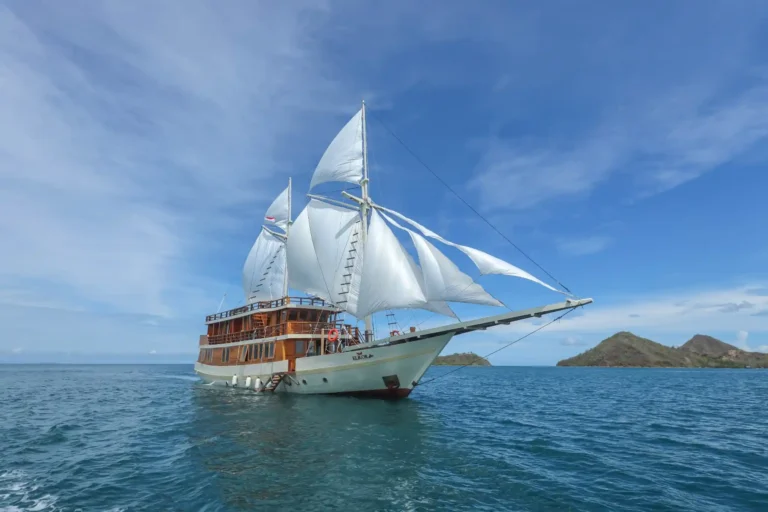
Most visitors come to explore multiple islands by speedboat or traditional Phinisi boat.
Calmer seas generally provide:
- More comfortable crossings
- Better safety margins
- Reliable itineraries
- Easier boarding
- Less chance of itinerary adjustments due to weather
This is one reason why many travelers choose multi-day sailing trips during this period.
Better Hiking Conditions
Padar Island is famous for one of Indonesia’s most iconic viewpoints.
During the dry season:
- Trails remain dry
- Rocks are less slippery
- Humidity is lower
- Sunrise hikes are more comfortable
The panoramic views are often crystal clear, making this one of the best times for landscape photography.
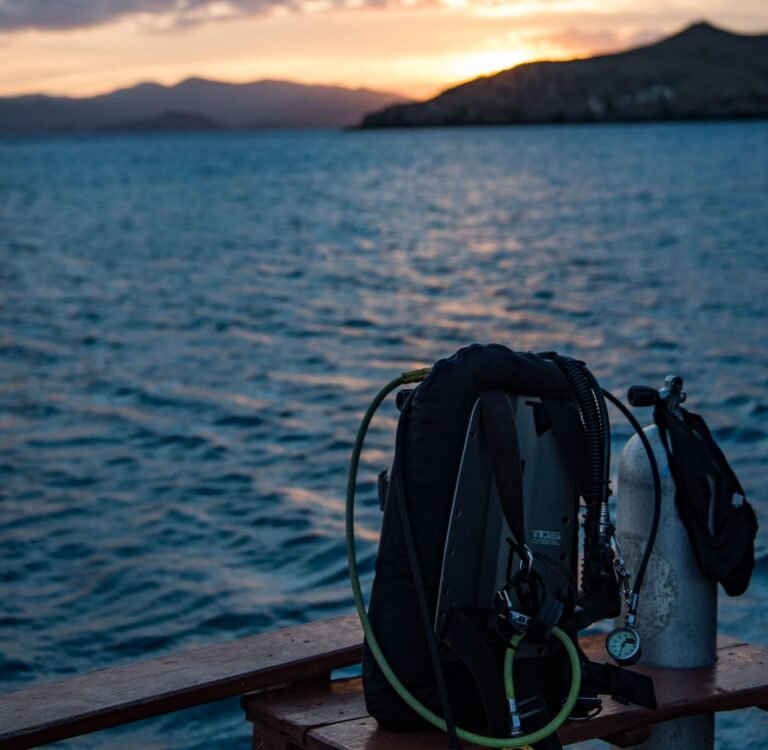
Incredible Sunsets
Labuan Bajo is known for spectacular sunsets.
Dry-season sunsets often feature:
- Golden skies
- Deep orange horizons
- Vibrant pink clouds
- Excellent visibility
Photographers particularly enjoy evening cruises around nearby islands during this season.
Comfortable Outdoor Activities
Many adventures involve spending long hours outdoors.
Examples include:
- Trekking
- Beach visits
- Kayaking
- Paddleboarding
- Wildlife observation
- Village tours
Lower humidity makes these experiences significantly more enjoyable.
Challenges During the Dry Season
Although many consider it the “best” season, it isn’t perfect.
More Visitors
Peak travel months often bring:
- Busier viewpoints
- Popular snorkeling sites with more boats
- Higher hotel occupancy
- Increased demand for liveaboards
- Earlier booking requirements
If you’re planning a honeymoon or private charter, booking several months in advance is recommended.
Drier Landscapes
One interesting surprise for first-time visitors is the appearance of Komodo’s hills. Toward August and September, many islands turn golden brown. While some travelers love this “savanna” look, others expect lush green hills and are surprised by the seasonal transformation. Neither landscape is better—they simply offer different aesthetics.
The Rainy Season in Labuan Bajo (November–March)
Many travelers mistakenly assume they should avoid Labuan Bajo during the rainy season. In reality, this period still offers many beautiful travel experiences.
Rain typically falls in short tropical showers rather than continuous all-day storms. A common weather pattern looks like this:
- Sunny morning
- Afternoon shower
- Clear evening
Of course, weather varies daily, but prolonged rainfall is less common than many visitors expect.
Characteristics of the Rainy Season
During these months, you’ll notice:
- Greener hills
- Higher humidity
- Occasional thunderstorms
- Warmer evenings
- Increased cloud formations
- Fresh vegetation
The islands become vibrant and colorful, creating a completely different atmosphere compared with the dry season.
Why Some Travelers Prefer the Rainy Season
Surprisingly, experienced visitors often choose these months intentionally.
Beautiful Green Landscapes
Perhaps the biggest advantage is the scenery. Instead of golden hills, you’ll see:
- Bright green grass
- Flourishing trees
- Colorful vegetation
- Dramatic cloud formations
For landscape photographers, this season provides an entirely different visual character.
Fewer Tourists
Compared with peak season, the rainy months often mean:
- Quieter beaches
- Less crowded viewpoints
- More peaceful trekking
- Better availability for accommodations
- Greater flexibility when booking tours
If you value tranquility over guaranteed sunshine, this can be an excellent time to visit.
Better Value
Outside major holiday periods, many hotels and tour operators offer attractive promotions.
Travelers may benefit from:
- Competitive room rates
- Seasonal packages
- Easier reservations
- More personalized service
However, prices vary depending on holidays such as Christmas, New Year, and Indonesian festive periods.
Common Misconceptions About the Rainy Season
Many people imagine constant heavy rain throughout the day. This isn’t usually the case. In tropical destinations like Labuan Bajo, weather often changes quickly. You may experience:
- Bright sunshine in the morning
- Passing rain in the afternoon
- Clear sunset skies
Because of this, many boat trips and island tours continue to operate successfully throughout the rainy season, though itineraries may occasionally be adjusted if sea conditions become unfavorable.
At Visit Labuan Bajo, safety always comes first. Local captains continuously monitor weather forecasts, tides, and wave conditions before every departure. If conditions are unsuitable, itineraries are modified to prioritize passenger safety while still delivering an enjoyable experience.
Month-by-Month Weather Overview
Although weather varies from year to year, this general guide helps travelers understand seasonal patterns.
| Month | General Conditions |
|---|---|
| January | Frequent rain, lush scenery, warm temperatures |
| February | Green landscapes, occasional storms |
| March | Transition toward drier weather |
| April | Beginning of dry season, pleasant conditions |
| May | Excellent weather, calm seas |
| June | Sunny skies, ideal for outdoor adventures |
| July | Peak travel season, dry and comfortable |
| August | Dry, golden hills, popular with international visitors |
| September | Great diving conditions and stable weather |
| October | Warm temperatures, beginning seasonal transition |
| November | Increasing rainfall, greener islands |
| December | Tropical showers, festive travel season |
This overview provides a starting point, but choosing the best month ultimately depends on your interests, activities, and travel style.
In the next section, we’ll explore how each season affects diving, snorkeling, marine life, Komodo dragon encounters, underwater visibility, photography opportunities, and sea conditions—helping you decide exactly when to experience the magic of Labuan Bajo.
Sea Conditions, Diving, Snorkeling, Wildlife, and Photography Seasons
How the Seasons Affect Sea Conditions in Labuan Bajo
One of the biggest differences between the dry season and the rainy season in Labuan Bajo is not the temperature—it is the condition of the sea.
Because most travelers explore Komodo National Park by boat, understanding wave patterns, ocean currents, and visibility can significantly improve your travel experience.
At Visit Labuan Bajo, our local team works closely with experienced captains, dive guides, and boat crews who monitor weather forecasts, tides, and sea conditions daily. Years of operating tours throughout the year have shown that every season offers unique advantages.
Sea conditions in Labuan Bajo are influenced by:
- Monsoon winds
- Tides
- Ocean currents
- Moon phases
- Local weather systems
These natural factors create different experiences for snorkeling, diving, island hopping, and photography.
Sea Conditions During the Dry Season (April–October)
The dry season is generally associated with more stable weather and calmer seas, especially between May and September.
Travelers often experience:
- Blue skies
- Moderate waves
- Better visibility
- Comfortable boat journeys
- Reliable schedules
This season is particularly popular for:
- Open trips
- Private speedboat tours
- Luxury Phinisi cruises
- Liveaboard diving trips
However, it is important to understand that Komodo National Park is famous for strong currents throughout the year.
These currents are not dangerous when activities are guided by experienced professionals, but they are one reason why choosing a reputable operator matters.
At Visit Labuan Bajo, guest safety always comes first, and itineraries are adapted according to current conditions.
Sea Conditions During the Rainy Season (November–March)
The rainy season brings changing weather patterns.
You may encounter:
- Passing rain showers
- Cloud formations
- Variable winds
- Occasional rough seas
Morning conditions are often calm, while afternoons can become more dynamic depending on the weather.
One advantage of traveling during this season is flexibility. With fewer visitors, travelers often enjoy more peaceful experiences at popular destinations.
Professional boat operators continuously monitor weather updates and adjust routes when necessary.
Safety should always take priority over fixed itineraries.
Diving in Labuan Bajo Throughout the Year
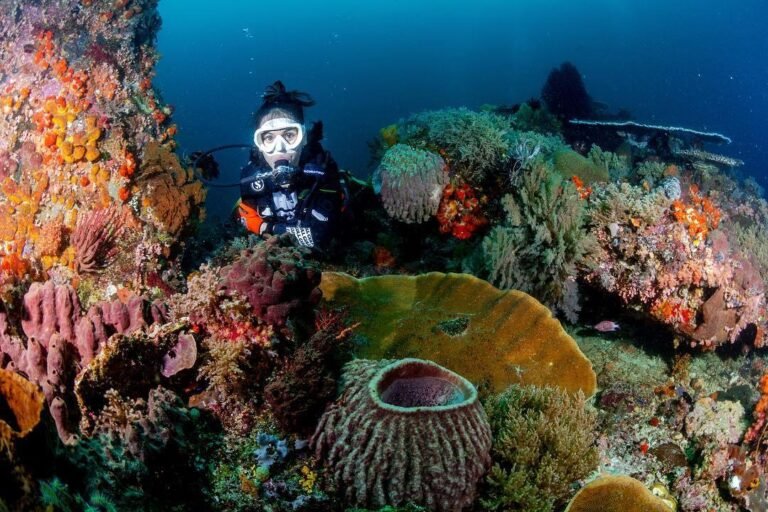
Labuan Bajo is recognized as one of the world’s premier diving destinations.
The waters surrounding Komodo National Park offer:
- Healthy coral reefs
- Large schools of fish
- Manta rays
- Sharks
- Turtles
- Macro marine life
- Dramatic underwater topography
Unlike some dive destinations with short seasons, diving in Komodo is possible year-round.
However, underwater conditions change depending on the month.
Dry Season Diving (April–October)
Many divers consider this period ideal because of:
- Excellent underwater visibility
- Cooler water temperatures
- Stable conditions
- Frequent manta ray encounters
Visibility often ranges between:
- 15–30 meters
- Occasionally more during optimal conditions
Popular dive sites include:
- Batu Bolong
- Castle Rock
- Crystal Rock
- Manta Point
- The Cauldron
- Tatawa Besar
During these months, nutrient-rich currents attract abundant marine life.
Divers frequently encounter:
- Giant trevallies
- Reef sharks
- Napoleon wrasse
- Tuna
- Manta rays
- Schools of fusiliers
For underwater photographers, this is often considered one of the best periods of the year.
Rainy Season Diving (November–March)
The rainy season offers a different underwater experience.
Many divers are surprised to discover that visibility can still be very good.
Benefits include:
- Fewer divers
- Less crowded dive sites
- Rich macro life
- Unique marine encounters
Water temperatures tend to be slightly warmer, usually around:
- 28–30°C
Macro photographers particularly enjoy this season because smaller marine creatures become easier to find.
Examples include:
- Nudibranchs
- Frogfish
- Seahorses
- Shrimp species
- Colorful reef fish
Every season provides opportunities for memorable dives.
The key is matching your expectations with the conditions.
Manta Ray Season in Labuan Bajo
One of the most frequently asked questions at Visit Labuan Bajo is:
“When can I see manta rays?”
The exciting answer is:
Manta rays can be seen throughout the year in Komodo National Park.
However, sightings depend on:
- Ocean conditions
- Food availability
- Currents
- Water temperature
Manta Point remains one of the best locations to observe these graceful animals.
During productive feeding periods, divers and snorkelers may encounter:
- Individual mantas
- Small groups
- Large feeding aggregations
Because wildlife is unpredictable, no operator can guarantee sightings, but Komodo remains one of Indonesia’s most reliable destinations for manta encounters.
Snorkeling Conditions by Season
Not everyone visits Labuan Bajo to dive.
Snorkeling is one of the most popular activities for families, couples, and first-time visitors.
The best snorkeling conditions generally include:
- Calm water
- Good visibility
- Mild currents
Popular snorkeling sites include:
- Taka Makassar
- Pink Beach
- Kanawa Island
- Manjarite
- Sebayur Island
Dry season advantages:
- Clear water
- Better visibility
- Comfortable surface conditions
Rainy season advantages:
- Fewer visitors
- Quiet snorkeling locations
- Beautiful green island scenery
Both seasons offer rewarding experiences.
Komodo Dragon Activity Throughout the Year
Komodo dragons are active all year.
Visitors can encounter them on:
- Komodo Island
- Rinca Island
However, weather influences hiking comfort more than dragon visibility.
Dry season trekking:
- Lower humidity
- Less muddy trails
- Cooler mornings
Rainy season trekking:
- Greener landscapes
- Higher humidity
- More dramatic scenery
All treks are conducted with trained park rangers who prioritize visitor safety.
Bird Watching and Wildlife Encounters
Labuan Bajo is not only about dragons and marine life.
The region also supports:
- Sea eagles
- Herons
- Kingfishers
- Fruit bats
- Deer
- Wild boars
One iconic experience is witnessing thousands of flying foxes leaving their mangrove habitat at sunset.
This natural spectacle is available year-round and often becomes a highlight for photographers.
Underwater Photography Season
Komodo is a dream destination for underwater photographers.
Dry season benefits:
- Better visibility
- Stronger contrast
- Large marine life
- Clear blue backgrounds
Rainy season benefits:
- Macro photography
- Unique creatures
- Fewer divers in frame
Photographers should consider:
- Water temperature
- Light conditions
- Current strength
- Seasonal marine activity
Many professional photographers return to Komodo repeatedly because conditions change throughout the year.
Landscape Photography in Different Seasons
The appearance of Komodo National Park changes dramatically with the seasons.
Dry Season Landscapes
Characteristics:
- Golden hills
- Dramatic shadows
- Clear horizons
- Deep blue oceans
Many photographers describe this look as:
“A tropical savanna surrounded by turquoise seas.”
Rainy Season Landscapes
Characteristics:
- Green hills
- Dense vegetation
- Dynamic clouds
- Soft lighting
This season creates a completely different atmosphere.
Neither is better.
The choice depends on personal preference.
Sunrise and Sunset Photography
Labuan Bajo offers excellent light for photographers.
Best sunrise locations:
- Padar Island
- Rinca viewpoints
- Boat decks
Best sunset locations:
- Kalong Island
- Private boats
- Labuan Bajo waterfront
Dry season sunsets tend to be:
- Bright
- Colorful
- Clear
Rainy season sunsets can produce:
- Dramatic cloud formations
- Soft golden light
- Unique sky textures
Photographers often appreciate both.
Which Season Is Better for Couples?
Couples visiting Labuan Bajo often seek:
- Privacy
- Beautiful scenery
- Comfortable weather
- Romantic experiences
Dry season advantages:
- Reliable weather
- Calm seas
- Clear sunsets
Rainy season advantages:
- Fewer crowds
- More availability
- Peaceful atmosphere
Private boat trips arranged by Visit Labuan Bajo can create memorable experiences in either season.
Expert Insight from Visit Labuan Bajo
After guiding travelers through Komodo National Park in every month of the year, one lesson becomes clear:
There is no single “perfect” season.
The best season depends on:
- Your interests
- Your travel style
- Your budget
- Your priorities
Choose the dry season if you prefer:
- Stable weather
- Clear skies
- Diving visibility
- Comfortable hiking
Choose the rainy season if you prefer:
- Green landscapes
- Fewer tourists
- Flexible travel
- Unique photography opportunities
Both seasons reveal different sides of Labuan Bajo’s beauty.
In Part 3, we will explore:
- Crowd levels
- Travel costs
- Accommodation prices
- Boat availability
- Budget planning
- Packing guides
- Safety tips
- How to choose the best month for your trip.
Which Season Is Best for You? Expert Recommendations from Visit Labuan Bajo
There Is No Single “Best” Season
One of the biggest misconceptions about visiting Labuan Bajo is that there is only one ideal time to travel.
The truth is much more interesting.
Every season offers a different perspective of Komodo National Park. Your perfect travel month depends on your interests, priorities, budget, and the type of experience you want to enjoy.
At Visit Labuan Bajo, we’ve helped thousands of travelers—from first-time visitors and families to professional photographers and experienced divers. Over the years, we’ve found that matching travelers with the right season often leads to a far more satisfying trip than simply recommending the most popular months.
Let’s explore which season is best for different types of travelers.
Best Season for First-Time Visitors
If this is your first trip to Labuan Bajo, the dry season (April to October) is often the easiest choice.
Why?
Because the weather is generally more predictable, making it easier to enjoy iconic attractions such as:
- Padar Island
- Pink Beach
- Komodo Island
- Taka Makassar
- Manta Point
First-time visitors often prefer:
- Sunny skies
- Calm seas
- Comfortable trekking
- Reliable boat schedules
These conditions reduce uncertainty and help travelers experience many of the destination’s highlights in a single trip.
Best Season for Couples and Honeymooners
Labuan Bajo has become one of Indonesia’s most romantic destinations.
Couples can enjoy:
- Private island picnics
- Sunset cruises
- Luxury Phinisi stays
- Romantic dinners onboard
- Stargazing at sea
- Snorkeling together in crystal-clear waters
Dry Season
Ideal for:
- Outdoor dining
- Scenic sunsets
- Island exploration
- Luxury sailing
Rainy Season
Perfect for couples seeking:
- Greater privacy
- Fewer tourists
- Peaceful beaches
- A slower travel pace
Many honeymooners intentionally choose shoulder-season months such as April, May, October, or early November to enjoy a balance between pleasant weather and fewer crowds.
Best Season for Families
Traveling with children requires additional planning.
Parents often prioritize:
- Calm boat rides
- Flexible itineraries
- Comfortable weather
- Easy hiking trails
- Safe snorkeling conditions
For these reasons, many families choose the dry season.
Children generally find outdoor activities more enjoyable when humidity is lower and rain is less likely to interrupt the day’s plans.
Booking a private boat through Visit Labuan Bajo also gives families greater flexibility to adjust schedules according to children’s needs.
Best Season for Divers
Komodo National Park is consistently ranked among the world’s best diving destinations. Experienced divers visit throughout the year because each season offers different underwater opportunities.
Dry Season Highlights
- Excellent visibility
- Cooler water
- Large pelagic fish
- Spectacular reef scenery
- Wide-angle underwater photography
Rainy Season Highlights
- Warm water
- Rich macro life
- Less crowded dive sites
- Unique marine biodiversity
Divers should remember that Komodo’s currents can be strong in any season.
Choosing a reputable dive operator with experienced local guides is essential.
Best Season for Snorkelers
Not every visitor is a certified diver.
Fortunately, Labuan Bajo offers exceptional snorkeling opportunities suitable for beginners and families.
If snorkeling is your priority, the dry season generally provides:
- Better surface visibility
- Calmer conditions
- Comfortable boat rides
Popular snorkeling locations include:
- Pink Beach
- Taka Makassar
- Kanawa Island
- Manjarite
- Sebayur Island
Even during the rainy season, many snorkeling sites remain enjoyable depending on daily weather conditions.
Best Season for Wildlife Enthusiasts
Komodo National Park is famous for much more than its legendary dragons.
Visitors may encounter:
- Komodo dragons
- Manta rays
- Green sea turtles
- Hawksbill turtles
- Reef sharks
- Dolphins
- Flying foxes
- Sea eagles
- Colorful reef fish
Wildlife sightings depend on natural conditions rather than the calendar.
Komodo dragons remain active throughout the year, while manta rays can be seen in every season, although their behavior changes with tides, currents, and food availability.
Nature is always unpredictable—that’s part of its beauty.
Best Season for Photographers
Photography enthusiasts often ask which season offers the most beautiful landscapes.
The answer depends on your artistic style.
Choose the Dry Season if You Prefer:
- Golden hills
- Blue skies
- Clear horizons
- High-contrast lighting
- Dramatic sunsets
Choose the Rainy Season if You Prefer:
- Vibrant green landscapes
- Moody clouds
- Soft natural lighting
- Lush vegetation
- Dramatic weather
Professional photographers frequently return to Labuan Bajo multiple times to capture both seasonal landscapes.
Best Season for Content Creators
Travel influencers, filmmakers, and drone pilots often seek visually diverse content.
During the dry season, creators can capture:
- Iconic turquoise waters
- Sharp aerial views
- Golden island landscapes
- Clear sunrise panoramas
During the rainy season, creators often appreciate:
- Green hills
- Atmospheric skies
- Less crowded viewpoints
- More flexibility when filming
Regardless of the season, always follow local regulations regarding drone use, especially within protected areas.
Shoulder Season: The Hidden Gem
While many people compare only the dry and rainy seasons, experienced travelers often recommend the shoulder season.
Typically occurring around:
- April
- May
- October
- Early November
These months often combine:
- Pleasant weather
- Moderate visitor numbers
- Beautiful scenery
- Good boat availability
- Comfortable temperatures
For many travelers, shoulder season offers the best balance between weather, value, and overall experience.
Local Insights from Visit Labuan Bajo
As a local tour operator based in Labuan Bajo, we’ve learned that flexibility is one of the most valuable qualities a traveler can have.
Weather forecasts are useful, but they don’t tell the whole story.
Our guides and captains consider:
- Daily wind direction
- Tide schedules
- Ocean currents
- Marine wildlife activity
- Port conditions
- Guest comfort and safety
Sometimes a small itinerary adjustment leads to an even better experience, whether it’s finding calmer waters for snorkeling or visiting a quieter island at the perfect time of day.
This local knowledge is difficult to replace with weather apps alone.
Final Recommendation Before You Book
Instead of asking:
“What is the best season?”
Ask yourself:
- Do I prefer fewer crowds or guaranteed sunshine?
- Is diving my highest priority?
- Do I want lush green landscapes or golden hills?
- Am I traveling with children?
- Am I celebrating a honeymoon?
- Is photography important to me?
- Do I value flexibility or fixed itineraries?
Answering these questions will help you choose the season that best matches your travel goals. At Visit Labuan Bajo, we believe every season has something extraordinary to offer. The key is selecting the right experience for the right time of year—and planning with knowledgeable local experts who understand the ever-changing conditions of Komodo National Park.