How to Easily Reach Komodo National Park
Komodo National Park, located in the heart of Indonesia, is renowned for its breathtaking landscapes and immense biodiversity. The park encompasses several islands, including Komodo, Rinca, Padar, and numerous smaller islets, covering an area of over 1,800 square kilometers. It was established in 1980 primarily to conserve the unique habitats of the Komodo dragon, the largest extant lizard on Earth, which can grow up to three meters in length. Furthermore, the park has earned its status as a UNESCO World Heritage Site due to its ecological significance and cultural importance.
This remarkable park is not merely a sanctuary for the formidable Komodo dragons, but it is also home to a vast array of flora and fauna. The diverse ecosystems within the park range from tropical forests to savannahs and marine habitats teeming with life. Visitors to Komodo National Park can marvel at various species, including manta rays, dolphins, and vibrant coral reefs, making it a favored destination for both wildlife enthusiasts and eco-tourists alike. The underwater landscape surrounding the islands offers some of the best diving sites globally, drawing in divers eager to explore its rich marine biodiversity.
Moreover, the park plays a crucial role in conserving its unique environments and the species that inhabit them. The management of Komodo National Park strives to balance eco-tourism with conservation efforts, ensuring that visitors can experience its natural wonders while safeguarding the habitat for future generations. Therefore, the allure of Komodo National Park lies not only in its majestic dragons but also in its importance as a living laboratory of evolution and conservation. This unique blend of features makes Komodo National Park a significant site for study, exploration, and inspiration for all who visit.
Best Time to Visit Komodo National Park
Determining the most suitable time to visit Komodo National Park can significantly enhance one’s experience, considering various factors such as weather conditions, sea currents, and tourist seasons. Broadly, the dry season from April to December is regarded as the best time for exploration. This period not only features sunny weather but also lower humidity levels, making outdoor activities more enjoyable.
Particularly, from April to June, visitors can enjoy optimal weather conditions. These months present clear skies and calm seas, ideal for snorkeling and diving. During this period, marine biodiversity is at its peak, offering magnificent underwater experiences, including sightings of unique species. Additionally, the trails are accessible, allowing for comfortable trekking through the park’s rugged terrains.
However, it is essential to be aware of the peak tourist seasons. July and August experience a significant influx of visitors because of school vacations in many countries. This influx may result in crowded areas, higher accommodation rates, and diminished opportunities for personal exploration. Despite the busy environment, the excitement of festivals and vibrant community activities may appeal to some travelers.

Visiting during the wet season, from January to March, presents both advantages and disadvantages. Although rainfall may hinder some activities, the park’s landscape transforms into a lush green paradise. Moreover, fewer tourists populate the park, creating a more intimate experience. Nonetheless, sea conditions can be unpredictable, which may affect sailing plans and access to certain dive sites.
In conclusion, the ideal time to visit Komodo National Park largely depends on personal preferences and desired activities. Balancing weather conditions against crowd levels will facilitate an enjoyable and memorable adventure in this unique natural wonder.
Getting to Labuan Bajo: The Gateway to Komodo National Park
Labuan Bajo serves as the primary access point to Komodo National Park, welcoming travelers from around the world who seek to explore this UNESCO World Heritage Site. Located on the western tip of Flores Island in Indonesia, Labuan Bajo is well-connected via various modes of transport. The most convenient way to reach Labuan Bajo is by air, with frequent flights available from major Indonesian cities.
Several domestic airlines operate flights to Labuan Bajo’s Komodo Airport (LBJ), with routes available from Bali, Jakarta, and Surabaya. Direct flights from Bali, for instance, take approximately one hour, making it an efficient option for visitors coming from the popular tourist destination. Travelers should book their flights in advance, especially during peak seasons, to secure the best fares and ensure availability.
In addition to air travel, Labuan Bajo can also be accessed by sea. Ferry services operate from nearby islands, including Bali and Lombok. These ferries offer a scenic journey across the waters, providing views of the stunning landscapes that characterize the region. The ferry ride from Bali to Labuan Bajo typically takes around 8 to 10 hours, depending on the service chosen. For those looking for a more adventurous option, speedboat services are also available, which significantly reduce travel time but may come at a higher cost.
Once in Labuan Bajo, visitors will find a variety of services and accommodations to suit different preferences and budgets. The town is vibrant and rich in local culture, providing a perfect start to any journey into the enchanting Komodo National Park. Effective planning for transportation to Labuan Bajo ensures a smoother transition to experiencing the remarkable wildlife and natural beauty of one of Indonesia’s most renowned destinations.
Choosing the Right Boat Tour to Komodo National Park
When it comes to exploring the stunning landscapes and rich biodiversity of Komodo National Park, selecting the appropriate boat tour is crucial. There are various types of tours available, and understanding these options can enhance your visit significantly. One popular choice is the day trip, ideal for those with limited time or who prefer to stay on land after their adventure. These tours typically depart from Labuan Bajo in the morning and return in the late afternoon, offering brief excursions to key sights such as Komodo Island and Pink Beach.
For those looking for a more immersive experience, liveaboard tours are highly recommended. These multi-day trips allow travelers to explore remote areas of the park, engage in activities such as snorkeling and diving, and enjoy the flexibility of visiting multiple locations without the constraints of a hurried schedule. Liveaboards often provide comfortable accommodations and meals, making them a great option for enthusiasts who want to fully experience the marine life and landscapes of Komodo.
When booking a boat tour to Komodo National Park, it is essential to consider several factors. First, evaluate the reputation of the boat operators; seek reviews and testimonials to gauge customer satisfaction. Look for operators that adhere to safety regulations, offer knowledgeable guides, and maintain their vessels well. Additionally, take into account the size and type of the boat, as larger vessels may offer more stability in rough seas, while smaller boats can provide a more intimate experience.
Lastly, ensure that the tour includes activities that align with your interests, whether that be hiking, wildlife watching, or underwater exploration. Selecting the right boat tour not only facilitates an enjoyable visit to Komodo National Park, but it also contributes to responsible tourism, supporting conservation efforts and local communities.
Navigating Entry and Park Regulations
To visit Komodo National Park, travelers must be informed of the entry requirements and park regulations that govern this unique ecosystem. The park, renowned for its stunning landscapes and diverse wildlife, including the iconic Komodo dragon, enforces specific rules to ensure the conservation of its natural resources and the safety of its visitors.
Upon arrival, guests are required to pay an entrance fee, which contributes to the maintenance of the park and its facilities. As of the latest guidelines, the fee structure may vary depending on the type of visitor, whether local or international. The tickets can often be purchased at park entrance points or through authorized tour operators, who may also assist with securing any necessary permits that are required for special activities such as guided treks or diving excursions.
In addition to the entrance fee, visitors should be aware of the park’s regulations. These rules encompass various aspects such as designated trails for hiking, restrictions on wildlife interaction, and guidelines for waste disposal. For example, feeding or disturbing the Komodo dragons is strictly prohibited, as such actions can lead to adverse effects on both the animals and their environment. Visitors are also encouraged to remain within established areas to minimize their impact on sensitive habitats.
Overall, adherence to Komodo National Park’s regulations is paramount for preserving its unique biodiversity. Respecting these rules not only protects the delicate ecosystem but also enhances the quality of the visitor experience, allowing everyone to enjoy the natural beauty of this UNESCO World Heritage site responsibly. As you plan your visit, be sure to familiarize yourself with the latest guidelines to ensure a safe and enjoyable adventure in this remarkable setting.
Exploring Komodo Island and Rinca Island
Komodo National Park, renowned for its rich biodiversity and stunning landscapes, encompasses several islands, the most prominent being Komodo Island and Rinca Island. These islands serve as the primary destinations for visitors eager to witness the impressive Komodo dragon in its natural habitat. Both islands offer unique experiences, making them essential stops for travelers.
On Komodo Island, adventure-seekers can embark on designated hiking trails that navigate through picturesque scenery, allowing for the opportunity to encounter the famed Komodo dragons. Guided tours are typically available, providing invaluable insights into the habitat and behaviors of these remarkable reptiles. The trails vary in difficulty, accommodating both seasoned hikers and those seeking a more leisurely experience, ensuring that everyone can appreciate the island’s natural beauty.
Rinca Island, slightly smaller yet equally captivating, is another hotspot well-regarded for its wildlife. The island features fewer visitors and shallower hiking paths, which makes it an excellent choice for those seeking solitude and a deeper connection with nature. Treks on Rinca Island also offer the chance to observe diverse wildlife, including deer, and numerous bird species, alongside the iconic Komodo dragons. Like Komodo, guided tours on Rinca are common, enabling visitors to fully engage with the pristine environment and learn from knowledgeable guides about the delicate ecosystem of these islands.
Both Komodo and Rinca Islands also provide multiple opportunities for photography, with breathtaking views of the landscape and wildlife encounters that are sure to be memorable. Overall, these islands significantly contribute to the allure of Komodo National Park, making them vital components of any visit to this UNESCO World Heritage site.
Snorkeling and Diving Opportunities
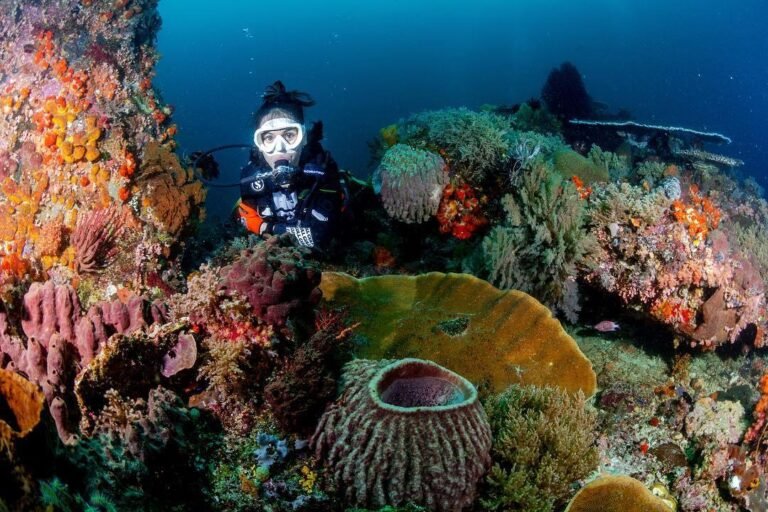
Komodo National Park is renowned for its exceptional snorkeling and diving opportunities, attracting marine enthusiasts from around the globe. With crystal-clear waters and a plethora of vibrant marine life, this destination offers an unparalleled underwater adventure. The park features various dive sites catering to both beginners and seasoned divers, making it accessible to all skill levels.
Among the most popular dive sites are Manta Point, famous for the majestic manta rays, and Castle Rock, known for its stunning currents and diverse fish species. These sites provide unique experiences, showcasing the rich biodiversity that thrives in the waters surrounding Komodo. Divers can witness everything from colorful coral reefs to large pelagic species, including sharks and turtles, creating unforgettable encounters.
For those new to diving, local dive schools offer guided tours and training programs to ensure a safe and enjoyable experience. It is advisable for beginners to choose locations with calm waters and gentler currents, such as Pink Beach or the shallow reefs around Kanawa Island, which promote comfort and confidence in a new environment. Experienced divers can explore more challenging sites, where the currents deliver exhilarating surface action alongside abundant marine life.
While snorkeling is an equally captivating option, it allows visitors to appreciate the beauty of the underwater world without diving equipment. Many tours provide the opportunity to snorkel over vibrant coral gardens, offering glimpses of the stunning biodiversity lurking just beneath the surface. Whether scuba diving or snorkeling, it is crucial to practice responsible and sustainable tourism to protect the delicate ecosystems within Komodo National Park.
Accommodation Options in Labuan Bajo
Labuan Bajo, the gateway to Komodo National Park, offers a diverse range of accommodation options suitable for various preferences and budgets, making it an ideal destination for travelers. From backpackers seeking economical stays to affluent tourists in search of luxurious resorts, the choices abound.
For budget-conscious travelers, Labuan Bajo presents several affordable hostels and guesthouses. These establishments often provide basic amenities, comfortable bedding, and a friendly atmosphere where guests can meet fellow adventurers. Affordable options such as the La Boheme hostel or Flores Lodge emphasize value for money, with prices conducive to extending one’s stay and exploring the beautiful surroundings without breaking the bank.
For those looking for a mid-range experience, numerous boutique hotels and homestays are available. Such accommodations typically offer more amenities compared to budget options, enhancing the overall visitor experience. Places like the Bayview Garden Hotel and Puri Sari Beach Hotel are popular choices, providing comfortable rooms, enhanced service, and often a view of the stunning Flores Sea, allowing guests to unwind after an adventurous day.
For travelers desiring a touch of luxury, Labuan Bajo does not disappoint. High-end resorts such as Sudamala Suites & Villas and Ayana Komodo Resort provide premium experiences complete with exquisite dining, pools, spas, and unparalleled service. These resorts often feature breathtaking views of the ocean, making them perfect spots for relaxation in a tranquil environment.
Choosing the right accommodation in Labuan Bajo is essential for an enjoyable trip to Komodo National Park. Assessing personal preferences, desired amenities, and budget constraints will aid in finding the most suitable place to stay, setting the stage for an unforgettable adventure in this remarkable destination.
Travel Tips for Visiting Komodo National Park
Visiting Komodo National Park can be an unforgettable experience, but being well-prepared is essential for a smooth journey. Here are some practical travel tips for prospective visitors to make the most of their trip.
First and foremost, it’s important to pack appropriately for the diverse activities available within the park. Lightweight, breathable clothing is recommended, especially due to the tropical climate. Comfortable hiking shoes are essential for those planning to trek on the islands, while swimwear is a must for snorkeling or diving excursions. Don’t forget to wear a wide-brimmed hat and pack sunscreen to protect yourself from the sun’s intensity.
When exploring Komodo National Park, safety should be a top priority. Visitors should always be cautious around the famous Komodo dragons, as they can be dangerous if approached recklessly. It is advisable to follow the park rangers’ guidelines, who will accompany you during dragon sightings to ensure your safety. Additionally, when swimming or snorkeling, always be aware of strong currents and marine life to avoid accidents.
Cultural etiquette is also vital to respect local customs when visiting the nearby islands. Engaging with the local communities can enrich your experience, so greeting locals respectfully is appreciated. It is customary to ask permission before taking photos of individuals or their properties. Furthermore, consider purchasing handmade crafts or traditional items as souvenirs, which supports the local economy and reflects appreciation for local culture.
In conclusion, preparing adequately for your trip to Komodo National Park through appropriate packing, following safety guidelines, and respecting local customs can enhance your visit significantly. By taking these travel tips to heart, you can ensure a memorable and respectful experience in one of the world’s most remarkable natural wonders.