Backpacker’s Guide to Dive Courses in Komodo
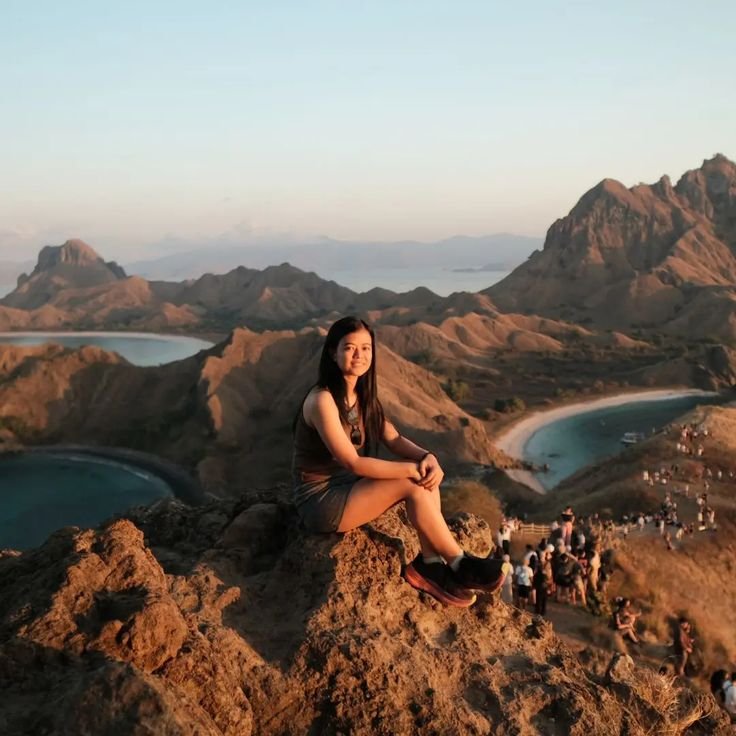
Komodo, an enchanting archipelago located in Indonesia, is renowned for being a premier diving destination, attracting backpackers and diving enthusiasts from around the globe. The area’s remarkable marine biodiversity and stunning underwater landscapes make it an essential stop for those seeking adventure beneath the waves. Komodo National Park, a UNESCO World Heritage Site, encompasses several islands celebrated for offering some of the finest dive sites worldwide.
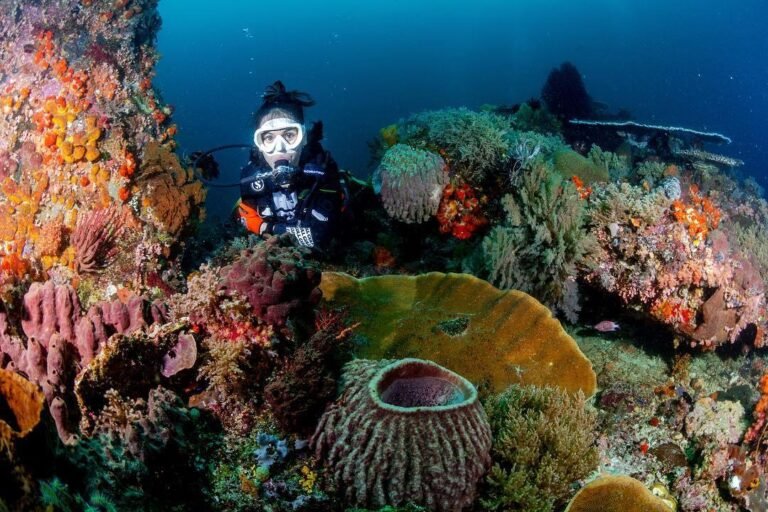
The unique geographical location of Komodo creates an ideal environment for a rich variety of marine life. The waters surrounding the islands are nourished by the convergence of the Indian and Pacific Oceans, fostering a complex ecosystem that supports over 1,000 species of fish, 260 coral species, and numerous other marine organisms. Divers can expect to encounter remarkable creatures such as manta rays, hawksbill turtles, and diverse species of reef fish. This extravagant biodiversity, coupled with dramatic underwater topography, ensures that every dive offers an unforgettable experience.
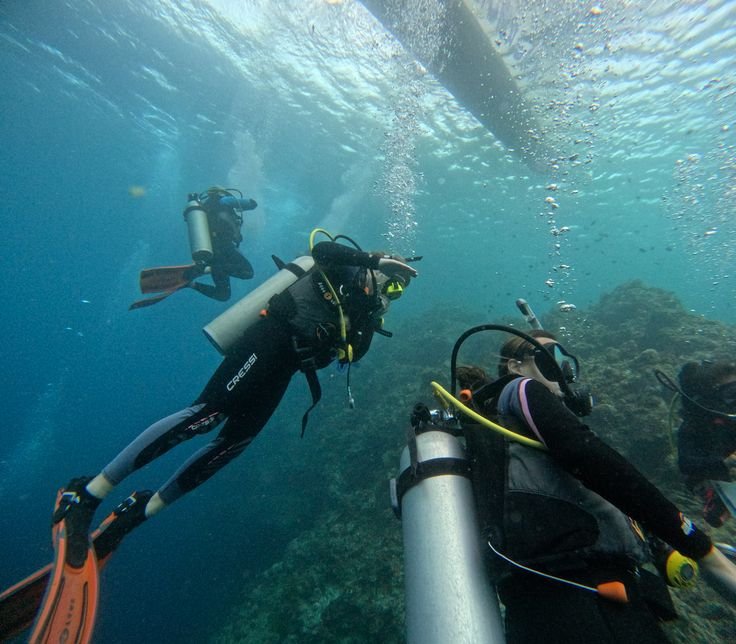
Among the most coveted dive sites in Komodo is the famous Batu Bolong, where divers can explore vibrant coral gardens and glide alongside schools of fish amidst stunning underwater rock formations. Moreover, sites such as Castle Rock and Lipah Bay provide exhilarating conditions for diving, combining current-dominated experiences with the chance to see larger pelagic species. These diverse environments cater to divers of varying skill levels, ensuring accessibility for newcomers while also offering challenges that seasoned divers crave.
In conclusion, Komodo’s underwater realm is an unparalleled destination for diving aficionados, showcasing extraordinary biodiversity and dramatic marine environments. Its unique charm invites everyone to experience the thrills of underwater exploration, making it an essential part of any backpacker’s itinerary. As you prepare for your adventure, consider the vast opportunities that Komodo’s waters have to offer in your pursuit of diving mastery.
Understanding Dive Courses and Certifications
Diving is an exhilarating way to explore the underwater world, and obtaining the right certification is crucial for safety and skill development. When it comes to dive courses, several options cater to varying experience levels, with the most common being the Open Water Diver Course and the Advanced Open Water Diver Course. The Open Water Diver certification, often regarded as the gateway to diving, allows adventurers to dive independently or with a buddy. In this course, participants learn essential skills such as buoyancy control, underwater navigation, and dive planning while completing confined water training and open water dives.
After achieving the Open Water certification, divers have the option to pursue the Advanced Open Water Diver Course. This program is designed to expand their diving knowledge and skills through specialty dives, including night diving, wreck diving, and deep diving. It enhances the diver’s confidence and prepares them for a wider range of underwater environments, ultimately opening the door for more advanced dive experiences.
Acquiring a diving certification from reputable organizations such as the Professional Association of Diving Instructors (PADI) or Scuba Schools International (SSI) is highly recommended. These organizations establish global standards for diver training, ensuring that diver courses are conducted by qualified instructors. Certifications from PADI and SSI are recognized internationally, which allows certified divers to dive in various locations around the world without the need for additional training. Moreover, these certifications emphasize safety, dive theory, and ecologically responsible diving practices. Therefore, selecting a dive course from a respected organization not only enhances the diver’s skill set but also promotes a commitment to sustainable diving and respect for marine environments.
Top Dive Schools and Operators in Komodo
Komodo is renowned for its vibrant marine life and stunning underwater landscapes, attracting divers from all over the globe. Several dive schools and operators in the region stand out for their commitment to quality training, safety, and environmental conservation. Below is a review of some reputable options.
1. komodoscubadive
Blue Marlin Dive is one of the oldest and most respected dive schools in Komodo. They offer a range of courses from beginner to professional levels, including Open Water and Advanced Open Water certifications. Their instructors are highly qualified and emphasize safety in all diving activities. Additionally, Blue Marlin Dive promotes eco-friendly practices, ensuring that divers engage responsibly with the marine environment. They provide quality rental equipment tailored to various diving conditions.
2. Komodo Dive Center
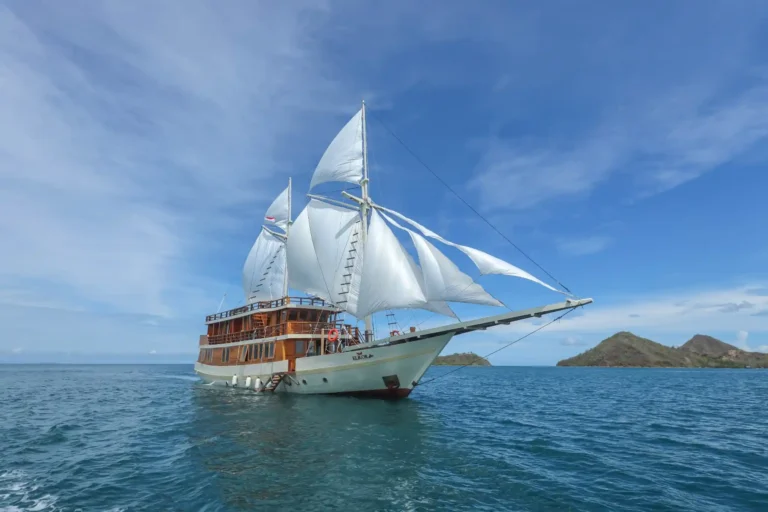
Known for their personalized service, Komodo Dive Center provides a range of diving courses designed for both novices and experienced divers. Their team consists of passionate instructors who prioritize safety and environmental awareness. The center has a fleet of well-maintained boats equipped with modern amenities for a comfortable diving experience. They also organize guided dives to some of the most spectacular dive sites in the Komodo region.
3. Dive Komodo
Dive Komodo prides itself on its small group sizes, ensuring personalized attention and a safe diving atmosphere. They offer a comprehensive array of dive courses and have a strong focus on conservation education. Their instructors are not only certified but also deeply knowledgeable about the marine ecosystem, making each dive informative and engaging. The rental equipment provided is of high quality, catering to diverse needs.
All three dive schools mentioned maintain high standards in safety, and they are committed to preserving the delicate marine environment of Komodo. Their approach integrates training with environmental stewardship, making them excellent choices for divers interested in both skill development and ecological responsibility.
Essential Gear and Equipment for Diving
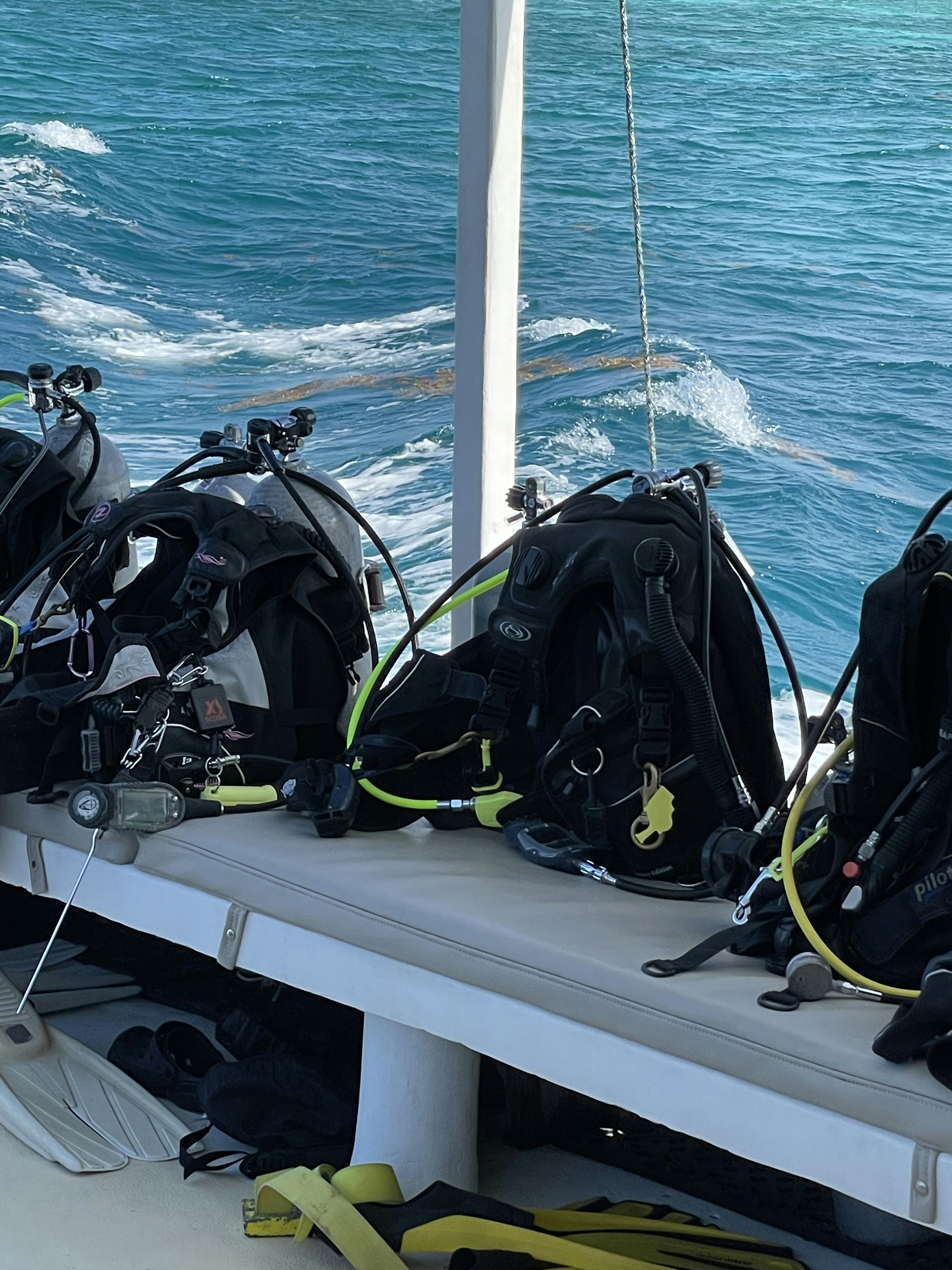
Diving is an exhilarating activity that allows individuals to explore the vibrant underwater world, particularly in a stunning location such as Komodo. However, for a safe and enjoyable experience, possessing the right gear and equipment is absolutely essential. While many dive schools provide basic equipment to participants, understanding what to expect and what to bring can enhance your diving experience significantly.
The most critical piece of gear for any diver is the wetsuit, which provides thermal protection and buoyancy. In warm waters like those found around Komodo, a short wetsuit or a rash guard may suffice. These suits are not only designed for comfort but also protect against coral cuts and stings from marine life. When selecting a wetsuit, consider factors such as the thickness, fit, and overall comfort to ensure an adequate range of motion while diving.
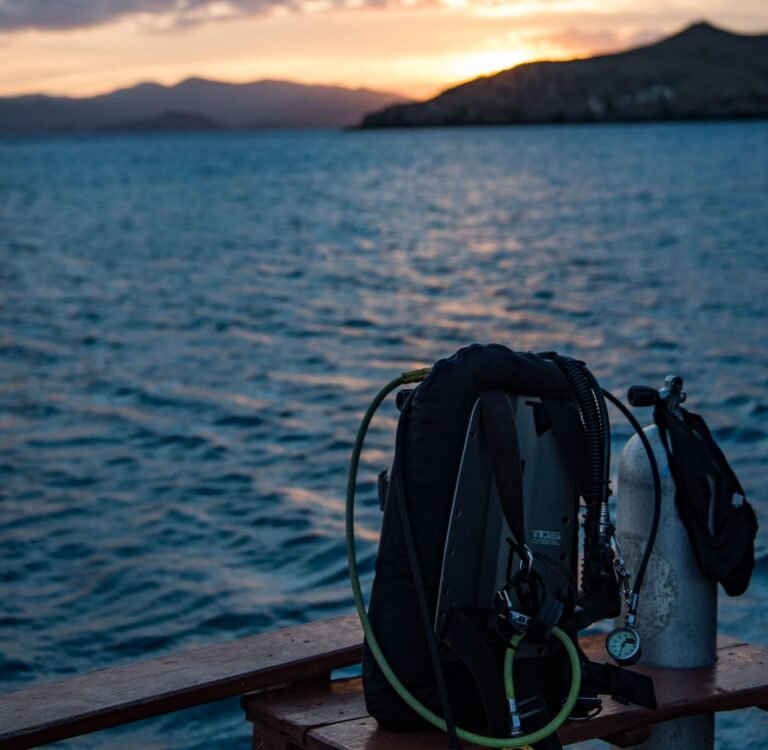
Regulators are another vital component of dive gear, as they allow divers to breathe from the oxygen tank. The regulator manages the flow of air from the tank to the diver’s mouth and must be properly maintained for safety reasons. Most dive schools will provide high-quality regulators, but it is advisable for backpackers who dive frequently to invest in their own for better comfort and reliability.
Oxygen tanks come in various sizes and are essential for breathing underwater. Typically supplied by dive schools, these tanks should be checked for pressure and compatibility with the regulator. Backpackers should also consider carrying dive computers or dive watches, which track depth and time underwater, crucial for managing dive safety and avoiding decompression sickness.
Aside from the basics, other helpful items include fins for propulsion, a mask for clear vision, and a snorkel for surface breathing. A dive bag for storage and transport of your gear is also recommended. Overall, being equipped with the right gear not only makes your dive more enjoyable but ensures your safety while exploring the stunning waters of Komodo.
Best Dive Sites in Komodo National Park
Komodo National Park, renowned for its rich marine biodiversity, offers some of the most extraordinary dive sites in the world. Among the must-visit locations, Castle Rock stands out. This dive site is known for its strong currents, which attract a plethora of marine species. Divers can expect to encounter large schools of snapper, trevally, and even the occasional whitetip reef shark. The underwater topography features stunning rock formations, providing an exhilarating experience for both novice and experienced divers alike.
Another highlight is Crystal Rock, a site famous for its vibrant coral gardens and diverse marine life. Upon descending, divers are often greeted by colorful reef fish darting among the corals, while larger pelagic species, such as manta rays and barracudas, are frequently sighted. The crystal-clear waters offer exceptional visibility, allowing divers to fully appreciate the intricate details of the underwater ecosystem. Potential challenges include mild currents, making it essential for divers to be aware and prepared.
Manta Point is a favored spot for divers keen on witnessing these graceful giants of the ocean. During certain times of the year, multiple manta rays can be seen gliding through the water. The best time to visit this site is during the cleaning stations where these creatures come to get rid of parasites. Aside from mantas, divers might also encounter a variety of reef sharks and impressive marine life amid the coral formations, which adds an enchanting aspect to the dive.
In summary, Komodo National Park’s dive sites like Castle Rock, Crystal Rock, and Manta Point present incredible opportunities to explore vibrant marine life and unique underwater landscapes. As each site offers distinct experiences and diverse marine interactions, divers will find themselves immersed in the natural beauty that this underwater paradise has to offer.
Safety Tips for Divers
Safety is paramount for anyone diving in the beautiful waters of Komodo. New divers should always begin their experience by conducting thorough pre-dive checks. This involves confirming the functionality of their dive equipment, including checking regulators, buoyancy control devices, and ensuring that tanks are filled and functioning properly. Each diver should perform a “buddy check” with their dive partner, reviewing each other’s equipment and confirming readiness before entering the water. This interactive safety measure not only bolsters confidence but also fosters teamwork.
Hydration also plays a critical role in ensuring the safety of divers. It is essential to stay well-hydrated before and after a dive. Dehydration can heighten the risk of decompression sickness, an ailment that divers must take seriously. Therefore, make sure to drink plenty of water throughout the duration of your trip. Avoid excessive consumption of alcohol and caffeinated beverages, which can contribute to dehydration.
Additionally, divers should be watchful for signs of pressure sickness, which can manifest as joint pain, dizziness, and shortness of breath. An awareness of these symptoms can prompt divers to ascend to the surface slowly and safely. Knowing one’s limits is equally important; divers should not push themselves into deeper dives without adequate training or experience. Each individual’s comfort level with depth and dive conditions should be respected. Remember that fostering a commitment to personal safety and the safety of others is essential in creating a positive diving experience in Komodo. By adhering to these basic safety protocols, divers can help ensure their adventures are enjoyable and memorable.
Budgeting for Dive Courses in Komodo
Diving in Komodo is an unforgettable experience, but it can also come with a significant price tag. Understanding the costs involved is essential for anyone planning a diving trip on a budget. The primary expenses to consider include course fees, equipment rental, and potential travel costs.
Generally, dive course fees in Komodo can vary widely depending on the provider and the type of course selected. Introductory courses, which are suitable for beginners, typically start around $200. For more advanced certifications, such as the PADI Open Water course, expect to pay upwards of $450. When choosing a dive school, it’s important to research different options and compare what each offers to ensure you receive the best value for your money.
In addition to the course fees, divers will need to budget for equipment rental. While some dive schools include equipment in their packages, others may charge separately for it. Renting gear, including wetsuits, fins, masks, and tanks, can cost approximately $30 to $50 per day. To save on these costs, consider bringing your own gear. Many experienced backpackers opt to invest in a reliable mask and snorkel, which can be reused on several trips.
A great way to cut overall expenses while diving in Komodo is to book package deals that combine multiple dives or courses, often at a discounted rate. Keep a lookout for promotions or consider traveling during the off-peak season when prices are generally lower. Another tip for backpackers is to connect with other travelers to share costs for accommodation or diving trips, creating a more economical experience.
In conclusion, careful planning and smart budgeting can make diving in Komodo accessible even for those on a tight budget. By considering course fees, equipment rental, and potential savings strategies, you can enjoy all that this stunning diving destination has to offer without breaking the bank.
Responsible Diving Practices
Diving in the breathtaking waters of Komodo is an exhilarating experience, but it is crucial for divers to embrace responsible diving practices to protect the marine environment. These practices not only enhance the diving experience but also ensure the preservation of the diverse ecosystems that reside beneath the surface. Understanding the importance of environmental conservation is key to fostering a sustainable diving culture.
One of the primary guidelines is to minimize physical touch with marine life and coral reefs. Many divers may not be aware that even slight contact can cause significant damage to delicate coral structures. It is advisable to maintain a safe distance from corals and marine creatures. By practicing buoyancy control, divers can hover effortlessly without making contact with the seafloor or reefs. This technique allows divers to admire the beauty of the underwater world while ensuring that they do not inadvertently disturb it.
Additionally, reducing the use of single-use plastics and other hazardous materials during diving trips is paramount. Divers should carry reusable containers for food and drinks and ensure that any waste is taken back to the surface and disposed of responsibly. This practice not only minimizes marine pollution but also sets a positive example for fellow divers and local communities.
Furthermore, engaging with local conservation initiatives represents a vital aspect of responsible diving. By participating in programs aimed at protecting marine habitats, divers can contribute to the ongoing efforts to preserve the natural beauty of Komodo. This includes supporting initiatives such as underwater clean-ups and advocacy for marine protected areas.
In conclusion, adopting responsible diving practices is essential for the protection of Komodo’s marine ecosystems. By being mindful of our actions underwater, we can ensure that future generations will also have the opportunity to experience the vibrant life that exists beneath the waves.
Diving Adventures Await in Komodo
As we reach the end of this guide on dive courses in Komodo, it is essential to reflect on the incredible opportunities that await intrepid backpackers in this stunning region of Indonesia. Komodo is not just a destination; it is an experience that captures the essence of underwater exploration and natural beauty. Its pristine waters offer a diverse marine ecosystem, making it a prime location for both novice and experienced divers alike.
The coral reefs surrounding Komodo are alive with vibrant colors and a myriad of marine life. From the majestic manta rays gliding through the currents to the elusive Komodo dragon basking on the shores, each dive offers a glimpse into a world teeming with life. By enrolling in dive courses, backpackers will not only gain invaluable skills but will also immerse themselves in the local culture and develop an appreciation for the delicate underwater environment.
Equipped with the knowledge and experience gained from certified instructors, divers can safely explore famous dive spots such as Batu Bolong and Castle Rock, known for their breathtaking underwater scenarios. The visibility in Komodo is arguably some of the best, allowing for encounters with the fascinating creatures that inhabit these waters. Whether you are seeking the thrill of drift diving or the serenity of macro photography, Komodo has something for everyone.
In closing, we encourage all backpackers to take the plunge and embark on an unforgettable diving journey in Komodo. With its awe-inspiring seascapes and exhilarating dive courses, your adventures here will foster memories that last a lifetime. Don’t just travel; dive into the wonders of Komodo and discover a world like no other!