Labuan Bajo and Its Marine Wonders
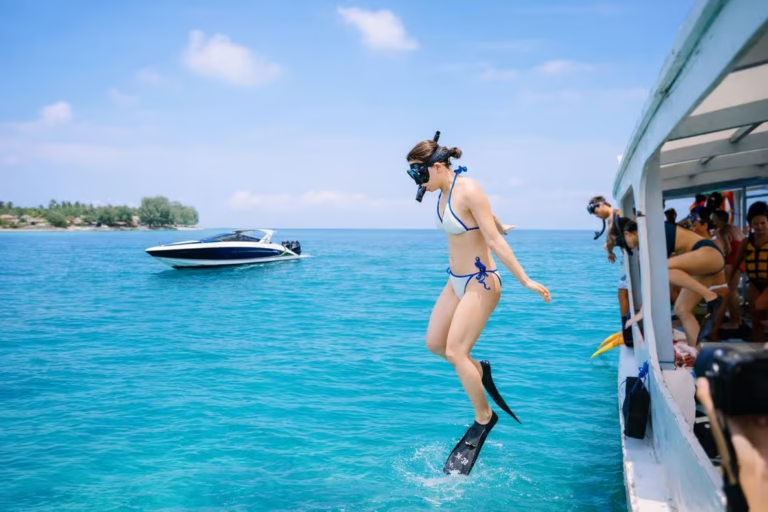
Labuan Bajo, a small fishing town located on the western tip of Flores Island in Indonesia, serves as a significant gateway to the renowned Komodo National Park. Positioned between the islands of Komodo and Rinca, Labuan Bajo is not only a charming destination but also a crucial launching point for adventures into protected marine areas. With its strategic location, it attracts an influx of tourists and nature enthusiasts seeking to explore the rich natural treasures of the region.
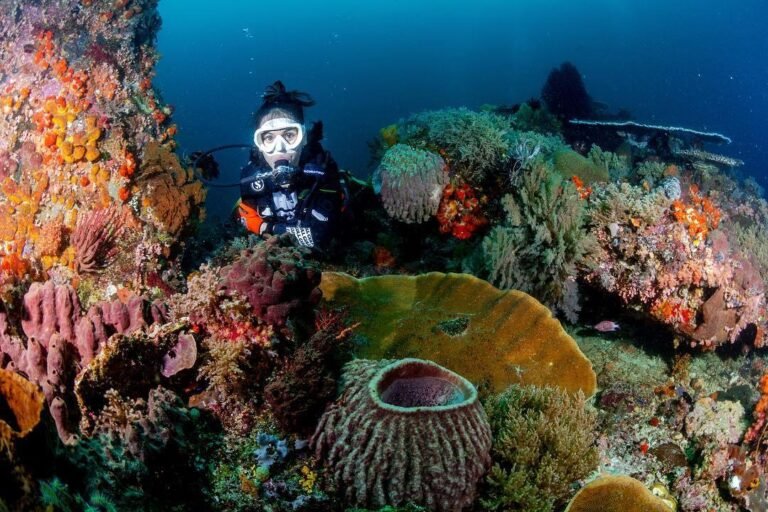
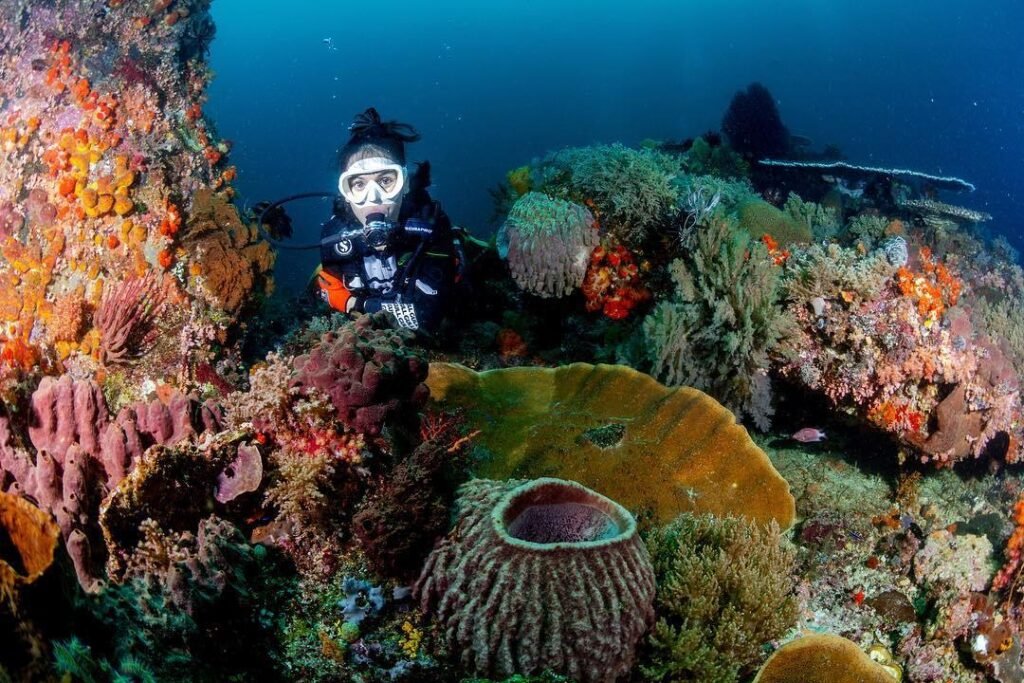
The waters around Labuan Bajo are famous for their biodiversity, particularly the vibrant coral reefs that lie beneath the surface. These reefs are part of the Coral Triangle, a region recognized as the global epicenter of marine biodiversity. The diverse ecosystems here harbor more than 500 species of coral and over 1,000 species of fish, making it an underwater paradise for divers and snorkelers alike. These marine wonders not only sustain a variety of marine life but also support local fishing communities.
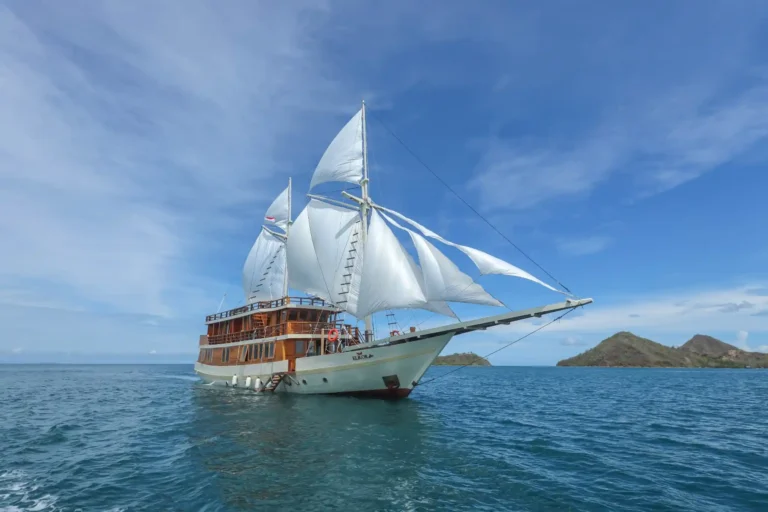
As visitors embark on boat trips from Labuan Bajo, they encounter an array of unique underwater landscapes, including dramatic drop-offs, colorful coral gardens, and pristine sandy beaches. The warm, clear waters provide ideal conditions for observing marine life, from majestic manta rays to the elusive sea turtles. Consequently, Labuan Bajo has gained recognition as a premier diving destination, attracting both beginners and experienced divers eager to experience the enchanting underwater world.
In conclusion, the combination of Labuan Bajo’s stunning natural beauty, vibrant marine ecosystems, and convenient access to the Komodo National Park makes it an essential destination for those seeking to explore some of the best coral reefs in the world. With its rich marine biodiversity, Labuan Bajo stands out as a must-visit location for nature enthusiasts and adventure seekers.
The Importance of Coral Reefs
Coral reefs are among the most diverse and productive ecosystems on the planet, playing a vital role in maintaining ecological balance. They provide essential habitat for a myriad of marine species, contributing to global biodiversity. Approximately 25% of all marine life depends on coral reefs, underscoring their significance in supporting various fisheries. This biodiversity is not only crucial for ecological stability but also contributes to the resilience of marine ecosystems against environmental changes.
Beyond their ecological significance, coral reefs serve as natural barriers that protect coastal communities from the impacts of storms and erosion. They dissipate wave energy, reducing the force that reaches shorelines and thereby safeguarding human settlements, agricultural lands, and infrastructure. This protective function is particularly important in regions prone to tropical storms and rising sea levels, which are exacerbated by climate change.
For many local communities, coral reefs are vital sources of livelihood. Fisheries that thrive in coral reef environments provide food and employment opportunities for millions of people worldwide. The sustainable management of these resources is crucial, as overfishing and destructive fishing practices jeopardize the health of the reefs and, consequently, the livelihoods dependent on them.
However, coral reefs face numerous threats, predominantly from climate change, which leads to coral bleaching and habitat loss. Other pressures include pollution from agricultural runoff and urban development, as well as the detrimental impacts of overfishing. These combined stresses endanger the fragile ecosystems and the communities relying on their resilience. Addressing these challenges through conservation and sustainable practices is necessary to ensure that coral reefs continue to thrive and provide their myriad benefits to our planet.
Top Coral Reefs in Labuan Bajo
Labuan Bajo, a picturesque fishing town located in East Nusa Tenggara, Indonesia, is renowned for its stunning marine biodiversity and vibrant coral reefs. Among the most significant coral reefs in the area are Batu Bolong, Pink Beach, and Manta Point, each presenting unique underwater experiences.
Batu Bolong is often heralded as one of the top diving locations in Labuan Bajo. This reef features a dramatic underwater wall that plunges into deep waters, offering an abundance of marine life. Divers can witness schools of colorful fish, intricate coral formations, and the occasional appearance of larger species such as sharks and barracudas. The diverse ecosystem at Batu Bolong includes both hard and soft corals, making it a vital habitat for various marine organisms.
Pink Beach is an exquisite site known not just for its unusual pink sand but also for its thriving coral ecosystems. Visitors to this beach can engage in snorkeling, where they will encounter vibrant coral gardens teeming with diverse species, including clownfish and sea turtles. The warm, clear waters make for an enchanting experience, offering a perfect opportunity to observe the delicate balance of marine life within the coral environment.
Manta Point, as the name suggests, is famous for the majestic manta rays that frequent the area. The underwater topography provides an excellent backdrop for observing these graceful creatures as they glide through the waters. Manta Point is also home to an array of coral species and reef fish, creating a spectacular scene that attracts snorkelers and divers alike. The interactions between the mantas and the vibrant corals exemplify the beauty of marine ecosystems.
Each of these coral reefs plays a crucial role in maintaining the ecological balance of the waters around Labuan Bajo. By exploring these remarkable sites, visitors not only enjoy the beauty of the marine world but also support the ongoing conservation efforts in this pristine part of Indonesia.
Diving and Snorkeling Conditions
Labuan Bajo, located in Indonesia, serves as a gateway to some of the most remarkable coral reefs in the world, making it a sought-after destination for diving and snorkeling enthusiasts. The ideal conditions for underwater exploration primarily hinge on the water temperature, visibility, and the seasonal patterns that dictate aquatic life.
The water temperature in Labuan Bajo is consistently warm, averaging between 26°C to 30°C (79°F to 86°F) throughout the year, which is comfortable for both divers and snorkelers. This range promotes vibrant marine ecosystems and diverse coral formations. Additionally, the visibility in these waters can vary considerably; however, it typically remains excellent, ranging from 15 to 30 meters (49 to 98 feet). Such clarity greatly enhances the experience, allowing divers and snorkelers to appreciate the stunning marine biodiversity that inhabits these waters.
The best time to visit Labuan Bajo for diving and snorkeling purposes extends from April to December. During these months, the conditions are generally more favorable, with calmer seas and enhanced visibility. Particularly, the months from June to September are regarded as peak season, attracting countless tourists eager to explore the underwater paradise. However, divers and snorkelers should remain vigilant, as safety is paramount when engaging in water activities. It is advisable to always dive with a buddy and to be aware of local currents and tides, which can pose risks.
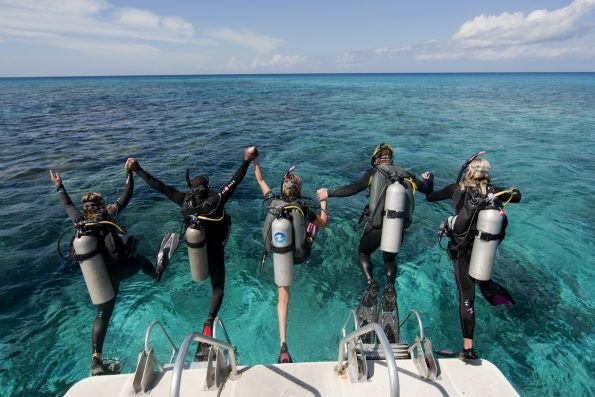
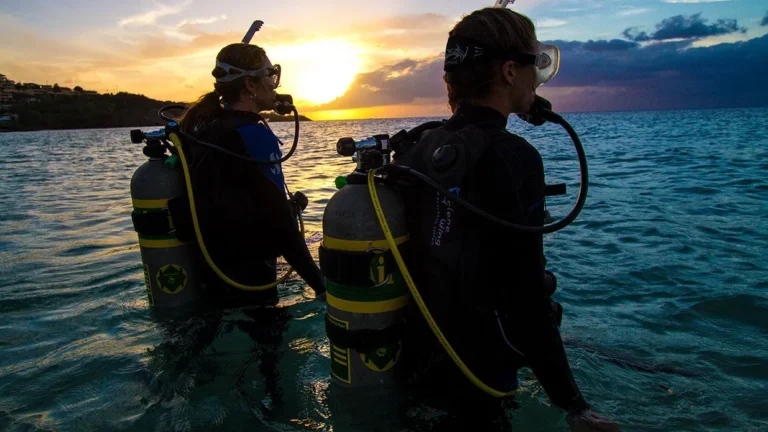
Moreover, participants should ensure they are equipped with proper gear and consider getting certified if engaging in deep dives. Regularly checking equipment and familiarizing oneself with potential hazards, including marine life and environmental conditions, can enhance safety and enjoyment during these exhilarating underwater adventures.
Equipment and Gear Recommendations
Exploring the vibrant coral reefs of Labuan Bajo requires appropriate equipment and gear to ensure both safety and enjoyment. First and foremost, a quality wetsuit is essential to protect against the varying water temperatures and to provide buoyancy while snorkeling or diving. Depending on personal comfort preferences, a shorty wetsuit or a full wetsuit can be selected, with thickness varying according to environmental conditions. Typically, wetsuits with a thickness of 3mm are suitable for tropical waters.
Next, diving masks play a crucial role in underwater exploration. Selecting a mask that fits well is vital to prevent leakage. Full-face masks offer an alternative for those seeking a different experience, allowing for easier breathability while witnessing marine life up close. Moreover, pairing the mask with a pair of fins will enhance mobility and ease the exploration of the reef, allowing one to cover more area efficiently.
For photography enthusiasts, an underwater camera is highly recommended to capture the stunning marine biodiversity. Whether using a compact camera with an underwater housing or a dedicated underwater camera, having the right settings and knowledge of underwater photography will yield beautiful results. Additionally, a floating wrist strap could prevent the camera from sinking if it slips out of your grasp.
In Labuan Bajo, various shops specialize in renting out or selling diving and snorkeling gear. Popular options include Blue Marlin Dive and Scuba Junkie, where one can find reliable equipment tailored for underwater adventures. For those who prefer purchasing gear, the local markets feature several choices tailored for both novices and seasoned divers.
Sustainable Practices for Coral Reef Conservation
Coral reefs are vital ecosystems that provide numerous ecological functions and support marine biodiversity. However, they are increasingly threatened by human activities, particularly through unsustainable tourism practices. To ensure the preservation of these delicate environments, it is imperative that both divers and snorkelers adopt sustainable practices when exploring coral reefs in Labuan Bajo.
One of the fundamental ways to conserve coral reefs is to avoid physical contact with the coral. Divers and snorkelers should be mindful of their movements and maintain a respectful distance from the reef structures, as even light contact can cause significant damage to the corals. Additionally, using flotation devices or buoyancy control can help prevent unintentional touching which poses a risk to these delicate organisms.
Another critical aspect of sustainable coral reef tourism is to refrain from collecting marine life or coral fragments. Taking shells or corals from reefs not only diminishes their beauty but also disrupts the ecosystem. Instead, individuals should focus on observing and appreciating these natural wonders without the urge to remove them from their habitat.
Furthermore, it is essential to minimize pollution in marine environments. Divers and snorkelers can contribute to coral reef conservation by properly disposing of trash, such as water bottles and packaging, before engaging in recreational activities. Carrying a reusable bag to collect any waste encountered while exploring can significantly reduce marine pollution.
Lastly, choosing eco-friendly tour operators that prioritize reef conservation can greatly enhance sustainable tourism efforts. These operators often follow best practices to protect coral reefs and educate their clients about responsible behaviors. By making informed decisions and adopting mindful practices, visitors to the coral reefs of Labuan Bajo can enjoy these breathtaking ecosystems while ensuring their longevity for future generations.
Local Dive Operators and Tours
Labuan Bajo, renowned for its stunning coral reefs and vibrant marine life, is home to a variety of dive operators and tour companies that cater to both novice and experienced divers. These operators provide an essential service to tourists seeking to explore the underwater treasures of the region while ensuring safety and environmental responsibility.
One of the well-regarded dive operators is komodoscubadive.com, which has been operating in Labuan Bajo for many years. This company offers comprehensive dive packages that include guided tours to the most revered coral reefs in the area, such as Komodo National Park and Padar Island. Various packages are available, ranging from single dives to multi-day liveaboard excursions, catering to the different preferences and skill levels of divers.
Another notable operator is Fishok Eco Diving, which focuses on sustainable diving experiences. They offer small group dives to minimize environmental impact while providing educational insights into the local marine ecosystem. Their commitment to conservation ensures that divers can enjoy the best coral reefs while contributing to their preservation.
For those interested in day trips, Jakarta Dive Network suggests several tailored tour packages that include snorkeling and diving at prime locations. They emphasize ease of access to the best coral reefs, ensuring that visitors have a seamless experience, from transportation to equipment rental. Moreover, localized knowledge provided by experienced guides enriches each dive with meaningful context about the marine habitats.
While selecting a dive operator or tour company in Labuan Bajo, it is important to consider reviews, safety standards, and available services. Engaging with local dive operators not only enhances the diving experience but also strengthens the community’s economy and marine conservation efforts. Ultimately, discerning travelers will find reputable companies ready to facilitate their adventure into the mesmerizing underwater world.
Marine Wildlife Spotlight: What to Expect Underwater
Labuan Bajo, located in the stunning region of Flores, Indonesia, serves as a gateway to some of the world’s most exceptional coral reefs. These reefs are teeming with an array of marine wildlife, captivating divers and snorkelers alike. The underwater ecosystems here are not just a spectacle of color; they represent a vital part of global biodiversity.
One of the most striking features of Labuan Bajo’s reefs is the extensive variety of fish species. From the vibrantly colored clownfish darting among anemones to the regal parrotfish grazing on coral, the diversity is a true feast for the eyes. Additionally, larger species such as barracudas and groupers are often spotted by more adventurous divers, offering exhilarating encounters that showcase the dynamic nature of these underwater habitats.
Perhaps more captivating are the encounters with sea turtles. Several species, including the endangered green and hawksbill turtles, are frequently seen gliding gracefully through the crystal-clear waters. As these magnificent creatures navigate through the reefs, they provide a glimpse into the delicate balance of marine life that thrives in this ecosystem. Observing them in their natural habitat is a profound reminder of the need for conservation efforts.
Moreover, Labuan Bajo’s reefs are also home to a variety of invertebrates, such as vibrant sea stars, intricate sea urchins, and captivating nudibranchs. These unique creatures add to the fascinating tapestry of life under the sea, drawing the attention of marine enthusiasts and researchers alike. Each dive or snorkeling trip presents an opportunity to witness the intricate relationships between these species, enhancing one’s appreciation for the complexities of marine ecosystems.
Understanding this rich biodiversity is crucial, as it fosters a deeper connection to these underwater marvels and underscores the importance of protecting these fragile environments. Engaging with the vibrant life forms beneath the waves not only enriches the explore experience but also contributes to ongoing conservation efforts in the region.
Conclusion and Call to Action
Labuan Bajo, with its stunning coral reefs, offers a unique opportunity for visitors to connect with the vibrant underwater ecosystem. These coral reefs not only showcase the breathtaking beauty of marine life but also play a crucial role in maintaining ecological balance. They support diverse species, help in coastal protection, and serve as a significant resource for local communities. For anyone seeking adventure, exploration of the coral reefs in Labuan Bajo should be on the itinerary.
As you experience the rich underwater landscapes, it is vital to remember the importance of eco-friendly practices. Engaging in responsible diving and snorkeling activities ensures the preservation of these delicate ecosystems for generations to come. Travelers can actively participate in conservation initiatives, support local communities, and opt for tour operators that prioritize sustainable practices.
We encourage you to plan your journey to Labuan Bajo, where the beauty of the coral reefs awaits. Whether you are an avid diver or a casual snorkeler, the engaging underwater experiences will leave lasting memories. Take the time to appreciate these natural wonders, respect the marine environment, and make choices that contribute to conservation efforts. Your visit not only enriches your own experiences but also supports the ongoing efforts to protect the coral reefs in Labuan Bajo.
In conclusion, visiting the coral reefs in Labuan Bajo is not just about witnessing their beauty but also about embracing a broader sense of responsibility towards our planet. Join the movement towards sustainable tourism and make your journey an impactful one.