Understanding PADI Certification
PADI, or the Professional Association of Diving Instructors, is recognized globally as a premier diving certification organization. Obtaining a PADI certification ensures that divers have undergone comprehensive training and assessment, which is essential for safe and enjoyable diving experiences. Divers of all skill levels can pursue various PADI courses tailored to their specific needs, ranging from beginner to professional levels. These courses cover essential topics such as underwater navigation, buoyancy control, and emergency response, significantly contributing to a diver’s proficiency and safety.
The importance of certification in the diving world cannot be overstated. A PADI certification not only validates a diver’s skills but also enhances their confidence, especially when exploring new underwater environments. Certified divers are equipped with the knowledge and skills to handle unexpected situations, making them safer participants in diving activities. This sense of security is vital, especially in diverse locations like Labuan Bajo, where marine conditions can change rapidly and pose challenges even for experienced divers.
Moreover, holding a recognized PADI certification expands the scope of diving opportunities. Many dive operators and resorts around the world only permit diving activities to certified individuals due to safety regulations. This global recognition means that divers with PADI credentials can explore some of the most beautiful and remote diving sites across the globe, from coral reefs to shipwrecks, with confidence. Thus, not only does PADI certification provide essential skills, but it also opens doors to countless adventurous experiences in the underwater realm.
Choosing the Right Dive School in Labuan Bajo
When planning to achieve PADI certification in Labuan Bajo, selecting the appropriate dive school is a crucial step in the process. The right dive school not only enhances your learning experience but also ensures your safety during training. Several factors merit consideration when choosing a dive school.
Firstly, researching online reviews is vital to assess the reputation of dive schools. Websites specializing in user-generated feedback can provide insights into past students’ experiences. Look for consistent praise about the quality of instruction, professionalism, and overall safety of the school. Additionally, personal recommendations from fellow divers or travel forums can be invaluable, as they often highlight reliable dive centers.
Instructors’ qualifications should also be a significant factor in your decision-making process. Prospective students should confirm that instructors possess the necessary credentials and experience, including certifications from recognized organizations such as PADI. Qualified dive instructors typically have extensive experience both diving and teaching, contributing to a safe and enriching educational environment.
Furthermore, examining the safety records of a dive school is essential. A responsible dive center takes safety seriously, adhering to industry standards and maintaining their equipment professionally. Schools should be transparent about their safety protocols and training practices. You may inquire about the dive school’s emergency procedures, the condition of the dive gear provided, and if they carry insurance.
Finally, evaluate the course offerings available, ensuring they align with your PADI certification goals. Different dive schools may specialize in various courses, from beginner to advanced levels, as well as specialty courses like underwater photography or wreck diving. Some recommended dive schools in Labuan Bajo, such as Blue Marlin Dive and Flores Diving, are known for their excellent training programs and adherence to safety practices. Conducting thorough research on these aspects will lead you to the dive school best suited for your certification needs.
The PADI Certification Process Explained
Obtaining a PADI (Professional Association of Diving Instructors) certification in Labuan Bajo is an enriching experience that combines theoretical knowledge with practical skills. The process begins with signing up for a PADI course, which can vary based on the level of certification you wish to achieve, such as Open Water Diver, Advanced Open Water Diver, or specialty courses.
Before enrolling, potential divers must meet specific prerequisites. Generally, candidates should be at least 10 years old for the junior levels of certification and should possess basic swimming skills. It is crucial for participants to have a reasonable level of fitness, as diving requires physical capability. Additionally, PADI requires a medical statement indicating that the individual is fit to dive, which may necessitate consultation with a medical professional.
The PADI certification process comprises three main parts: theoretical knowledge, confined water training, and open water training. The theoretical knowledge can be completed online or through in-person classes, lasting approximately 10-12 hours. This segment involves studying diving principles, safety procedures, and equipment usage.
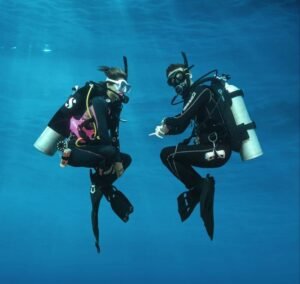
The next phase is confined water training, which typically lasts 2-3 days. Here, participants practice skill sets under the supervision of a certified instructor in a controlled environment. This training is essential for ensuring a diver’s comfort and preparedness for real-world diving scenarios.
Finally, the open water training component involves a series of dives, where candidates apply their learned skills in real underwater settings, typically spread over 2-3 days. The entire process can generally take about 4-6 days to complete, depending on course selection and individual pace.
The total costs associated with PADI certification can vary widely, but generally, candidates should budget for course fees, equipment rentals, and certification cards. To fully equip yourself for the program, it is advisable to either rent or purchase diving gear, including a wetsuit, mask, fin, and tank.
Understanding the PADI certification process allows aspiring divers to approach their training informed and prepared, ensuring both a safe and enjoyable experience in the beautiful waters of Labuan Bajo.
Tips for an Enhanced Diving Experience in Labuan Bajo
Embarking on a post-certification diving journey in Labuan Bajo can be a thrilling and enriching experience. To maximize your adventures beneath the waves, consider these essential tips and insights that cater to both novice and experienced divers alike.
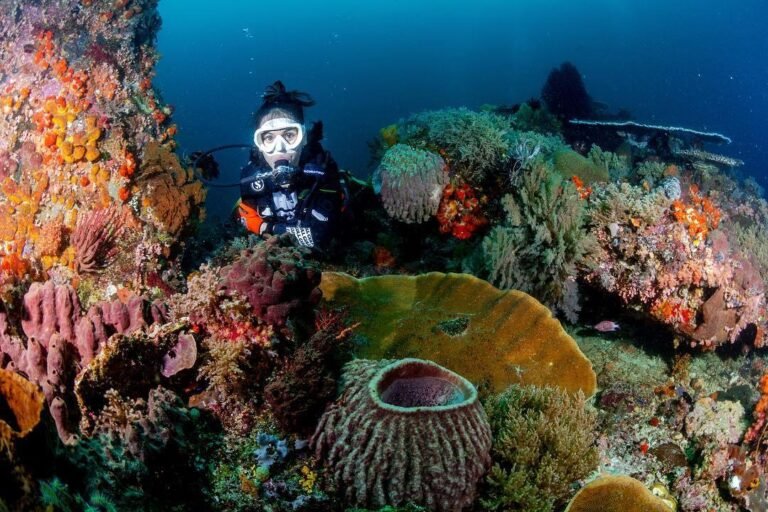
First and foremost, Labuan Bajo boasts a variety of incredible dive sites, each offering unique marine experiences. Popular sites such as Komodo National Park and Batu Bolong are renowned for their vibrant coral reefs and diverse marine life. Ensure to research these locations prior to your dives to understand their specific conditions and the types of wildlife you may encounter. This knowledge will not only enrich your diving experience but also enhance your appreciation of the local ecosystem.
Once you have chosen your dive sites, practice your diving skills regularly. Engage in exercises that bolster your buoyancy control, navigation, and underwater communication. Mastering these essential skills will contribute to a safer and more enjoyable dive, allowing you to focus on the stunning biodiversity surrounding you. Also, consider taking advanced diving courses that delve deeper into specific areas of interest such as wreck diving or underwater photography, thereby expanding your proficiency and confidence in varying conditions.
Caring for your diving equipment is paramount. Ensure that you perform regular maintenance checks, rinse your gear with fresh water after each dive, and store it properly. This not only prolongs the lifespan of your equipment but also ensures your safety on future dives. Being a responsible diver also means adhering to safety protocols and local regulations. Always dive with a buddy, keep an eye on your air supply, and be conscious of currents and tides.
Lastly, immerse yourself in the local diving community. Connecting with fellow divers can provide valuable insights and recommendations on the best dive operators and experiences. Additionally, participating in community-led clean-up initiatives or conservation projects will contribute to the sustainability of Labuan Bajo’s unique marine biodiversity, ensuring that future generations can enjoy the wonders of this remarkable destination.