A Comprehensive Map and Guide Komodo National Park
Komodo National Park, located in the eastern часть of Indonesia, encompasses the islands of Komodo, Padar, and Rinca, along with numerous smaller islands. Established in 1980, the park was originally created to conserve the unique Komodo dragon (Varanus komodoensis), which is the largest living lizard species on the planet. Due to its exceptional biodiversity and rich ecosystems, Komodo National Park was designated a UNESCO World Heritage site in 1991.
The park spans an impressive 1,733 square kilometers and features a diverse range of habitats, including savannas, mangroves, and coral reefs. These varied environments host an array of wildlife beyond the iconic Komodo dragons, such as the endangered orange-footed scrub fowl, various species of deer, and an impressive marine life that supports vibrant coral ecosystems. Such ecological diversity is a focal point for conservation efforts and scientific research, attracting ecologists and nature enthusiasts from around the globe.

What sets Komodo National Park apart is not just its well-known inhabitants but also the unique topology and climate that allows for a rich tapestry of flora and fauna. The rugged terrain, mixed with volcanic islands, creates microclimates that are conducive to a variety of species adapting in distinct ways. This results in the park being recognized for both terrestrial and marine biodiversity, offering some of the best diving experiences worldwide.
The combination of stunning landscapes and extraordinary wildlife makes Komodo National Park a premier destination for eco-tourism, where visitors can observe the magnificent Komodo dragons in their natural habitat while engaging in activities that promote conservation. The park stands as a testament to the commitment of Indonesia towards preserving its natural heritage and educating the public about the importance of biodiversity conservation.
Navigating the Park: Understanding the Map
When visiting Komodo National Park, a detailed map is an invaluable tool that enhances the visitor experience. The park comprises several islands, including Komodo and Rinca, and is renowned for its unique wildlife, stunning landscapes, and rich marine biodiversity. A comprehensive map allows visitors to grasp the geography of the area, ensuring they do not miss any significant attractions.
Key areas of interest within the park include various trails suited for different skill levels, leading to breathtaking viewpoints and the chance to observe the famous Komodo dragons in their natural habitat. Additionally, the map highlights important visitor facilities, including information centers, rest areas, and viewpoints, helping travelers plan their visit effectively. Understanding these locations is essential for optimizing the time spent in the park and fully enjoying its offerings.
Reading the park’s map effectively involves familiarizing oneself with symbols and scales used. It typically indicates hiking trails, elevation changes, and various landmarks, such as the stunning Pink Beach and diverse coral reefs. Travellers should take the time to plan their routes and understand the distance between significant points of interest, particularly when hiking or participating in boat tours.

Utilizing the map for optimal trip planning can be further enhanced by consulting park rangers or guides, who possess in-depth knowledge about the terrain and can offer tailored advice based on individual preferences. Integrating this information with the map will provide a well-rounded perspective, making the exploration of Komodo National Park both efficient and enjoyable. Visitors are encouraged to take a printed map along with digital resources to ensure they can navigate the park easily, regardless of cellular connectivity.
Top Attractions and Activities in Komodo National Park
Komodo National Park, renowned for its diverse ecosystems and striking landscapes, offers a plethora of attractions and activities that cater to wildlife enthusiasts, adventurers, and nature lovers alike. Among the principal highlights of the park is the chance to observe the famed Komodo dragon in its natural habitat. The best locations for spotting these formidable reptiles are on Rinca Island and Komodo Island, where guided treks are available for visitors to safely experience the majesty of these ancient creatures.
Trekking routes throughout the park provide breathtaking vistas and an opportunity to encounter various wildlife species, including exotic birds and unique flora. One of the most popular trails is the Padar Island trek, which rewards hikers with sweeping panoramic views, showcasing the island’s distinctive shapes and colors. Additionally, the trek to the top of Gili Lawa Darat offers a stunning sunset experience, making it a must-do for outdoor enthusiasts.
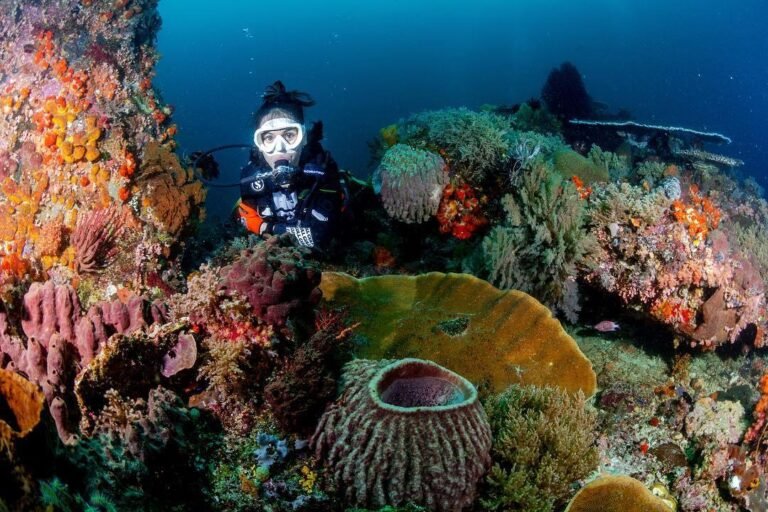
Diving in Komodo National Park is equally captivating, with some of the best dive sites in the world. Notable spots include Batu Bolong and Cannibal Rock, where divers can explore vibrant coral reefs teeming with marine life, from colorful fish to majestic manta rays. For those less inclined to deep sea adventures, snorkeling offers an equally mesmerizing glimpse of the underwater ecosystem, especially around the clear waters of Pink Beach.
The best time to visit Komodo National Park is during the dry season, which runs from April to December. During these months, weather conditions are generally favorable for outdoor activities, enabling a more enjoyable experience. When planning an itinerary, visitors should allocate enough time to explore both the terrestrial and marine attractions, ensuring a comprehensive experience of what the park has to offer.
Reed more :Labuan Bajo Travel Guide
Tips for Visiting Komodo National Park
Visiting Komodo National Park can be a thrilling experience, especially for nature lovers and adventure seekers. However, to ensure a smooth and enjoyable trip, it is important to plan ahead and prepare adequately. Here are several practical tips for prospective visitors to the park.
First, when it comes to what to bring, pack essentials that suit the tropical climate. Lightweight, breathable clothing is advisable, as temperatures can soar during the day. Additionally, sturdy hiking shoes are crucial for exploring the rugged terrain. Sunscreen, a wide-brimmed hat, and insect repellent would further enhance your comfort while spending extended hours outdoors.
Visit Labuan Bajo Packages 2026 – Komodo Island Tours & Sailing Trips
Safety precautions should not be overlooked. Always stay with your tour group or certified guide, particularly when hiking or observing wildlife. Komodo dragons, although fascinating, are wild animals and should be admired from a safe distance. It is also advisable to carry a basic first aid kit and familiarize yourself with local emergency contacts.
When planning your trip, ensure that you obtain the necessary permits, as these are required to enter the park. Visits must typically be arranged through reputable tour operators who can also provide knowledgeable guides. These guides not only enhance your understanding of the park’s biodiversity but also help enforce safety regulations while exploring the rugged landscapes.
Lastly, it is vital to practice sustainable tourism while enjoying the natural beauty of Komodo National Park. Follow the park’s guidelines regarding wildlife interactions and littering. Maintaining a level of respect for both the environment and the local communities enhances the overall experience for future visitors.
Komodo National Park Map, Guide & Tips 2026

Where Is Komodo National Park?
Komodo National Park is located between Flores Island and Sumbawa in eastern Indonesia. The gateway town is Labuan Bajo, where almost all tours and liveaboards depart.
The park includes:
- Komodo Island
- Rinca Island
- Padar Island
- Pink Beach
- Manta Point
- Kanawa Island
- Dozens of smaller islands and marine zones
The park is a UNESCO World Heritage Site and home to the world’s largest lizard: the Komodo dragon.
Best Places to Visit in Komodo
1. Padar Island

Famous for the iconic viewpoint with three curved beaches. Most tours arrive early morning for sunrise hikes.
Tips
- Wear hiking shoes
- Start before 6 AM
- Bring water because the climb is steep
- Dry season gives the clearest views
2. Komodo Island


The most famous island in the park and home to wild Komodo dragons.
Visitors must trek with official park rangers because Komodo dragons are dangerous predators.
Trek Options
- Short trek: 30–45 minutes
- Medium trek: 1–2 hours
- Long trek: 2–3 hours
Important 2026 Update
Several travelers report stricter visitor quotas and mandatory booking systems during peak season. Many operators now reserve entry slots in advance.
3. Rinca Island


Rinca is often less crowded than Komodo Island and many travelers say dragon sightings are easier here.
Good option for:
- Shorter boat trips
- Budget travelers
- Better wildlife encounters
4. Pink Beach


One of the rare pink sand beaches in the world.
Best for:
- Snorkeling
- Relaxing
- Drone photography
- Coral reefs
5. Manta Point

The best place in Komodo for swimming with giant manta rays.
Best Conditions
- Dry season
- Morning tours
- Calm sea conditions
Best Time to Visit Komodo National Park
| Season | Conditions | Best For |
|---|---|---|
| April–June | Green hills + calm sea | Photography |
| July–August | Peak season + dry weather | Hiking |
| September–November | Clear water | Diving & snorkeling |
| December–February | Rainy season | Fewer tourists |
Many experienced travelers prefer April–June because the islands are still green after rainy season.
How to Get There
Step 1 — Fly to Labuan Bajo
Most visitors fly from:
- Bali
- Jakarta
- Surabaya
- Singapore (via transit)
Labuan Bajo is the only main gateway to Komodo National Park.
Step 2 — Choose Your Boat Trip
Day Trip
Best for:
- Short vacations
- Budget travel
Usually includes:
- Padar Island
- Pink Beach
- Komodo Island
- Manta Point
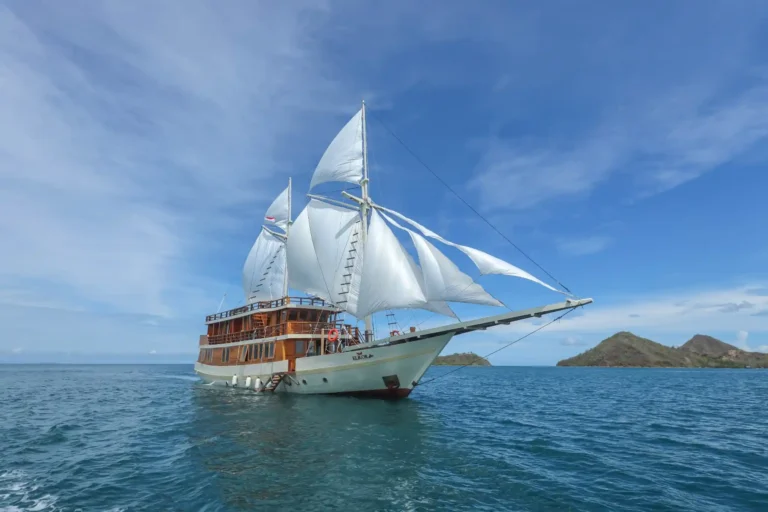
Liveaboard (2D1N–4D3N)
Best for:
- Photography
- Diving
- Luxury travel
- Sunset & sunrise experiences
Komodo National Park Entrance Fee 2026
Current reported foreign visitor fees vary slightly by operator and route, but most 2026 estimates range around:
| Ticket Type | Estimated Cost |
|---|---|
| Komodo + Padar access | IDR 550,000–650,000 |
| Ranger fee | IDR 80,000–120,000 |
| Diving permit | Extra charge |
| Drone permit | Often separate |
Some sources also mention stricter quotas and reservation systems for 2026 peak season.
Essential Travel Tips for 2026
Safety Tips
- Never walk alone near Komodo dragons
- Always stay with rangers
- Avoid sudden movements
- Women on menstruation are sometimes advised to inform guides for safety precautions
Packing List
- Hiking shoes
- Reef-safe sunscreen
- Dry bag
- Snorkeling gear
- Motion sickness tablets
- Drone permit if flying
Internet & Cash
- Bring cash in Indonesian Rupiah
- Card payments can fail in remote islands
- Mobile signal becomes weak offshore
Drone Rules
Drone regulations are more strictly enforced in some areas like Padar and Pink Beach.
Suggested 3-Day Komodo Itinerary
Day 1
- Labuan Bajo
- Kelor Island
- Sunset at Kalong Island
Day 2
- Padar Island sunrise
- Pink Beach
- Komodo Island trekking
- Manta Point
Day 3
- Kanawa Island snorkeling
- Return to Labuan Bajo
Is Komodo National Park Worth Visiting in 2026?
Yes — especially for travelers who want:
- Unique wildlife
- Island landscapes
- Snorkeling & diving
- Adventure sailing trips
- Luxury liveaboards
- Photography content
Komodo remains one of the most visually dramatic destinations in Southeast Asia, combining prehistoric wildlife with world-class marine biodiversity.